
Elevated blood urea in dogs
Continuing the topic of diagnosing various diseases in animals, today we'll discuss what can cause elevated urea levels in a dog's blood, when a veterinarian might order testing for this factor, and what health problems this symptom indicates.
Content
Urea and its role in the body
Urea is a chemical compound synthesized by the liver during nitrogen metabolism. As the end product of protein metabolism, which produces ammonia, urea neutralizes ammonia, making it water-soluble and reducing its toxicity. In dissolved form, urea passively diffuses through body fluids, is filtered by the kidneys, and is excreted through the urinary system.
When the liver or kidneys are not functioning properly, toxic substances accumulate in the body, which is indicated by the fact that urea levels in the dog's blood are elevated.

A blood test for urea levels may be recommended by a veterinarian in various cases:
- as part of a general examination;
- to diagnose the condition of the urinary system (usually together with a creatinine test);
- for the diagnosis of diseases of the hepatobiliary system (liver).
Important! Elevated blood urea levels alone cannot be used as a primary diagnostic indicator. This parameter is informative when combined with other tests, which your veterinarian can tailor based on the suspected illness.
Urea levels in dogs
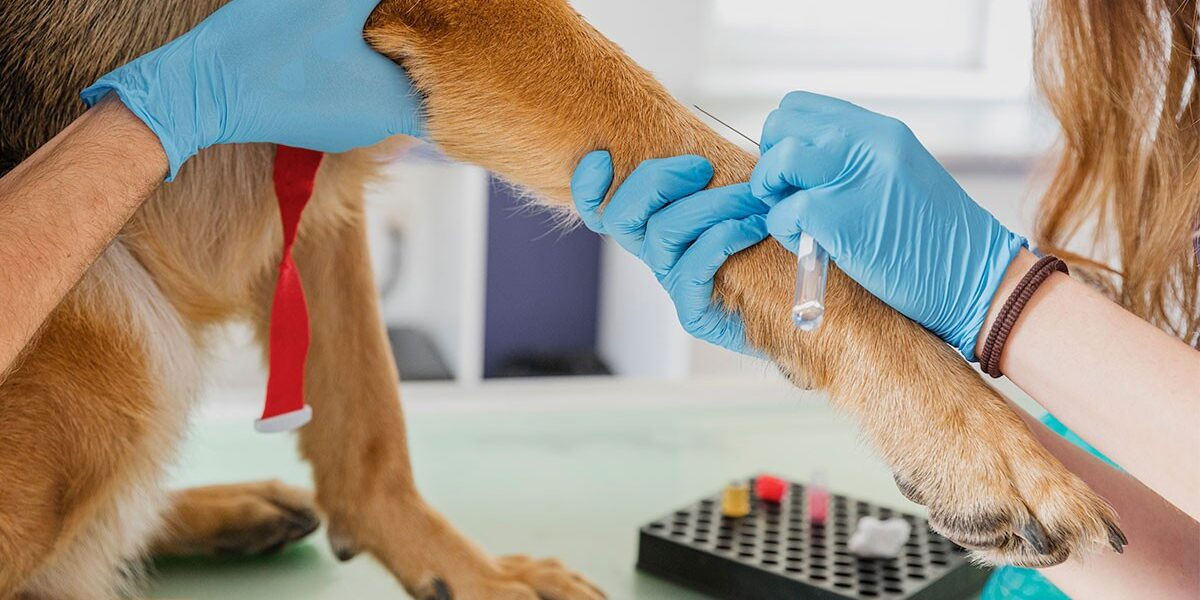
Elevated plasma urea levels can be detected through a routine biochemical analysis. For this test, a veterinarian collects 1-2 ml of venous blood in a special serum separator tube. The sample is collected on an empty stomach (the dog must be fasted for 8 hours prior to the test).
On average, in an adult animal this parameter varies within the range:
|
Animals |
lowered |
norm |
increased |
|
Dogs |
less than 2.9 mmol/L |
2.9 – 10.4 mmol/l |
more than 10.4 mmol/l |
|
Cats |
less than 5.3 mmol/L |
5.3 – 11.8 mmol/l |
more than 11.8 mmol/l |
Please note! Normal values may vary between laboratories and depend on the testing method and equipment used. Some laboratories report a normal range for dogs of 3.5–9.2 mmol/L.
Also read more about creatinine norms, which is most often tested together with urea when kidney failure and other disorders of the urinary system are suspected.
It is also worth knowing that the results of the analysis can be affected by external factors:
- long-term consumption of high-protein foods (meat mono-diet);
- gastrointestinal tract disorders (impaired absorption of nutrients);
- acute stress or shock in an animal.
What does azotemia (high urea) indicate?
Elevated serum levels of this substance are most often associated with kidney dysfunction. The body is unable to eliminate the substance naturally, and its concentration increases.
Most often, urea in dogs is significantly elevated in tests due to diseases such as:
- diseases of the ureters and bladder;
- urolithiasis (especially with impaired urine drainage)%
- nephritis of any etiology;
- nephropathy;
- renal failure;
- poisoning with toxic substances.

In this case, the level typically increases proportionally to the severity of the pathological process. A slight increase of 10% above the upper limit may indicate the presence of an inflammatory process. Readings in the range of 11-20 mmol/L may indicate moderate renal failure. A very high urea level, with a test result of 25-30 mmol/L or more, indicates the dog's condition is severe and its kidneys are practically failing.
Typically, high urea is accompanied by a range of additional symptoms, including:
- general lethargy and lack of appetite;
- diarrhea and vomiting;
- ammonia smell from the mouth;
- the appearance of ulcers on the mucous membrane;
- urinary incontinence;
- convulsions.
Typically, the symptoms described above increase proportionally with the increase in urea concentration. If a person can clearly detect the smell of ammonia, their urea level is already high enough.
What does low urea mean?
It's both bad when uric acid levels in a dog's blood are elevated and when this parameter is below normal. Typically, low urea levels also indicate illness. The main causes of low levels include:
- cirrhosis and other severe conditions in which the liver does not perform its functions;
- diabetes mellitus and other diseases associated with metabolic disorders;
- polyuria (frequent urination) not associated with impaired renal function;
- protein deficiency in the body (the cause of the problem may be different: chronic malnutrition, unbalanced diet, gastrointestinal disorders).
Regardless of the cause of the low serum urea level, the symptom is alarming for young puppies and pregnant dogs, as low urea results in an increased glomerular filtration rate, which leads to an extremely negative renal syndrome.
Treatment methods
High urea is not a disease, but rather the result of a pathological process occurring in the dog's body. Therefore, it is necessary to treat the underlying disease that caused the changes in the blood test results.
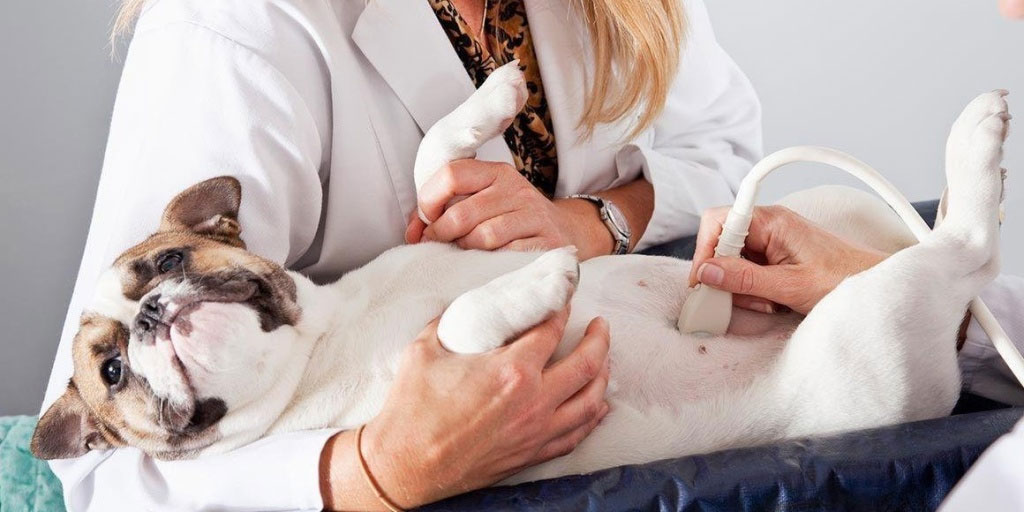
Often, after detecting elevated urea levels in a biochemical analysis, a veterinarian will order additional testing to establish a definitive diagnosis. A complete diagnosis is essential in this case, as correctly identifying the cause of poor kidney or liver function and choosing effective treatment is crucial to lowering the level.
Read more about kidney diseases You can read about them and their treatment methods in the materials posted in the relevant section of our website.
Veterinarian's advice
Also watch a veterinarian's lecture on why blood urea levels may increase and why this is an alarming symptom:
Read also:
- My dog is chattering its teeth: why and what to do
- How to collect urine from a dog for analysis
- How many blood types do dogs have?


Add a comment