
Proverbs and sayings about dogs
Humans domesticated dogs over 30,000 years ago, and during this time, numerous proverbs and sayings about this animal have emerged in folklore. At first glance, it seems that these apt expressions are simply a way to express one's feelings about dogs. But proverbs and sayings can be used to study the history of humans and animals.
Proverbs about friendship and loyalty
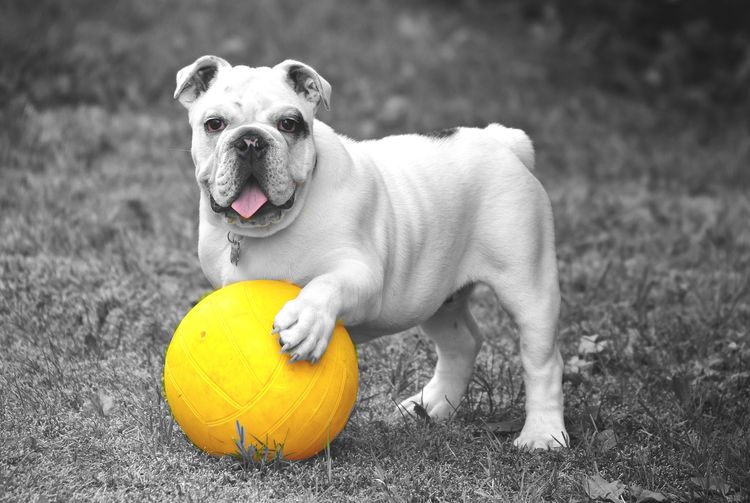
Even small children know the saying, "A dog is a man's best friend." Why not a cow that provides milk, a sheep that provides warm wool, or a cat, but a dog? It's all about loyalty. Domesticated wolves faithfully defended their owners' homes and flocks from attacks by wild animals. And such loyalty isn't the result of training, but a natural trait. Dogs are pack animals, for whom the presence of a leader is essential. During the process of domestication, humans were perceived as leaders. Over the centuries, many proverbs and sayings have evolved about this friendship and devotion:
- A kind dog wakes up three times a night to look after its owner.
- When the dog is faithful, the guard sleeps.
- A good dog will not be left without an owner.
- A dog does not bark at the one whose bread it eats.
- The dog gets used to the person, and the cat to the house.
- If you want to know a woman's character, watch her dog.
- Only a person who has a dog feels like a person.
- Flatterers are to people as wolves are to dogs.
- If you have a dog, you don't come back to a house, you come back home.

About habits
Humans have managed to eradicate much from animals' character, but nature cannot be fooled. After all, animals are predators, accustomed to thinking for themselves about their own food and survival. Proverbs and sayings are allegorical and reveal the essence of humanity, but the habits of animals often serve as examples of comparison.
- Trust a dog to guard the meat, and there will be nothing left.
- You can't throw meat at a dog.
- And the dog knows that herbs are used for healing.
- Do not be afraid of a barking dog, but be afraid of a silent one.
- Even a dog runs to carrion.
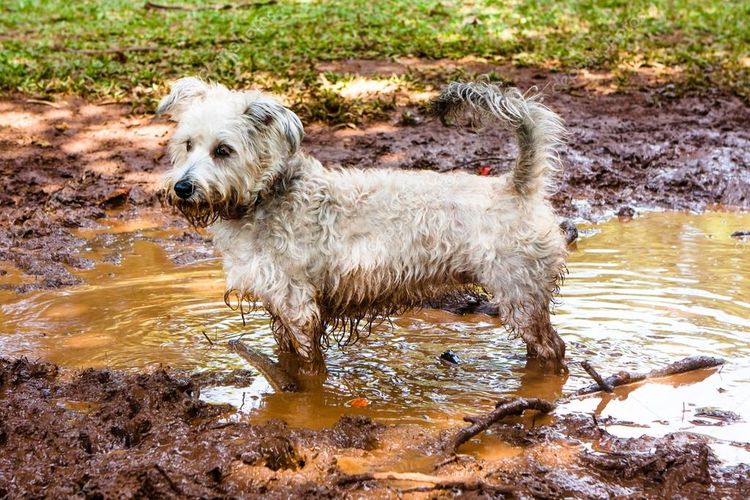
The last saying is particularly interesting. Dog owners know how difficult it is to keep their pets from rolling around in mud. Animals are especially attracted to anything that smells unpleasant to humans. It's all about instinct: the strong aroma masks the dog's own scent, so other animals can't detect danger. Figuratively, this expression means "temptation."
About character
Proverbs and sayings often refer to a person as a dog. Unlike expressions that explore the theme of friendship, The protective qualities of the animal here are of a negative nature.
You often hear the phrase, "As mean as a dog." This refers to a grumpy, harmful, or angry person. It is for this character trait that the animal is valued as a guard (remember the sign "Caution, angry dog"). Similar to this idiom is the proverb "Dog's temper," most often applied to women. Interestingly, such expressions aren't unique to Russian. For example, there's a well-known Assyrian proverb: "A pugnacious woman without dogs guards a whole village." There's even a similar spell in Russian folklore: "I remove the anger from the dog, I send it to hell. It won't growl at people; it will bark and leave you alone."
Proverbs and sayings often highlight the animal trait of venality. In Russian, they say of humans: "For a venal dog, even an aspen stake is enough," and "Even a dog runs at a greeting," meaning "selfish." Dogs' intellectual qualities are highly valued: "They have the intelligence of a catfish, but the wit of a dog," "And you know, you won't bark, but you'll bark, but not like a dog," and "Like a dog—I understand everything, but I can't say it."
About relationships
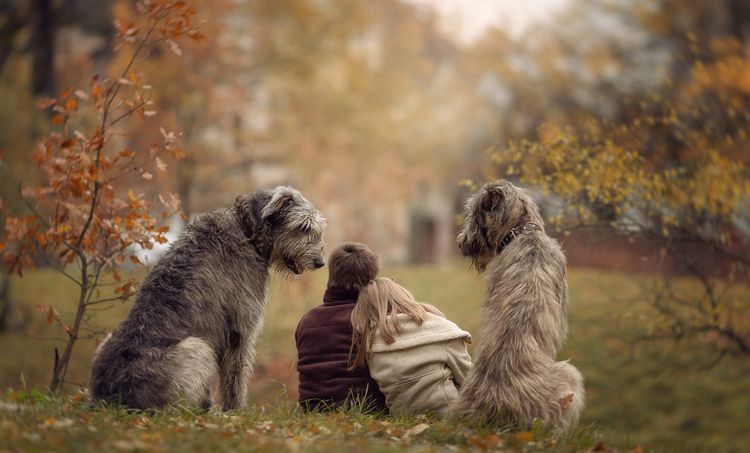
Friendship is friendship, but man is still the master. Folklore also reflects people's attitudes toward their pets. Many are familiar with the expression "He loves his dog like a dog loves a stick," meaning "he doesn't love him at all, he absolutely doesn't need it." Even though an owner loves their dog, he may still hit him with a stick as punishment. This is how this expression originated. Similar sayings include "A dog won't lose a stick," meaning "it will remember someday"; "Call the dog, but hold the stick," meaning "be careful."
Proverbs and sayings about dogs and humans explore the theme of the animal's difficult fate. "Tired as a dog" is how they describe a person who has completed an impossible task. The fact is that, since the domestication of wolves, dogs have been used by humans in the most difficult conditions. This includes herding livestock, hunting, and covering long distances in search of new land for cultivation. The animal has always been at its master's side, often leading the way. This is how the stereotype of dogs' backbreaking work has developed.
Read also:
- Why are commuter trains called dogs?
- The dog from the movie "The Adventures of Electronics": breed
- Is a fox a dog or a cat?


Add a comment