
A white dog's fur turns yellow after trimming: why and what to do
Owners of white dogs often notice their pets' fur turning yellow or taking on a yellowish tint. Many attribute this to the effects of trimming, although in reality, there can be many causes for coat color changes, and they are not always related to the procedure described above.
Nutrition
When changing food, it's quite possible that the coat will begin to change color in one way or another. Naturally, this effect will be more noticeable in white dogs. Dietary changes trigger metabolic processes in the body, but typically, the transition period is brief, and the original color returns. If the problem persists, even though the animal is eating a balanced diet, it may be due to a latent metabolic disorder.
Typically, such systemic disruptions occur in dogs during periods of increased stress—preparing for shows, pregnancy, lactation, sudden climate change, shedding, etc. These can also include gastrointestinal diseases, helminthic infestations, and allergic reactions caused by certain foods. Treatment typically relies on a comprehensive approach, including medication and dietary adjustments. Additionally, treatment courses of food supplements may be prescribed to improve the condition of the skin and coat.
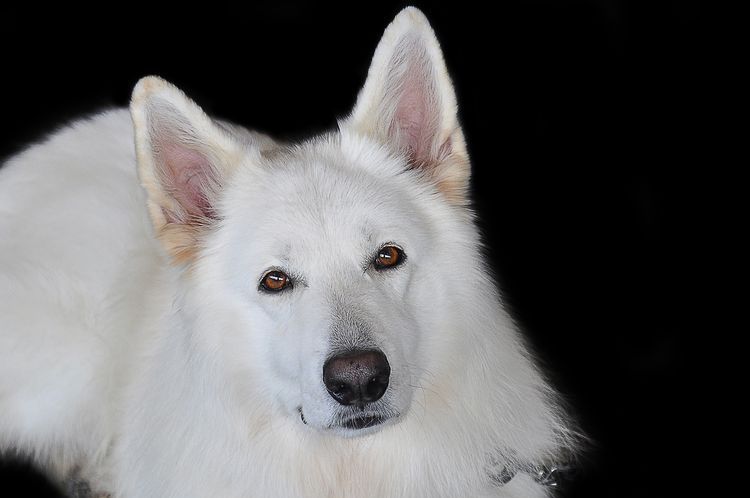
Important: a change in color may be a consequence of premature transfer of puppies to adult food.
When it comes to food, a dog's coat may turn yellow due to the presence of large amounts of:
- "coloring" foods: carrots, pumpkin, beets, tomatoes, seaweed;
- offal (liver, heart), the amount of which should not exceed the intake of raw meat;
water with a high iron content, which in this case is recommended to be replaced with bottled water.
Liver problems are also directly related to nutrition, causing yellow and even reddish spots to appear on the coat, especially in the chest, belly, under the tail, and on the lower limbs.
Note! Dog owners have advised against giving Carsil to dogs when treating their liver. Despite its effectiveness, it often causes a reddish or yellow tint to their coat.
Improper care
Coat color may change selectively, not all over the body. When it comes to the head area, it's important to pay attention to the dog's muzzle. Food particles stuck in the fur not only make the coat greasy and dirty, but also cause unpleasant odor and skin irritation. After each meal, thoroughly wipe the area around the muzzle with a soft cloth or foam sponge, moistened with water.
Food can fall out of the mouth, and then owners (especially show animals) resort to hand feeding, carefully placing each piece of dry kibble or natural food directly into the mouth. The same situation occurs with drinking water. Water running down the fur can ruin the color of the beard and mustache. To quench thirst, special drinking tubes are used.
Tears
Excessive lacrimation Short-muzzled dogs are usually guilty of this. Tears flowing down their muzzles leave unsightly trails that subsequently turn yellow, and the fur underneath becomes matted.
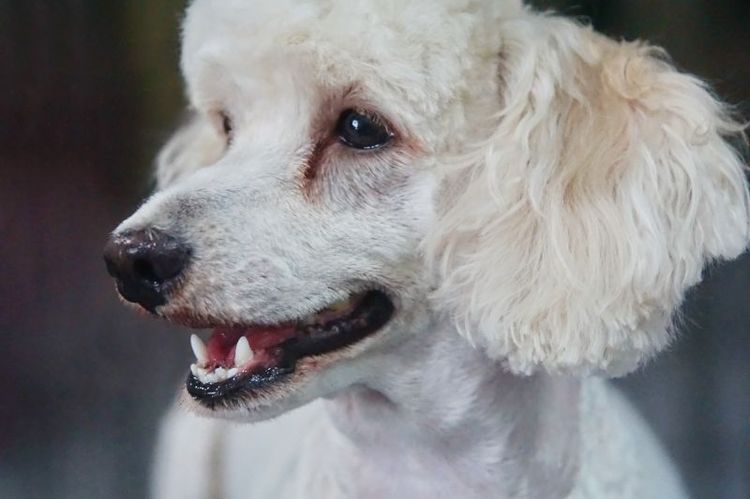
You can reduce tearing with Miramistin by mixing it with water in a 1:1 ratio and then rinsing your eyes with the resulting solution. This procedure should be performed using gauze pads or cotton cloths. Using cotton swabs can cause cotton fibers to become lodged in the mucous membrane and cause irritation. A saline solution can be considered as an alternative.
If eye washes don't produce the desired effect, you can remove the "rusty" streaks as follows: wrap each strand of hair where a tear rolls down in a highly absorbent cloth. Secure the cloth with a thin elastic band. This will trap the tears, and the hair will remain dry and white.
In any case, it's a good idea to consult a veterinarian or contact the breeder where you purchased your dog. You can also find useful information on specialized forums dedicated to nutrition and general care for specific dog breeds.
Fungus
Another reason why a dog's fur turns yellow is a fungal infection. It's most common in animals kept in high-humidity conditions (especially in kennels and kennels), and sometimes it colonizes the body. fungusIt doesn't pose a significant health threat to the dog, but it can cause an unsightly appearance because it affects the condition and color of the coat. Slight redness at the base of the hair is often mistaken for yellowing. Inspect the dog's body by lifting the hairs; if redness is present at the roots, consult a veterinarian. For fungal infections, it's advisable to use an antifungal shampoo before applying a regular shampoo.
Phenylalanine and tyrosine
Hair pigmentation can be affected by elevated levels of tyrosine and phenylalanine in the body. The latter serves as a source for the synthesis of tyrosine, a nonessential amino acid necessary for the normal production of several hormones (dopamine, serotonin, norepinephrine, melanin).
Many human foods contain the artificial sweetener aspartame, a synthetic form of phenylalanine. While this ingredient is not included in dog food, many owners are guilty of feeding their pets food from their own table.
What to do
To restore the whiteness of the coat, it is recommended to use specialized dry shampoos indicated specifically for dogs with white and cream-colored coats.
It's important to follow the instructions for the specific product. For example, some shampoos require leaving them on the body for several minutes to allow the active ingredients responsible for whitening to take effect. Furthermore, frequent use of products designed for show preparation is not recommended. Despite their effective whitening effect, regular use can negatively impact the overall condition of the coat and skin.
Note! In any case, avoid frequent bathing, as this removes natural oils and can cause dry fur. Paws can be washed after every walk, and dry shampoo can be used periodically to keep the entire body clean.
However, it's important to remember that without a comprehensive approach, cosmetics can only provide short-term results. To achieve long-term results, in addition to skincare, the following recommendations will help:
- Avoid foods and supplements containing coloring agents.
- Do not feed "human" foods, which often contain artificial colors and sweeteners.
- Monitor for the absence of allergic reactions; if any occur, switch the dog to hypoallergenic food.
- Wash regularly after each feeding.
- Keep your eyes clean, wiping them with saline solution and hygienic wipes if necessary.
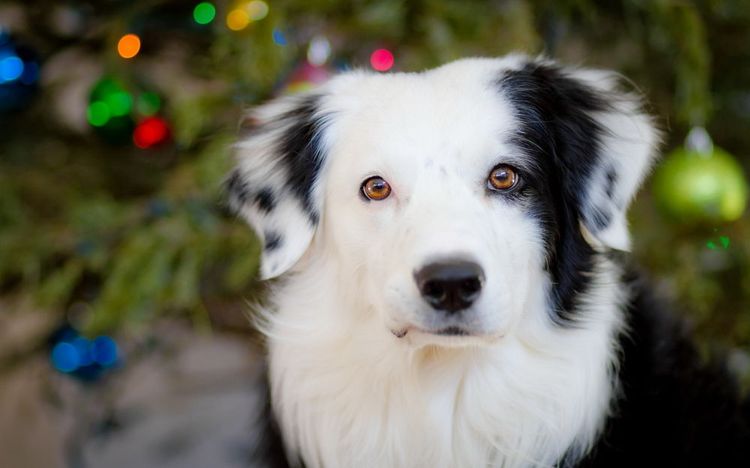
Another step toward a white coat is regular trimming, which removes old hairs that turn yellow and darken over time. Contrary to popular belief, the coat doesn't turn yellow after trimming. On the contrary, its appearance is significantly improved by removing old hair.
Read also:
- Dog grooming: which dogs need grooming?
- Irritation and itching in a dog after a haircut
- Furminator for dogs


Add a comment