
After castration, the dog wets itself: why and what to do
Neutering dogs is a common, but not the easiest, surgical procedure. It is performed under general anesthesia and is associated with certain risks. One common complication is urinary incontinence.
Reasons
If a dog begins to urinate after neutering, this is a sign of serious problems. A veterinarian should be consulted for an examination. To determine the cause of the urinary incontinence, a specialist will order the following tests and examinations:
- blood test;
- urine analysis;
- urine culture for bacterial infections;
- ultrasound examination of the genitourinary system;
- abdominal x-ray;
- Contrast study for congenital bladder anomalies.
A thorough diagnostic evaluation will help ensure a correct diagnosis. A dog can wet itself for many reasons, including:
- age-related changes;
- weakness of the smooth muscles of the urethra;
- nervous disorders;
- diabetes mellitus (a disease that requires consuming large amounts of fluid);
- spinal injuries;
- genitourinary infections;
- ectopia of the ureters;
- urolithiasis;
- prostate diseases (in males);
- weak bladder.
Clinical studies have shown that the risk of urinary incontinence in intact animals is very low—only 1%. However, if the dog has been neutered, the risk increases significantly—to 5-20%. In certain breeds (especially large ones), it reaches 60%. This is presumably due to a congenital weakness of the urethral sphincter.
My pet's urinary incontinence after castration wasn't due to improper surgery. The problem stems from hormonal imbalances. Hormones (estrogen and progesterone) influence sphincter activity and smooth muscle sensitivity. At the cellular level, processes occur that make urinary continence impossible.
This condition can develop immediately after surgery or later (even 3-5 years). The problem is that sphincter tone decreases gradually. Therefore, the animal's condition should be closely monitored after castration.
Symptoms
Urinary incontinence, if a dog starts to urinate, can be easily identified by a number of characteristic symptoms:
- urination at unexpected times and in inappropriate places (at home);
- urine leakage, its portioned release;
- wet wool;
- wet spots where the dog sleeps;
- excessive cleanliness;
- irritation and rash in the genital area.
What to do
If the dog is healthy and young, there's a chance the problem will resolve on its own. However, this is rare. In all other cases, the animal requires medical attention. After conducting a diagnosis and ruling out other possible causes of urinary incontinence, the veterinarian will determine the optimal treatment plan. The main methods are:
- Prescribing medications to normalize hormonal levels. These provide a good therapeutic effect, but negatively impact the pet's overall health.
- An endoscopic procedure performed through the abdominal wall to administer medication directly into the bladder wall. A large incision is not required; all procedures are performed through a small opening. Therefore, this method is considered minimally invasive and gentle. The recovery period is minimal.
- Open abdominal surgery to change the position of the bladder and restore muscle tone by suturing.
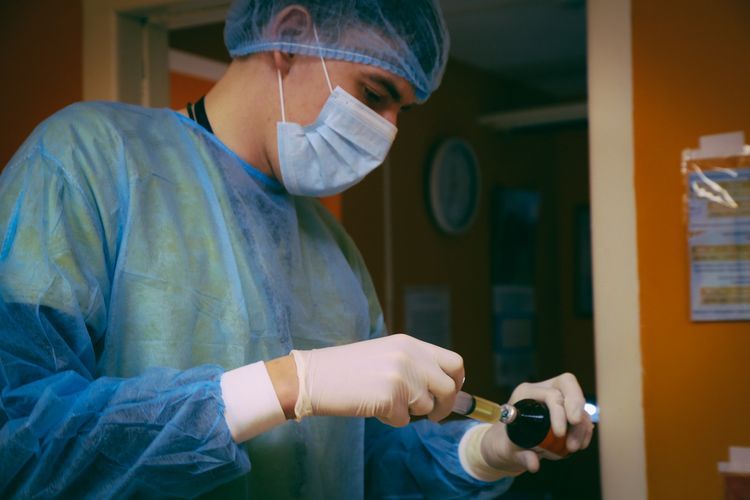
If your doctor suggests surgical treatment, you should carefully select the clinic and surgeon. During the postoperative period, it's important to strictly follow all doctor's recommendations to ensure a successful recovery. If you have any questions, don't hesitate to ask your doctor.
Often, neutered animals are prescribed lifelong treatment. PropalinaThe medication's main active ingredient is phenylpropanolamine hydrochloride. It is a sympathomimetic and acts on adrenergic receptors. It is available as an oral suspension. The required dosage is calculated based on the pet's weight.
The medication doesn't cure, but only alleviates symptoms. It strengthens the smooth muscles of the bladder and urinary tract. After this, their function returns to normal. This medication has no side effects. It doesn't accumulate in the dog's body and is eliminated naturally within 24 hours of administration. Even long-term use of Propalin does not harm the animal's health. However, there are contraindications to its use. Here is a list of them:
- low blood pressure;
- severe cardiovascular pathologies;
- serious diseases of the digestive tract;
- organic lesions of the urethral sphincter.
If your dog shows signs of urinary incontinence, don't delay in visiting a specialist. It's best to begin treatment as early as possible to avoid negative consequences and serious complications down the road.
Useful video: caring for pets' sutures after surgery
Read also:
- Inflammation of the salivary glands in dogs: symptoms and treatment
- Pomchi is a dog breed
- Ligfol for dogs


Add a comment