
Portuguese Braque (Pointer)
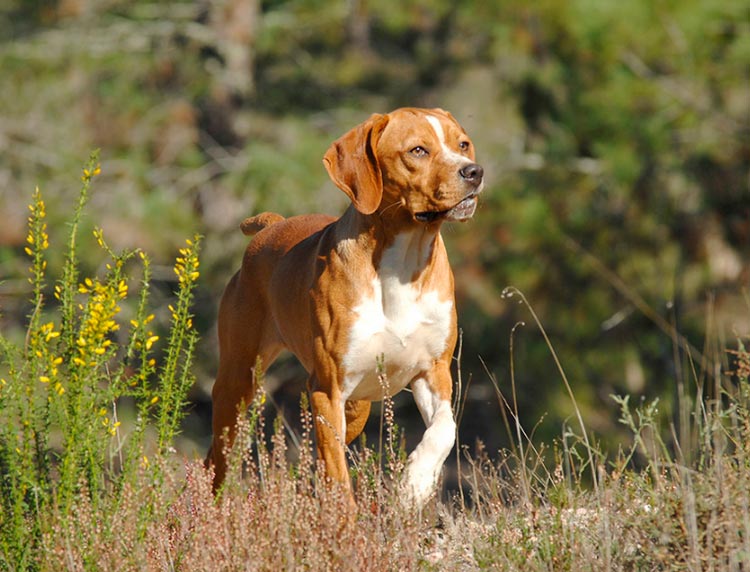
The Braque Portuguese is a hunting dog breed developed on the Iberian Peninsula several centuries ago. In its native land, it is highly prized for its excellent working qualities, enthusiasm, loyalty, good nature, and unique appearance. It is not widely known outside of Portugal. Other names for the breed include the Portuguese Pointer and the Portuguese Pointer.
Content
History of origin
The breed's history can be traced back to the 12th century. At that time, dogs similar to the description were bred in royal kennels and used in falconry. Their ancestors were likely Iberian hunting dogs, long common on the Iberian Peninsula. In the 16th century, the ancestors of the Portuguese Braques became widespread among all social classes and were given the name Perdigueiro, from the Portuguese word perdiz, meaning "partridge."
In the 18th century, many English winemaking families settled in the Porto region of Portugal, where they encountered local hunting breeds. They began actively importing Braques back to their homeland and used them in breeding programs. English pointer.
In the 19th century, the number of Portuguese Pointers declined significantly due to Portugal's unstable political and socioeconomic situation, amid revolutions and civil wars. In the 1920s, breeders attempted to save the breed after discovering a few typical dogs in the north of the country. A stud book was opened in 1932, and a breed standard was written and adopted in 1938.
The Portuguese Braque (Portuguese: Perdigueiro Português) is recognized by the Fédération Cynologique Internationale (standard no. 187). The Russian Cynological Federation does not have a translation of the standard.
Appearance
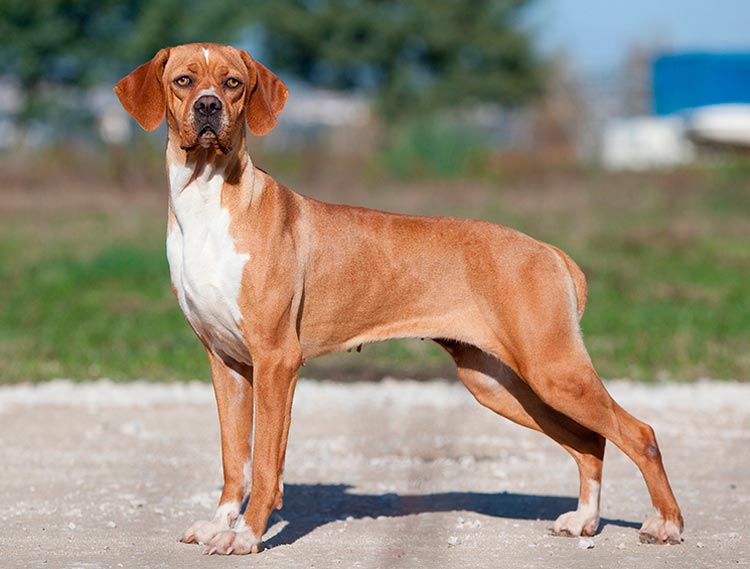
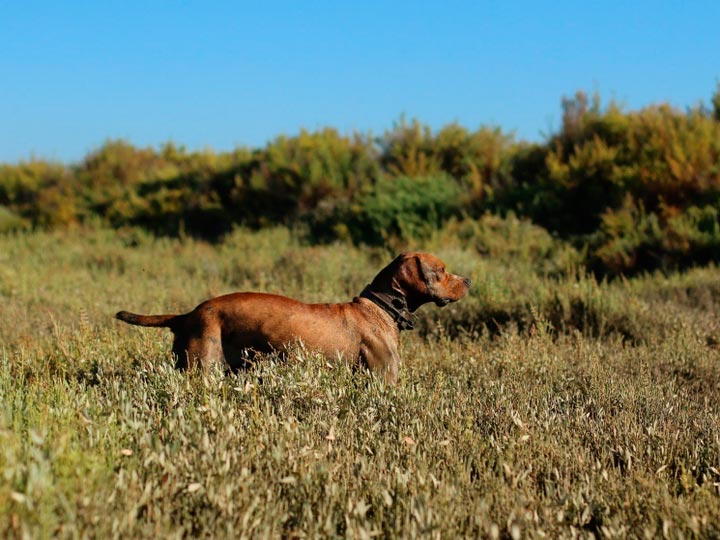
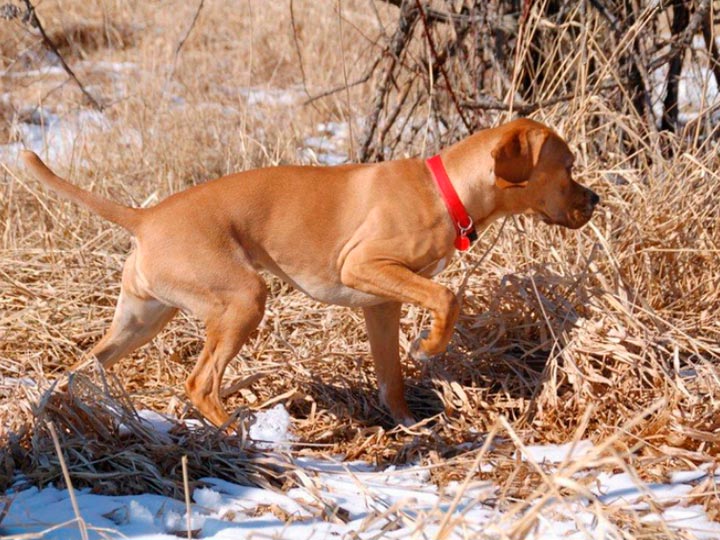
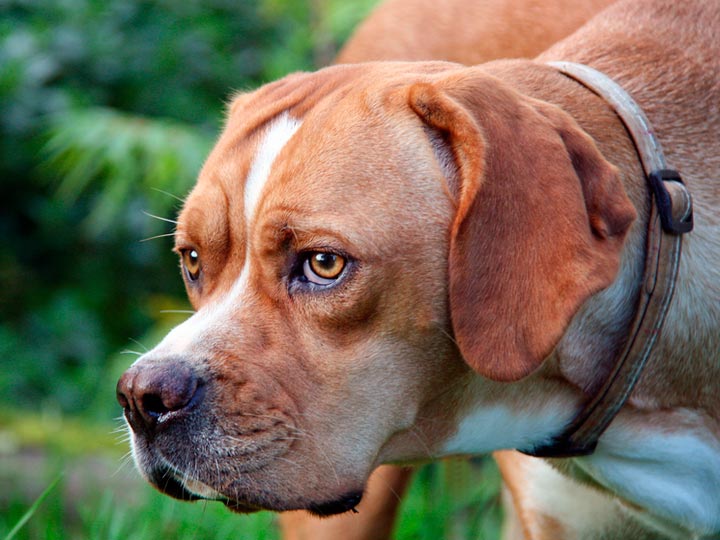
The Braque Portuguese is a harmoniously built, muscular, medium-sized dog with strong bones.
- Height at withers: 51-56 cm.
- Weight: 16-26 kg.
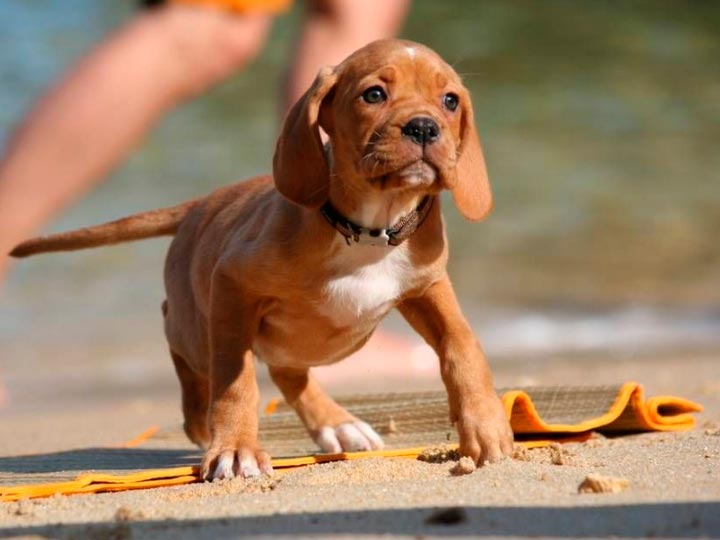
The head is proportionate to the body, but appears larger than it actually is. The skull is square, the frontal furrow is wide and very deep, the stop is well defined, 90-100 degrees. The angle between the bridge of the nose and the upper lip is 90 degrees. The nostrils are large and wide open. The muzzle is wide and square, making up 4/10 of the length of the head. The upper lips are pendulous, square with rounded tips. They are connected to the lower lips by loose, folded commissures. The eyes are lively and expressive, oval in shape, and should be darker than the coat color. The ears are set above eye level, hanging alongside the head, with rounded tips. The length of the ears slightly exceeds the length of the skull. The neck is slightly arched in the upper third, not shorter than the length of the head, with a small dewlap at the throat.
The body is square. The back is straight and strong. The loin is short and wide. The croup slopes slightly downward. The tail is medium length, not reaching below the hock. The limbs are strong, with well-developed, well-defined muscles. The chest is deep and wide. The underline is moderately tucked up.
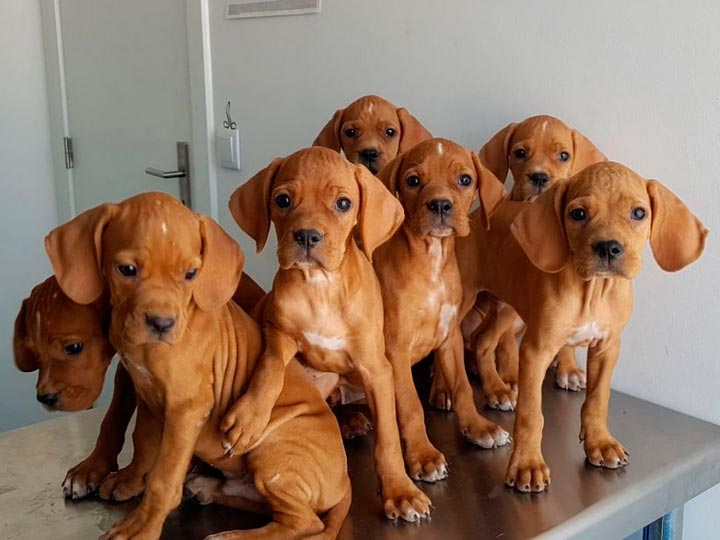
The coat is short, harsh, and dense, covering the body evenly, except in the armpits, groin, perianal, and genital areas where it is sparse and softer. The head is fine and short. There is no undercoat. The coat is red in various shades, either solid or with white patches on the head, neck, chest, and legs.
Character and behavior
Portuguese Bracas are calm and affectionate dogs. They work persistently and lively, maintaining close contact with their hunter. They are very devoted to their owners and sociable, sometimes to the point of becoming "inappropriate and awkward in their affections" (a phrase used to describe their temperament in the official standard). The Pointer gets along with other animals. They can display some aloofness and arrogance toward other dogs.
The Braque Portuguese is not the most suitable breed for a family dog, but it is of great value to hunters as a friendly companion and reliable partner.
The Perdigueiro is easy to train and requires a gentle approach. At a young age, it can be overly energetic and restless, which significantly complicates the training process. It's important for the owner to remain calm, understanding, and always walk the pet well before training.

Hunting with Portuguese Braques
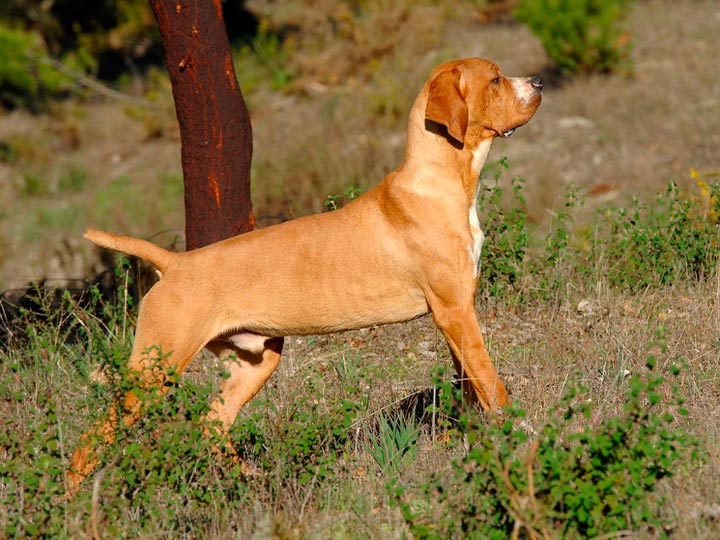
Portuguese Pointers are used to hunt birds and, less commonly, small fur-bearing animals. They are persistent and eager to work, have excellent navigation skills, and possess a wide search range. Upon spotting game, they stand still, flush the bird on command, and retrieve the prey after a shot.
The Portuguese Braque's hunting skills are genetically ingrained; they learn quickly when trained and are very sensitive to their owner.
Of course, it's impossible to guarantee that every Portuguese Brac will possess exceptional hunting abilities. Some puppies don't live up to expectations, but this is relatively rare.
Content Features
The Braque Portuguese is a sporting dog that requires a lot of running and hunting opportunities. It is not suited to being kept outdoors year-round in climates with freezing winters. It requires long, regular walks. If it receives adequate physical and mental stimulation, it behaves calmly and does not cause any problems at home.
Portuguese Bracas require minimal grooming. Their short coat repels dirt well, so frequent baths are generally not necessary. Standard grooming procedures (ear and teeth cleaning, nail trimming) are performed as needed. They shed moderately.

Health life expectancy
Portuguese Pointers are hardy and healthy dogs. Potential problems associated with the breed include autoimmune diseases, hip dysplasia, and patellar luxation. Tumors and cardiovascular disease are also possible in adulthood. Life expectancy is 12-14 years.
Buying a puppy prices
In Portugal, Perdigueiros are common among hunters. They value their companions for their character and working abilities. In the United States, where there is also a significant population and several dozen kennels, Portuguese Pointers are more often kept as family dogs and companions. There is no information on kennels in the CIS countries.
The average cost of a Portuguese Braco puppy in Europe is 850 euros.
Photos and videos
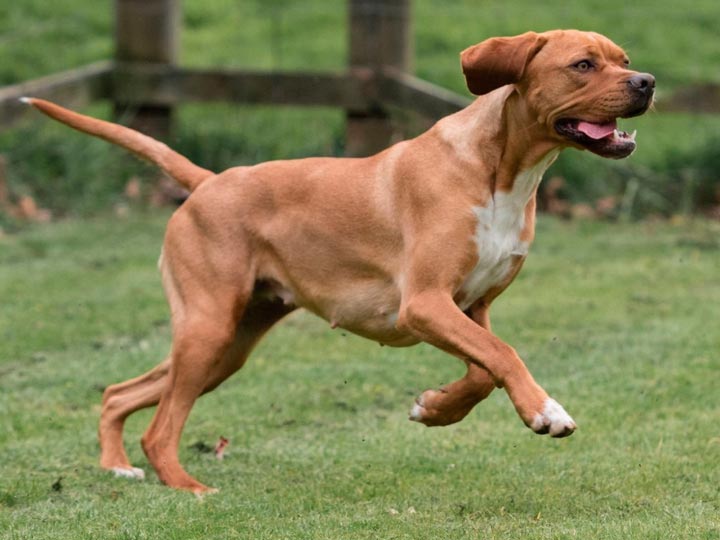
Gallery containing photographs of Portuguese Braque dogs.

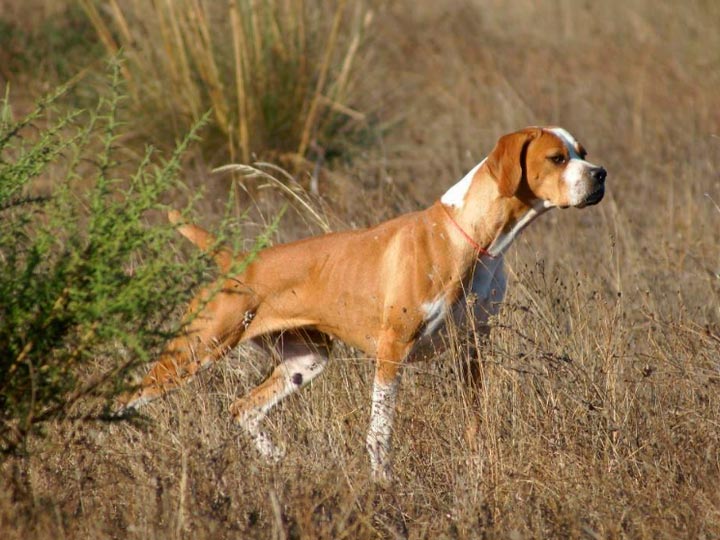
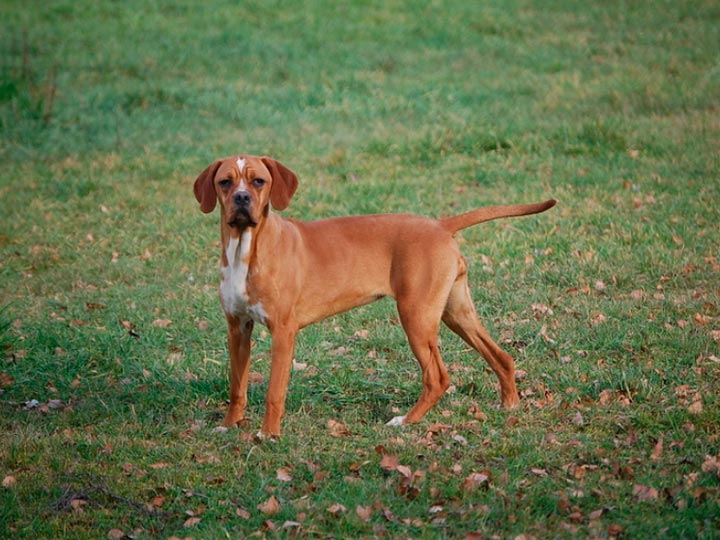
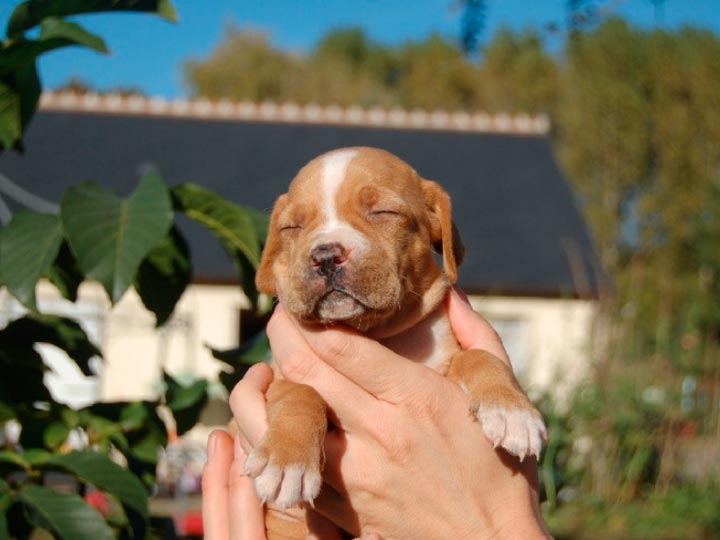
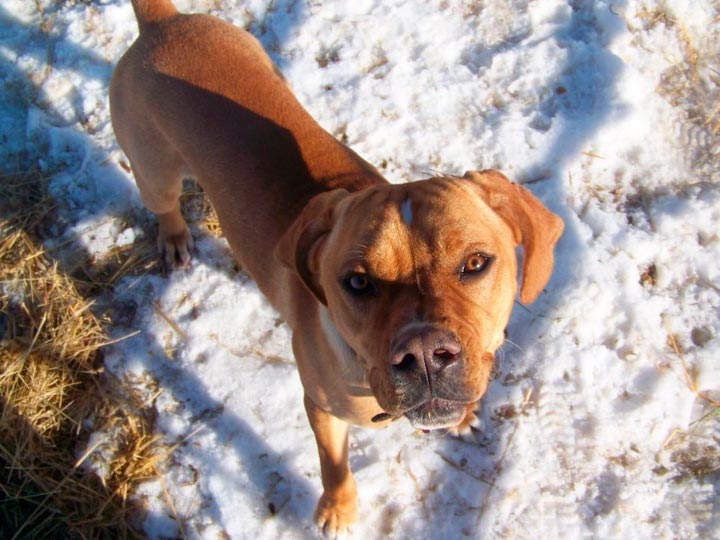
Video about the Braque Portuguese dog breed
Read also:


Add a comment