
Portuguese Shepherd (Cao da Serra de Aires)
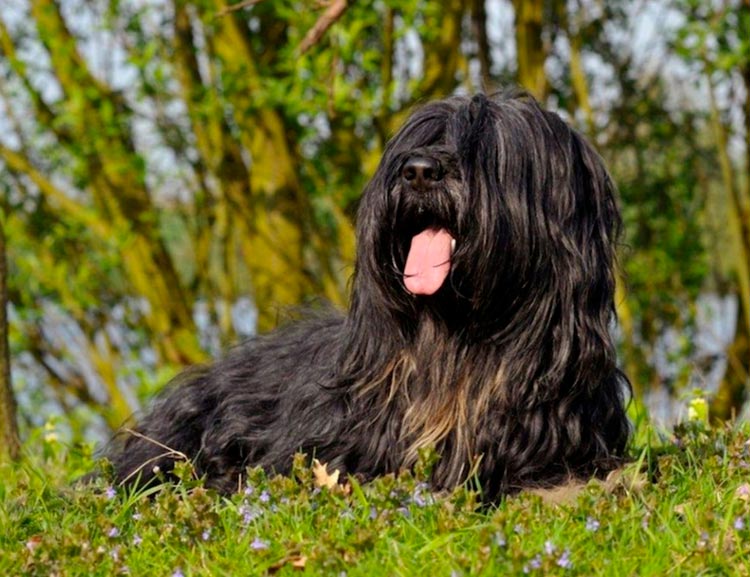
The Portuguese Shepherd is a herding and guard dog breed developed in Portugal. Today, it has also proven itself as a companion and athlete. These dogs have an unremarkable appearance, but they have gained popularity due to their ability to work, exceptional intelligence, and docile nature. Another name for the breed is the Cão da Serra de Aires.
Content
History of origin
The Portuguese Shepherd is part of the large family of European shepherds. For centuries, its primary role was herding and guarding livestock. Much of its history remains a mystery. It is known that dogs of this type were found primarily in the Alentejo and Ribatero regions. They are likely related to briar, Pyrenean, Catalan Shepherdand others.
Targeted breeding of the Cão da Serra de Aires began only in the 20th century. The Portuguese Shepherd was registered by the Portuguese Kennel Club in 1932. In the 1990s, the Cão da Serra de Aires Club was founded to preserve and promote the breed.
Appearance
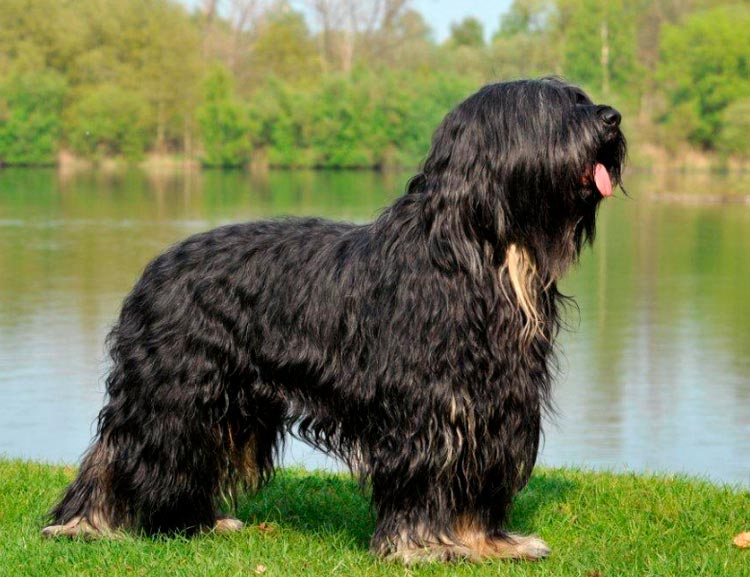
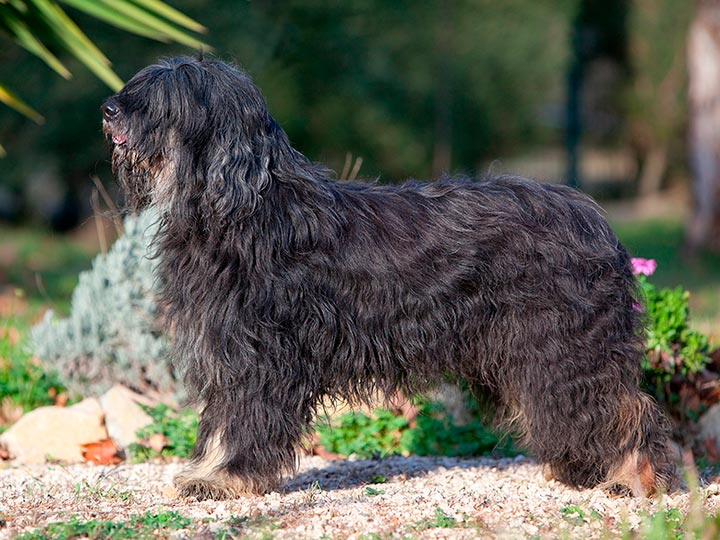
The Portuguese Shepherd is a sturdy farm dog of medium size, moderately elongated, proportionally built, and agile. It is well adapted to sudden temperature changes. Sexual dimorphism is well-defined.
- Height at withers: 42-55 cm;
- Weight ― 17-27 kg.
The head is medium in size and strong. The stop is well defined. The muzzle is short, cylindrical, with a straight or slightly upturned nasal bridge. The nose leather is slightly raised, cylindrical, and preferably black. The lips are tight. The jaws are well developed, with a scissor or pincer bite. The eyes are round, medium in size, and set straight. The ears are set high, hanging, triangular in shape, and approximately equal in length and width. The neck is straight and of medium length.
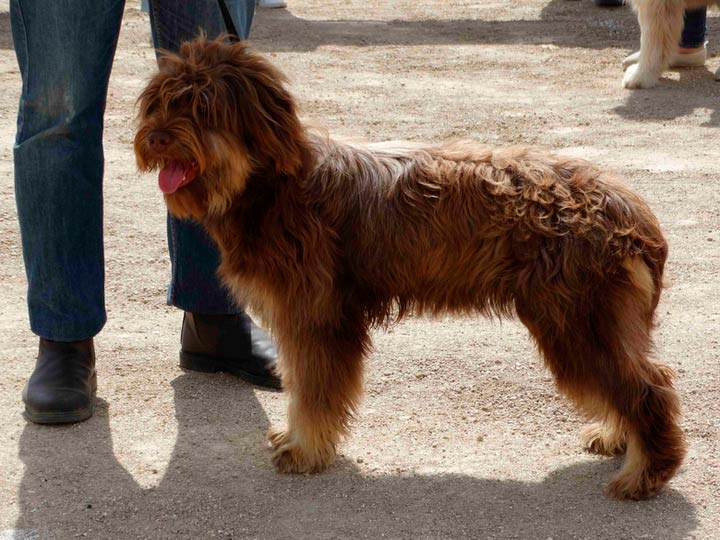
The body is well balanced and moderately elongated. The topline is straight or slightly arched. The back is straight or slightly arched. The loin is short, wide, and arched. The croup is slightly convex and of medium length. The chest is of medium width and depth, with well-arched, oval ribs. The belly is moderately tucked up. The tail is long, hanging between the hindquarters, and curved. The legs are strong, sturdy, parallel, with good joints and well-developed muscles. The paws are rounded with long, tight toes.
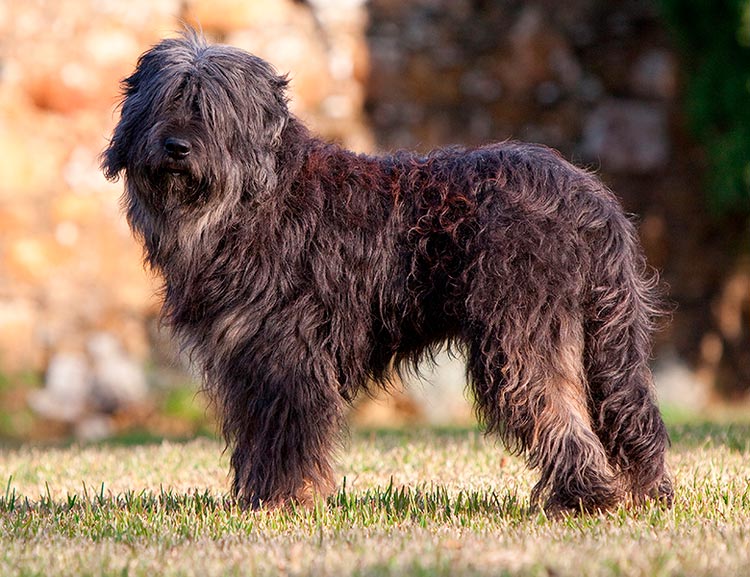
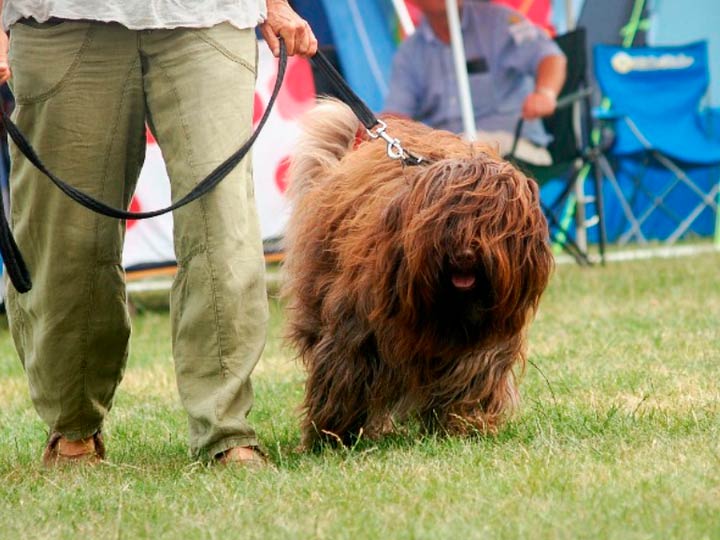
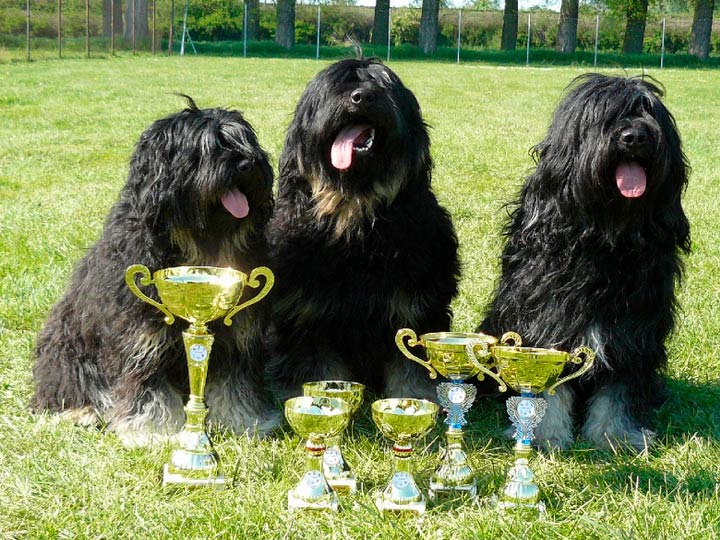
The skin is elastic and thick. The coat is straight or slightly wavy, coarse, and similar in texture to goat's fur. On the head, it forms a mustache, a long beard, and eyebrows that do not cover the eyes. There is no undercoat or down. Colors:
- yellow;
- brown;
- grey;
- pale yellow;
- black.
Character and behavior
The Portuguese Shepherd is an energetic and hardy dog with a balanced temperament. It adapts well to various living conditions, is unpretentious, obedient, and intelligent. Training is generally straightforward. Even as a puppy, the Cerro de Aires is a quick learner and eager to please its owner.
The Portuguese Shepherd is very inquisitive, agile, and alert. A good watchdog and guardian, it will not allow strangers, human or animal, into its territory. Outside its boundaries, it is reserved and calm. A well-socialized dog does not show aggression unless absolutely necessary. It gets along well with other animals. The Portuguese Shepherd forms a strong bond with all family members, but prefers one person as its master. The dog follows this person like a shadow, but is not clingy. It gets along well with children of all ages. It is protective of young children and enjoys playing with older ones.
Portuguese Shepherds are easy to train and can master a wide variety of tasks, including herding and sports. They are suited to a variety of disciplines: agility, obedience, flyball, freestyle and others.
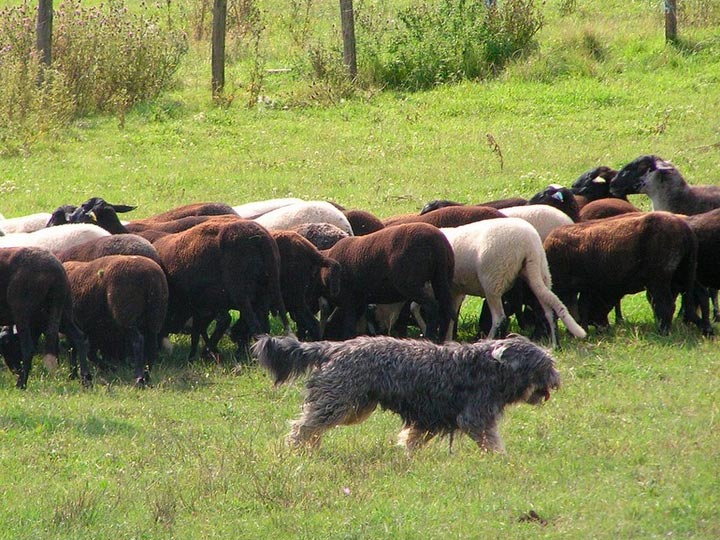
Portuguese Shepherds have a strong herding instinct. They are practically universal in their work abilities. They can herd small and large cattle, horses, and poultry. They are excellent at finding lost animals. They treat their charges with great care and respect, yet are courageous and strong enough to confront predators or enemies.
 Content Features
The Portuguese Shepherd is not suited to apartment life; it values freedom and needs space to roam. The ideal environment is a farm or a private yard. It is not recommended to keep the dog leashed or confined in a crate. It requires adequate exercise. If the dog doesn't work with livestock, it should be walked at least 1.5-2 hours daily.
Care
The Portuguese Shepherd has no undercoat, which is unusual for a herding dog. This results in minimal shedding. It's recommended to brush the Portuguese Shepherd once or twice a week to prevent matting and remove overgrown hairs. Care for the dog's ears, eyes, and teeth is essential.
Health and life expectancy
The Portuguese Shepherd is a robust, rustic dog with a strong immune system and is relatively disease-resistant. Careful selection has kept the breed healthy. Life expectancy is 10-13 years. There is some evidence that Portuguese Shepherds are prone to ehrlichiosis (transmissible disease). Tumors sometimes develop in adulthood. Cardiac monitoring is recommended after age 8.
Where to buy a puppy
Portuguese Shepherds can be found in almost every European country, but they are most common in their homeland. Around 100 puppies are registered in Portugal each year.
Price
In Portugal, the average price of a Cao da Cerro de Aires puppy is 500 euros.
Photos and videos
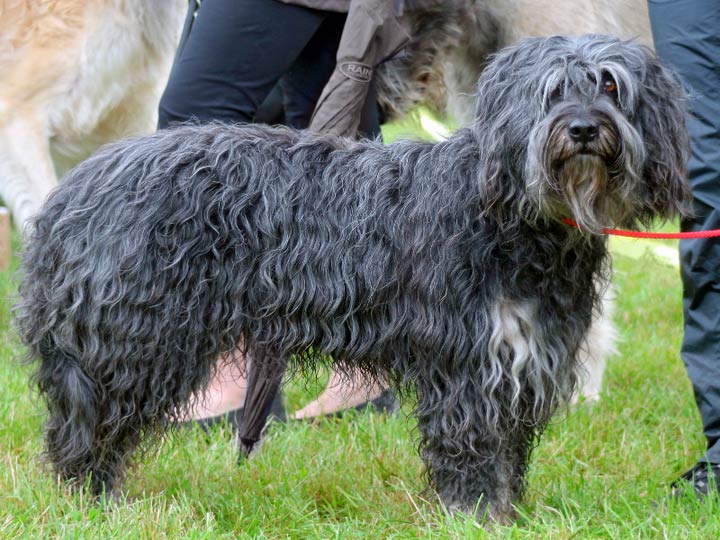
You can see more photos of Portuguese Shepherd dogs in the gallery.
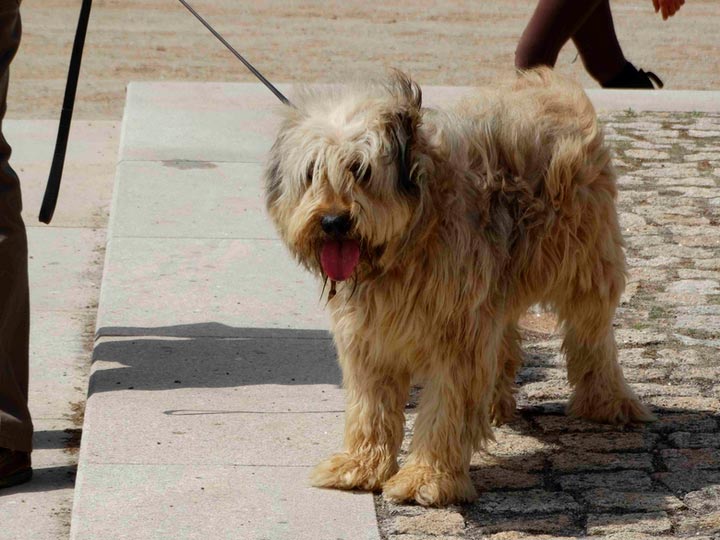
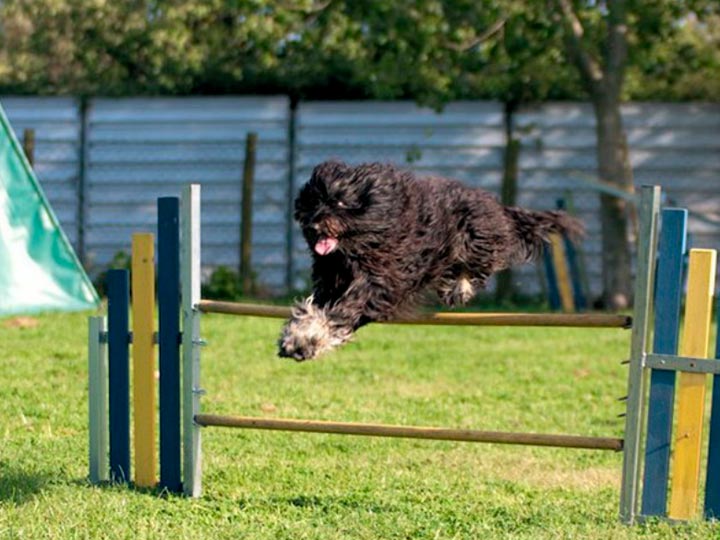
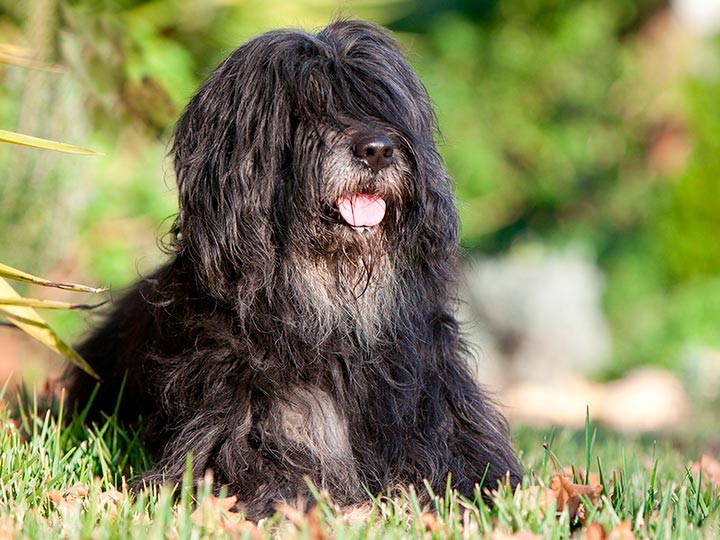
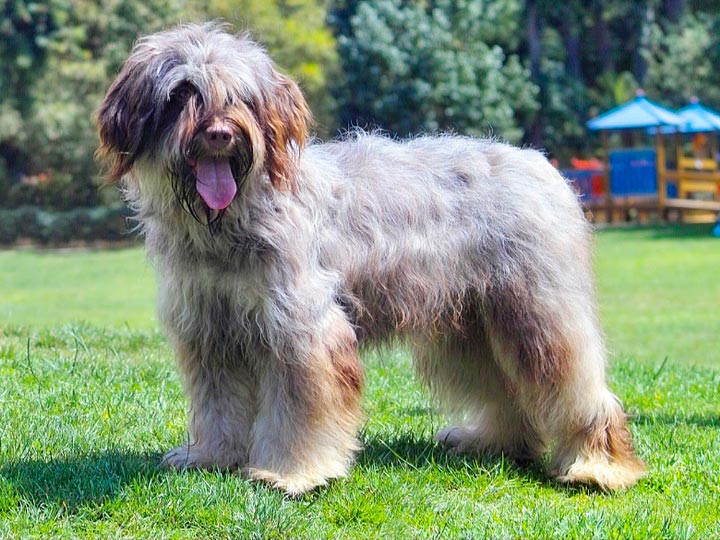
Portuguese Shepherd on video
Read also:


Add a comment