
Top 15 Dog Breeds for Beginners
An inexperienced dog owner should carefully consider the breed they choose. It's a good idea to consider all options, assess your living conditions, and the time needed for care and training. This top 15 list, which includes animals with a peaceful nature and poses no threat to the owner or others, will help you choose your first dog. This list describes dogs that require little care and are suitable for first-time dog owners in apartments and homes. The breeds described below are easy to train, get along well with children, and become true members of the family.
Content
5 small dogs for an apartment
Small breeds are ideal for confined spaces; they don't require long walks. Small pets are often highly intelligent and enjoy socializing.
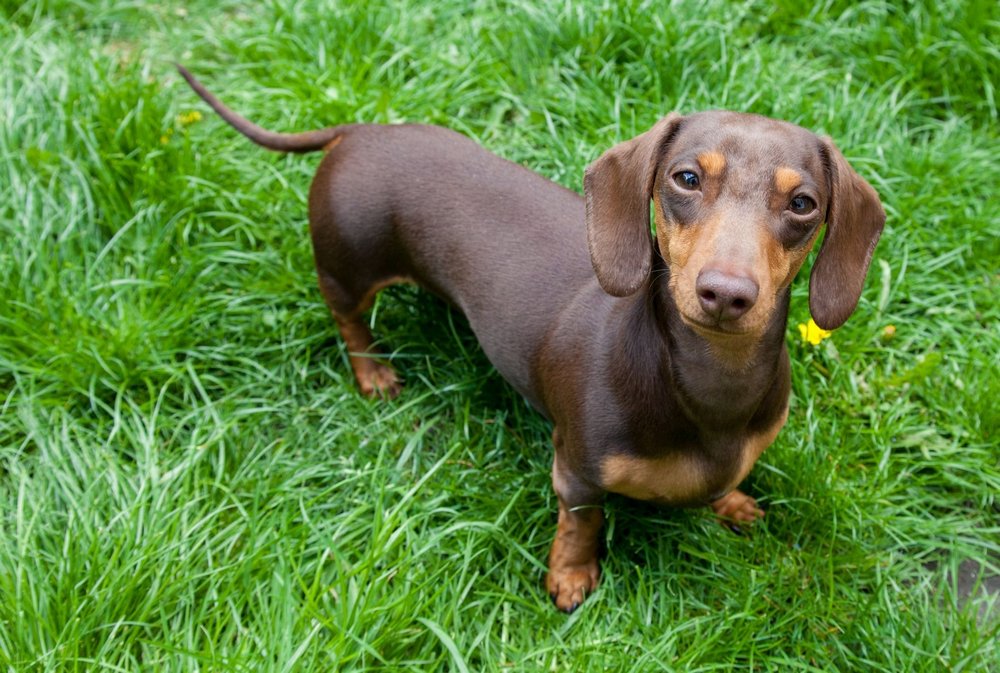
Dachshund
You'll never be bored with her – this playful, intelligent dog with a balanced personality will be a true friend and protector for her owner and their child. Ideally suited for apartment living, she remains an avid hunter and loves active walks and training.
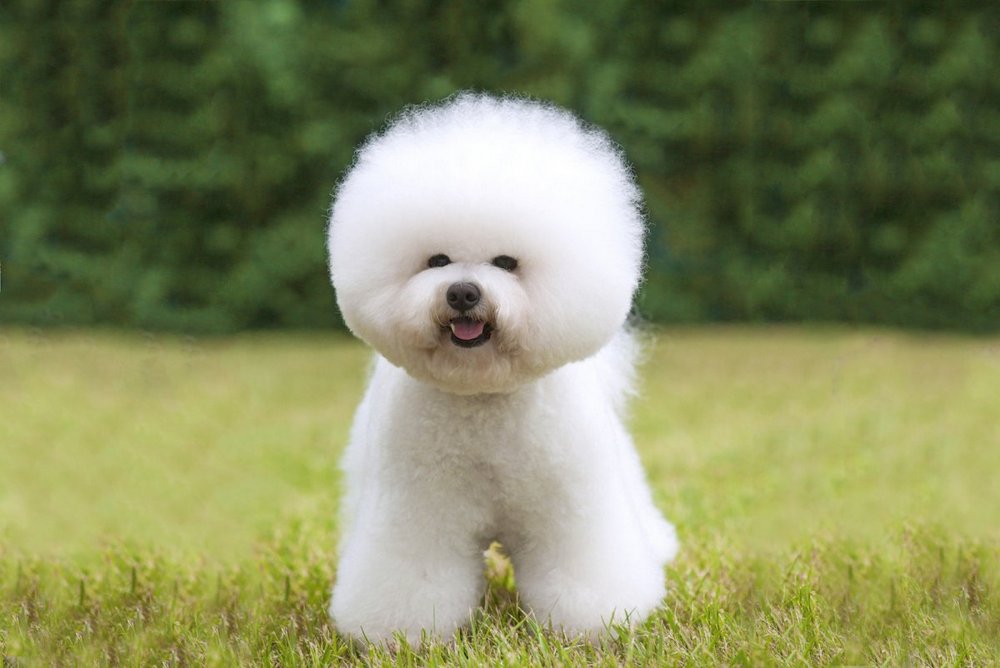
Bichon Frise
The advantages of a small dog include its small size, lack of shedding, and hypoallergenic fur. It is highly intelligent and learns commands quickly. If untrained, it can exhibit timidity and a tendency to be capricious.
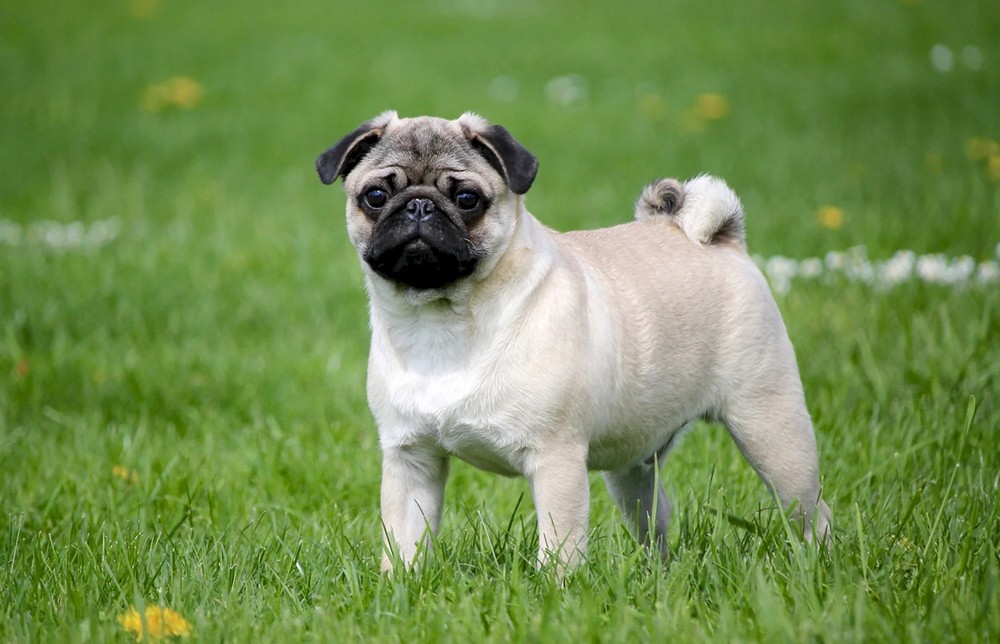
Pug
They have a sociable nature – they easily find common interests with children and other pets, don't get into conflicts, and don't react to outside noises with prolonged barking. They're an ideal choice for an apartment, as they don't enjoy long walks and don't require regular bathing.
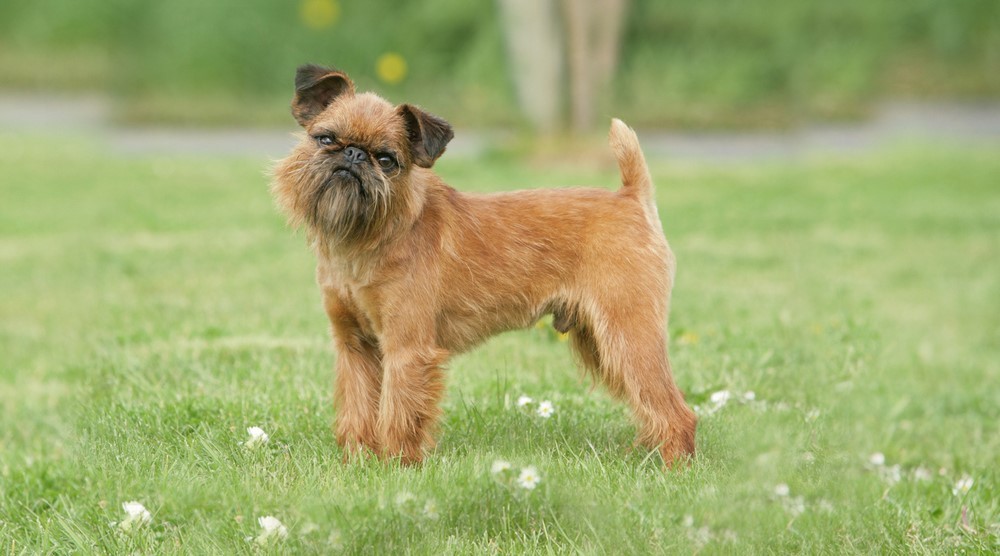
Brussels Griffon
Their small size doesn't prevent them from being a reliable guard dog—they'll viciously attack strangers who get too close to their family members. They're peaceful with their own family and enjoy playing with children and other pets.
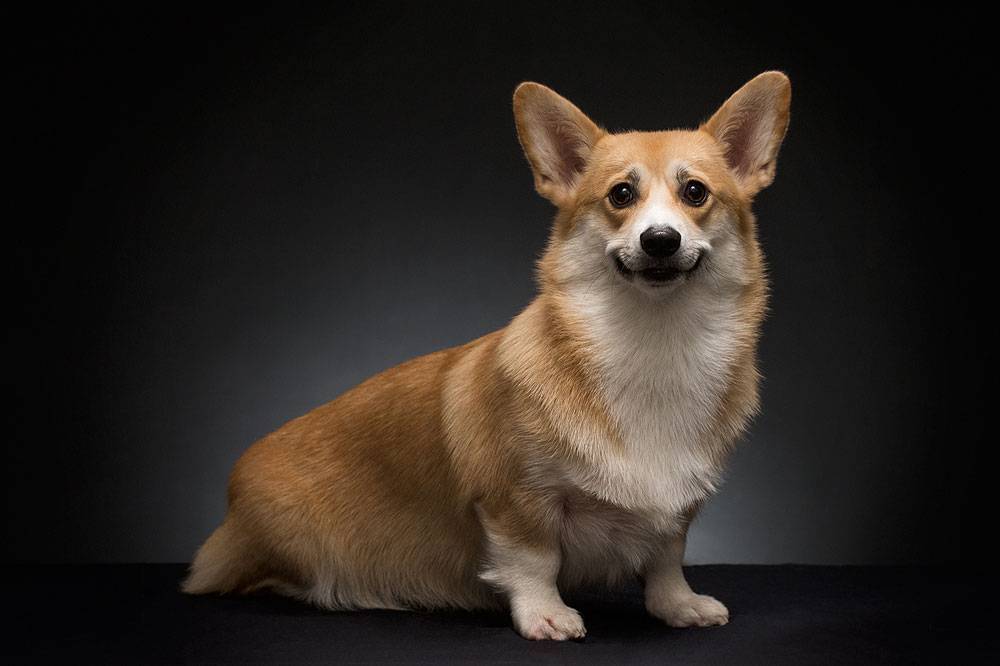
Welsh Corgi
This fox-like dog is peaceful and can be an excellent companion for an elderly, lonely person. Training is straightforward. However, careful monitoring of its diet and extended walks are necessary, as it has a natural tendency toward overeating and obesity.
5 Best Medium-Sized Dog Breeds for Beginners
This list includes animals that thrive in both city apartments and private homes. Unlike lap dogs, medium-sized pets require long, active walks. They have a low level of aggression, although they can stand up for their owner if threatened.
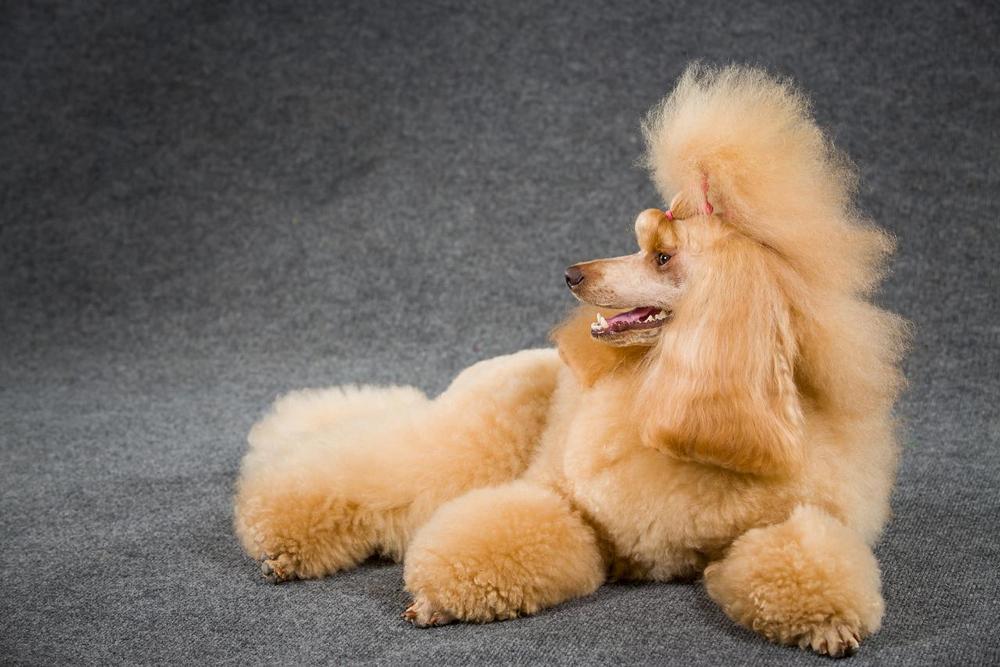
Poodle
This intelligent animal learns commands incredibly quickly. Energetic and moderately active, it loves to go for walks, has a peaceful nature, and enjoys accompanying its owners on trips. This breed is safe for a novice dog owner with allergies, as its fur does not shed.
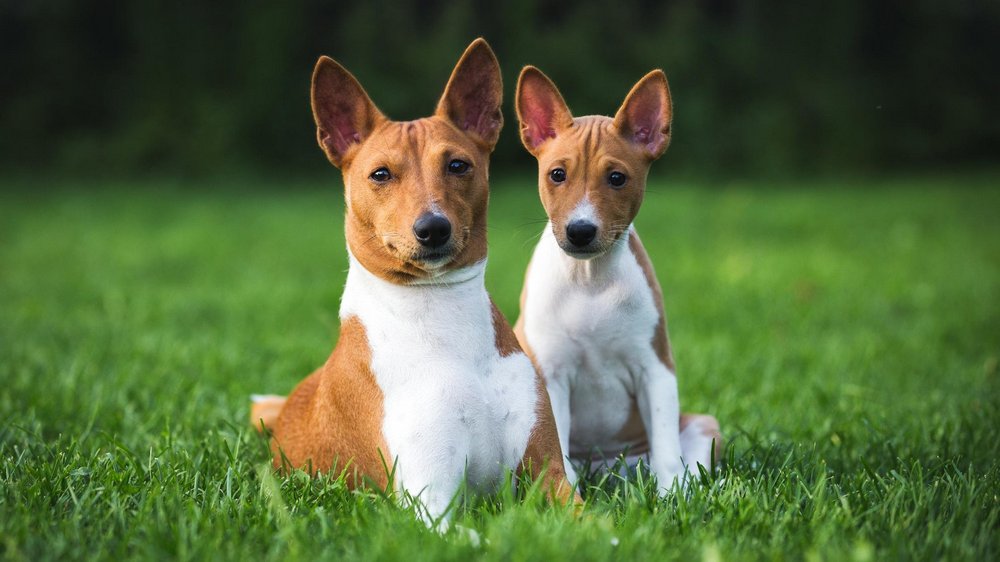
Basenji
Loyal, intelligent, and loath to be alone, these dogs are completely bark-free, so they won't disturb neighbors or frighten small children. They love outdoor exercise, but are very sensitive to cold—in winter, they'll need to be walked in a warm jumpsuit. Learn more: Basenji
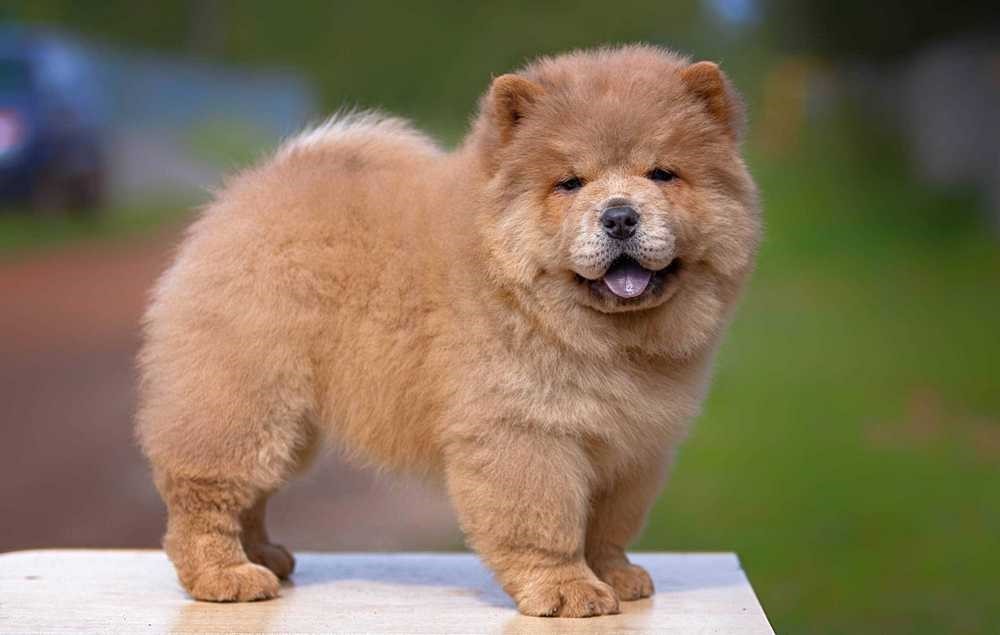
Chow Chow
This bear-like dog exhibits feline traits: laziness, a love of comfortable sleep, and riding in the front seat of a car. Curing this dog of its innate sybaritism will require regular training, preferably under the guidance of an experienced dog trainer. Grooming can be a problem.
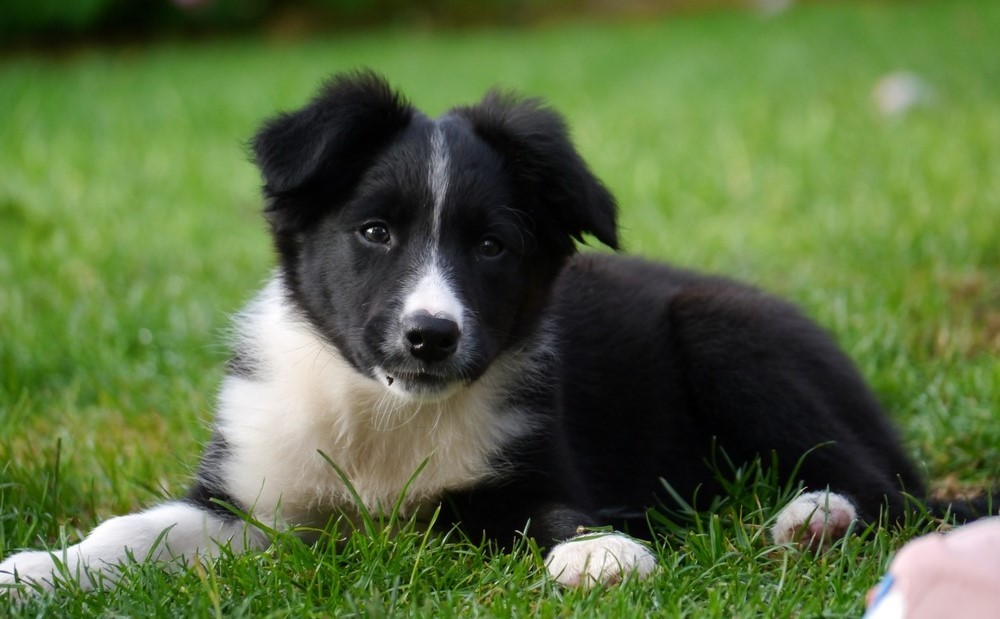
Border Collie
A great choice for those who enjoy long runs—the dog will happily accompany its owner. It's intelligent, understands commands well, and learns new skills quickly.
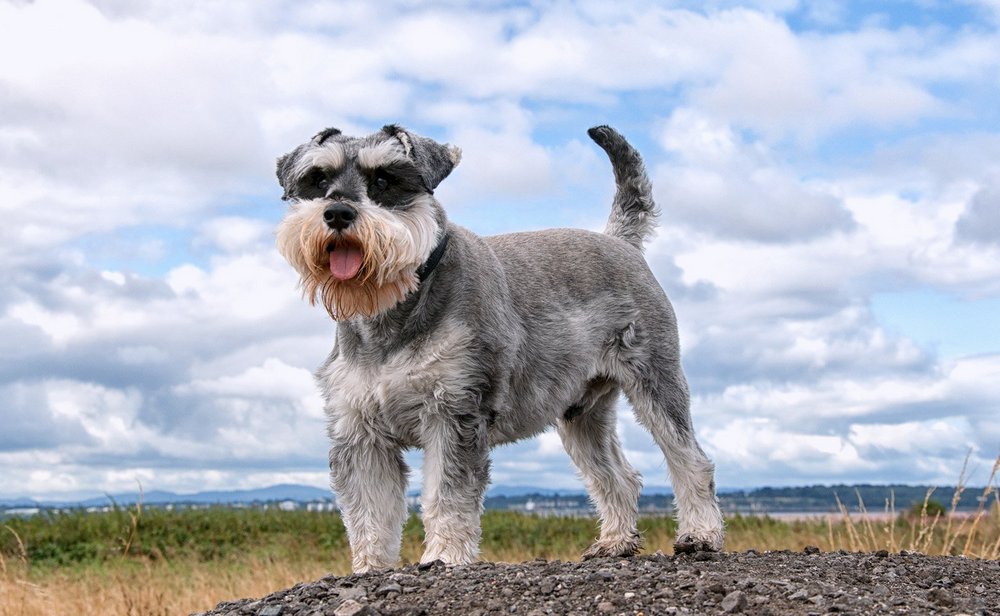
Miniature Schnauzer
Miniature Schnauzer She is described as a caring nanny who enjoys spending time with children. She loves attention and affection and gets sad when her owner is away for long periods. For her well-being, she requires regular, vigorous exercise.
What large dogs are good for a newbie? - Top 5
Large breeds don't do well in cramped city apartments. Therefore, it's better to choose a larger pet for owners of country houses or those living near a forest or spacious park.
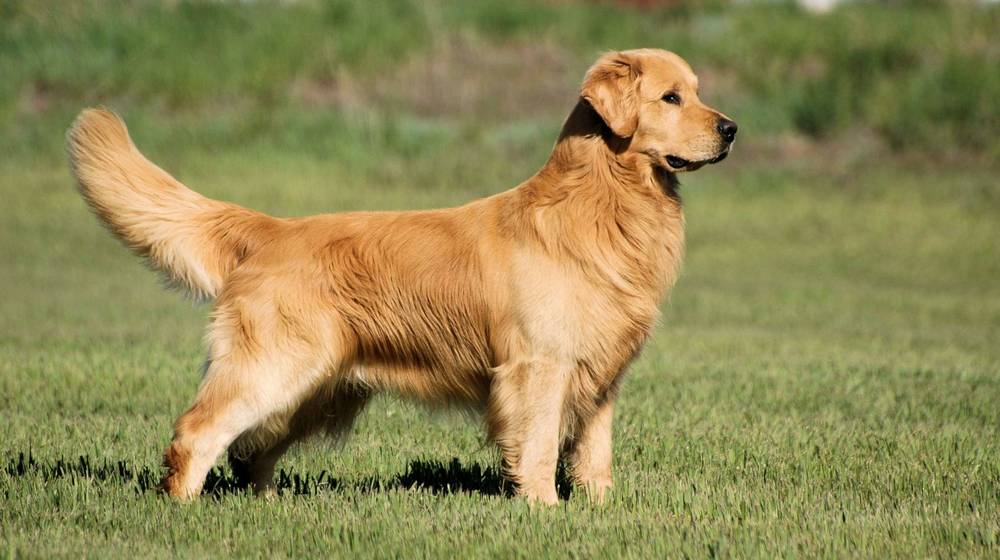
Golden Retriever
One of the few large dogs for whom city life isn't a torture. Its character is unusually friendly and trusting. However, if it's not overly aggressive, it makes an excellent guard dog.
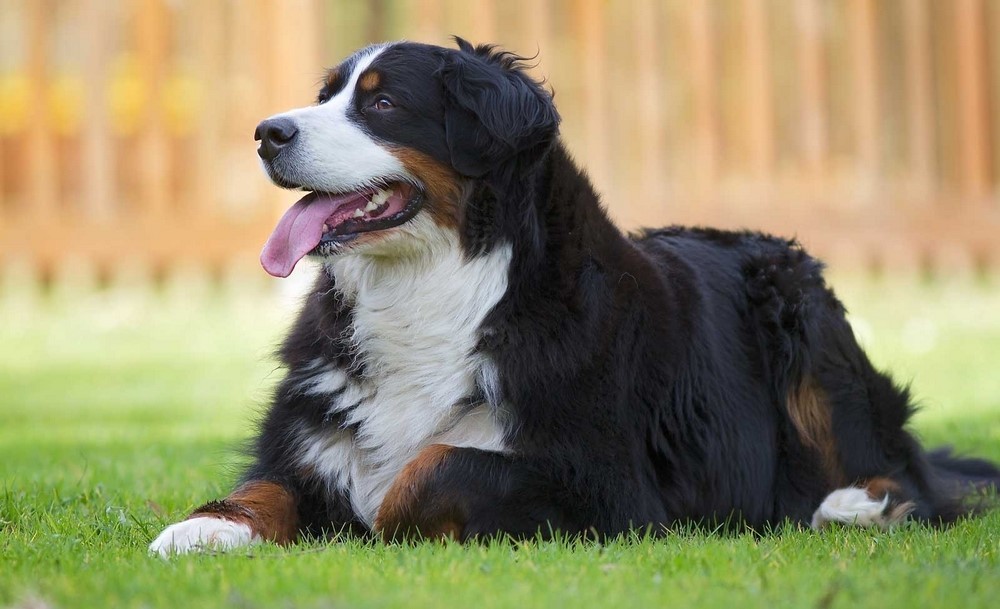
Bernese Mountain Dog
This calm, loyal, and intelligent dog thrives on affection and enjoys companionship and praise. He's a family dog and doesn't tolerate loneliness well. He's friendly with children and enjoys playing.
Labrador
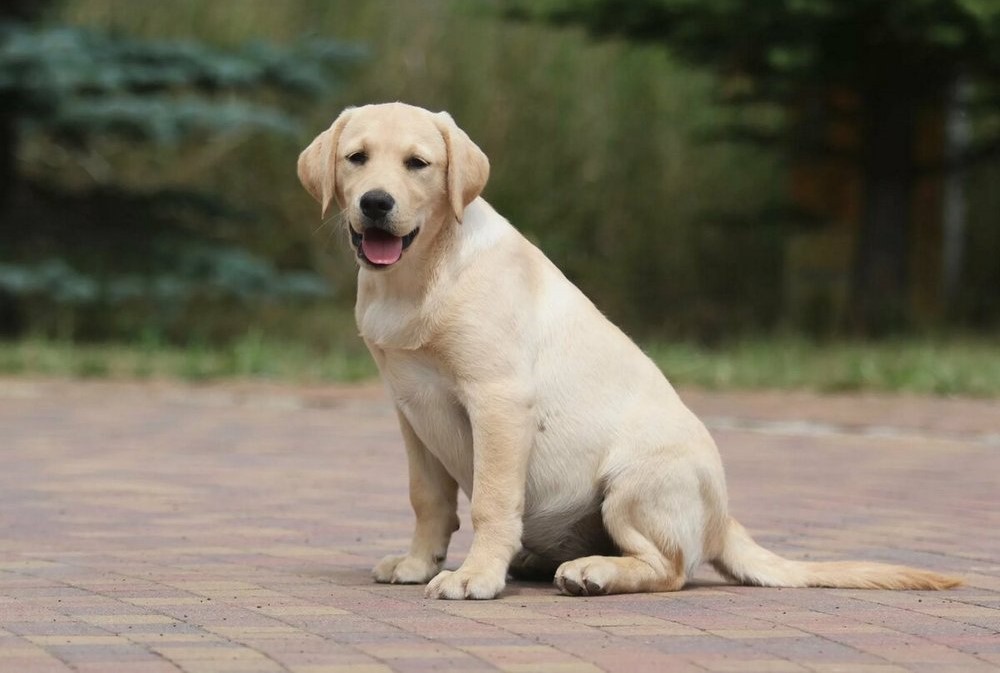
This canine is absolutely not suited for apartment living – he needs space to release his energy. He has a cheerful disposition and adores children and active games on the lawn with the whole family.
Great Dane
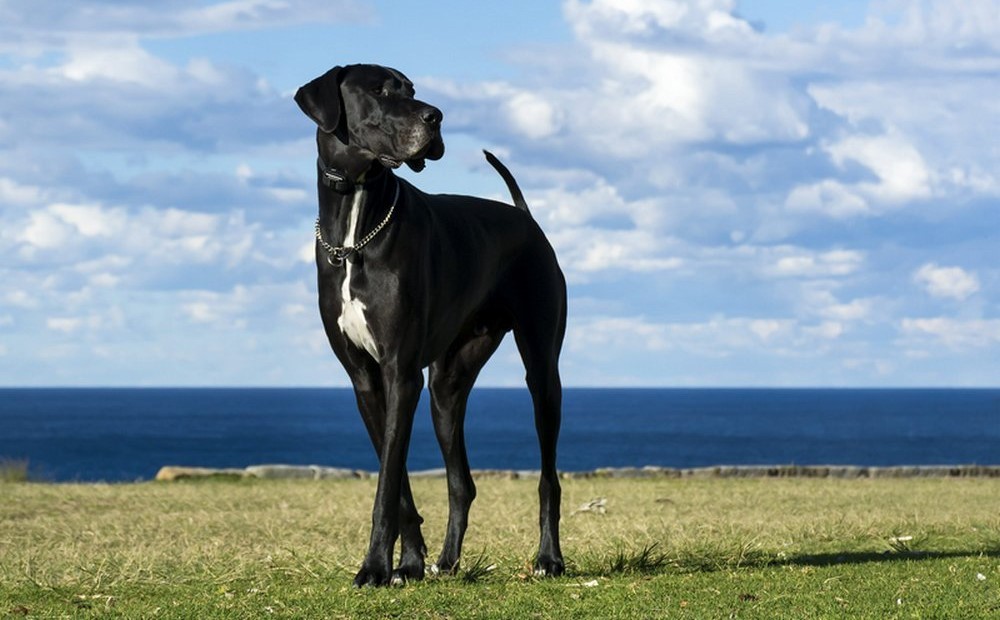
This phlegmatic aristocrat may seem lacking in emotionality. But in reality, the animal develops a genuine attachment to its owner. Apartment living is possible, provided it receives frequent, long walks and ample exercise.
Giant Schnauzer
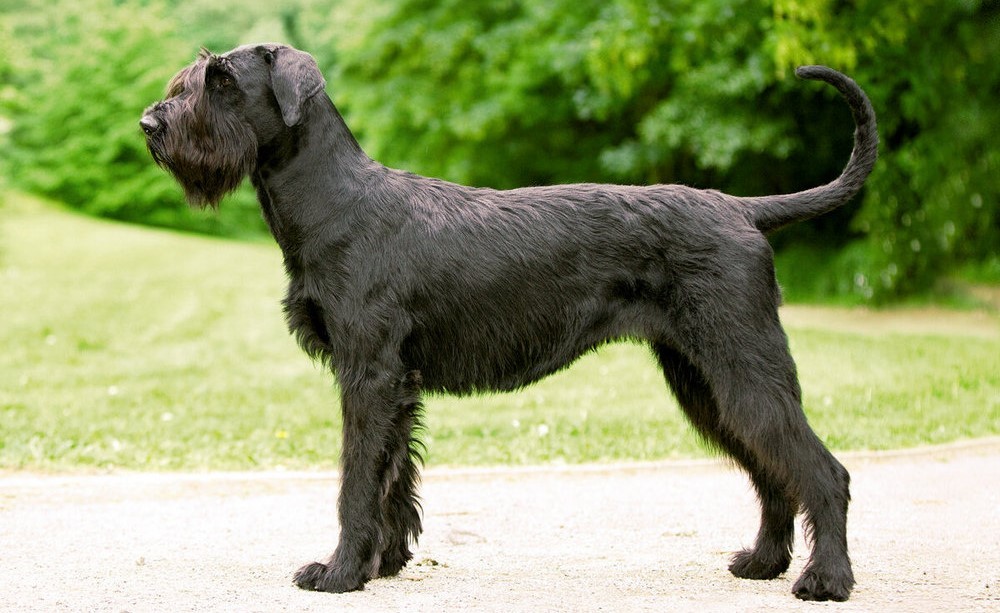
Giant Schnauzer With a hypoallergenic coat, this breed is suitable for large families and gets along well with other pets when properly trained. Despite its calm exterior, it is constantly alert, alerting family members to danger with a bark.
What to look for when choosing
Before acquiring a pet, you need to consider your own options. Key selection criteria include:
- Size. Small dogs thrive in a small apartment. However, larger dogs require a spacious area for walking and a roomy enclosure for housing.
- Temperament. It's best to choose a dog with a peaceful disposition, easy to train, and that won't dominate its owner.
- Adaptation. Specialized breeds developed for guarding, military service, or hunting require specific conditions—regular training, long walks, and active play that requires a lot of energy and time.
- Grooming. Pets with long hair and a tendency toward chronic illnesses require constant, meticulous care, which is unlikely to be provided by an inexperienced person.
- Climate. It's not a good idea to adopt a dog that's poorly adapted to the surrounding conditions. Huskies are susceptible to the hot Krasnodar summer, and hairless Chihuahuas don't tolerate Siberian cold well.
- Finances. Elite animals are expensive. Large sums are spent on grooming and training, and preparation for shows and championships.
To socialization If the process goes smoothly, it's best to adopt a puppy rather than an adult dog. The ideal age is considered to be 2-3 months, when the puppy has already learned basic commands and received its first vaccinations.
A novice dog owner shouldn't buy a dog that requires specialized skills to care for and train. It's better to consider breeds that are affectionate and loyal to people. With proper training, such animals will become loyal companions for their owners and playful friends for their children.
Read also:


Add a comment