
The dog breed from the film "White Bim Black Ear"
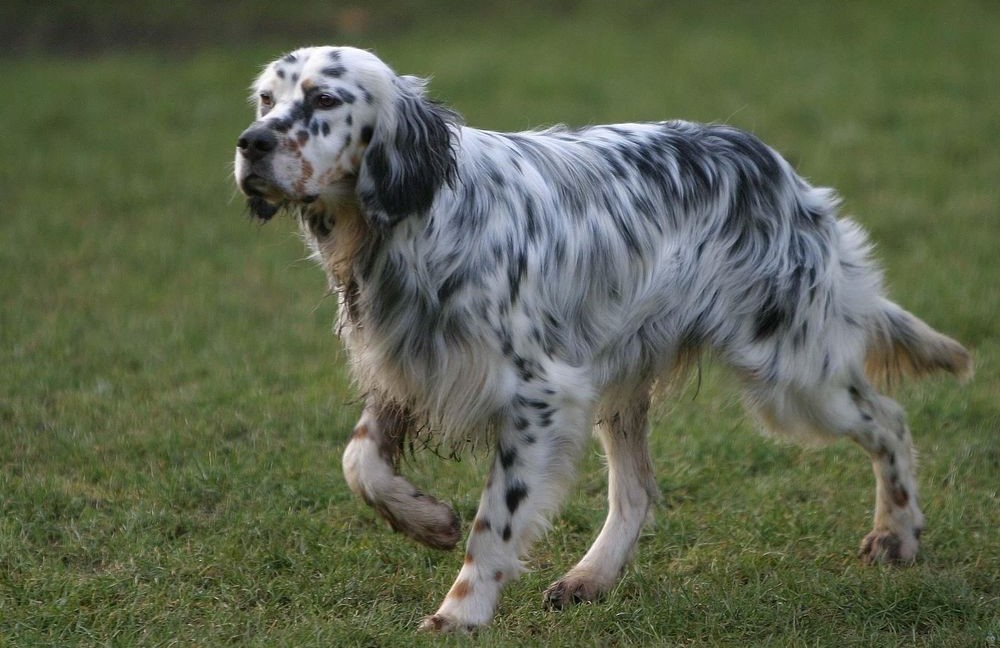
The 1977 film "White Bim Black Ear" featured the incredibly well-coordinated duo of actor Vyacheslav Tikhonov and a dog named Steve. The dog's breed was changed—in the film, he plays an English setter, not a Scottish setter. The reason for the script changes was the difficulty of finding a dog that matched the book's description.
Content
Why did you change the breed?
In 1977, a film adaptation of Troepolsky's story about the tragic fate of a dog separated from its owner was released. When beginning work on the film, director Rostotsky felt it was essential to find a dog of the same breed as in the book. However, reality proved much more complicated.
The story's main character is a Scottish Setter with an unusual coat coloring. The breeder, aware that the dog would negatively affect his reputation, wants to euthanize the puppy with its inappropriate appearance. To adhere to Bim's descriptions, they needed to find a white dog with a large black spot on one ear. However, Scottish Setters were rare among Soviet breeders, and the black coat standards were strictly enforced. Realizing that the search might not yield a positive result, the film crew decided to film an English Setter instead.

The decision was also influenced by the characteristic features of the "English":
- a variety of colors, including white with black spots;
- friendly character;
- good intelligence, which makes the animal easy to train.
A suitable candidate was found after filming had begun. The film's furry hero was Steve, or Stepan in Russian, 4 years old.
What is known about Stepan?
The photograph shows that the dog met all the requirements—a large, purebred white male with black spots on his ears. The handler working with the dog noted that Steve understood commands perfectly and was more familiar with the script than the actors. Stepan's partner was Vyacheslav Tikhonov, who developed a genuine attachment to the dog. To build trust, Vyacheslav Vasilyevich arrived at the set early and walked Stepan, sometimes taking him duck hunting.
Steve was constantly fed treats, and efforts were made to create the most comfortable conditions possible:
- Filming was delayed for a long time due to a lack of imported film stock. To ensure the image looked good on domestic film, bright lamps were required, which irritated the dog's eyes.
- The animal's psyche was spared. For example, in the scene where his owner is taken away by ambulance, Bim runs for a long time after the ambulance, looking sadly after it. This effect was achieved by separating the dog from Tikhonov for several days. After the scene ended, Styopka immediately reunited with his partner and was unharmed.
The film features a terrifying scene. Bim's paw gets stuck on the railroad tracks, and the dog realizes he's about to die. Although every safety precaution was taken, the film crew decided not to risk the main character. Steve was replaced in the scene by his stunt double, an English setter named Dandy.
The sad fate of the artist
The owner showed no interest in Stepan, simply leasing him to the film crew for a year and a half without ever visiting. After filming concluded, the crew's dog handler, who had become very attached to the dog, kept Steve. But it was obvious the dog missed his owner. It was decided to return the animal home.
Unfortunately, this decision led to tragedy. By then, the owner had married and renovated his apartment. The large dog was simply a nuisance. Soon, the actor's furry companion ended up in a kennel, and an ad for him appeared. No buyers were interested in the adult setter, so he soon found himself alone, unwilling to interact with the staff, feeling betrayed and abandoned, and refusing to eat. One morning, a cleaner found Stepan dead in his cage. The film crew's handler had just gone to visit a friend but was late.
Modern Bim
In the 1980s, Bim's story touched the hearts of millions of viewers worldwide—the film was even nominated for an Oscar in the foreign language film category. Perhaps to counteract this sad story, NTV announced a comedy series in 2022 starring Denis Nikiforov and a Landseer dog. Like the hero of the Soviet film, the dog's name is Bim.
The Setter and Landseer breeds are not related, but the photos show that the Bim dogs from the TV series and the film have similar coloring. The animals' faces and bodies are white, and their ears are almost entirely black. However, the storylines differ significantly: the modern Bim serves with his master, answers to the nickname "major," and successfully fights crime in Crimea.

Styopka's story ended tragically. The writer and director painted a tragic picture that echoed in the fate of a remarkable artist and a devoted dog. And for over 40 years, the film has inspired people to be more considerate of their pets and to remember the suffering a pet experiences when separated from its owner.
Basic information about setters
English Setters are a large-sized breed. The breed was originally developed for hunting steppe and marsh game.
Representatives of the breed are distinguished by well-developed muscles and strong bones. The withers are clearly defined, and the chest is deep. According to the standard, the limbs should be dry, strong, and parallel to each other.
Acceptable colors:
-
black with speckles;
-
orange with speckles;
-
lemon with speckles;
-
brown with speckles;
-
tricolor.
English Setters have a soft, long, and slightly wavy coat. Feathering hair is present on the ears, tail, back of the legs, belly, and chest.
Story
The history of the English Setter begins in Medieval Europe. The breed's ancestors are considered to be spaniels, which already in the 14th and 15th centuries lived alongside humans and were actively used for hunting birds.
The name "setter" comes from the English word "set" and refers to the dog's ability to freeze in a characteristic pose, indicating the location of game to the hunter. This stance suggested that the dog would literally "lie down," indicating the bird's hiding place.
In the second half of the 19th century, the breed experienced rapid development. Edward Laverack and R. Purcell Llewellyn made significant contributions to its development, breeding English Setters with a focus on both working qualities and elegant appearance.
Description
English Setters are distinguished by their elegance and refinement of appearance.
The coat is long and slightly wavy, and several color variations are acceptable. The body is proportionate, the chest is deep, and the back is strong, indicating endurance and physical strength. The head is long and narrow, the dark eyes radiate friendliness, and the low-set ears with long hair give the muzzle an expressive look.
The White Bim breed, the setter, is rightfully considered one of the most graceful among hunting dogs.
Character
The character of the Setter, the breed featured in the film "White Bim Black Ear," captivates dog lovers. These dogs are known for their cheerfulness, curiosity, and high activity levels, making them excellent companions for those with active lifestyles.
Setters are very energetic and require regular exercise. Walks should be long—it's recommended to walk your dog 2-3 times a day for at least an hour.
They enjoy participating in family outings, enjoying trips to the river, lake, forest, or picnics. Setters are also excellent swimmers.
These dogs adapt easily to various living conditions, are calm at home, get along well with other animals, and appreciate human attention. The breed is highly intelligent and trainable.
Read also:


Add a comment