
Pomeranian is a dog breed
PomeranianThe Miniature Spitz (from the German Zwergspitz) is a miniature dog breed that attracts attention with its incredibly cute, doll-like appearance and playful, lively nature. If you dream of owning this adorable, furry little fox, we suggest learning more about the specifics of caring for and raising Pomeranians, as well as how and where to buy a healthy Pomeranian puppy in Russia.
Content
Breed characteristics
- original title – Pomeranian Spitz;
- origin - Germany;
- weight – from 1.4 to 3.2 kg (not limited by standard);
- height – from 18 to 22 cm;
- life expectancy – from 12 to 16 years old;
- character - inquisitive, sociable, can be stubborn and wayward;
- appointment - companion.
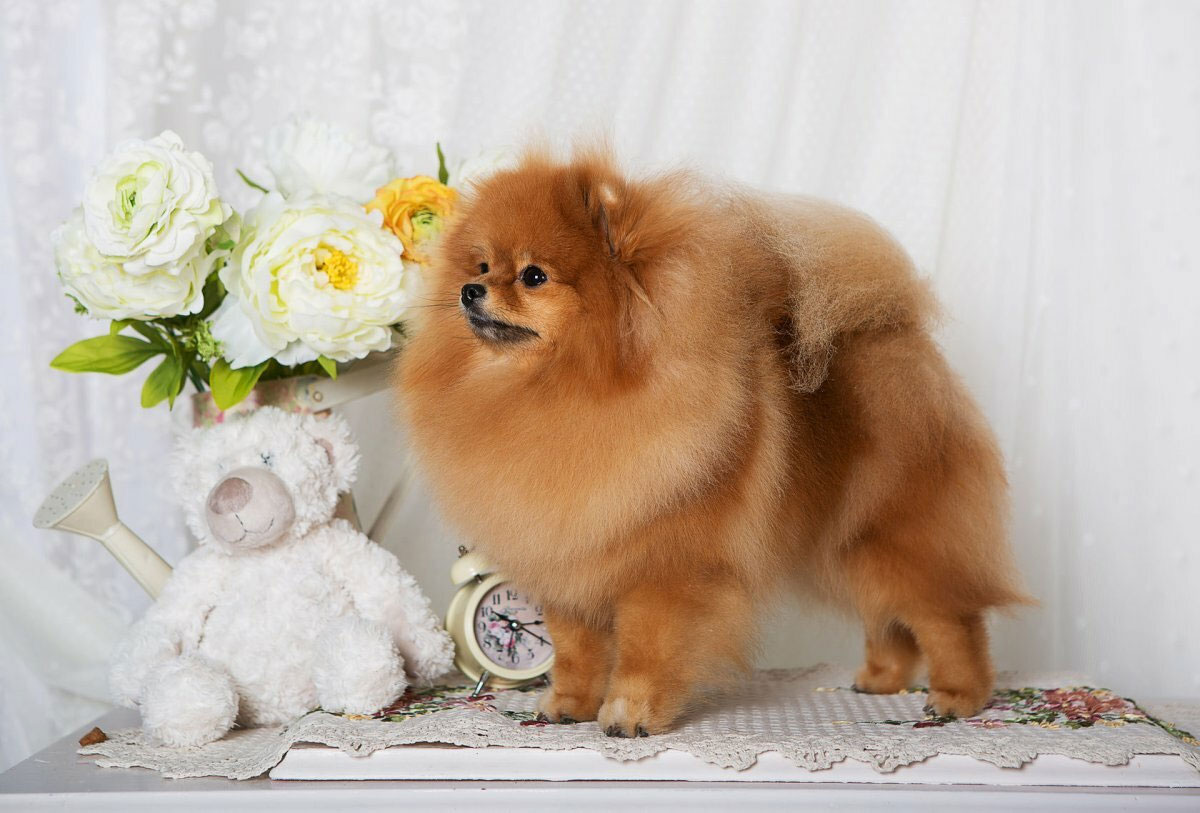
By analyzing reviews from Pomeranian breeders and owners, we compiled a table that comprehensively characterizes representatives of this breed:
|
Short |
Average |
Above average |
High |
|
molting health cost of maintenance attitude towards loneliness |
intelligence activity aggressiveness difficulty of care trainability security qualities |
noise in the house friendliness |
— |


History of origin
The Pomeranian Spitz breed is believed to have originated in Germany (or more precisely, its region called Pomerania), but the history of these cute little dogs goes back to the Middle Ages, when people in the territory of modern Europe bred the so-called Torfhund (Peat dogs).
It's hard to believe, but the ancestors of miniature Pomeranians weren't pets at all, but guard dogs and working sled dogs (like many breeds that are still harnessed to sleds in northern Russia today). Naturally, "peat dogs" were significantly larger, stronger, and more resilient. It's worth noting that they are the ancestors of a whole line of breeds classified by the FCI as "Spitz and Primitive Type Breeds." Here are just a few representatives of this group:
|
No. |
Breed |
Height |
Weight |
|
1 |
Pomeranian |
18 – 22 cm |
1.4 – 3.2 kg |
|
2 |
25 – 30 cm |
4 – 5 kg |
|
|
3 |
26 – 30 cm |
5 – 6 kg |
|
|
4 |
Eskimo Spitz |
22.9 – 48.3 cm |
2.7 – 15.9 kg |
|
5 |
30 – 38 cm |
7 – 12 kg |
|
|
6 |
39 – 50 cm |
7 – 13 kg |
|
|
7 |
Grossspitz |
46 – 50 cm |
17 – 22 kg |
|
8 |
Eurasian Spitz |
48 – 60 cm |
18 – 32 kg |
|
9 |
40 – 52 cm |
18 – 28 kg |
|
|
10 |
53 – 57 cm |
20 – 28 kg |
Even in the Middle Ages, Spitzhunds, a breed primarily bred in Germany, were particularly popular among noblewomen. Historical sources indicate that these dogs could weigh up to 15 kg, but miniature specimens were especially prized, so breeders sought to make the breed more compact, selecting the smallest specimens for their offspring.
English breeders played a key role in shaping the Miniature Spitz as we know it today. After Queen Victoria acquired a magnificent Spitz named Marco, the breed gained incredible popularity, and many British breeders began breeding it. At the end of the 19th century, a separate breeding club was even established in England, consisting exclusively of noblewomen who bred this breed, often focusing on producing dogs of a specific color.
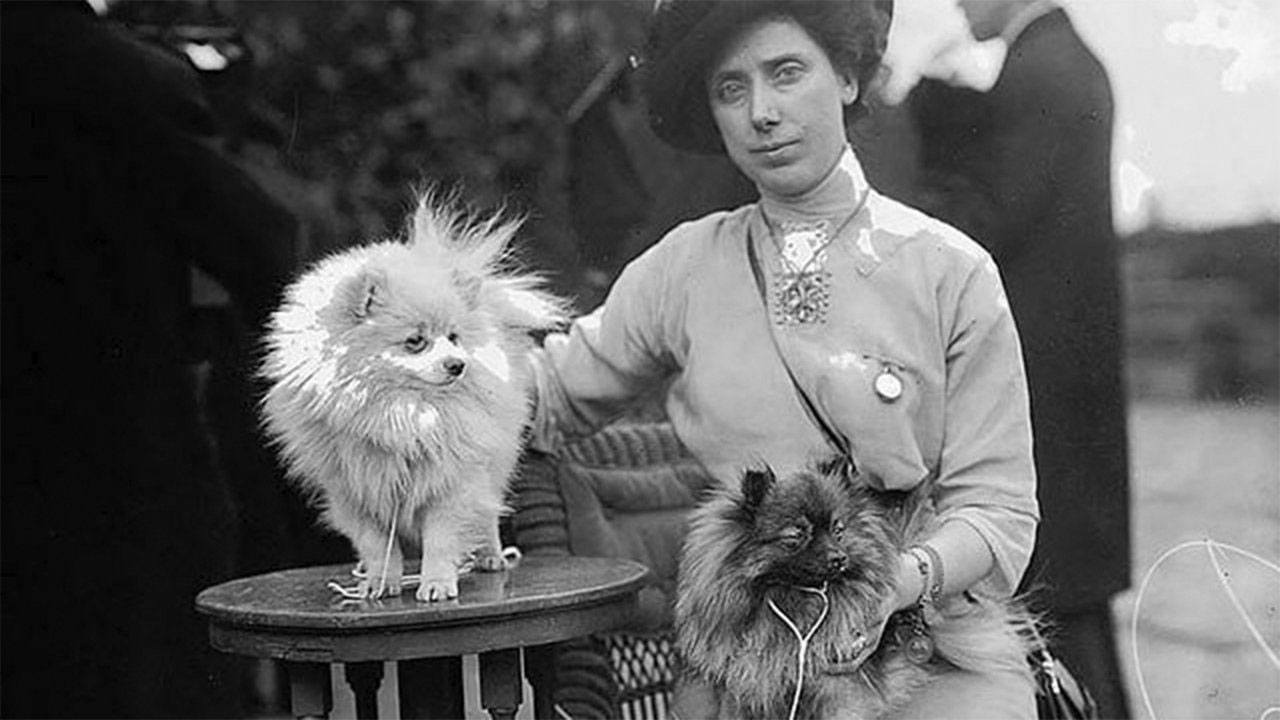
Since 1892, the Miniature Spitz has been conquering the United States, where the breed was long unrecognized by the AKC. After the breed was officially recognized in the early 20th century, American breeders made a significant contribution to the development of miniature, well-furred dogs and were also the first to coin the term "Pomeranian."
Interesting fact! Efforts to make the breed even smaller have been abandoned, as the smallest specimens are unsuitable for breeding.
The subject of selective work by breeders remains the exterior of dogs.
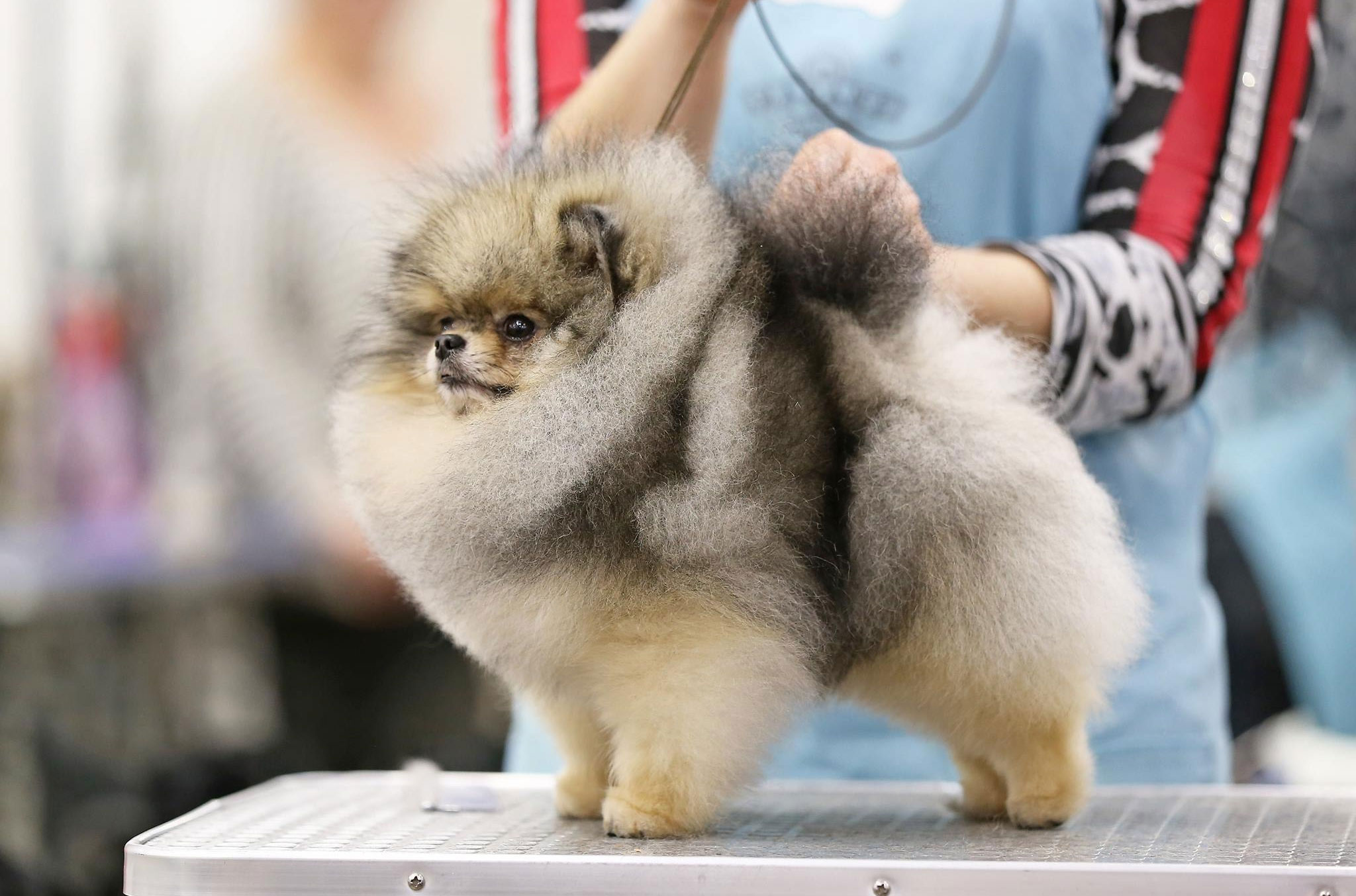
Breed standards
Officially, in the FCI standard, the breed is called "German Spitz".
Important! There is no weight limit for dogs, but dogs weighing approximately 2 kg are selected for show careers.
The FCI standard sets the following requirements for the exterior of an adult Pomeranian:
|
Size |
miniature |
|
Physique |
proportional |
|
Ratio of length to height at withers |
1:1 |
|
Muzzle to skull ratio |
1:2 |
|
Head |
small, wide |
|
Scull |
with a wide back, tapering towards the nose |
|
Muzzle |
narrow, with a clear stop |
|
Nose |
small, always black |
|
Eyes |
small, almond-shaped |
|
Ears |
small, erect, with a pointed tip, set close together |
|
Neck |
medium length, widening towards the shoulders, slightly arched, without dewlap |
|
Frame |
wide, short |
|
Back |
short, straight, strong |
|
Breast |
well developed, covered in long hair in the front part, forming a voluminous frill |
|
Cereals |
wide, short, sloping |
|
Paws |
small but muscular |
|
Tail |
medium length, set high, curled into a ring, well-furred |
|
Wool |
on the muzzle it is short and soft along the body, long, straight, without waves and curls, |
|
Undercoat |
very thick and dense |
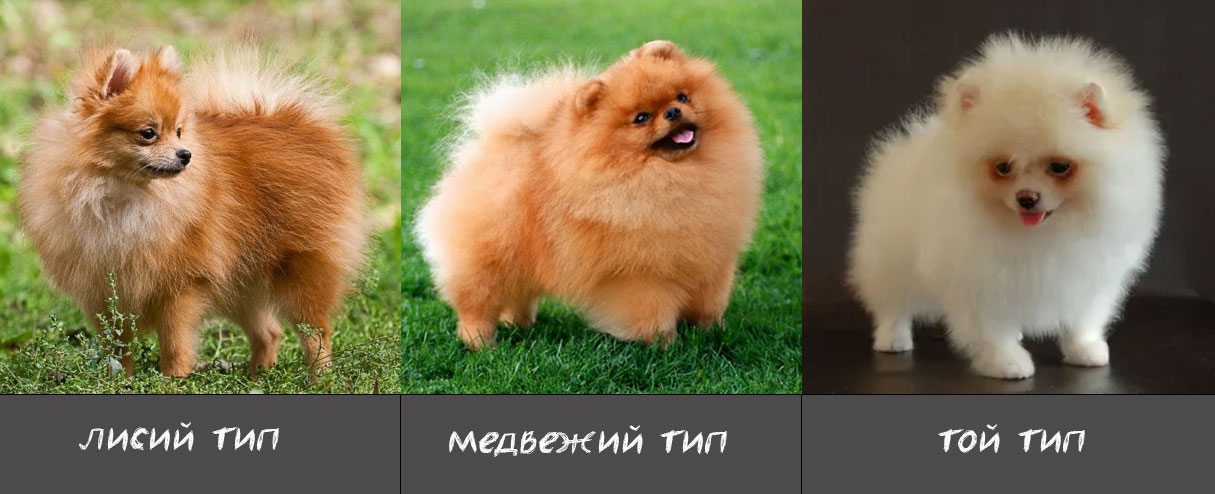
Depending on the constitutional features, representatives of the breed are divided into three types:
- dogs "fox type» (classic) have an elongated narrow muzzle and thin, graceful paws;
- Pomeranian Spitzbearish type» have a more powerful head and a short, wide muzzle, as well as strong paws;
- toy spitz or "that type"It looks like a teddy bear, but is more miniature, with a very short muzzle and high-set eyes.
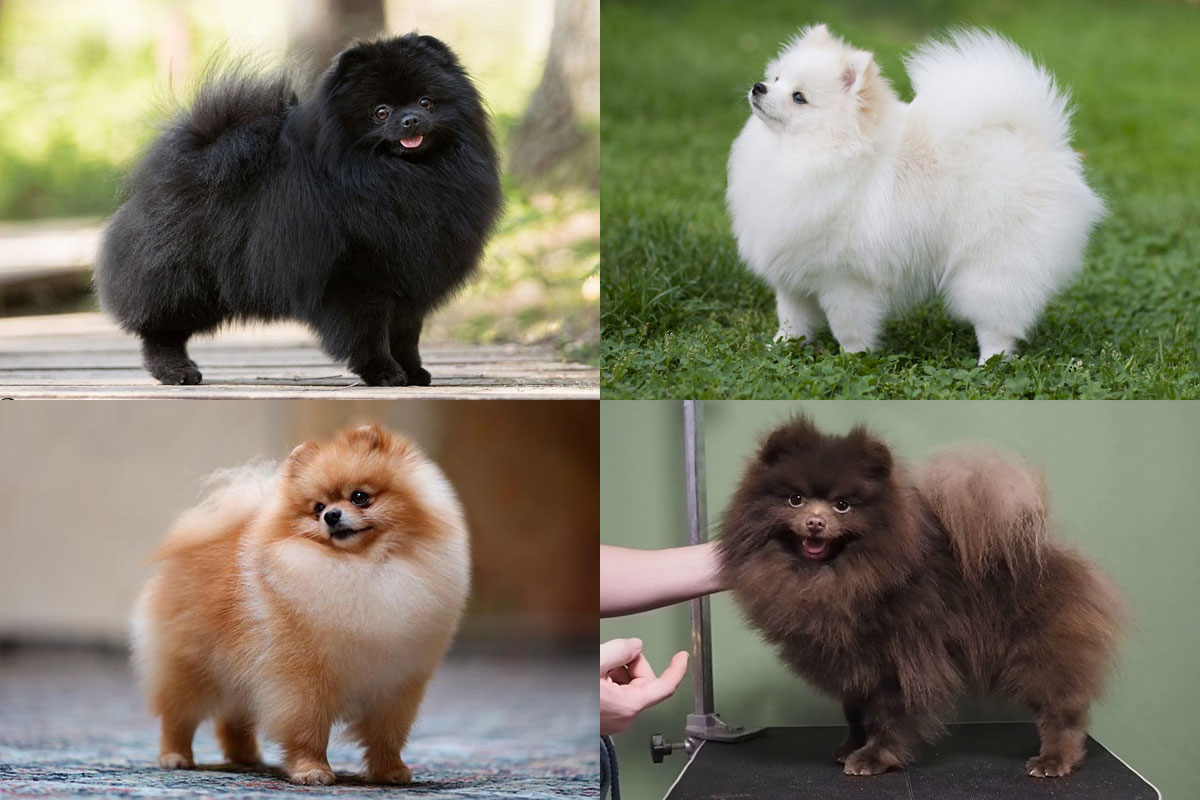
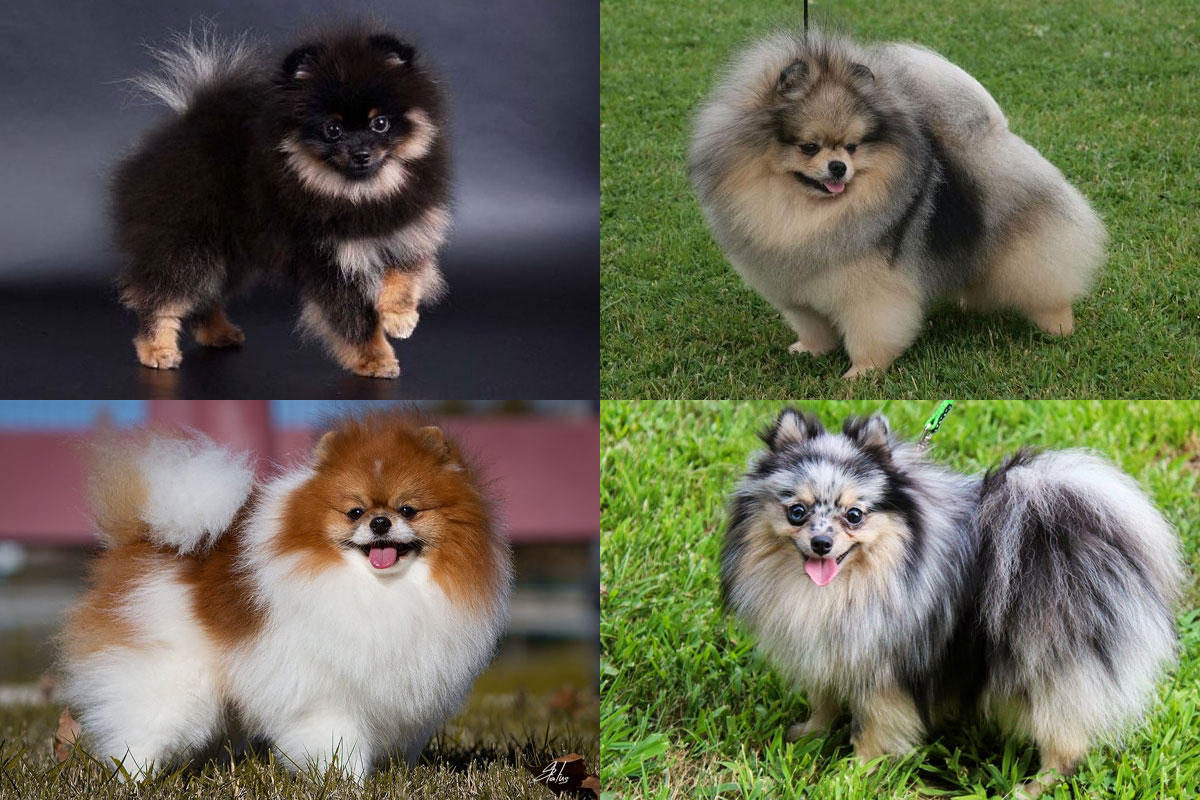
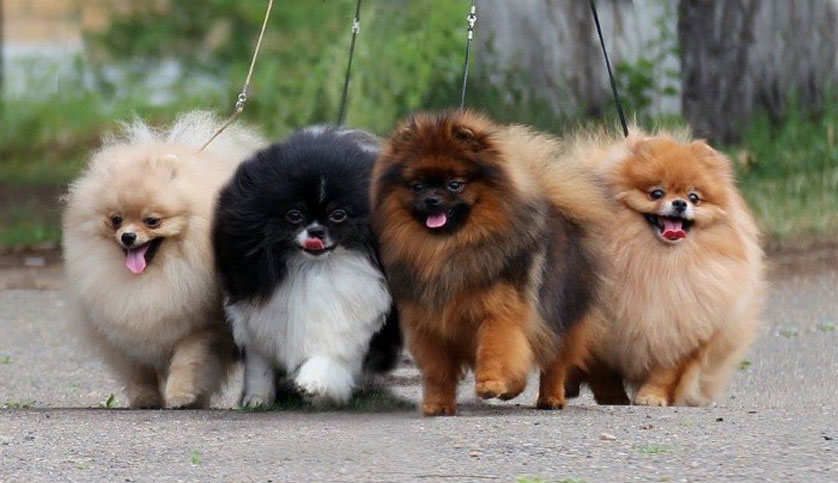
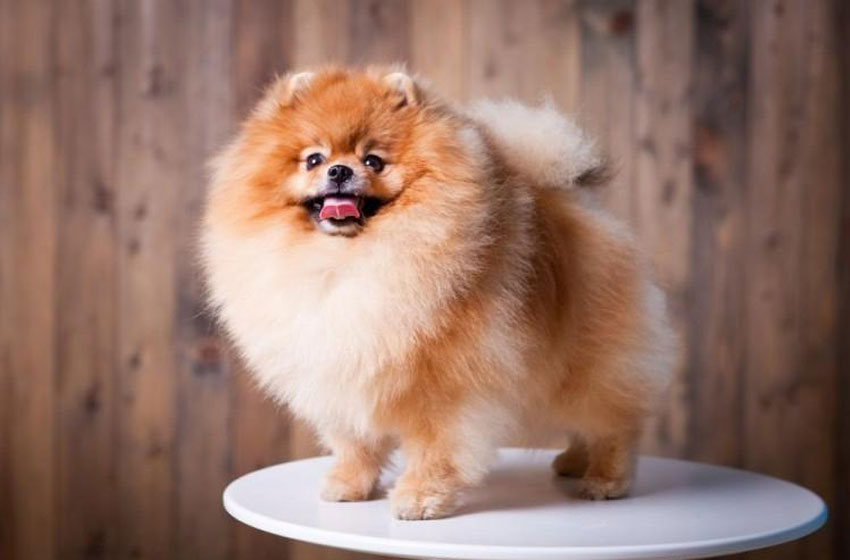
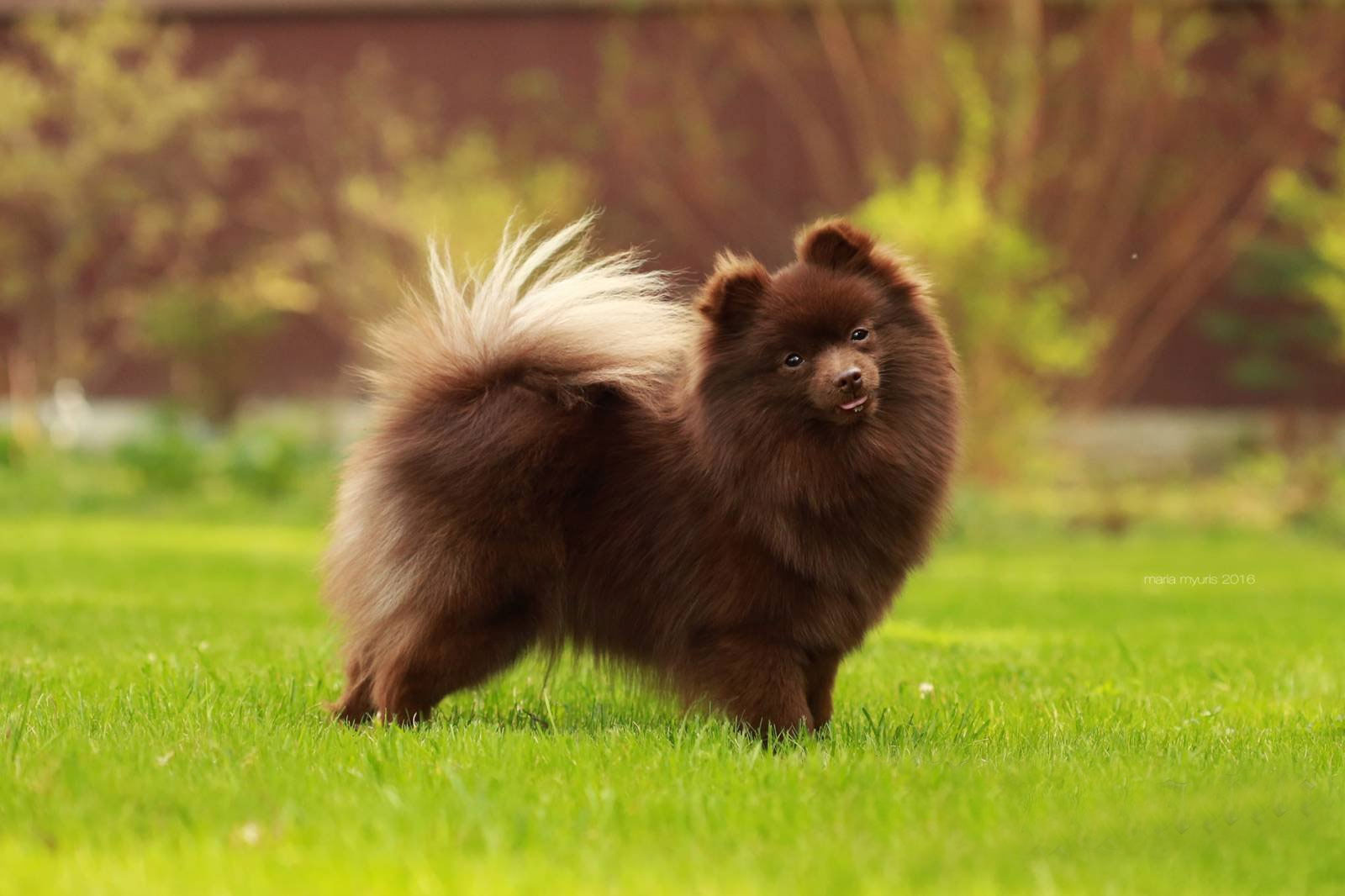
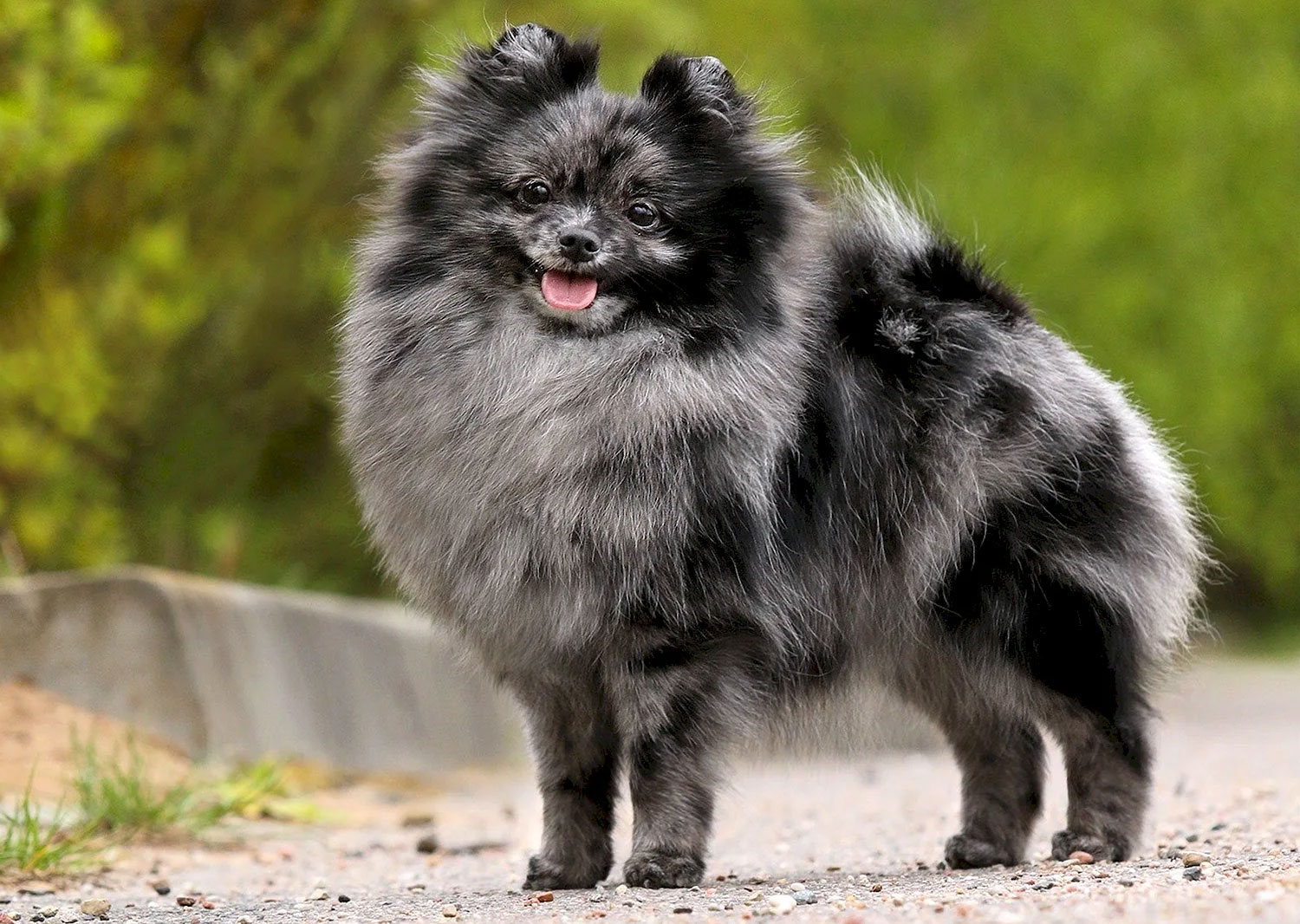
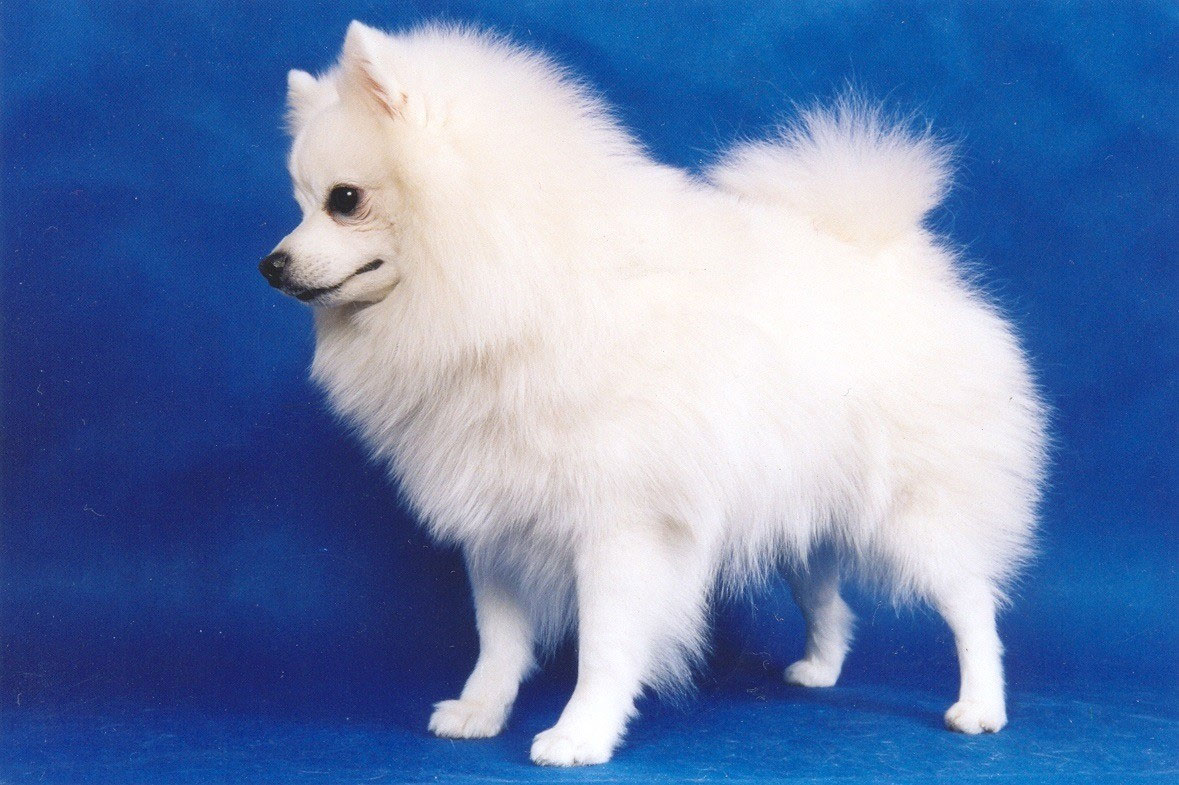
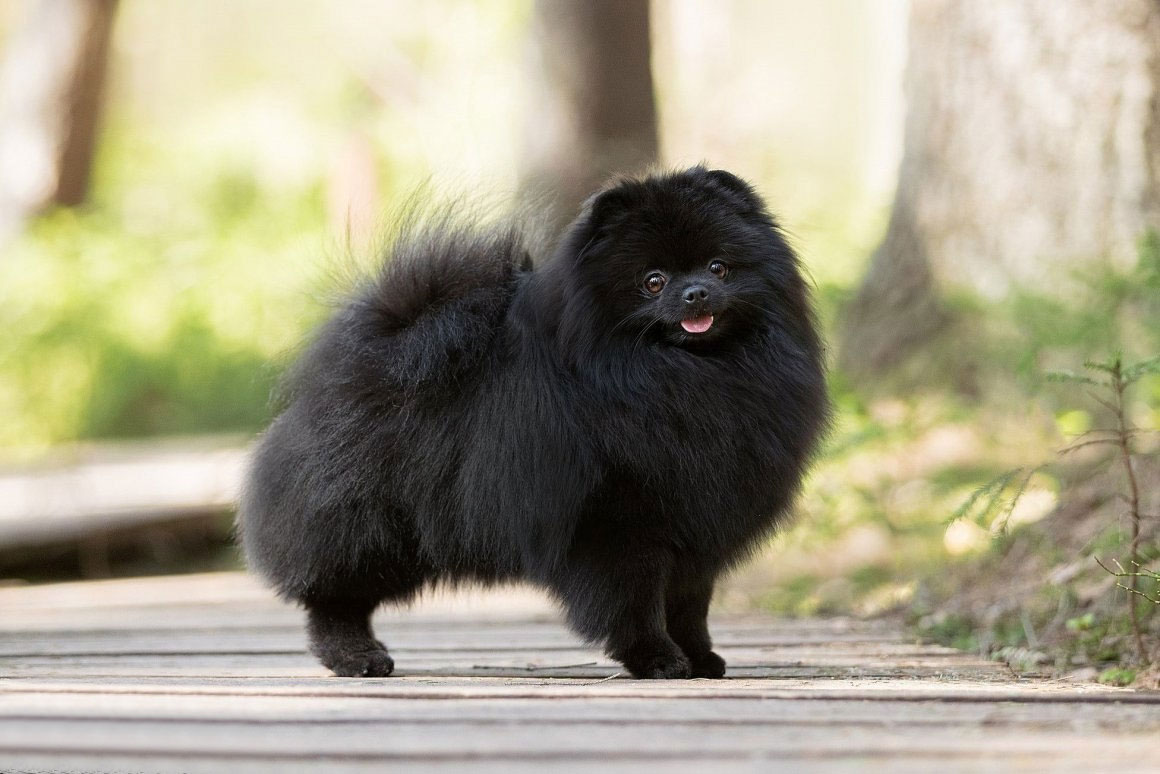
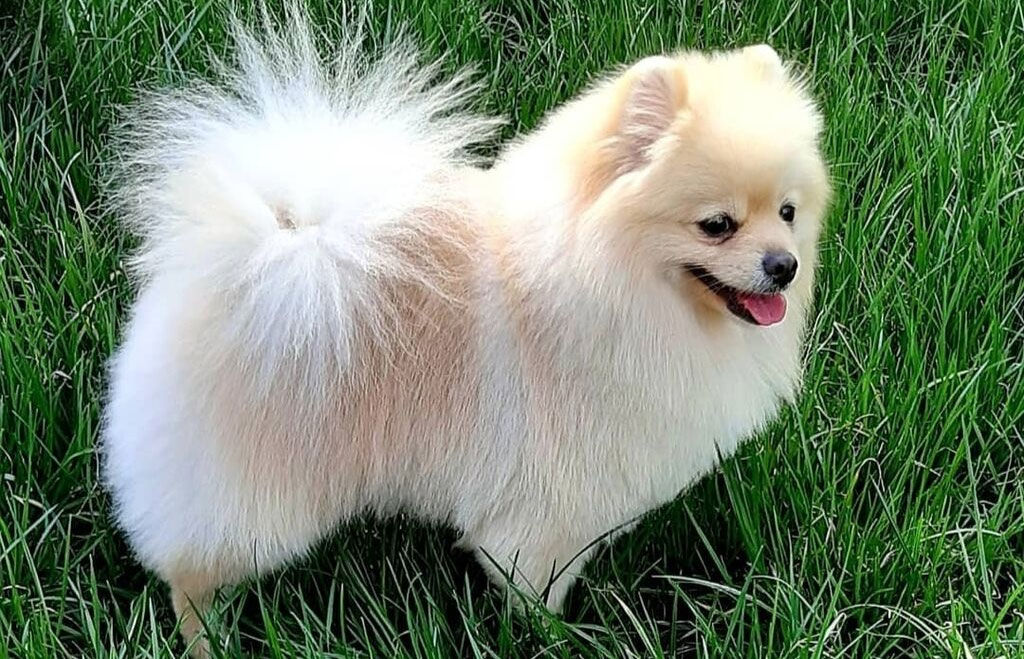
Pomeranian coat colors come in a wide variety. The standard lists 10 variations:
- white;
- black;
- black and tan;
- blue;
- blue and tan;
- sable;
- cream;
- orange;
- chocolate;
- two-color.
For spotted coats, the background color is always white. It's also important that the spots are evenly distributed across the dog's body. The range of spotted patterns is incredibly diverse, from wolf-like to marle.
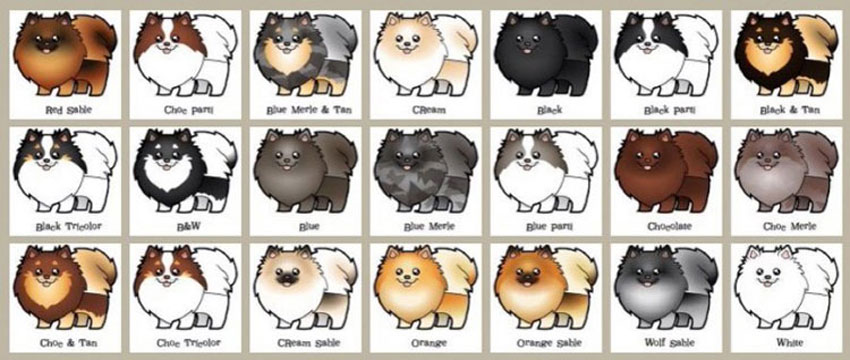
See the photo to see what an adult Pomeranian might look like in various color variations.
Character
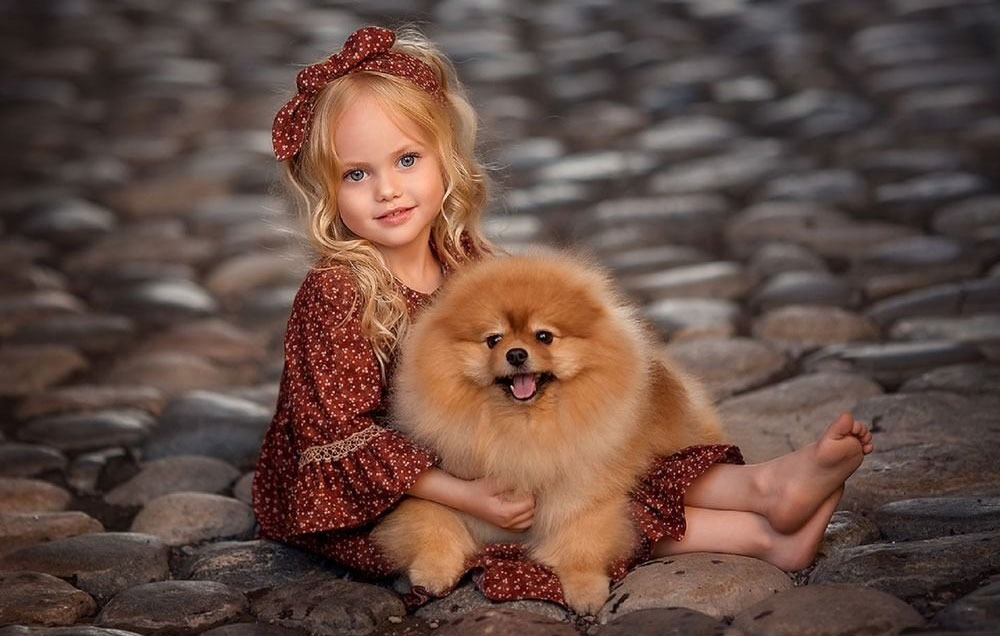
A distinctive character trait of Pomeranians is their good nature and friendly disposition. They often express their joy with a playful bark. Pomeranians are considered excellent companions not only for young and active people, but also for older people. Pomeranians are very fond of small children. However, when playing with a child, care must be taken to ensure that the child does not harm the furry creature.
Spitz dogs are also characterized by a strong yet sensitive psyche. For example, a Pomeranian always clearly understands its owner's mood. When training a Pomeranian, it requires patience, firmness, and, of course, affection, rather than harshness or sternness. These fluffy little bundles of joy are also very brave, quick-witted, and intelligent. They are eager and eager to train, quickly learning tricks and commands. Sometimes they even come up with their own tricks to get a treat. If you have a Pomeranian in your home, no one who comes to visit will remain indifferent to this beautiful creature.
If you raise such a pet correctly, its character will be distinguished by the following traits:
- loyalty;
- selfless love for the owner;
- vigilance;
- unpretentiousness;
- easy adaptation to change.
Pomeranians are considered one-woman dogs. However, they prefer to be with their family. These little dogs are so smart and intelligent that they easily learn many commands by 5-6 months. They love active games and walks. In the summer, they'll happily swim in the water, and in the winter, they'll roll around in the snow. A Pomeranian won't miss a chance to run through thick grass.
The cheerful disposition of dogs of this breed persists throughout their long lifespan (approximately 12-15 years). It's also important to note that these small dogs get along well with other animals (except perhaps larger breeds). They travel well and enjoy being carried in a bag or under an arm. It's worth noting that Spitz dogs can get motion sickness in cars or other vehicles. Therefore, it's best to feed them at least four hours before a trip.
Diet and nutrition
First of all, the diet of these dogs should be balanced. It is believed that the diet of dogs of this breed must include should include the following products:
- offal (can be given after 7 months);
- fish (preferably boiled and boneless);
- various cereals (for example, rice, buckwheat and oatmeal) no more than 10% of all food;
- vegetables (fruits, fresh carrots);
- cottage cheese, kefir and other fermented milk products;
- lean meats (beef, chicken and turkey).
Fats can be added to dogs' diets in the form of small amounts of butter or vegetable oil (preferably unrefined). Eggs, which are easily digested by Pomeranians, can also be added to the dog's diet in moderation. Pomeranians, on the other hand, are strictly forbidden. No feeding allowed the following products:
- sweet and flour products;
- spicy and fried foods;
- fatty meats (lamb or pork);
- rabbit or poultry bones;
- Sausages; spicy products.
If you prefer to feed your dog prepared food, then, of course, in this case it is worth using high-quality holistic foods or at least super premium foods.
Care
A Pomeranian's coat should be thoroughly brushed with a massage brush to prevent tangles. It's best to brush it when it's damp (you can use a spray bottle to moisten it), as brushing a dry coat can cause split ends. Bathing is recommended no more than once a month or whenever the coat becomes very dirty.
For washing, choose a special shampoo for long-haired dogs. Dry the coat with a hair dryer and a special comb. It's also best to cover your pet's ears with small pieces of cotton wool during bathing, removing them afterward.
A luxurious coat is the pride of the Pomeranian Spitz, but to ensure the dog looks neat and the owner does not have problems with tangles, regular visits to the groomer are recommended. haircut.
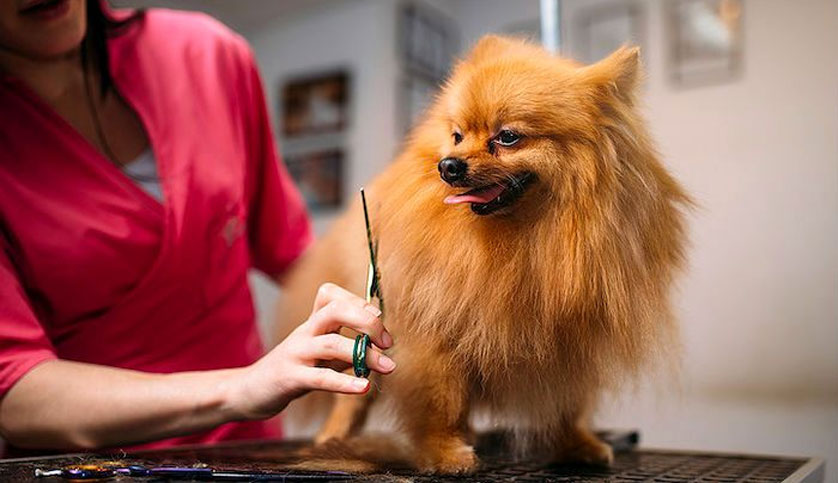
Depending on the owner's wishes, the dog's age, and the animal's potential for participation in shows, the following grooming options are possible:
- hygienic (recommended until the puppy has completely shed its fur and has developed into its adult coat);
- exhibition (involves only minor trimming in order to create a more aesthetically pleasing exterior);
- model (After such a haircut, the Spitz can look like a cute teddy bear or even a lion cub).
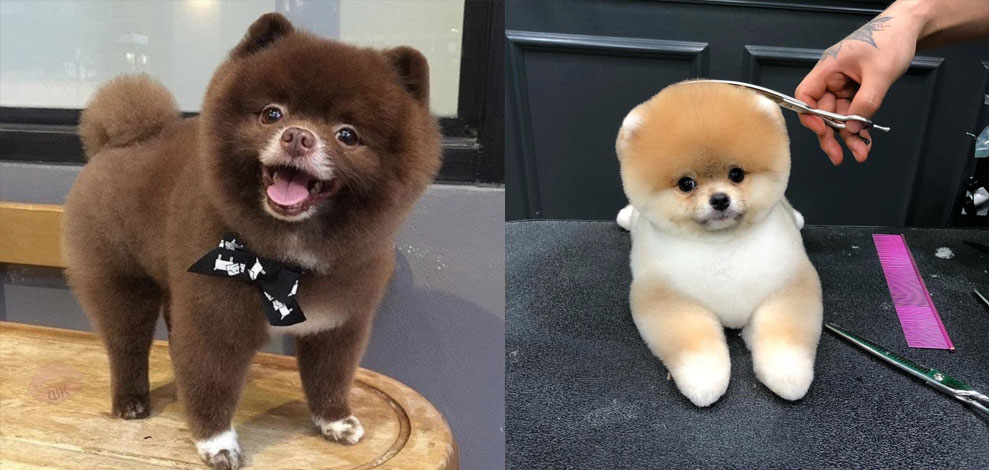
Ultra-short haircuts for Pomeranians are not recommended, as the dog, which has a thick undercoat, will feel very uncomfortable, and the quality of the coat may be significantly damaged after such a procedure, and it will take years to restore its appearance.
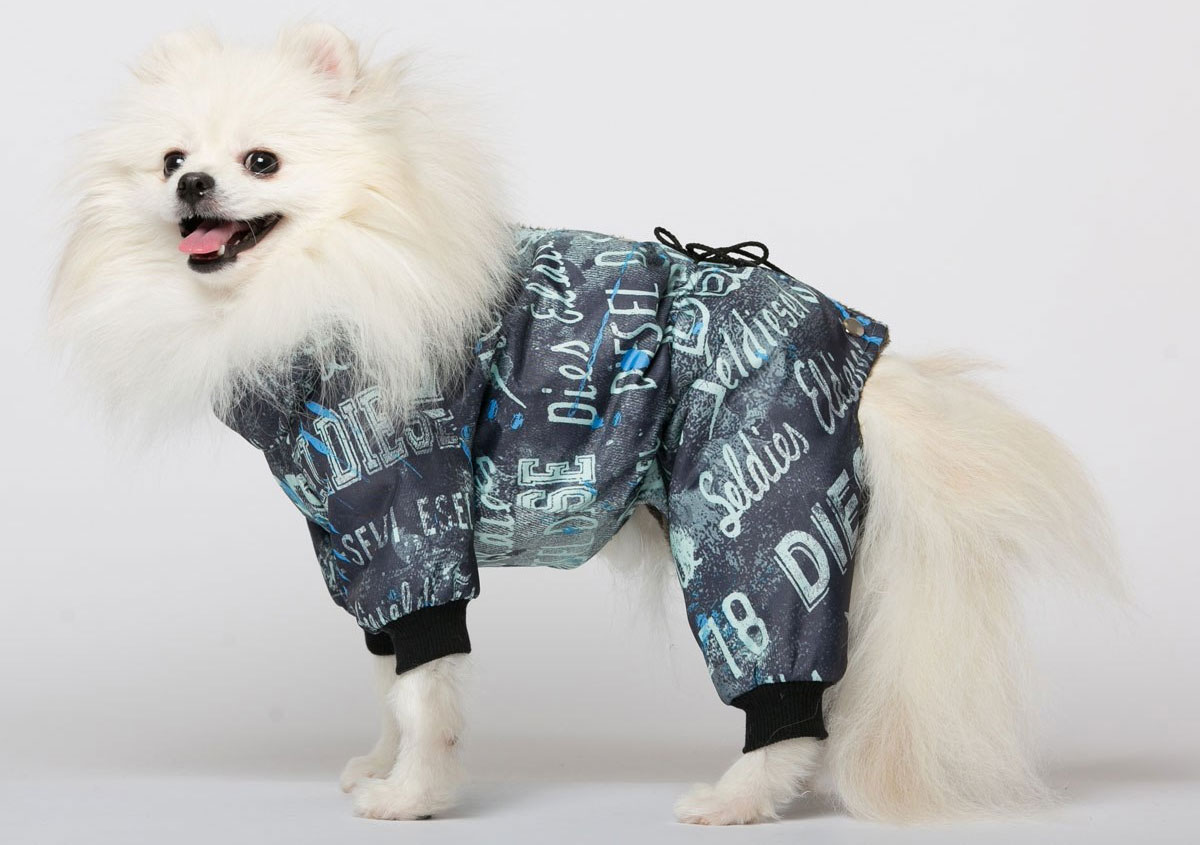
A Spitz that frequently spends time outdoors will need overalls. While their thick coat provides reliable protection from the cold, it's also very difficult to clean sand and dirt from their thick coat after a walk, and bathing a Pomeranian more than once a month is highly discouraged.
Education and training
The Pomeranian may look like a stuffed animal (especially the miniature version), but it's important to remember that this tiny body conceals the free-spirited spirit of its ancestors. Cynologists warn that this breed isn't for beginners, as training a Pomeranian isn't for everyone.
Important! Don't treat a dog of this breed as a fashionable decoration for your home. If you don't train and educate your dog, you could encounter a whole host of unpleasant situations.
What is important to know about Spitz?
- Spitz love to dominate, therefore, the hierarchy in the house should be established from the first days of the puppy’s stay in the family.
- Spitz are stubborn, which means that during training you will have to find an approach to your pet.
- Spitz are grumpy, so don't expect a puppy that hasn't been properly trained and socialized to be tolerant of other dogs.
Regardless of whether you're getting a girl or a boy, or whether your puppy will be shown at shows in the future, training is essential to ensure comfortable living with your dog.
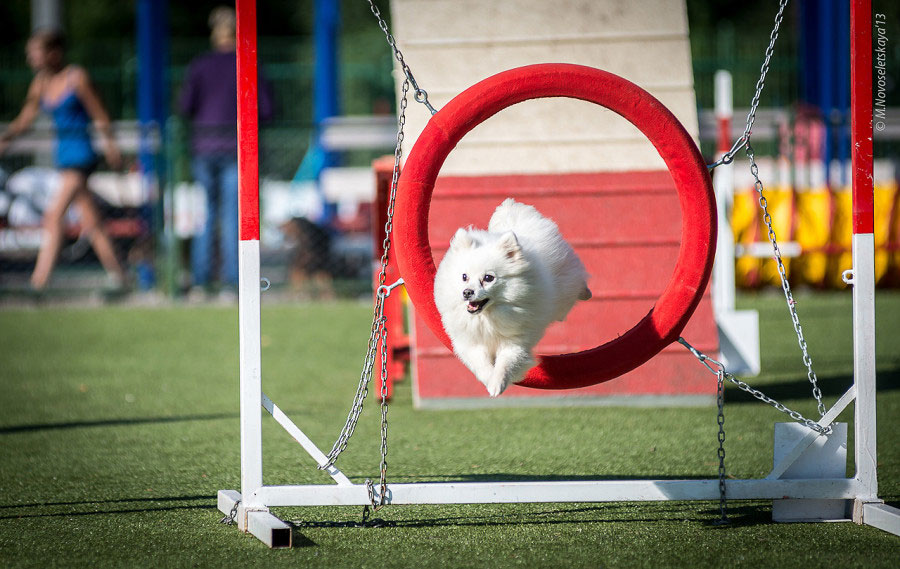
It's worth noting that Spitz dogs excel in a variety of sports. These active and agile little dogs especially enjoy agility.
Health and life expectancy
As a result of artificial selection, which breeders have resorted to over the past 100 years in order to reduce the dog's size, cases of genetically transmitted diseases are common among Pomeranians.
The most common are:
- epilepsy (may appear after 2 years);
- hip dysplasia (may not be externally evident due to decompensation occurring due to the animal’s low weight);
- dysfunction of the thyroid and adrenal glands (impairs the quality of the coat);
- intrauterine developmental defects, including heart defects;
- disruption of the formation of the skull bones (in miniature dogs, the fontanelle may remain open and the sutures between the skull bones may be palpable);
- dental problems (usually in dwarf dogs);
- disruption of the formation of the tear ducts (the animal's eyes are constantly watery).
To ensure your Pomeranian brings you joy for a long time and only requires veterinary visits for routine vaccinations, purchase a puppy only from reputable breeders or a breeding kennel.
Choosing a Pomeranian Puppy
Pomeranian babies look incredibly cute, and when you pick up such a fluffy bundle of joy, it's hard to think clearly. However, it's still worth making your choice thoughtfully, understanding that the animal will be your companion for the next 15 years.
The cost of a puppy is determined by a number of factors:
- availability of documents (the main parameter if you really want a purebred puppy);
- exterior type (read above about the differences), the most expensive are considered to be mini-babies of the “toy type”;
- exhibition prospects (if you don’t plan to participate in exhibitions, you can take a “pet” class baby, its price will be an order of magnitude cheaper than a “show” one);
- breeding value (if a puppy, whether male or female, is not initially suitable for breeding, it can be purchased cheaper, but with the condition of mandatory sterilization);
- state of health (Puppies with certain illnesses can lead normal lives and bring joy to their owners, so responsible breeders may offer these dogs at a low price, while honestly warning future owners about the problem.)
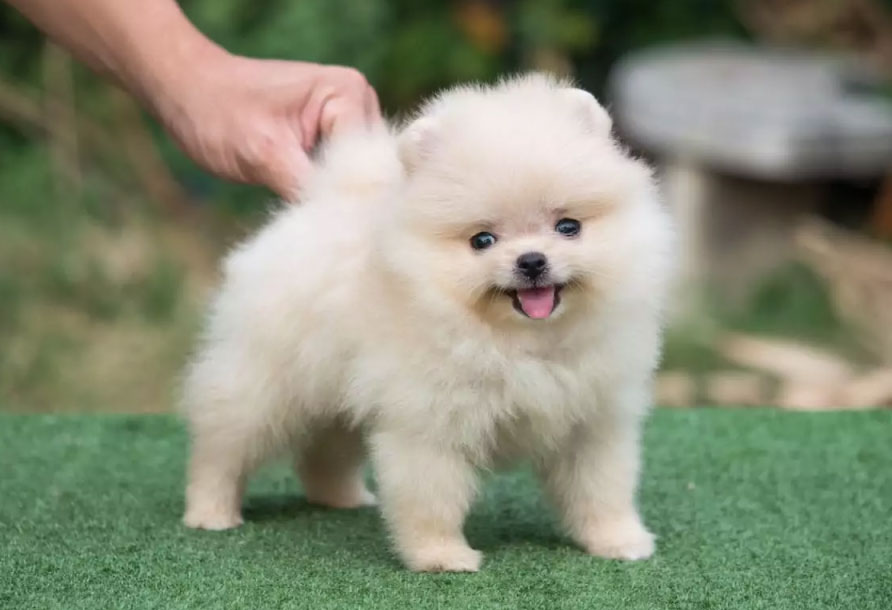
A personal meeting with the breeder and inspection of the dog before closing is a mandatory requirement when purchasing a puppy. Typically, buyers are invited to meet the breeder and offered several puppies to choose from, so they can choose the pet that best suits their temperament.
Price
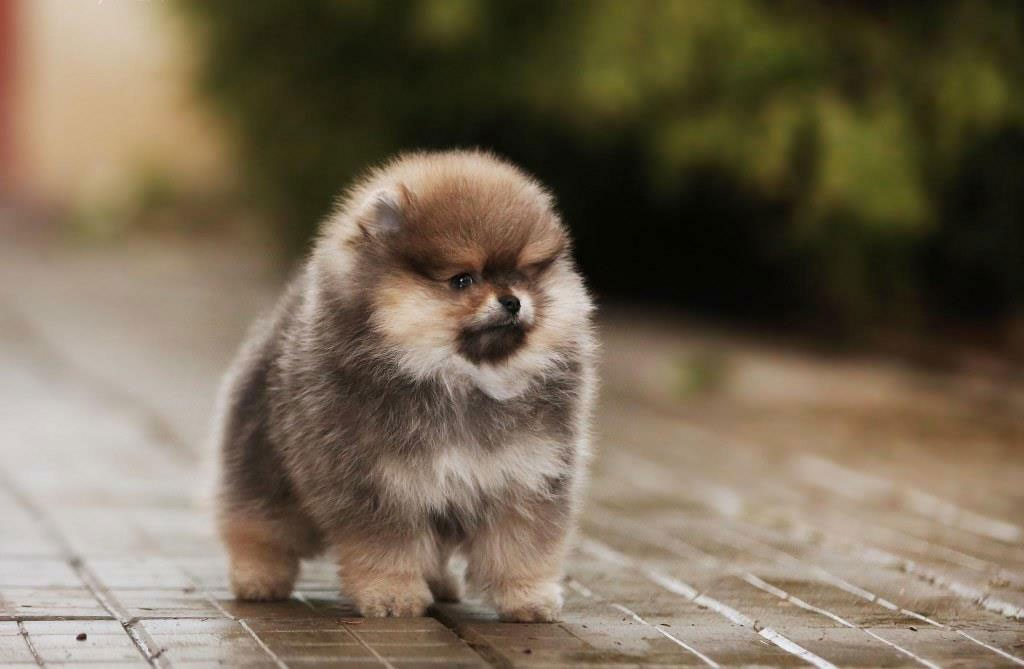
The Pomeranian is a popular and quite expensive breed. A healthy, fully-qualified puppy costs between 34,000 and 68,000 rubles, and top-quality puppies from champion parents can fetch even more.
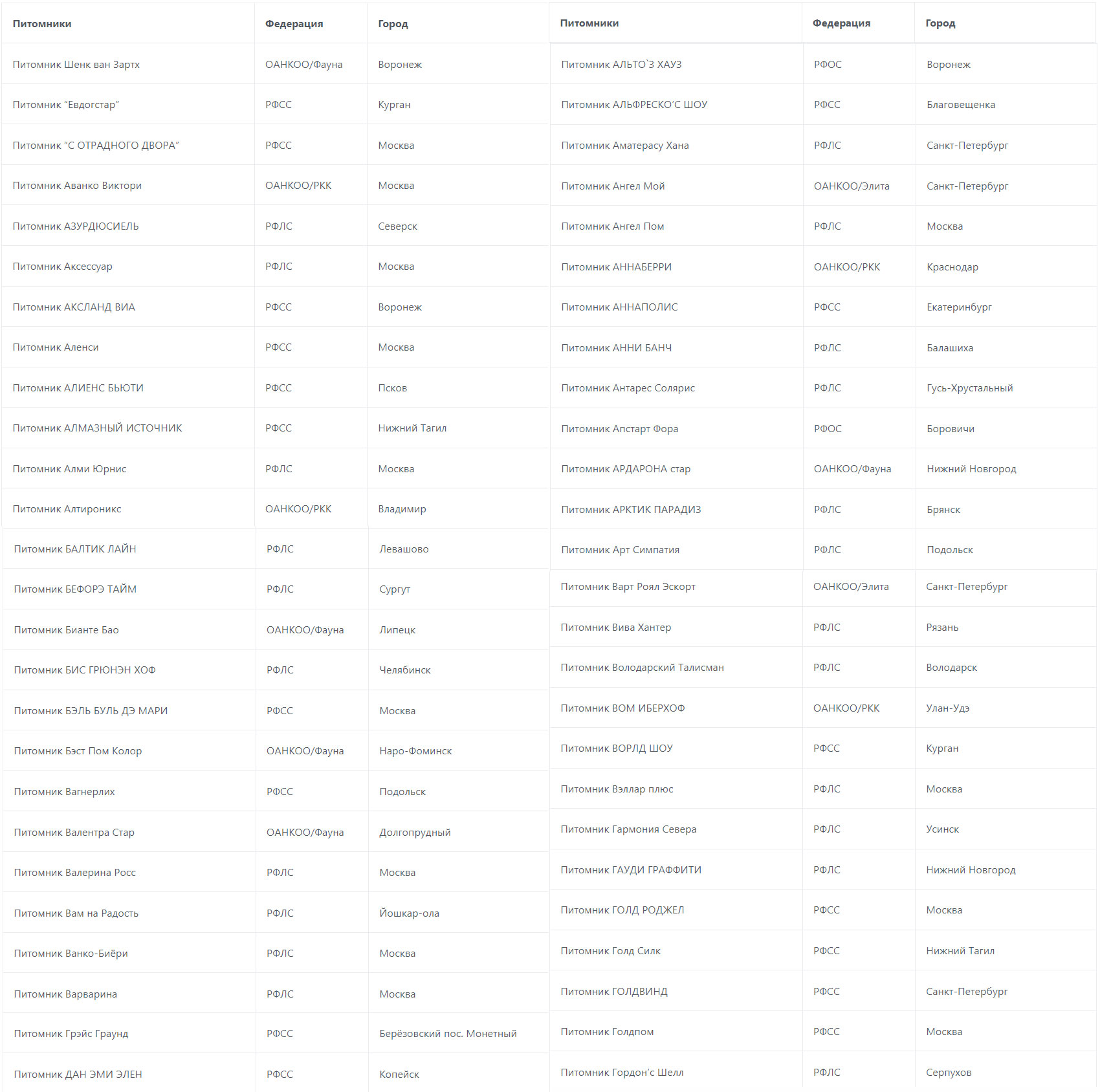
Pomeranian nurseries
Today, you can buy a Pomeranian puppy in almost any region of Russia, as kennels are located not only in metropolitan cities like Moscow and St. Petersburg, but also in other regions of the country.
We recommend searching the Internet for contacts of a nursery located near you.
Pomeranian Pictures
Video about the breed
Also watch a video about the Pomeranian breed.
Read also:
- The cost of a Pomeranian
- Mittelspitz (medium-sized Spitz, German Spitz)
- Norrbotten Spitz (Norbottenpets, Norrbotten Husky)


Add a comment