
Polish Greyhound (Polish Chart)
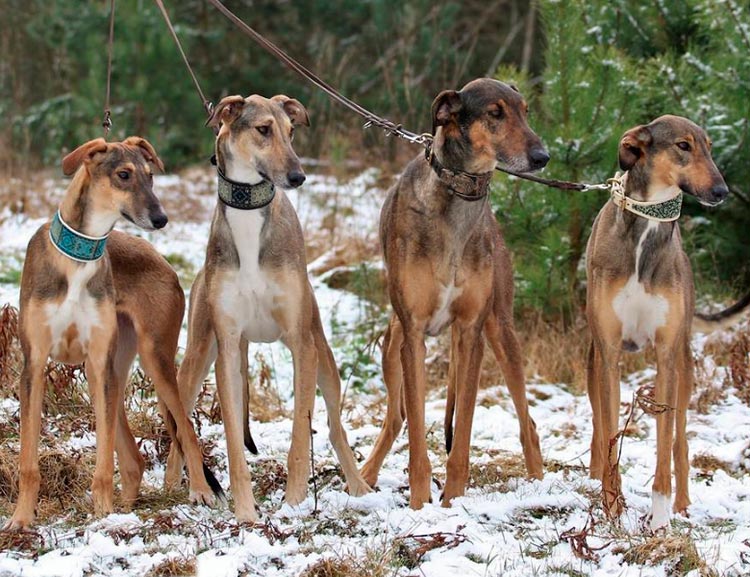
The Polish Greyhound is a large, short-haired hunting dog with a very ancient origin, but was almost completely lost and revived in the second half of the 20th century. Also known as the Chart Polskie (Polish Chart), this confident and independent greyhound has quick reflexes and a strong pursuit instinct. Today, it is rarely used for its intended purpose, but is more often used as a companion dog, for shows, and for sport.
Content
History of origin
The first mentions of greyhounds in Poland date back to the 13th century. These dogs were probably descendants of Saluki, which arrived in Europe from the Middle East. Further descriptions of the Polish Charts confirm their existence as a breed, but do not allow any conclusions regarding breeding. By the beginning of the 20th century, a small number of Charts were still found in Poland and Ukraine. After World War II, the breed was considered extinct. In 1971, cynologists noticed that the Hortaya encountered in the Soviet Union closely resembled their Chart, described in the Polish journal Sylwan in 1825. Several were purchased at that time. greyhounds on which further breeding work was based.
Breeders don't deny the close kinship between Polish greyhounds and other breeds. They used many dogs imported from the USSR to replenish their stock and, with remarkable persistence, achieved recognition for their dogs in less than 20 years. In 1989, the breed was added to the Fédération Cynologique Internationale (FCI) registry.
Usage
Polish greyhounds have been used for bustard hunting since ancient times. They would go out with the dog in the morning, when the birds were still wet with dew. They would get as close as possible and let the greyhound loose. Wet bustards couldn't take off quickly, giving them a chance to catch them. Charts were also used to hunt hares, foxes, and wolves.
Today, few Polish greyhounds hunt, but many are capable of showing good results in coursing competitionsThey have proven themselves well as family dogs and companions for active people.
Appearance
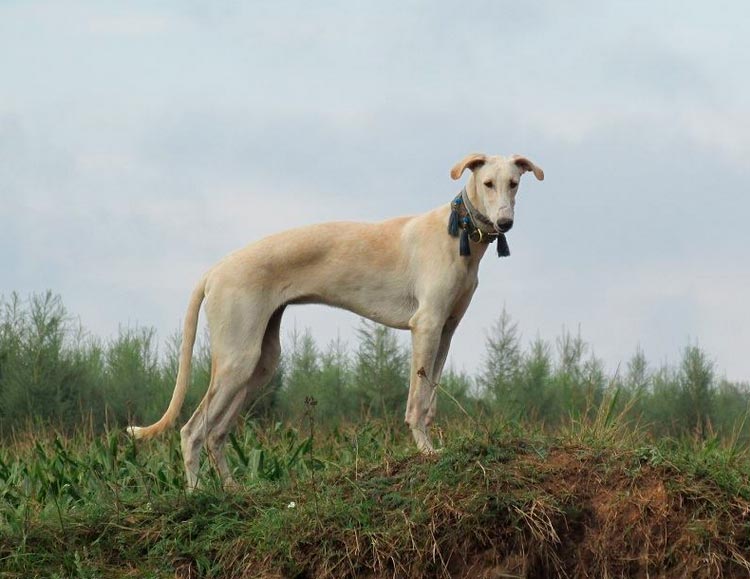
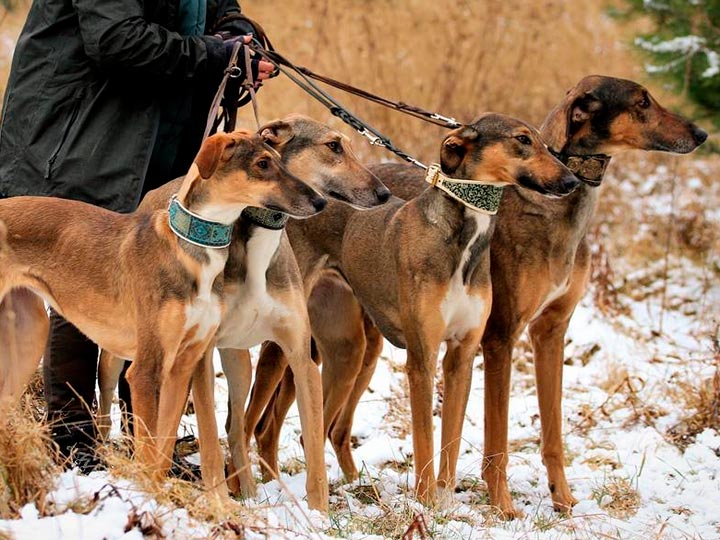
The Polish Greyhound is a large, muscular, and powerful dog with strong bones and a compact body. Sexual dimorphism is pronounced.
- Height at withers: 60-80 cm;
- Weight: 22-35 kg.
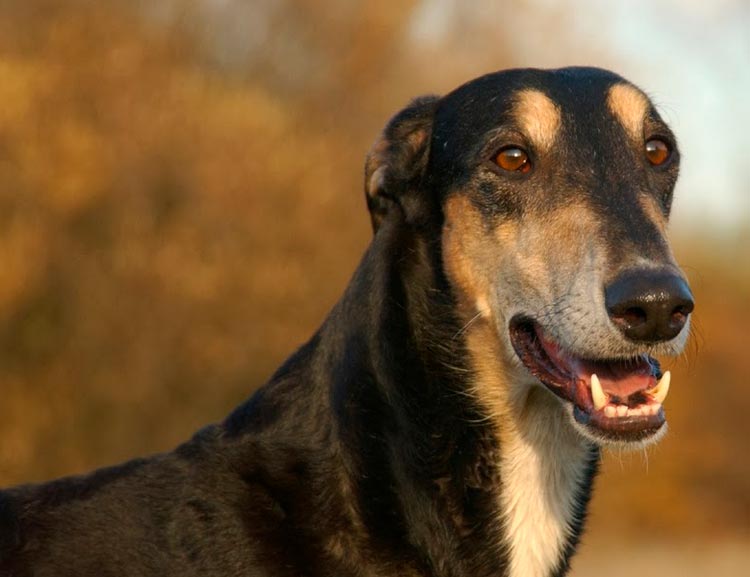
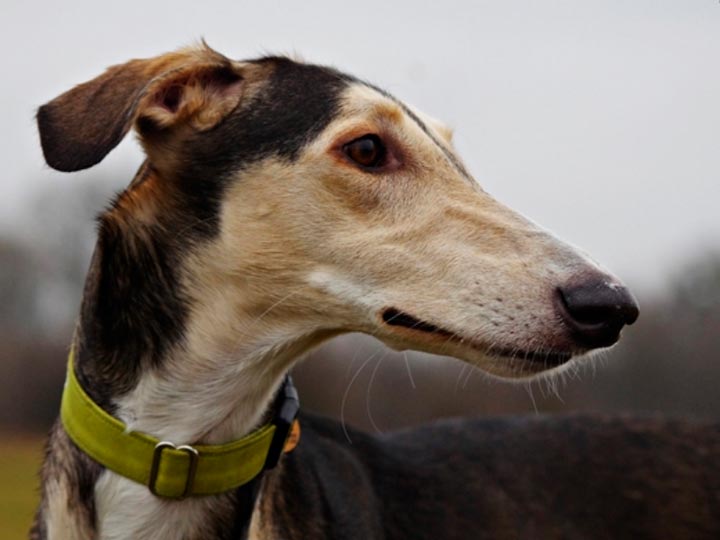
The head is long and lean. The top of the skull is flat. The stop is defined. The muzzle is strong, tapering smoothly toward the nose. The earlobe is large, extending beyond the lip line. The lips are tightly fitting and may form slight flews. The jaws are strong, with a scissor bite; a level bite is acceptable. The eyes are expressive, fairly large, almond-shaped, and set obliquely. The ears are medium in size, narrow, set level with the eyes, and either pulled back or hanging by cartilage. The neck is long, oval, and fairly narrow.
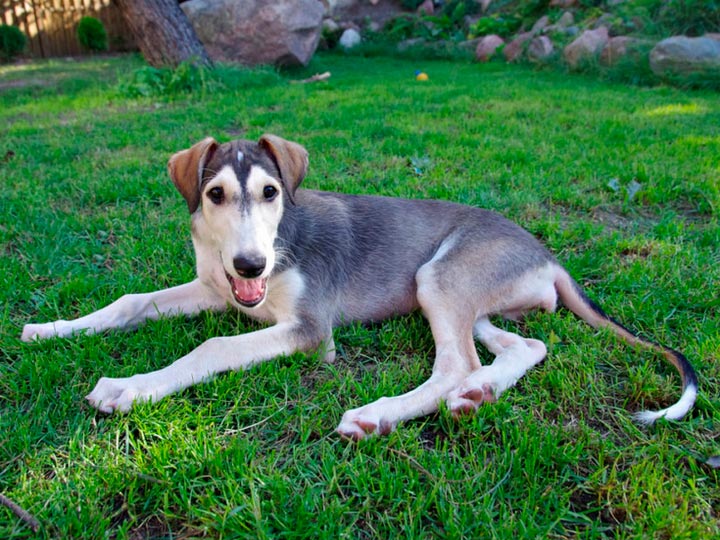
When standing freely, the withers and croup are at the same height. The topline at the loin is slightly convex. The croup is sloping. The chest is spacious, reaching down to the elbows, and moderately wide. The belly is tucked up. The tail is feather-shaped, ending in an upward-facing sickle or full ring. The limbs are long, lean, and well-muscled, not too wide apart. The paws are oval, with the hind feet slightly longer than the front ones.
The coat is harsh and elastic to the touch, varying in length in different parts of the body. It is sparse on the belly. All colors are acceptable, but black edging of the nose, lips, and eyelids is desirable.
Character and behavior
The Chart Polskie is a typical sighthound with a strong, decisive character and a desire to dominate. Independent and sensitive, it is calm in everyday situations and easily excitable in open spaces or when confronted with prey. It requires a firm hand and consistency in training, but at the same time does not tolerate violence or shouting. It is quite intelligent and quick-witted, quickly learning commands. It is not prone to unquestioning obedience; only with regular training and a trusting relationship with its owner will it grow up obedient and easy to manage.
The Polish Greyhound is a one-person dog, loyal and affectionate with other family members, and wary of strangers. It is a vigilant watchdog, and some dogs are capable of defending their owner in the event of a clear threat. It gets along well with animals it has grown up with, such as cats, but will chase away neighbors' cats. Relationships with dogs depend on their upbringing and personality; conflicts are possible.
Content Features
Polish Borzois adapt well to house or apartment life. The key is getting the necessary exercise. This can include regular jogging, cycling, or chasing a car. Borzois need opportunities to run vigorously in open spaces. Living in a private home and only walking in the yard will not ensure the dog's normal physical and psychological development. Outdoor living is possible with a spacious, insulated enclosure, but is not recommended.
The Polish Chart can hunt anything that moves, including various domestic animals, so it should not be let off the leash where potential prey may be wandering.
Care
The short-haired Polish Greyhound requires little grooming. During shedding season, brush the dog 2-3 times a week, and less frequently during other times. Bathe when needed. Check the condition of the ears, eyes, and teeth. Trim the nails as needed.
Health and life expectancy
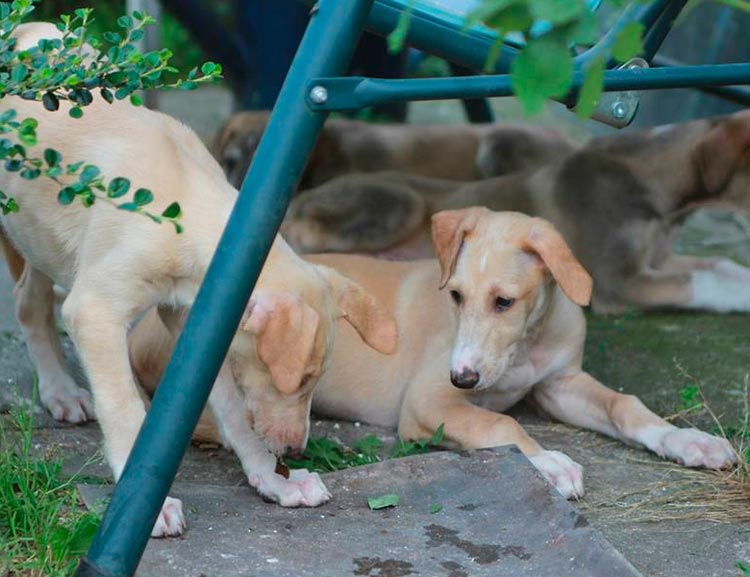
Polish Greyhounds are healthy and robust dogs. The breed is genetically sound. To maintain their health, it's important to adhere to a schedule of deworming and vaccinations, provide them with sufficient exercise, and feed them a good diet. It's also important to remember that Greyhounds tolerate low temperatures well when moving, but they quickly become chilled due to their thin skin and poorly developed subcutaneous tissue, making them prone to hypothermia. Life expectancy is 11-13 years.
Where to buy a puppy
The majority of the Chart breed is concentrated in Poland. The largest number of kennels are also found there. Polish greyhounds are also found in other European countries, but they are rare, and litters are very rare. Imported dogs are found in Ukraine, Belarus, and Russia. There is no information on kennels.
Price
The average cost of a puppy from a kennel in Poland is 4,000 zlotys (approximately 65,000 rubles). The price of a small Hart without documents ranges from 500 to 1,000 zlotys.
Photos and videos
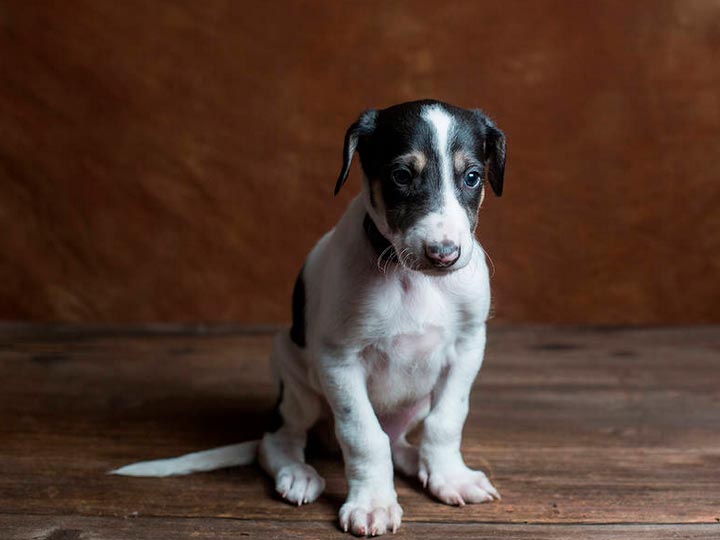
The gallery contains photos of Polish Greyhound dogs.
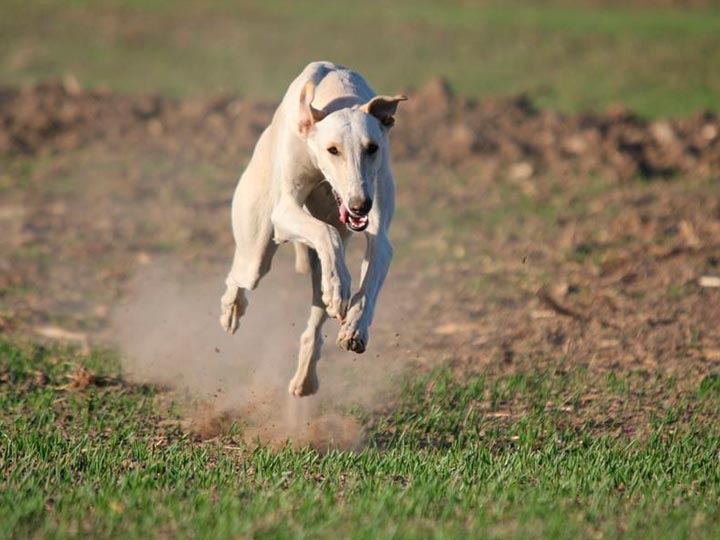
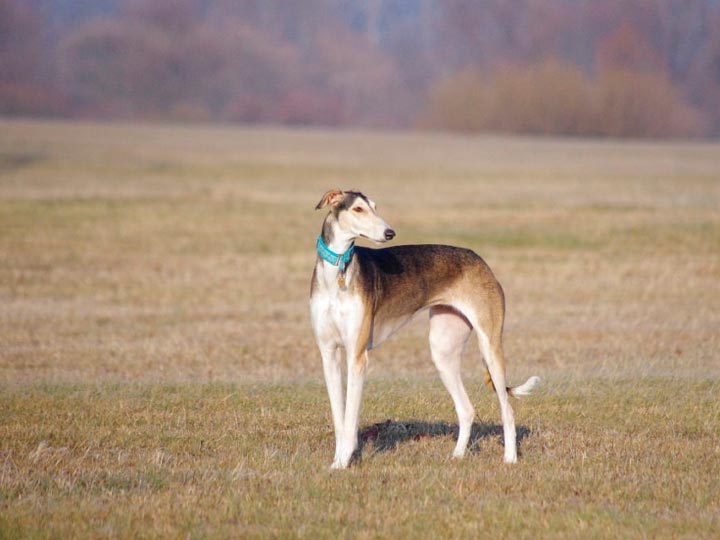
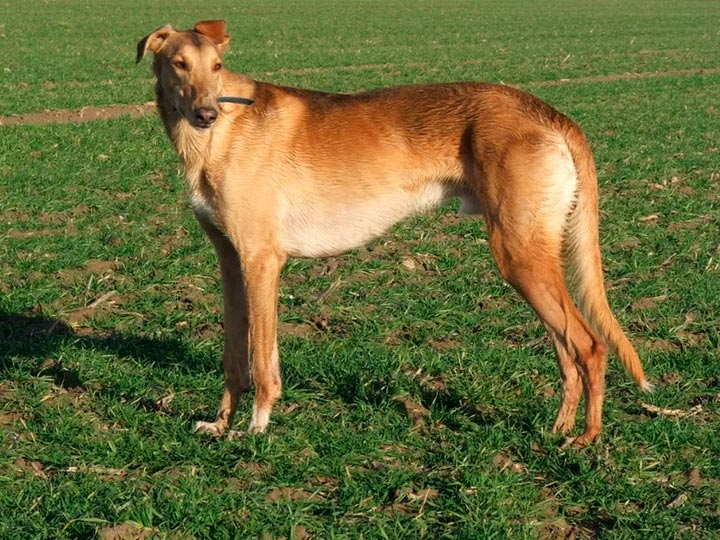
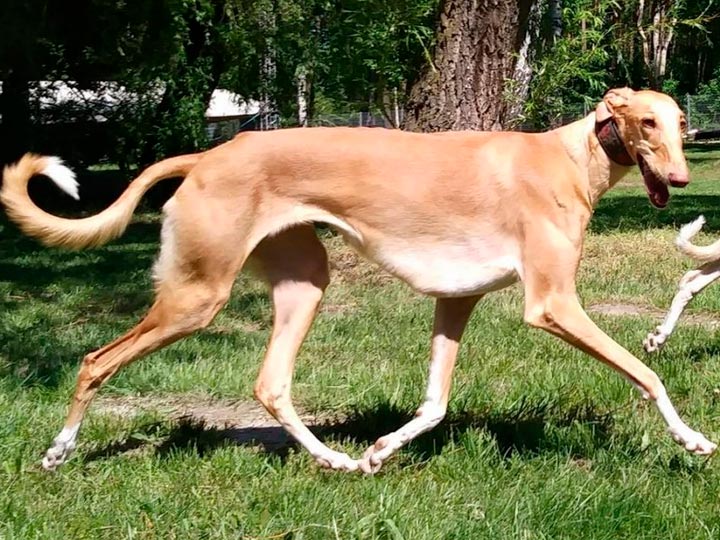
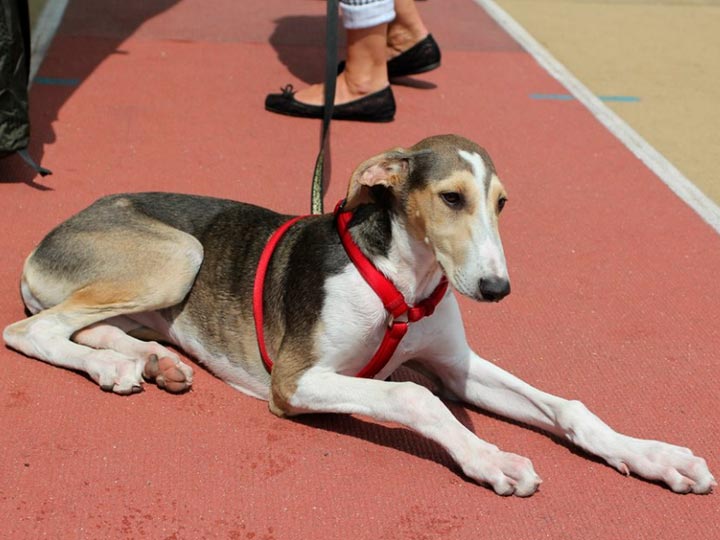
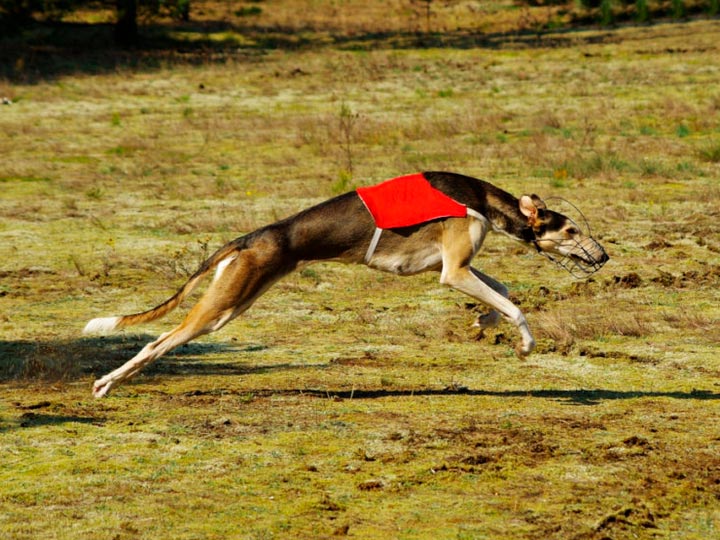
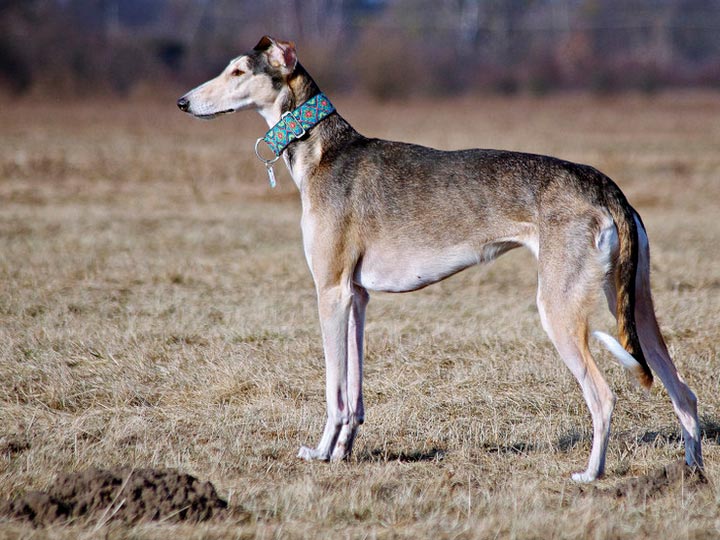
Video about the Polish Greyhound dog breed
Read also:


Add a comment