
Puberty in dogs: age
The age at which an animal is ready to reproduce varies from species to species. In dogs, puberty begins between 6 and 12 months and can last until 24 to 36 months. This maturation stage plays a significant role in a puppy's development, so owners need to know when it begins, what changes are occurring, and how to respond to them.
Content
Sexual maturation of dogs
There's no specific timeline for the onset of puberty in dogs. When it begins and how long it lasts depends on the breed, size, health, and living conditions of the individual. The pituitary gland, which regulates sex hormone levels, is responsible for the functioning of the gonads.
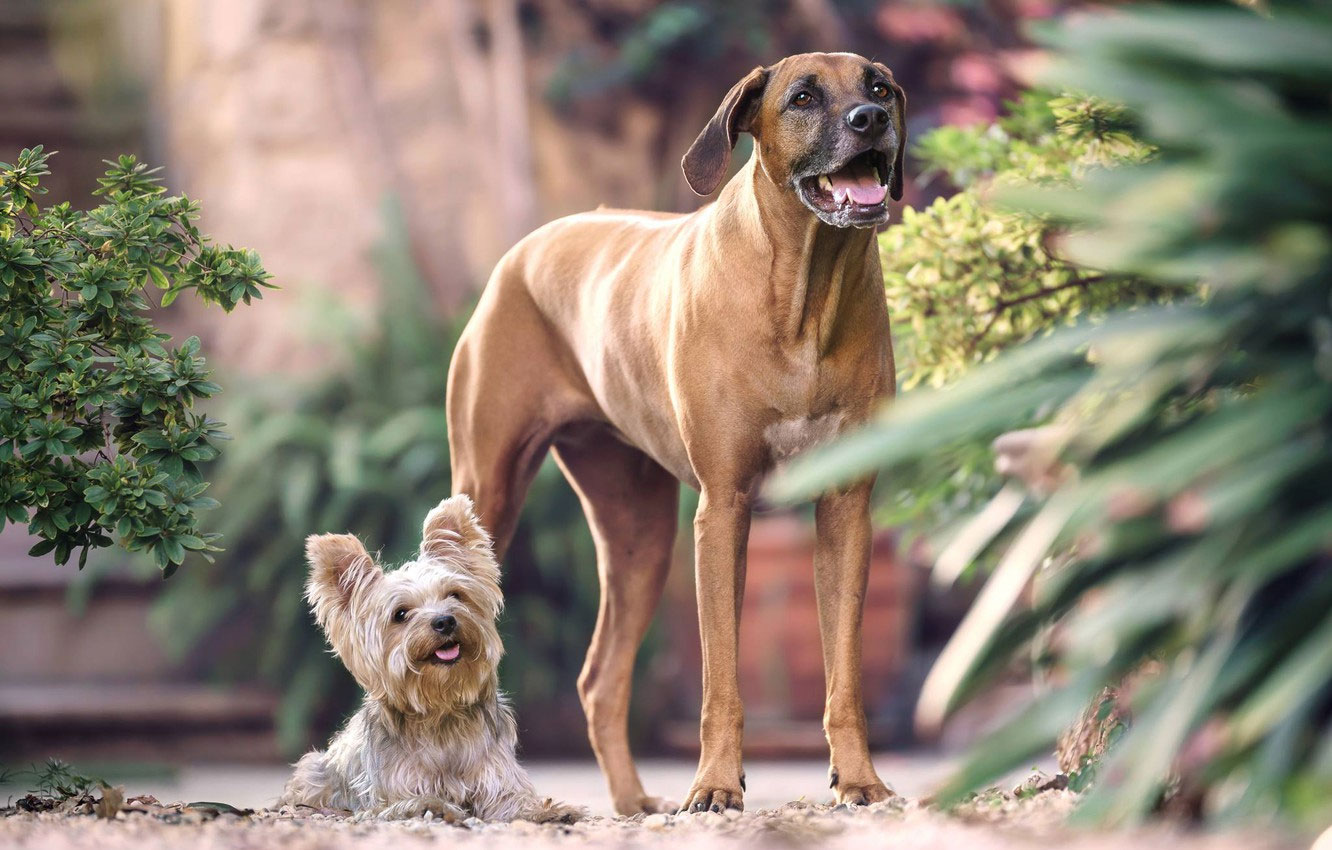
A healthy puppy's blood initially contains only a small amount of these, but as it matures, their numbers increase, facilitating full, stable spermatogenesis in males and the onset of estrus in females. It's worth noting that sperm in growing males are less motile than in mature males, so their ability to fertilize is reduced.
Note! Spermatogenesis is the process of formation and maturation of the male reproductive cell. It begins before puberty and continues throughout the male's reproductive life.
Dog owners need to know that sexual maturity does not necessarily mean physical maturity. Physical maturity is reached when a dog stops growing and its body type and behavioral characteristics are established.
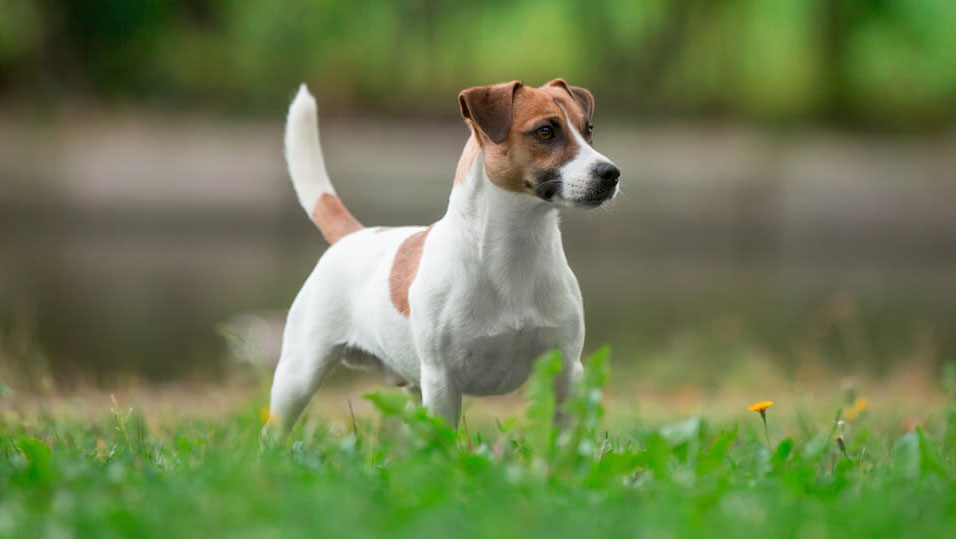
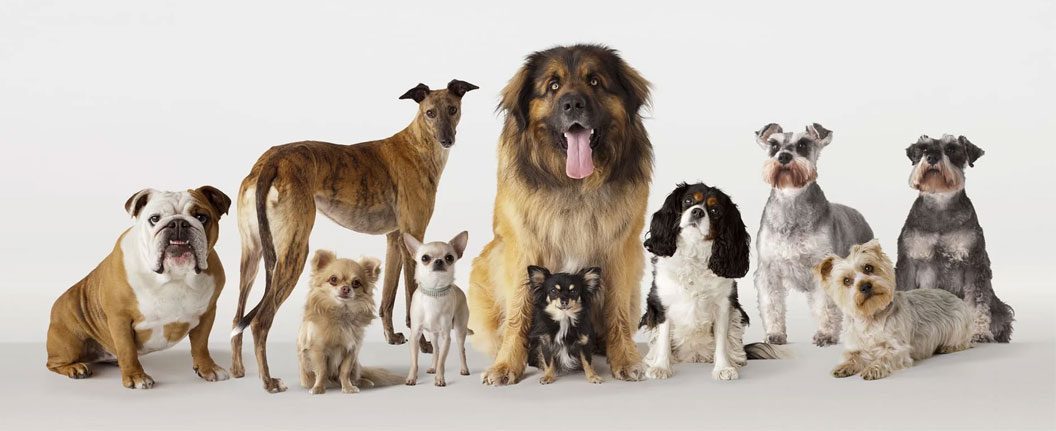
If we compare the age of maturity of representatives of different breeds, then in small and medium-sized ones it occurs earlier than in large and heavy ones.
Most often, the onset of the first heat and the steady process of sperm maturation in small breeds coincide with a cessation of growth and the completion of puberty, while in the latter, physical development ends much later.
Sexual maturity of representatives of different breeds (table):
|
Name of the breed |
Age of female (months) |
Age of male (months) |
|
7-10 |
6-12 |
|
|
Yorkshire Terrier (York) |
8-10 |
by 10 months |
|
7-10 |
7-8 |
|
|
7-10 |
8-12 |
|
|
6-10 |
8-12 |
|
|
6-8 |
6-8 |
|
|
6-12 |
by 6 months |
|
|
6-8 |
5-7 |
|
|
8-12 |
by 8 months |
|
|
6-9 |
7-8 |
|
|
6-8 |
5-7 |
Since physical maturity occurs at different ages for each breed, the timing of breeding small and large dogs also varies. This is important for producing healthy, viable offspring.
Age of commencement of breeding use (table):
|
Breed (size) |
Age of the bitch (months) |
Age of the male (months) |
|
Small |
15 |
12 |
|
Average |
18 |
15 |
|
Large |
20 |
18 |
|
Very large (giant) |
from 22 months |
from 22 months |
About the signs of puberty
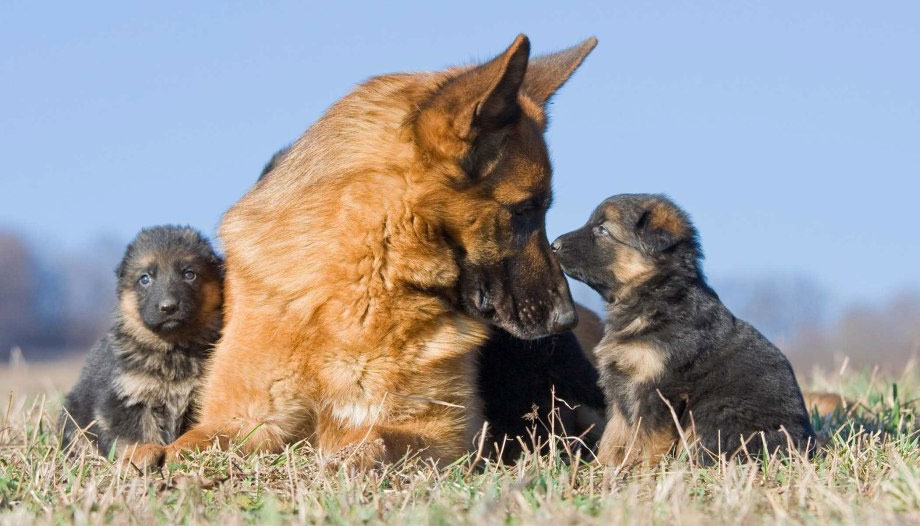
The changes that occur in the bodies of male and female dogs during puberty are also evident externally. A number of signs appear that indicate the onset of hormonal changes.
What you can notice in male dogs:
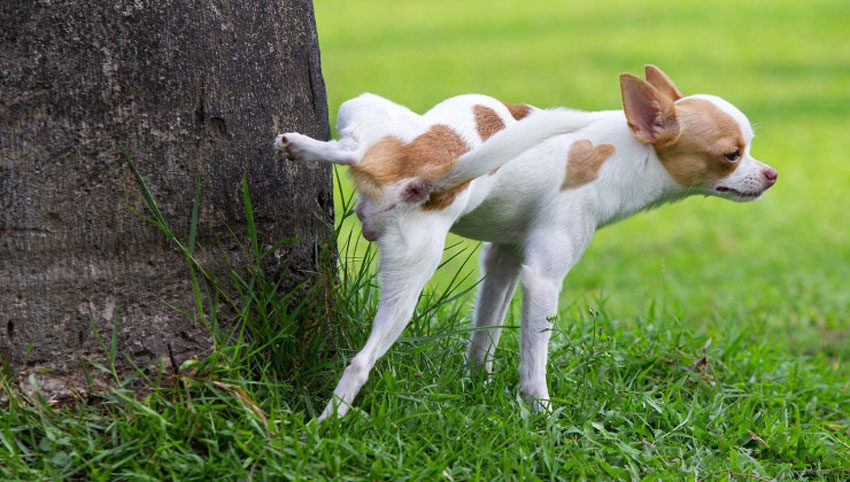
- more frequent urination;
- they mark everything in a row;
- enlargement and descent of the testicles;
- erections with the release of seminal fluid;
- whitish discharge from the penis;
- enhancement of the smell characteristic of males.
If the discharge changes color or its volume changes sharply, you should consult a veterinarian.
Signs typical for female dogs:
- reddish vaginal discharge (lasting 14-28 days);
- the vulva is swollen, enlarged, and more loose;
- frequent urination;
- specific "aroma";
- swelling and enlargement of the mammary glands, sometimes colostrum is released.
Sexual behavior
Along with the characteristics that emerge due to hormonal changes, behavioral changes are also observed. The development of appropriate sexual and parental behavior in dogs of both sexes occurs under favorable conditions. For example, a female raised without access to social interaction is often unable to perform maternal duties, and a male dog is unable to mate normally.
Males
As puppies mature, hormone levels rise, and, according to the laws of nature, the desire to rise in social rank increases. This manifests itself through aggression and dominant behavior. Larger and stronger puppies tend to be leaders. They exhibit sexual arousal during competitive encounters and play rivalries as early as 6-8 weeks of age.
The older the pet, the more frequently and energetically they engage in games involving explicit mounting. At first, a puppy will attempt to mount regardless of gender, but as they mature, they will consciously identify females that are in heat or are in estrus (i.e., they have a distinct odor).
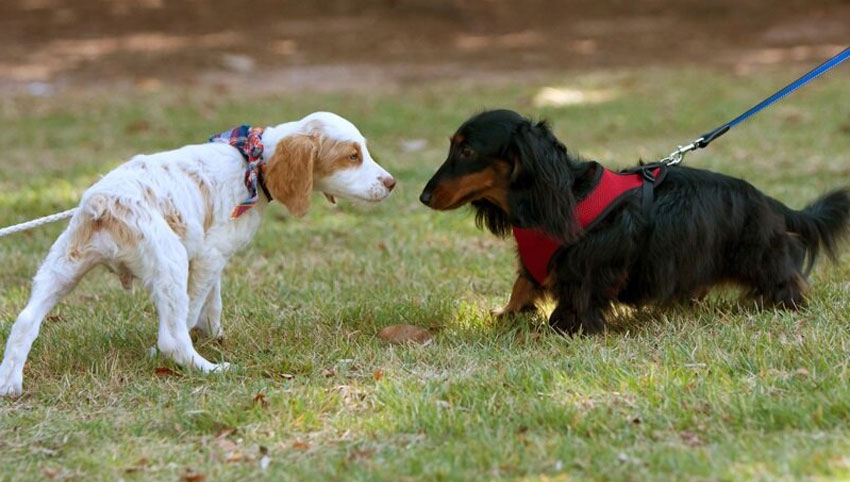
By 4-6 months, play with a pronounced sexual nature becomes even more intense, as the mother is in heat, producing pheromones that excite the young male. Interaction with a female dog in heat helps develop the correct sexual orientation and sexual behavior, facilitating successful mating in the future.
Increased excitability and activity are often replaced by lethargy and apathy; a previously obedient puppy becomes uncontrollable, unwilling to follow commands, and unresponsive to the owner.
Bitches
Female dogs experience a more rapid maturation process, with more pronounced signs and cyclical sexual activity. With the onset of heat, they become more excitable, often unreasonably aggressive toward other dogs, and mark their territory with urine, something they never do outside of heat.
At this stage, females behave similarly to males, which is reflected in their play. They sometimes even mount, which is normal. Between heat cycles, sexual activity is absent, and the female has no desire to mate.
Breeders' Advice
During adolescence, your pet needs to be provided with exercise, play with them more, and go for walks to release energy. To control behavior, it's important to train the puppy to wear a leash and collar.
During this difficult period, the owner needs understanding, patience, and the right approach to training. These difficulties are temporary, and when the hormones "calm down," the pet will become calm and obedient again.
Read also:


Add a comment