
Pododermatitis on the paws of dogs: symptoms and treatment
Pododermatitis in dogs is a fairly common condition. Its treatment is best left to a specialist, as inflammation on a dog's paws indicates the development of a disease or disruption of various bodily processes. In other words, pododermatitis is a secondary manifestation of a pathology. It can be treated at home; however, a consultation with a veterinarian is necessary first. The veterinarian must determine the underlying cause of pododermatitis in order to prescribe appropriate treatment.
Reasons
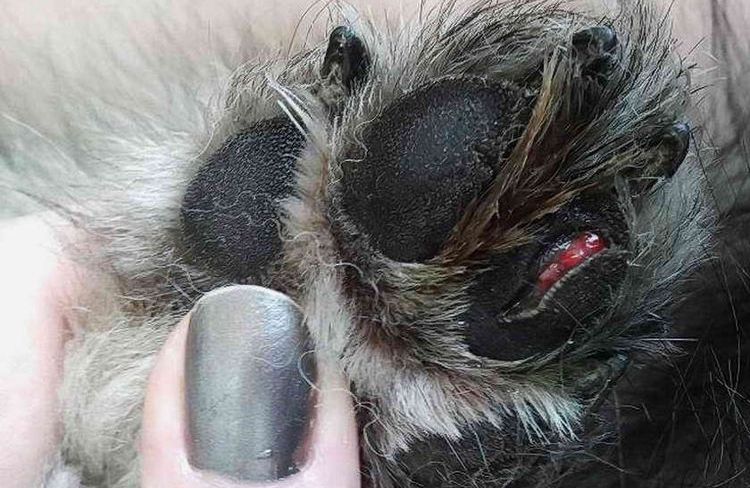
Pododermatitis is an inflammation of the outer tissue of the limbs. It can be infectious (due to bacterial infection) or aseptic (caused by mechanical injury). This condition causes significant discomfort to the dog and can lead to lameness. In advanced cases, the inflammation spreads to other tissues.
The disease occurs in areas of the extremities that come into contact with the ground. It is most commonly found on the paws, in the spaces between the toes and on the pads. The inflammatory process can also spread to the nail bed, which can eventually lead to claw loss.
Pododermatitis itself is not an independent disease. It develops as a result of certain pathologies that lead to a decrease in the body's defenses and weaken the immune system. Triggering factors may include:
- immunological disorders (thrombocytopenia, periarteritis nodosa, systemic lupus erythematosus);
- fungal skin infection (mycosis);
- presence of parasites (helminths, ticks, fleas, etc.);
- contact with an allergen;
- endocrine disorders and metabolic diseases (hypo- and hyperthyroidism, hypercorticism, diabetes mellitus);
- Oncological pathologies (have a negative impact on the entire body, regardless of the location of the primary lesion, blocking the functioning of the immune system).
In addition to internal pathologies, pododermatitis can develop due to mechanical damage to the skin:
- in case of injury to the paw pad;
- when paws are in prolonged contact with a rough surface (for example, asphalt), which causes irritation and cracks in the pads;
- when a paw is injured by a sharp or prickly object.
A genetic predisposition to pododermatitis is also known. This condition is most commonly observed in the following dog breeds:
- Labrador;
- Doberman;
- Dalmatian;
- Shar Pei;
- dachshund.
Symptoms
Pododermatitis affects the dog's limbs and causes significant difficulty in moving. The dog will limpTry not to lower the paw. The disease can progress and affect multiple limbs, which worsens the situation.
At the first sign of illness, owners should carefully examine their dog's paws. If the dog shows signs of pododermatitis, consult a veterinarian as soon as possible.
The main symptoms of the pathology are:
- lameness (if several limbs are affected, the animal will experience significant difficulty moving);
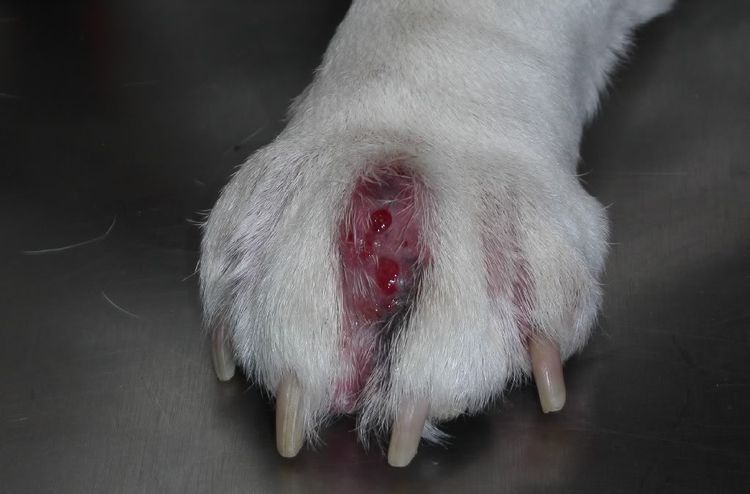
- redness of the skin between the toes and on the pads of the paws;
- dry skin;
- the presence of wounds on the skin between the fingers and on the pads;
- the appearance of blisters containing purulent or bloody contents.
Over time, swelling of the limb may develop. The affected areas will be tender and painful. The dog may withdraw its paw when the inflamed area is touched. It may lick its paw constantly, trying to relieve the pain and itching, but this will only further irritate the skin.
If characteristic symptoms are present, don't delay a visit to the vet. This condition causes significant discomfort to your dog, so treatment must begin immediately.
Diagnostics
The diagnosis of pododermatitis is established based on clinical data. The veterinarian will examine the dog and assess the condition of the affected area. If typical symptoms are present, an appropriate diagnosis will be made.
Since pododermatitis is a secondary condition, a series of tests will be necessary to identify the underlying cause. This is necessary to ensure that treatment does not merely alleviate clinical symptoms, but rather eliminates the condition completely or brings it under control.
During the diagnostic process, the following examinations may be prescribed:
- blood and urine tests;
- cytological examination;
- scraping for demodicosis and determination of the presence of other skin parasites;
- research to detect helminths;
- determination of the presence of fungal infection;
- allergy tests.
Additionally, specific blood tests may be prescribed to detect metabolic or immunological pathologies. A consultation with a veterinary endocrinologist may be necessary to rule out pathologies of the endocrine organs.
Treatment
Treatment specifics will depend on the type of pododermatitis and the extent of tissue damage. For the aseptic form of the disease, careful removal of contaminants and damaging elements (debris, small branches, stones, and glass) from the paw pads is initially necessary. The affected areas are then treated with an antiseptic, such as streptocide ointment, chlorhexidine, or tetracycline. The affected area is treated several times a day until the wounds are completely healed.
If a bacterial infection (purulent pododermatitis) develops, a course of antibiotics is prescribed. This can be lengthy: the dog is given the medication until all inflammation has resolved, plus an additional two weeks. Inflamed areas are also treated with an antiseptic several times a day.
Treating pododermatitis in dogs at home should only be done after consulting a specialist. It's important to determine the type of disease and prescribe appropriate treatment. It's also crucial to determine the underlying cause of the condition. Otherwise, frequent relapses are possible.
Prevention
Pododermatitis can occur in dogs of any age and breed. However, animals with weakened immune systems are more susceptible. Therefore, the main preventative measure is careful attention to your pet's overall health. To keep your furry friend healthy, follow these guidelines:
- Have regular preventative checkups with your veterinarian.
- In the presence of chronic pathologies, it is necessary to monitor the animal’s condition dynamically and follow the doctor’s recommendations.
- Perform preventive vaccinations.
- Provide the animal with a balanced diet.
- Try to avoid contact with stray animals as much as possible.
- Conduct in a timely manner parasite treatment.
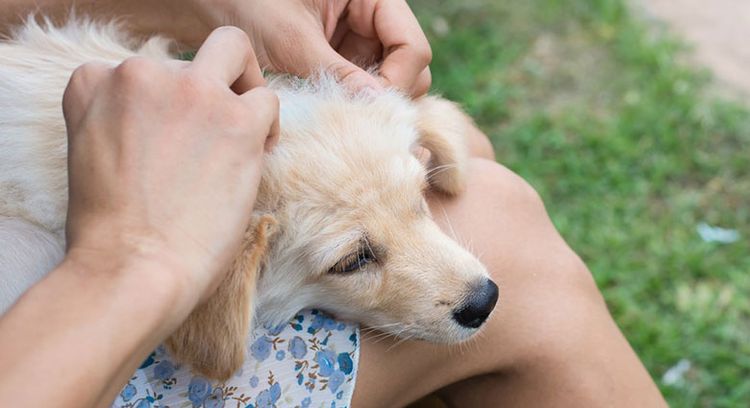
To prevent the development of skin inflammation on the burns, you should:
- wash paws after every walk with soap;
- keep the bedding and/or booth clean;
- Trim your nails and the hair between your toes regularly.
Some small breeds, such as poodles and Yorkshire terriers, require special paw care. When taking your dog for walks in winter, it's recommended to apply a special protective wax or use dog boots. This will protect your dog's sensitive paws from snow, salt, and other products used on icy roads.
Read also:
- Pink lichen in dogs: causes and treatment
- Microsporia in dogs: symptoms and treatment
- Cheyletiella in dogs: symptoms and treatment





Add a comment