
Why does a dog stick out its tongue in hot weather?
A dog's tongue protrusion in hot weather is explained by the animal's physiology and the laws of physics. This process is a natural thermoregulatory mechanism: the pet loses excess heat through the tongue and respiratory tract.
It's important to remember that different dogs tolerate high temperatures differently. Owners should closely monitor their pet during hot weather to prevent overheating, heatstroke, or sunstroke.
Features of canine anatomy
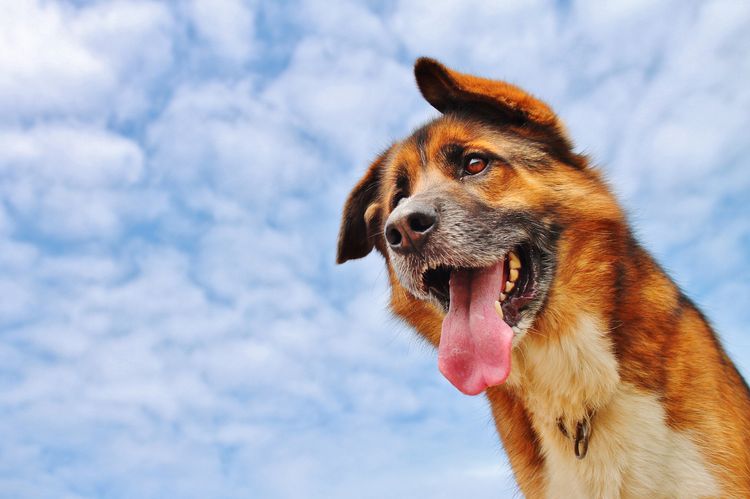
Sweating is a natural process that helps the body get rid of excess heat. Humans have sweat glands throughout their entire body, so they don't have to exert extra effort to cope with the heat. However, dogs have thick fur, and the glands responsible for thermoregulation are located only on their paw pads and nose, which is normally wet and cold. Their small number, therefore, prevents them from sweating. cool the entire bodyFor this purpose, nature has provided dogs with a more advanced cooling system, aided by their respiratory system: in hot weather, a dog sticks out its tongue and begins to pant. Evaporating saliva cools the tongue's surface, thereby improving the animal's well-being in hot weather. In such situations, you should not, even jokingly, cover your pet's mouth or put on a muzzle.
Note! For hot weather, a muzzle should be selected based on a dog's thermoregulation mechanism. It's important to find a secure yet comfortable option that won't restrict your pet's freedom of movement and allows them to stick out their tongue sufficiently to avoid overheating.
From a physics point of view
The instinctive cooling process has a rational explanation based on physical processes. Thermoregulation maintains a stable body temperature. Two processes are involved in reducing it:
- Heat production: reducing physical activity in hot weather reduces muscle heat production, slows down metabolic processes, and reduces the body's energy needs.
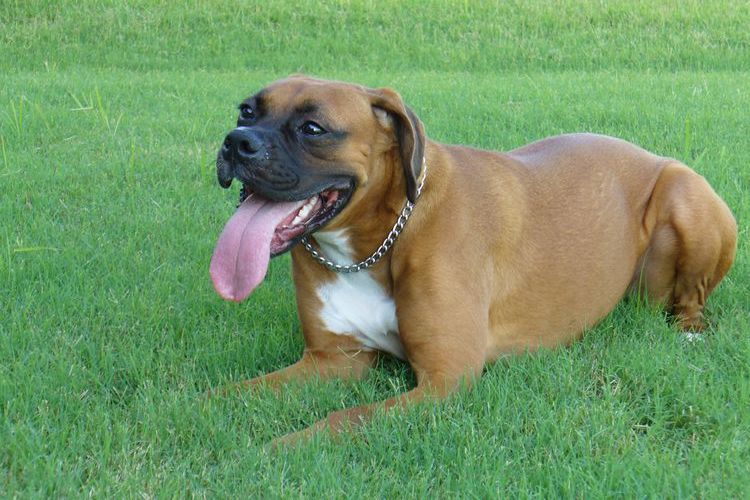
- Heat transfer: evaporation of liquid from the protruding tongue facilitates the transfer of the heated body temperature to the environment; additionally, the evaporation of a greater amount of moisture from the surface of the lungs is facilitated by rapid shallow breathing.
-
After eating and drinking, dogs sometimes stick out their tongue briefly. This may be due to the pet licking its face to remove food debris, reacting to the taste or texture of the food, thirst after eating dry food, or eating quickly. If this behavior is short-lived and not accompanied by other symptoms, there's no need to worry.
-
Stress and anxiety often cause tongue protrusion. When a dog is afraid, happy, or excited, tongue protrusion helps calm the dog and regulates its body temperature, which rises due to adrenaline. This behavior can be triggered by traveling in public transport, visiting the veterinarian, meeting other animals, loud noises, new places, or unfamiliar people. Stress in dogs manifests itself through rapid breathing, restlessness, flattened ears, a tucked tail, and increased salivation. To help, you can use calming pheromones and create a safe place for your pet, such as a secluded corner or a carrier. It's also helpful to gradually socialize your dog so it gets used to stressful situations and reacts more gently to them.
Thus, from a physics perspective, a dog sticks out its tongue in hot weather because it allows it to release more heat to the environment and cool itself down. This alters the body's water-salt balance, which also increases heat loss. To enhance the effectiveness of this cooling mechanism, the animal can lie in one position: the body will expend less energy and, consequently, produce less heat.
How to help your pet
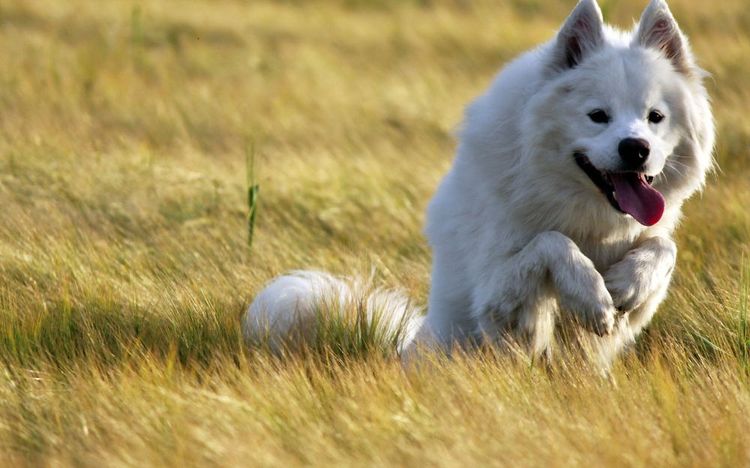
Although rapid breathing with an open mouth can help a pet cope with the heat, its owner can take additional measures to help:
- Make sure water is readily available at home. It's important to ensure it's clean and fresh, as it's not only about quenching thirst but also about health safety. In hot weather, harmful microorganisms multiply more quickly in warm water, which can cause stomach upset. It's also important to offer water while walking or riding in the car. It's best to offer it frequently, but in small amounts.
- To ease the condition, you can wet the animal's face, belly and paws, place it on a heating pad with cool water, or purchase a special cooling mat/vest for this purpose.
- Avoid walks in the hottest weather or choose shady areas. Pets with cardiovascular conditions should not be taken outdoors when the temperature exceeds 25°C. For extreme cases, bring heart drops with you.
- Be careful not to let your pet dive into the water abruptly, as the sudden temperature change can cause shock. It's best to let your dog gradually enter the water on his own.
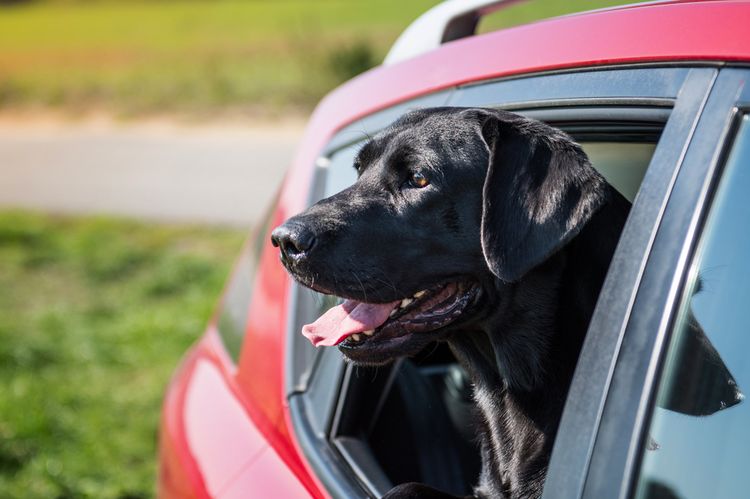
- Don't leave your dog in the car. Even in the shade, the enclosed space of a car heats up very quickly, and the temperature can reach unbearable levels. If you must leave the car for a short time, ensure air circulation by opening the windows or leaving the air conditioning on.
Caution! It is not recommended to douse dogs with thick undercoats in hot weather. This creates a sauna-like effect, putting even a healthy pet at risk of heatstroke.
The occasional deaths of dogs at shows during hot weather deserve special attention. Show rings are sometimes placed directly in the sun, with no shade. When planning to take your pet to such events, it's important to consider how to alleviate their condition. An umbrella, awning, or other creative solution might be helpful for creating shade.
Read also:
- Why does a dog lick its owner?
- How dogs helped people during the war
- How many nipples does a dog have?


Add a comment