
Why do dogs lose teeth?
Why do dogs lose teeth? Causes include various illnesses, poor diet, and inadequate vitamin intake. If you notice your pet has dental problems, don't delay: consult a veterinarian as soon as possible for diagnosis and treatment.
Content
Causes of tooth loss
The main reasons include the following:
- Soft plaque on the surface of teeth. Brownish or greenish plaque leads to gum inflammation and loose teeth. This is why regular oral hygiene is so important. Causes include a lack of hard food and special toys in the pet's diet, a deficiency of fluoride and calcium in the diet, and an excess of carbohydrates (dogs need animal protein for proper development).
- Availability tartar (This is the most common cause). Tartar is plaque that has not been removed for a long time and has hardened. The plaque contains dead cells, food debris, and bacteria. Prolonged exposure to tartar on the surface of teeth can trigger inflammation.
- Inflammation of the gums. It can occur after injury to the mucous membrane or poor oral hygiene.
- Gingivitis. This condition is characterized by inflammation of the skeletal system and surrounding soft tissues. In advanced stages, gingivitis causes gum tissue atrophy and tooth loss.
- Periodontitis. This condition develops quite slowly, so only an experienced veterinarian can detect it. The condition is characterized not only by loose teeth but also by the formation of purulent lesions and bleeding.
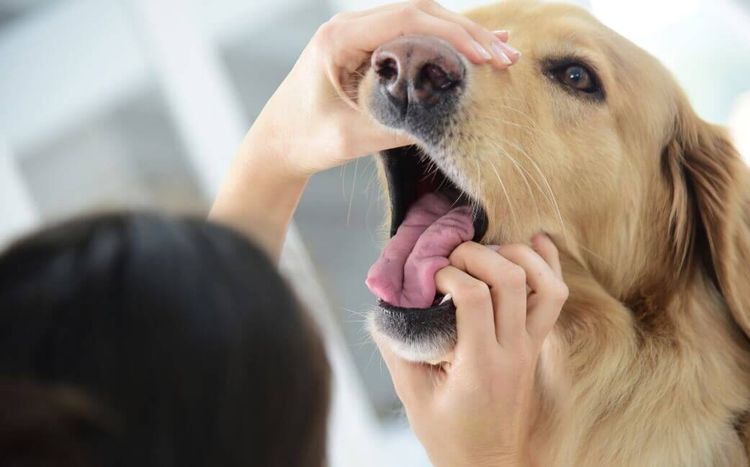
Statistics and signs of pathology
| Stage of the disease | Symptoms | Possible consequences |
|---|---|---|
| Gingivitis (initial stage) | Red gums, bleeding | Without treatment - progress to periodontal disease |
| Periodontosis (moderate severity) | Loose teeth, plaque, abscess | Tissue decay, loose teeth |
| Advanced periodontosis | Loss of molars/canines, pus | Risk of systemic infection |
| Age-related periodontosis | Brittle, easily lost teeth | Loss of teeth, replacement with dentures |
Signs that indicate pathology include:
-
bad breath in an adult dog;
-
refusal of solid food;
-
bleeding, pus, plaque (stone);
-
change in bite, pinching of cheeks when chewing
Changing teeth
The animal may lose its baby teeth, which occurs this process in puppies at 4 months of age. During this time, the pet experiences minor pain and discomfort, and their appetite decreases. This is a completely normal process that only requires careful observation.
Some breeds are completely unaware of the loss of their baby teeth, as they are quickly replaced by permanent ones. During this physiological process, puppies may exhibit mild restlessness and chew intensely. toys and other hard objects (this is explained by the itching sensation).

If tooth loss occurs at an older age and is accompanied by a significant loss of appetite, lethargy, weight loss, and bad breath, the animal should be shown to a specialist as soon as possible.
There are breeds that are particularly predisposed to this phenomenon in adulthood. These include Pekingese, Yorkshire Terriers (small dogs), and medium-sized dogs. Owners of these breeds should pay particular attention to their dog's oral health.
Diagnosis and treatment of tooth loss
Diagnostic procedures include radiography, which allows the extent of bone destruction to be determined. Additionally, the specialist performs oral sanitation to remove plaque. Sometimes, extraction of affected teeth is also prescribed (the procedure is performed under general anesthesia).
After this, treatment is prescribed to eliminate the inflammatory process. This is accomplished with anti-inflammatory medications and antiseptics, which should be used regularly to clean the oral cavity. If the disease has reached a severe stage, a course of antibiotics is prescribed (this helps prevent bacterial complications).
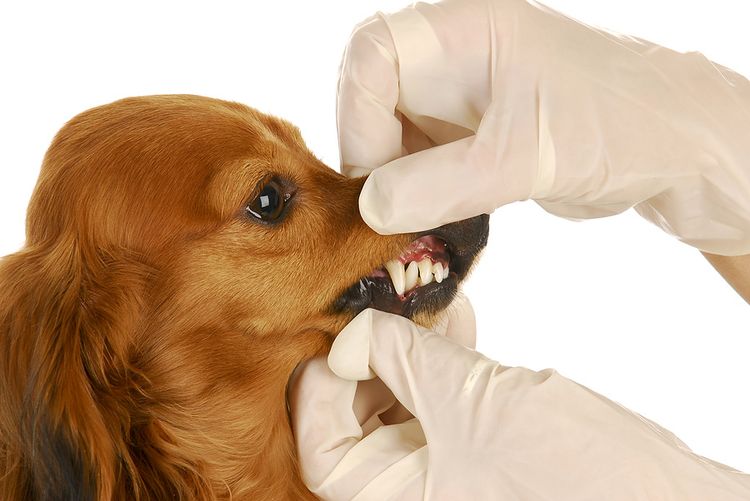
Another effective treatment method is dental splinting. If your dog has enlarged gum pockets and loose teeth, this can help prevent further loss. During splinting, a specialist uses strong fiberglass or wire to bind several teeth together. This helps immobilize and strengthen the dental arch. Splinting not only provides lifelong dental strength but also helps prevent gum inflammation.
What to do if an adult dog is losing teeth
"What to do if a dog's teeth are falling out" implies a clear, step-by-step strategy:
1. Examination and diagnostics
-
Visual examination: looseness, color of gums, condition of tartar;
-
X-ray of the jaws to assess the roots and alveoli;
-
Blood biochemistry to detect systemic diseases;
-
If you suspect genetics, contact a breed veterinarian.
2. Integrated therapeutic approach
-
Professional teeth cleaning (ultrasound and scraping) - minimizes tartar and inflammation.
-
Dental splinting strengthens loose teeth and allows gums to recover.
-
Drug therapy - anti-inflammatory, antibacterial or immunomodulatory drugs as prescribed.
-
Nutrition - consider switching to soft or canned food enriched with calcium, vitamins and microelements to strengthen bone tissue.
What to do if an adult dog loses a tooth
If a dog loses a tooth:
-
Do not pull it out yourself - this increases the risk of infection.
-
Inspect the site of the injury for any cuts or bleeding.
-
Consult a veterinarian for an x-ray to determine if any root remains.
-
Preventive measures include wound treatment, possible antibiotics, and changing the food to soft food.
-
Scheduled monitoring is a check for the absence of complications after 7–10 days.
Preventing tooth loss in dogs
Dental disease is easier to prevent than to treat. Therefore, dog owners must take preventative measures to prevent loose teeth. Below are some basic guidelines to follow:
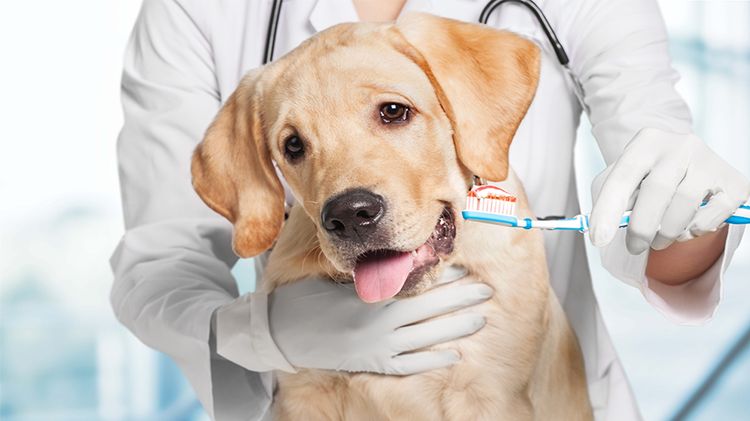
- To avoid the development of tartar and periodontosisBrush your dog's teeth regularly with an electric toothbrush and toothpaste recommended by your veterinarian. Even if your pet resists, continue to do this every few days; over time, your pet will get used to this procedure. If you can't do this yourself, visit your veterinarian regularly for cleanings.
- Regularly feed your dog high-quality dry food containing coarse particles. You can also add gelatin-based bones to your dog's diet. These foods clean tooth enamel and prevent plaque buildup.
- If you've already noticed suspicious plaque, before visiting the vet, you can purchase special oral sprays and toys for your dog that help naturally remove plaque.
- Every six months, perform a complete oral hygiene treatment. This requires regular appointments with a veterinarian who will perform the necessary procedures.
- Your pet should receive sufficient vitamins and minerals to strengthen gums and enamel. If they can't get them through their food, ask your vet about prescribing special multivitamin supplements, which not only promote oral health but also boost the immune system.
- If you do not feed your dog food, its diet should be varied (the diet should include cereals, meat and fish dishes, and other foods high in vitamins and minerals).
Therefore, if an adult dog loses teeth, it indicates a serious dental condition. Self-treatment will not help. Without professional help, the loss will be accompanied by bleeding, purulent discharge, and complete atrophy of the gum tissue, making it impossible to eat. As a result, the disease spreads to other organs. Ingestion of infected saliva leads to the spread of infection throughout the body, primarily affecting the digestive system, and weakening the immune system.
Frequently asked questions from owners
What to do if a dog loses teeth at 3-4 years old?
This isn't normal. At this age, a dog's teeth are already permanent, and their loss indicates a serious problem. It's necessary to conduct an examination for infections and assess the dog's immune status.
Can a tooth fall out without pain or symptoms?
Yes, especially if the damage has progressed slowly. But this doesn't mean treatment isn't necessary—other teeth may be at risk.
When is it normal for dogs to lose teeth?
Only during puppyhood, when baby teeth are replaced by permanent ones. This usually occurs between 3 and 7 months. In any other case, tooth loss requires attention.
Can a tooth fall out due to injury?
Yes. This is especially true for active dogs that like to chew on hard objects like bones, metal bars, and stones. Strong mechanical impact can cause a tooth to dislocate or even fracture, causing it to become loose and fall out. Injuries are often accompanied by bleeding or behavioral changes: the dog may refuse food, rub its face with its paws, or whine when touched.
What to do if your dog only eats soft food and can't chew?
This could be a consequence of oral pain or a cause of further deterioration of the dog's teeth. Soft food doesn't provide mechanical cleaning, unlike dry food. If chewing function is impaired, it's worth temporarily switching to pureed food while simultaneously treating the oral cavity and seeking ways to restore the dog's ability to chew normally.
My puppy lost a tooth - is this normal?
Between 3 and 7 months of age, a puppy's baby teeth are replaced by permanent ones. This is a natural process that requires no intervention as long as there is no inflammation or bleeding. However, if the teeth don't fall out on time and the permanent ones are already erupting, there is a risk of malocclusion. In such cases, it may be necessary to have the remaining baby teeth removed by a veterinarian.
Can tooth loss in an older dog be prevented?
It's impossible to completely stop age-related changes, but they can be significantly slowed. Regular dental cleaning, a special diet, gum monitoring, annual professional cleanings by a veterinarian, and strengthening supplements (such as those with coenzyme Q10 and calcium) can help preserve most teeth even in old age.
Why do teeth fall out in dogs that regularly eat dry food?
Dry food doesn't guarantee complete protection against dental and gum disease. If the food is chosen incorrectly, the dog has a congenital predisposition to periodontitis, or doesn't receive proper hygiene care (brushing, toys, and dental treats), problems can still develop. It's also worth considering that not all dogs chew kibble with the required force—some swallow it whole.
Is it necessary to treat a dog's teeth or is it enough to just remove the diseased tooth?
Extraction is a last resort. However, dogs' teeth, like humans', can be treated with fillings, root planing, and gum strengthening. This is especially important in young animals, who may still have some remaining teeth. Only a veterinarian can determine whether a tooth can be saved or whether it must be extracted.
Do you need to brush your dog's teeth?
Yes, and this is highly recommended. Use special toothbrushes and toothpaste for animals (human toothpaste is harmful!). This procedure should be done at least 2-3 times a week. There are also wipes, sprays, and gels that make oral care easier. It's best to start brushing your teeth from an early age—this reduces the risk of future problems.
What should I do if a tooth has fallen out and there is a hole in my gum?
If the socket isn't inflamed, there's no pus or strong odor, healing will occur on its own. However, if you suspect an infection (redness, swelling, mucus, lethargy in the dog), you should consult a veterinarian immediately. Sometimes root fragments remain in the wound and need to be removed under sedation.
You can also ask our website's staff veterinarian a question, who will answer them as quickly as possible in the comments box below.
Read also:


Add a comment