
Why do dogs have watery eyes?
Tears play a vital role in maintaining a dog's vision: they moisturize and cleanse the cornea, protecting it from dust, pathogens, and foreign particles. Normally, tears are produced periodically and wash away any excess material from the surface of the eye. However, if your pet's eyes begin to water excessively, it's important to determine the cause of the abnormal tearing and whether treatment is necessary.
Content
Causes of watery eyes in dogs
Excessive lacrimation is called epiphoraIt can be related to physiological characteristics of the body, various diseases, or external factors. Watering can occur in one eye or both eyes at once.
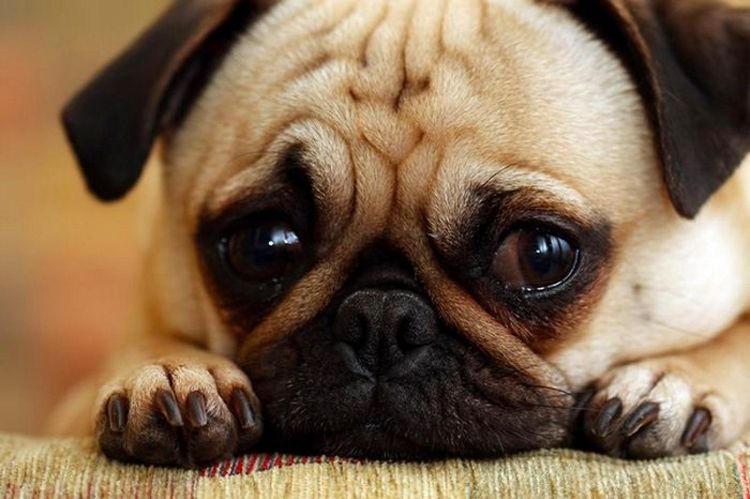
Breed characteristics
Certain pet breeds experience more eye watering than others due to their anatomical characteristics. This applies to dogs with:
- underdeveloped tear ducts - in breeds with flat muzzles, small sizes or round skulls (brachycephalic, Pekingese, pugs, Spitz);
- a large, wide-open eye slit, resulting in eyes poorly protected from dust and other irritants (Japanese Chins, Chihuahuas, French Bulldogs);
- a large number of folds, which are more likely than others to develop inversion of the eyelid (shar pei, basset hounds);
- long, thick hair on the muzzle (schnauzers, shih tzu);
- incorrectly growing eyelashes (lapdogs, Spitz, poodles, terriers, etc.).
If a pet with these symptoms has had watery eyes since puppyhood, it's worth talking to other owners of a similar breed. This is likely due to anatomical differences that cannot be corrected with conservative treatment, so these animals require constant care—regularly wiping their eyes with a special lotion to remove tears.
For such animals, the problem can only be solved through surgical intervention – cleaning and widening the tear ducts or correcting the shape of the eyelids.
Diseases associated with increased lacrimation
As a rule, a dog’s eyes water due to the following diseases:
- Conjunctivitis – is a manifestation of an allergic reaction, a viral infection, or the result of injury or deformation of the tear duct. The dog's eyes water and become red, later followed by the appearance of yellow-green pus. The dog blinks frequently, closes its eyes completely, or squints.
- Inflammation of the Gardner's gland (third century) – the gland provides protection for the cornea from external irritants, but when an inflammatory process develops, it swells and turns red, and yellow mucus appears.
- Blepharitis (inflammation of the eyelids) – occurs with injuries, internal diseases, demodicosis, and allergic reactions. It is accompanied by redness, swelling, tearing, and itching.
- Mechanical trauma – a pet may scratch itself on a sharp object or be injured in a fight, resulting in damage to the eyelid or eyeball, which triggers inflammation. Initially, the injury may be unnoticeable, but over time, the injured area becomes inflamed, swollen, and infected.
- An allergic reaction can be caused by external or internal factors that cause the eyes to become red and watery. The former include dust, household chemicals, perfumes, and pollen, while the latter include substances that affect the body internally (food, medications, etc.).
- Infections (viral, fungal, bacterial) – in some cases, they are also accompanied by large amounts of tear discharge in the absence of other symptoms, if they are latent. In such cases, only a veterinarian can make an accurate diagnosis after examining the animal.
- Entropion can be congenital, paralytic, or cicatricial (resulting from scar formation after surgery or injury). Symptoms include incomplete closure of the eyelids, eye discharge, and conjunctivitis.
Other reasons
In some situations, excessive tear production is caused by external conditions, so there's no need to consult a veterinarian. This applies to the following situations:
- Foreign bodies (plant parts, insects, hairs, etc.) often get into the eyes, which often happens after walks or car rides if the pet likes to stick its head out the window while driving. Long-haired breeds often get their eyes irritated by their own hair getting in them.
- Dry air in the house is another reason for increased tear production.
- A high carbohydrate diet. This includes not only sweets, but also cereals, potatoes, baked goods, and other foods that can cause increased tear production.
What to do if your dog's eyes are watery
Depending on your dog's condition and the cause of the excessive tear production, you may first want to try to resolve the issue yourself. However, if the condition worsens or additional symptoms appear, you should consult a veterinarian immediately.
What can you do yourself?
If a dog's eyes are watery, the owner should first examine the pet in a calm environment. To do this:
- Wash your hands.
- Place the dog on a stable surface and provide good lighting.
- While holding the eye slit open with your hand, examine the eyes.
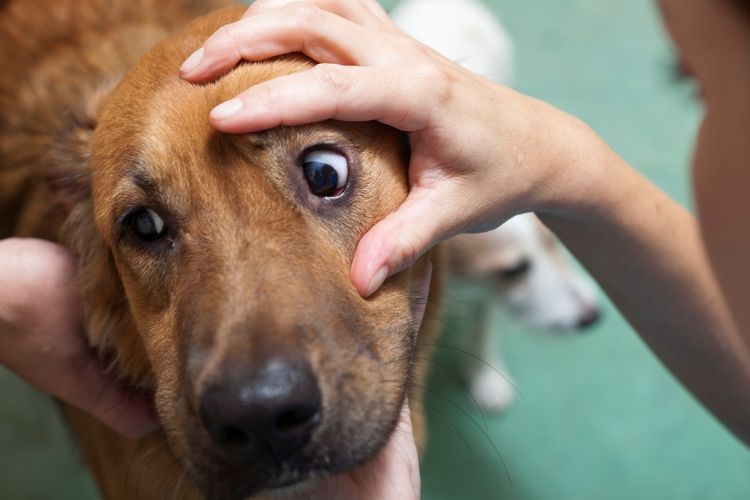
This way, you can see a foreign body, swelling, or redness, and assess the type of discharge (pus or mucus). Depending on the changes observed, it will be clear what to do next:
- If dust, chemical aerosols (hairspray, air freshener), or foreign bodies get into your eyes, wipe the cornea with a cotton swab soaked in clean boiled water.
- For inflammatory conditions: rinse the eye 5-8 times daily with saline solution, strained calendula, or chamomile infusion. Move from the outer edge of the eye to the inner.
- If there is a lot of hair: carefully trim the hair around the eyes, after washing them to remove any hairs.
Important! Avoid using tea leaves or cotton wool for rinsing, as the fibers will further irritate the cornea. Cotton pads or gauze can be used instead.
- In dry air: If increasing humidity is not possible, it is recommended to use special products such as Dacrolux, Artificial Tears, and Hypromellose. These products have a moisturizing effect similar to tear fluid.
- In case of an incorrect diet or a sudden change in menu: review your pet's eating habits and, first of all, exclude inappropriate foods from the diet (sweets, fried foods, fatty foods).
When to see a veterinarian
If, despite all treatments, your dog's eyes continue to water for several days, more serious conditions or complications may be the cause. In this case, a qualified veterinarian can prescribe treatment after conducting tests and examining your pet.
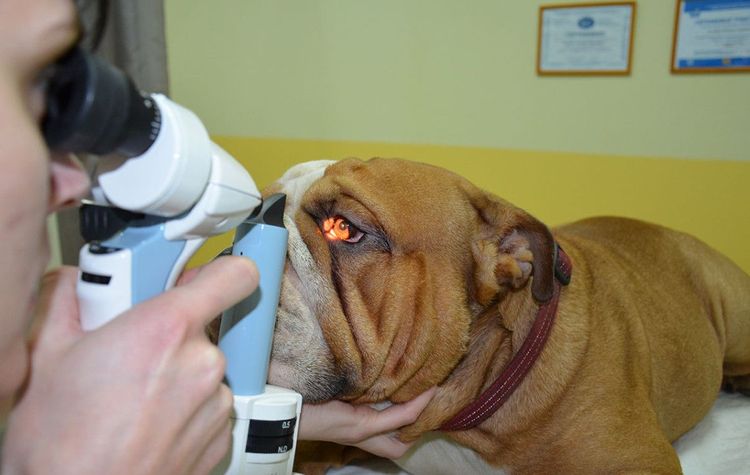
It is essential to show your pet to a specialist if the following symptoms appear:
- red whites of the eyes and inflammation of the conjunctiva;
- noticeable irritation in the eye area and itching;
- purulent discharge for several days;
- dullness or cloudiness of the cornea;
- severe swelling;
- eyesore;
- noticeable deterioration of vision;
- obvious discomfort for the dog when he constantly blinks, squints and rubs his eyes with his paws.
Otherwise, even a harmless speck of dust in the eye can lead to unpleasant consequences, including corneal clouding and even vision loss.
Changes in the animal's general well-being, such as increased temperature, sneezing, lethargy, and loss of appetite, should also be a reason to contact a doctor.
Eye problems are sometimes a symptom of internal diseases unrelated to the visual system. In this case, when determining a diagnosis, it is important to provide complete information about the animal's breed and age, living conditions, past illnesses, and any medications used. The veterinarian should clarify all the details with the dog's owner to make an accurate diagnosis and prescribe effective treatment. Treatment will depend entirely on the cause of the excessive tear production.
Medicines for treatment
To treat conditions that cause watery eyes in dogs, veterinarians typically prescribe eye drops and ointments. The most popular medications include:
- "Diamond eyes" — Contains chlorhexidine with taurine and succinic acid. The solution is suitable for use in cases of severe tearing, reducing swelling and inflammation. It is also recommended by veterinarians as a preventative measure in daily eye care for pets.
- "Leopard" — contain chloramphenicol and furacilin and have anti-inflammatory and antibacterial properties. The drops are suitable for both the treatment of inflammatory processes and their prevention.
- Tsiprovet — provide an antibacterial effect and help treat conjunctivitis and ulcerative eye lesions. The active ingredients destroy the DNA of pathogenic microorganisms.
- Tetracycline ointment contains antibiotics and is used when copious mucus and pus discharge appears. It is applied to the lower eyelid, after removing any crusts or discharge.
- Tobrex is effective against various infections that affect not only the eyes themselves, but also the tissues around them.
If a puppy's eyes are watery
In puppies, tearing occurs for the same reasons as in adult dogs. If narrowing of the tear ducts is a congenital condition, it can be detected early in life; in this case, surgical intervention may be required.
A puppy's eyes may also water due to changes in living conditions or improperly selected nutrition.
The transition to a new diet should be gradual. A sudden change in diet often leads to food intolerance, which can manifest itself, among other things, as watery eyes. In this situation, it's best to consult a veterinarian: a specialist can help ensure a smooth transition without causing unnecessary stress for your pet, and if symptoms persist, they can select a diet suitable for your puppy's digestive system.
To reduce the risk of potential eye problems, it's important to regularly monitor their cleanliness: a healthy dog's eyes should be clear, bright, not red, and free of discharge. In all other cases, you should closely monitor your pet to detect and address any health issues promptly.
Eye care rules
Eye hygiene should be included in the mandatory list of procedures for any dog, even if no problems with this organ are observed.
The basic rules are quite simple:
- Once a week, clean the eyes with a swab or cotton pad soaked in a special lotion for animals. If your veterinarian recommends more frequent cleanings, follow their instructions.
- If lacrimation is due to a breed predisposition, the frequency of treatments should be increased and performed daily.
- Before starting the procedure, be sure to wash or treat your hands with an antiseptic.
- Do not apply pressure to the eyeball during care.
Prevention of eye problems
It's not always possible to completely eliminate the risk of eye diseases, but owners can significantly reduce their likelihood. First and foremost, it's essential to ensure regular and proper hygiene care.
Additionally, the following measures should be observed:
- Avoid walking your dog in tall grass or thorny bushes, especially small breeds, as this reduces the risk of eye injury.
- Avoid touching your pet's eyes with dirty hands to avoid infection.
- Regularly carry out wet cleaning and maintain normal air humidity in the house, especially during the heating season, to reduce the likelihood of developing dry eye syndrome.
- Visit your veterinarian regularly for preventative checkups—this will help identify potential illnesses early and prevent their development.
You can also ask our website's staff veterinarian a question, who will answer them as quickly as possible in the comments box below.
Read also:


3 comments
Vladimir
I have a two-year-old Alabay. By the time he was a year old, his eyes had become red and he had frequent discharge, sometimes purulent. I treated him with tetracycline ointment, but it didn't help. I'm afraid to go to our vets; they're very weak. Could you please advise me on treatment? Thank you!
Daria is a veterinarian
Hello! Why do you think your veterinarians are weak? You self-prescribe medications that don't help, but rather promote resistance in pathogens to antimicrobials. Tetracycline is not a cure-all for eye diseases. First, the eyes need to be cleaned (chamomile tea is a simple solution, or a more serious option is an aqueous solution of furacilin, available at human pharmacies) 3-4 times a day. Then, use eye drops—tobramycin-based ones are a good option. Antibiotics should be administered intramuscularly, as purulent conjunctivitis may not be the primary condition, but a symptom of a more serious one (viral or bacterial infection).
Milana
A dog's eyes can indeed water for various reasons. I've seen this for myself, so I started using Diamond Eyes drops. I complete a course of them, and then, until the next course, I know that most of these eye problems don't pose a threat to my dog.
Add a comment