
Why does my dog's ears smell?
A strong odor coming from a dog's ears is always a sign of a problem. Healthy animals don't have an unpleasant odor coming from their ears. However, if a sickly sweet or sour odor develops, accompanied by discharge and constant scratching, this is a sign of a possible illness. Each of these conditions requires prompt and proper treatment. It's important for owners to visit a veterinarian immediately to alleviate their pet's discomfort and prevent complications.
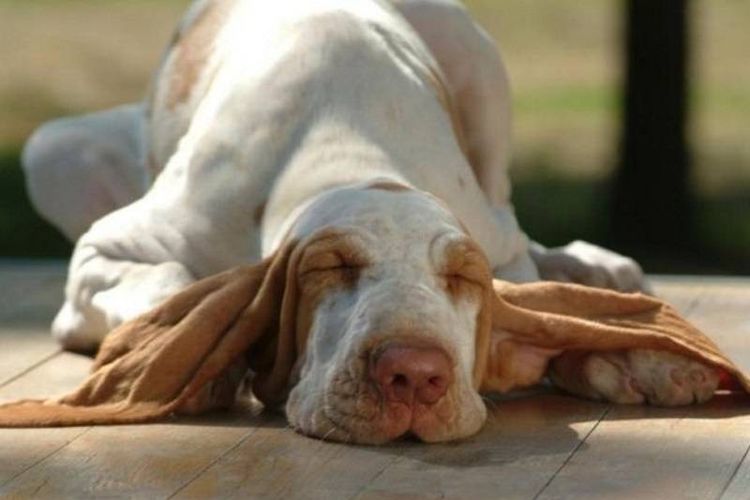
Causes of ear odor
The first thing you need to do is determine why your dog's ears smell bad. Possible causes include:
- Otitis – causes severe pain, itching in the ear and discharge, the smell of which changes depending on its nature (purulent or serous), and the auricles themselves become hot.
- An auricular (ear) hematoma occurs as a result of mechanical injury, which may cause a soft, warm swelling to the touch on the auricle, with pus forming inside and producing a strong odor. Additionally, the dog may become restless, tilt its head to the side, scratch the affected ear, and react nervously to touching it.
- Otodectosis Ear mite infestation is a condition caused by ear mites. Its characteristic symptom is the appearance of a dark, dry, coffee-like coating inside the ears. Additionally, an unpleasant odor and itching develop, causing the dog to frequently shake its head and scratch the affected areas.
- Bacterial and yeast infections are most often caused by pathogenic microorganisms that become active when the immune system is weakened or when water gets into the ears. The condition is accompanied by symptoms similar to otitis media, but with the addition of wet, brown discharge and a sour odor, which usually indicates a Staphylococcus aureus infection.
- A foreign body can cause discomfort, causing the dog to shake its head, rub against various surfaces, and scratch its ears, which can lead to inflammation. This problem most often occurs in hunting and guard breeds when dry branches or grass get into the ear canal, so it's important to carefully examine your pet after walks.
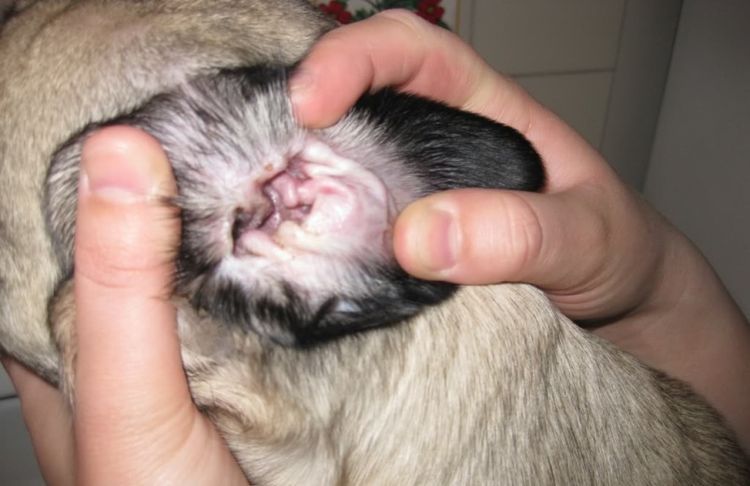
- Food allergies disrupt the pH and normal microflora in the ear canal, creating a favorable environment for bacterial and fungal growth. Their activity results in unpleasant odor.
- Physiological characteristics of individual breeds. German Shepherds and Dachshunds are characterized by increased earwax production, which is the source of an unpleasant odor, while Dachshunds and Yorkshire Terriers have a unique ear canal structure.
Among the reasons for the appearance of a strong odor from the ears can also be improper nutrition, the consequences of kidney and liver diseases, diabetes, hormonal imbalances. To provide effective treatment, it is important to determine the cause, which can only be done by a qualified physician. Otherwise, if treated incorrectly, even the mildest form of the disease can cause serious complications, including deafness and even death.
Diagnosis of the dog's condition
If a foul odor appears from the dog's ears, it's important to take it to the veterinarian as soon as possible to begin treatment quickly and relieve the pet's suffering. First, the veterinarian will perform a visual examination of the ears and ear canal using an otoscope. The owner will also discuss the pet's lifestyle and medical history with the owner.
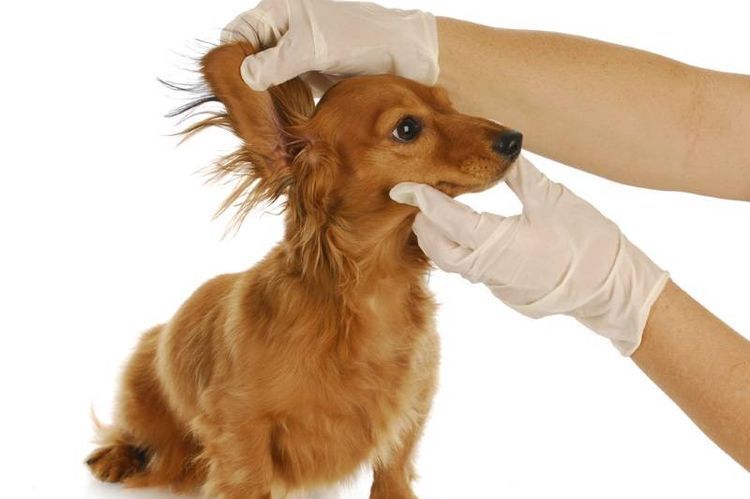
It's important to answer all questions about the animal's living conditions, feeding, bathing frequency, potential fights with other animals, and past illnesses. Additionally, a microscopic examination of the ear canal contents is performed, and, if necessary:
- blood test;
- X-ray/CT scan;
- bacteriological examination to determine sensitivity to antibiotics;
- biopsy (in case of neoplasms).
Under no circumstances should you discontinue the prescribed treatment immediately after the dog's condition improves, even if the problem visibly disappears. If the disease is not treated completely, there's a high probability that the source will remain within the body, leading to a new stage with additional complications.
Treatment
The treatment method and the names of medications will depend on the identified cause of the inflammatory process in the hearing organs and the associated unpleasant odor:
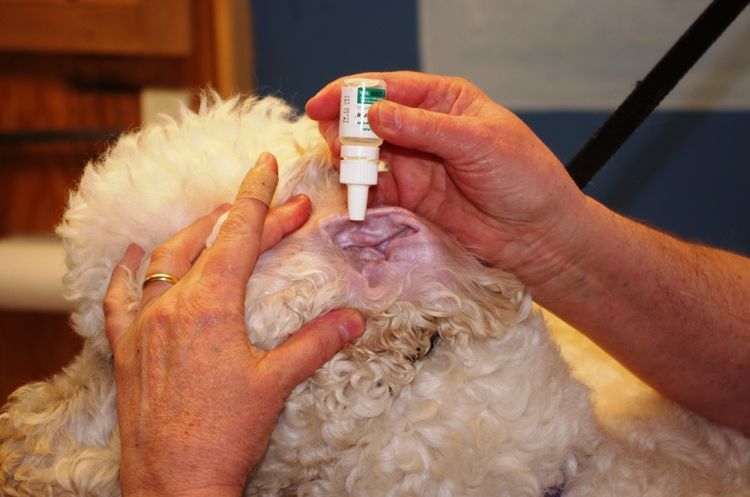
- Otitis requires regular rinsing of the ear canal with a saline solution or special lotion, followed by the use of ear drops. To do this, the liquid, warmed to the pet's body temperature, is poured into the ear canal and left there for a while, then the dog is allowed to shake its head. Following this procedure, prescribed ear drops containing anti-inflammatory, antiparasitic components, or antibiotics are administered. Otitis typically requires long-term treatment, which is important to continue until complete recovery.
- In allergies, the first step is to identify the allergen and eliminate its exposure. To alleviate the dog's symptoms, antihistamines and sometimes corticosteroids are used. Foods rich in polyunsaturated fatty acids (such as seafood) are introduced into the daily diet, and the ears are regularly treated with an antiseptic solution.
- With ear tick The appropriate drops (for example, "Bars") are prescribed and any sterile vegetable oil is used, which allows the crusts to be softened for their painless removal.
- In case of damage hematomas Constant scratching requires treating the wound with hydrogen peroxide and, ideally, applying a bandage. However, only a veterinarian should lance a complete hematoma: they will drain the blood by making a small incision and, if necessary, applying stitches.
- For yeast or other infectious diseases, special medications are prescribed, as yeast-like microorganisms are not sensitive to antibiotics. Also, to reduce the severity of the disease, it is recommended to thoroughly clean your pet's ears every day.
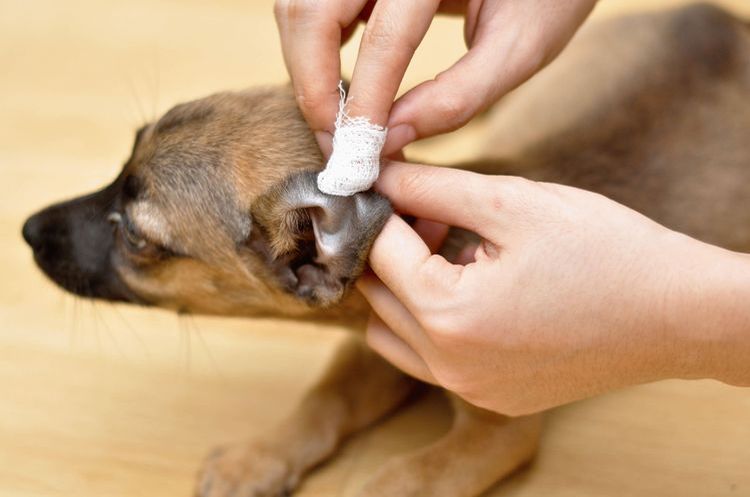
Note! If your dog is constantly scratching its ears or rubbing them against walls and furniture due to persistent itching, you can use a protective ear collar to prevent excessive scratching and damage, which can worsen the inflammation.
Preventive measures
The main rule: prevention is always better than cure. Regular ear inspections and cleaning every 7-10 days help prevent infections caused by accumulated dirt. Cotton swabs are not suitable for cleaning; it's better to use a cotton pad with a special solution or hydrogen peroxide. Dogs that have recently had an ear infection should be cleaned only with lotions or other prescribed products recommended by your veterinarian.
For shaggy breeds, it's important to keep the inside of their ears free of hair, as this will cause them to become damp and create a breeding ground for bacteria. You can remove excess hair yourself or have a groomer remove it during your pet's grooming session.
Video: How to properly clean a dog's ears
Read also:
- Allergic otitis in dogs
- Otibiovin - drops for dogs
- Dog scratching ears and shaking head: causes and treatment


Add a comment