
Why might a dog have a dry nose?
Any dog owner knows that if a dog has a dry nose, they need to pay close attention to their well-being. Among the many different causes, some are completely harmless. It's important to understand the possible causes of a dry nose and what steps to take.
Content
When you shouldn't worry
A dog's sense of smell is so highly developed that it can detect not only odors undetectable to humans but also the slightest vibrations in the air. Glands located both inside and outside the olfactory organ secrete a special secretion. If the pet's body is functioning normally, the skin of the nose is moist and cool. The opposite condition does not always indicate any underlying medical condition.
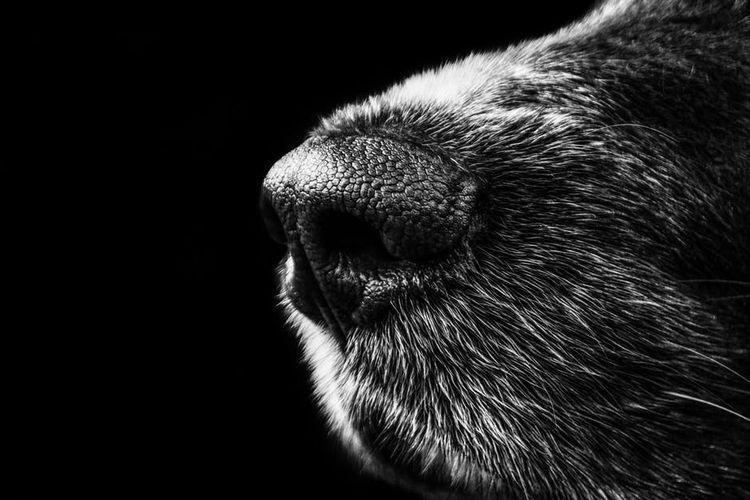
There are several completely harmless factors that explain why a dog has a dry nose.. These include:
- Sleep. During this period, metabolic processes slow down, secretory function decreases, so the animal's nose remains dry and warm for 15–20 minutes after waking.
- Overfatigue. Physical exertion or prolonged active play can cause the nose to dry out.
- Reaction to windy weather. Animals are very sensitive to weather conditions.
- Changing teeth in a puppy.
- Period of hormonal changes (pregnancy, estrus).
- The first day after birth.
- Individual features of the organ structure and metabolic rate lead to the fact that the animal experiences dry nose throughout its life.
As a result of these factors, the olfactory organ remains dry for a short period of time. When this symptom persists for several hours and is accompanied by additional symptoms, it may indicate the onset of a medical condition.
When a dog's dry nose is a sign of illness
Other accompanying symptoms also indicate a deterioration in the pet's health:
- Lethargy. The dog seeks solitude, hides in a dark place, and loses interest in games and entertainment.
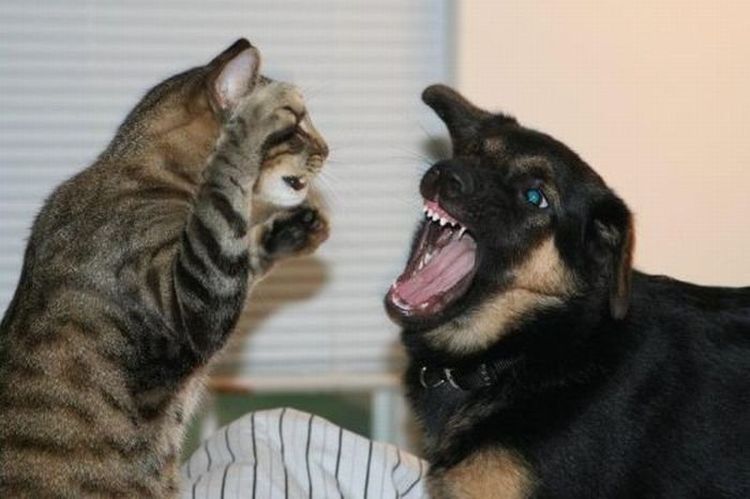
- Aggression. May manifest as a result of increased irritability caused by illness.
- Combing the muzzle.
- The fur becomes tousled.
- Breathing is difficult, wheezing is heard. Sneezing begins, cough.
- Bowel problems. Eating grass often causes vomiting in dogs.
- Elevated body temperature.
- No appetite. This indicator does not change without a serious reason.
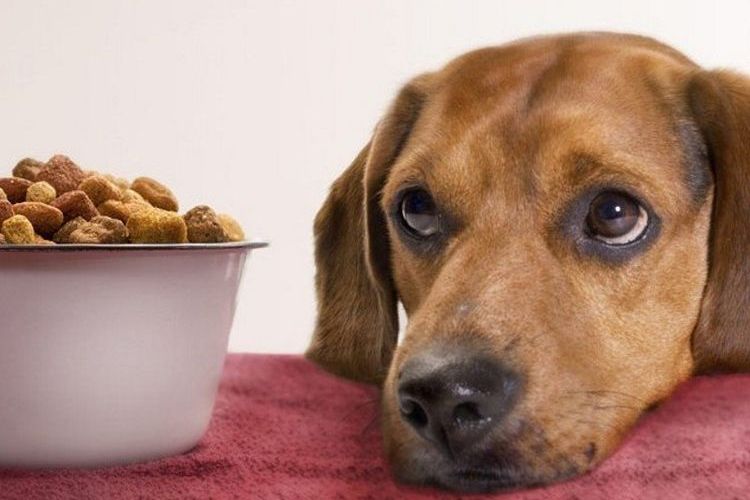
If your dog's nose is warm and dry, along with any of the above symptoms, it's important to take your pet to the vet. Prompt treatment of any underlying condition significantly increases the chances of recovery. If the dry nose is caused by an underlying medical condition, your veterinarian will advise you on the appropriate course of action. They will first establish a diagnosis by conducting a thorough examination. Excessive dryness can indicate a variety of conditions.
Allergy
This is one of the most common causes of a dry nose in dogs. Along with this symptom, many others occur. The animal rubs its face with its paws and scratches itself incessantly. A rash forms. dandruffThe skin begins to flake, and the coat becomes excessively dry. All efforts are aimed at identifying the allergen. This could be food, pollen, or house dust. A common allergen is a bowl made of synthetic materials, so it is recommended to replace it with a ceramic or metal one.
Avoid exposing your dog to synthetic materials, wool, rubber, and polymers. Avoid bathing your pet, especially with detergents. Avoid using household chemicals when cleaning your apartment for a while. Avoid flowering plants when walking your dog, and carefully observe its condition. Be sure to record any avoided items. As soon as you notice an improvement in your dog's condition, present the list to your veterinarian. Testing can sometimes help identify the allergen.
Pemphigus
A condition with this name is common in dogs, characterized not only by a dry nose but also by the appearance of blisters—fluid-filled bubbles. When they mature, they burst, leaving behind dried crusts. The accumulation of blisters interferes with the dog's breathing. Factors that trigger the development of the disease include certain medications, infections, and ultraviolet radiation.
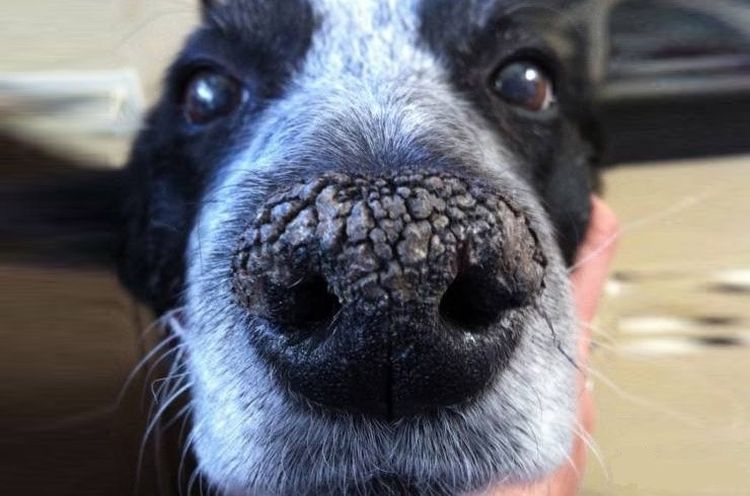
The type of pathogen can only be determined based on test results. Treatment is prescribed based on these results.
Cold
A dry nose in a dog can be caused by a cold. This is characterized by lethargy, drowsiness, wheezing, and sneezing. A fever is also possible. Even if you manage to alleviate your pet's condition at home, it's essential to take them to the veterinarian to rule out any other underlying conditions. development of pneumoniaOtherwise, serious long-term treatment with antibiotics, IVs, and other procedures will be required.
In its advanced stages, the disease can be fatal. Therefore, it's important to begin treatment at the first sign of symptoms, and don't ignore a dry nose. Self-medication is unacceptable if pneumonia or bronchitis is suspected. First aid measures to help alleviate the condition include:
- Create a calm environment. Offer the dog tasty food and provide water.
- Maintain an optimal room temperature. It shouldn't be too hot or too cold. It's important to ensure there are no drafts.
- Reducing walking time to 15 minutes.
- If your pet is shivering severely, cover it with a warm blanket or place a heating pad next to it.
- Brushing the fur. This massage improves blood circulation and activates the immune system.
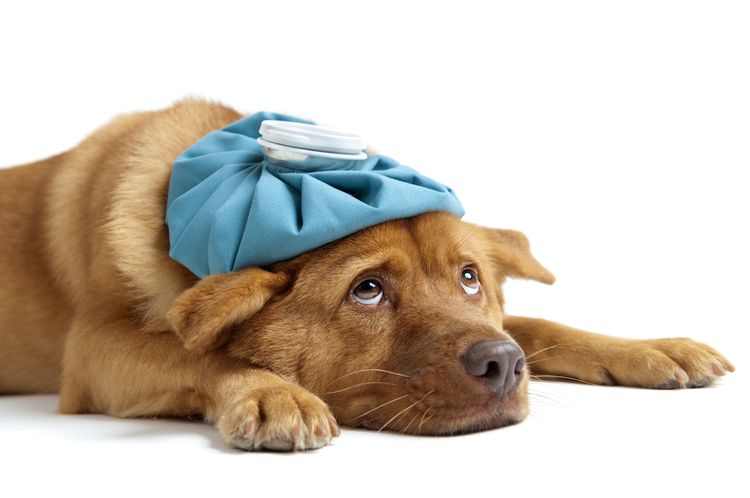
When it's not possible to take your dog to the vet, and wheezing, coughing, and other symptoms worsen, broad-spectrum antibiotics are necessary. Additionally, medications that normalize the intestinal microflora will be needed.
Worms
As a preventative measure, dogs are always given anthelmintics. Parasites can not only cause unpleasant symptoms but can also cause death.
A worm infestation is accompanied by constipation, temperature fluctuations, and signs of intoxication. The dog becomes lethargic and loses interest in life. Severe infestation leads to bulging of the peritoneum. Therefore, if you notice a dry, warm nose or any of these symptoms in your pet, you should immediately seek veterinary attention. After receiving the test results, appropriate anthelmintic treatment will be prescribed. Espirantel, Febantel, and Pyrantel are commonly used for this purpose. Regular deworming eliminates the possibility of worm infestation.
Plague
A warm nose can be a sign of a more serious illness: distemper. The dog becomes depressed, which worsens if left untreated. The animal refuses to eat, becomes weak, and digestion is disrupted. Pus accumulates in the eyes and around the nasal passages. The nose becomes dry, becoming not just warm, but even hot. When walking, the dog staggers, falling to the side. In advanced cases, seizures and fainting are possible.
Rabies
A highly dangerous disease that can be transmitted to humans and other animals. It is incurable. In addition to the symptoms typical of many other diseases, rabies is characterized by photophobia. Initially, the dog will drink water, but later develops a fear of it. A dry, hot nose is one of the first signs of the disease. An infected animal must be euthanized.
Other causes of a dry nose in a dog
This symptom doesn't always require immediate medical attention. It's important to understand what a dog's dry nose means and explore all the possible causes. It could be due to injury. Therefore, the animal should be examined, given first aid, and taken to the veterinarian. A dog's olfactory sense is hundreds of times more sensitive than a human's. Even the slightest scratch from a cat's claws or branches can cause pain. As a result, the tip of the nose becomes dry and hot. Avoid treating the wound with iodine or brilliant green, as this can aggravate the pain.
Prolonged exposure to the sun can cause sunburn on skin unprotected by fur. The nose is the first to be affected. The doghouse should be positioned so that the dog has access to shelter from the sun.
In winter, severe frost and wind are often the cause of a dog's dry and cracked nose. These natural factors cause painful cracks to form on the nose.
A cold, dry nose could be a sign of hypothermia or a drop in body temperature. This symptom, combined with pale gums and dull eyes, is a reason to seek veterinary attention.
When a dry nose is due to physiological factors or climatic conditions, lubricating it with Vaseline or vegetable oil is sufficient. Close observation of your pet will help detect the onset of the disease early.
You can also ask our website's staff veterinarian a question, who will answer them as quickly as possible in the comments box below.
Read also:


7 comments
Anastasia
You can't feed your dog meat in the summer, etc. If your dog already has a dry nose and doesn't want to eat
Then you need to take the minimum amount and give it to the dog with a syringe. IS IT ALLOWED FOR A DOG TO DRINK BREAD AND WATER IN HOT TIMES??? Take care of your dogs.
Elena
Hello. My Chihuahua has a dry, warm nose and no appetite. What could this be?
Daria is a veterinarian
Hello! Imagine calling the clinic reception or your primary care physician: "I have a warm forehead, I'm lethargic, I have no appetite—what's wrong?" What will they tell you? Ask about the temperature and come in for an examination. Neither human nor veterinary medicine can provide a diagnosis remotely. Especially without a single examination, clinical examination, and a complete medical history. You haven't provided the animal's gender, age, vaccination history, or other treatments, what kind of walking it does, how long ago it started, diet, any care provided, any recent surgeries/visits to the veterinary clinic/places with other animals (including unvaccinated ones), or its body temperature. At least some basic medical history is necessary to understand how to proceed with further data collection and testing.
Anton
Hello, I have a 1.5 month old male husky puppy. His nose is dry and he has no appetite. What should I do?
Daria is a veterinarian
Hello! Don't feel the nose, but take the temperature. He probably hasn't been vaccinated yet, so it's best to go to the clinic as soon as possible. At this age, it's very easy to catch an infectious disease. If the temperature is above normal, it's very important to rule out viral illnesses (vomiting and diarrhea may also occur). Then you'll need to administer serum, antiviral medications, antibiotics, and an IV.
Elena
Hello. I have a 2.5-year-old female Labrador. Her nose is dry at the tip and still has some flakes… the doctor says she shouldn't be exposed to the sun more often. What do you think?
Dasha is a veterinarian
Hello! What are you feeding him? How is he drinking? Is his fur shedding? Is there any rash on his skin? Are you giving him any vitamin supplements? Is it the tip of his nose—is that the very tip of his nose, or is it where the black "patch" begins, bordering the skin? Has he had any contact with chemicals (he couldn't get his nose anywhere)? How long ago did this start?
Add a comment