
Why do dogs lose hair?
Animals typically lose hair a couple of times a year—during the spring and fall shedding periods. This is a normal seasonal phenomenon that requires no intervention. However, if this period is still some time away and the coat is noticeably thinning and shedding rapidly, the owner should be concerned about the pet's health. Seasonal shedding also doesn't cause changes in the dog's behavior or well-being, and exposure to other factors is often accompanied by loss of appetite, lethargy, and scratching of bald patches. In such cases, it's important to determine the underlying causes and take appropriate measures to address them.
Causes of hair loss
A veterinarian can determine why a dog is losing hair after examining the animal and conducting the necessary tests. If your pet's hair has thinned rapidly or bald spots have formed, it's time to consult a specialist, as this could be a symptom of a serious condition that can only be treated with medication.
There are two main groups of causes of hair loss:
- hormonal nature - changes in the functioning of the body caused by disruption of individual glands;
- non-hormonal - disorders caused by other, usually external, factors.
When hormonal levels change, baldness occurs symmetrically throughout the body, whereas an asymmetrical, chaotic distribution of bald spots indicates other diseases not associated with hormonal imbalances.
Hormonal disorders
The most common hormonal causes of unscheduled shedding include:
- Excess cortisol (Cushing's syndrome) – in addition to baldness, it is accompanied by intense thirst and profuse urination, frequent infectious diseases, swelling and sagging of the abdomen.
- Growth hormone deficiency – usually manifests itself during puberty in male dogs as the formation of symmetrical bald spots on different parts of the body.
The breeds most susceptible to this hormonal disorder are considered to be Chow Chows, Boxers, Poodles, Pomeranians and Airedale Terriers.
- Excess estrogen is accompanied by hair loss in the genital area in females and swelling of the foreskin in males.
- Estrogen deficiency – most common in spayed middle-aged females – initially causes slow hair growth in the genital area and subsequently in other areas of the body. Existing hair thins, and the skin becomes very soft and delicate.
- A disruption in the production of thyroid hormones (hypothyroidism) causes brittle and dry fur and bald spots on the neck, chest, back, and other areas, along with lethargy and apathy, a sharp increase in body weight, and decreased resistance to infection.
Non-hormonal causes
If your dog's hormonal balance is normal, other causes of excessive hair loss should be investigated. Among the most common options are:
- Allergic reactions are also accompanied by irritation and scratching of the skin, and reddened eyes. They can be caused by food, household cleaning products (used for grooming the dog or cleaning the apartment), or seasonal allergens.
Important: Animals fed natural food experience allergic reactions much less frequently than those fed prepared dry food.
- A weakened immune system can persist after serious illnesses, so it's important to support your pet's health during this period with additional vitamin and mineral supplements.
- Zinc deficiency causes dry, rough, bald skin, flaking, and cracking of the soft pads on a dog's paws.
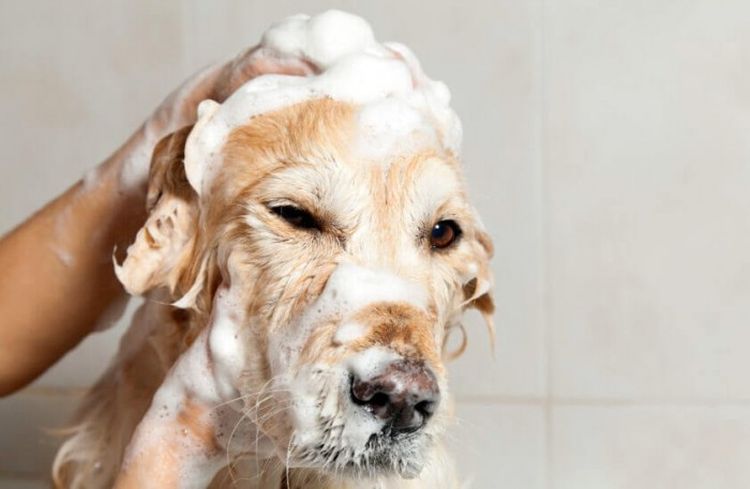
- Incorrect grooming: Avoid using human shampoos or excessively hot water when bathing pets. Long-haired pets are recommended to be given a full bath once a month, and wire-haired pets even less frequently. Regular brushing is essential.
Frequent bathing causes the washing away of the fatty substances that form a protective layer on the dog's skin, resulting in a deterioration in the quality of the coat, which becomes drier and thinner.
- Fleas and other parasites - the dog behaves restlessly and scratches their bites, which is accompanied by significant thinning of the coat.
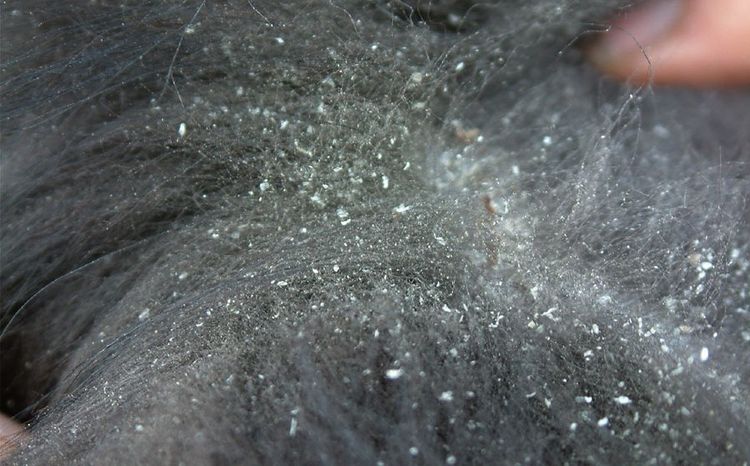
- Dandruff (seborrhea) - can also cause hair loss in the most affected areas or be a secondary sign of the disease (eczema, dermatitis, diabetes mellitus, etc.).
- Stress and anxiety – often the occurrence or prolonged exposure to stressful factors brings suffering to the pet and can cause partial or complete baldness.
Toy breeds are especially susceptible to stress. For example, Chihuahuas can become nervous due to vigorous play and loud noises. To relieve stress, provide them with quiet, restful rest, limit alone time, and avoid harsh handling.
- Scabies – caused by the presence of tiny scabies mites and accompanied by itching, the dog's hair falls out in patches. Initially, small patches of hair loss are observed around the eyes and corners of the mouth. However, if left untreated, the bald spots merge, forming a continuous bald patch, and pyoderma (a bacterial infection) may develop.
- Mutation alopecia (Blue Doberman syndrome) is characterized by widespread hair loss across all areas of the body, with pustules and papules forming. Visually, the animal appears to have been moth-eaten.
- Yeast infections most often develop in areas of increased moisture (such as the armpits, skin folds, or areas between the toes) and are accompanied by an unpleasant odor and excessive oiliness in the affected areas.
Breeds with wrinkled skin and a large number of folds on the body, such as Shar Pei and Bulldogs, are most susceptible to this type of infection.
- Solar dermatitis – characterized primarily by facial baldness, can also cause ulcers and the development of autoimmune problems.
- Sebaceous adenitis causes symmetrical baldness on the head, neck and back of the animal and may be accompanied by an infectious lesion of the hair follicles.
Treatment
There's no universal cure for alopecia. Hair loss can be triggered by a number of factors, so treatment depends entirely on the source of the problem. If alarming symptoms appear, pet owners should consult a veterinarian to examine the dog, assess the condition of the coat, conduct the necessary tests, and identify the cause of the hair loss. Diagnosing the cause at home is not only ineffective but also unsafe, as hair loss can be not only a harmless allergic reaction but also a symptom of a disease that poses a threat not only to the pet but also to family members.ringworm, scabies).
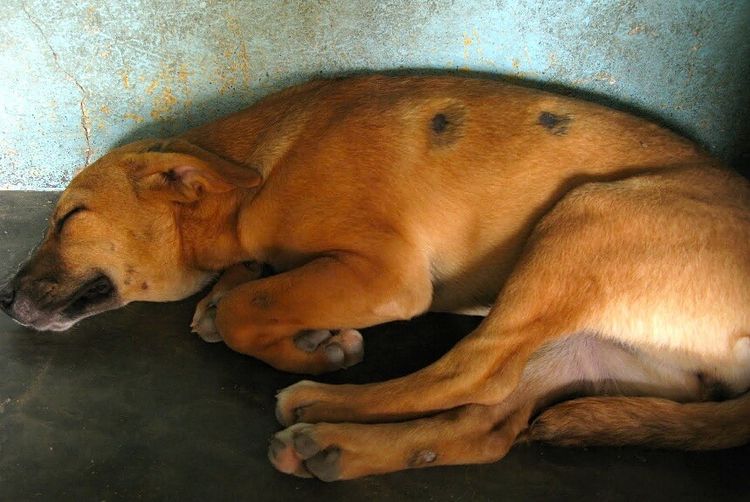
Depending on the examination results and symptoms, the doctor will prescribe the necessary treatment:
- For hormonal imbalances, specialized medications to stabilize hormonal levels, such as Trilostane and Metatonin, are most often prescribed. If recovery is not achieved within 6 weeks, medications should be reviewed.
- For fungal infections, topical lotions and ointments containing ketoconazole, miconazole, or clotrimazole are used. For systemic treatment of pathogens, griseovulfin (or itraconazole) is used, along with additional vaccines to accelerate healing and suppress fungal activity.
- For parasite infestations, shampoos, topical drops, sprays, injectables, and collars are effective. These can include products specifically designed to eliminate a single parasite, or comprehensive treatments that guarantee elimination of ticks, fleas, and worms (such as Stronghold or Bars drops, Inspector, Frontline, and Beaphar sprays).
- Dandruff is effectively treated with special shampoos that not only remove flakes but also soothe irritation and regulate sebum production. These include Stop-Doctor with birch tar and GlobalVet.
Each treatment option can be supplemented with vitamin and mineral complexes, fish oil, and other medications to strengthen the immune system.
By taking preventative measures, most hair loss problems can be avoided altogether. To do this, ensure your pet has a balanced diet and proper grooming, keep up-to-date on vaccinations and antiparasitic treatments, and regularly inspect your dog's body after walks.
You can also ask our website's staff veterinarian a question, who will answer them as quickly as possible in the comments box below.
Read also:


12 comments
Catherine
French bulldog, 6 months old. A month ago, I discovered a small bald spot on his forehead and started treating it with Fungin Forte. It didn't help, and smaller bald spots appeared in two more places. They're not completely bald, but the fur is thinner. The dog is also covered in dandruff and has started shedding a lot (maybe it's spring shedding, I'm not sure). We took him to the vet, who shone a violet light on him and said there were no infections, no ringworm, or anything else, but didn't do any tests or imaging. He prescribed Polidex Super Wool Plus vitamins and forbade him from giving vegetables, only meat and grains. He said all the problems are due to a vitamin deficiency (although I gave him Unitabs Junior Complex vitamins) and that he can't digest the fiber found in vegetables. More than two weeks have passed, we've been giving him vitamins, switched him to food, and are not feeding him any other foods. The dog isn't getting any better; the bald spots remain, not growing back, and the dandruff persists. He feels great, has a good appetite, plays constantly, and is cheerful.
Can I trust a vet who didn't even run any tests? Or should I go to another clinic?
Daria is a veterinarian
Hello! If there are other clinics in your city, you can visit them for peace of mind. The violet lamp is a Wood's lamp. It is used to diagnose fungal infections such as microsporia (if spores are present, there will be an emerald glow). However, if the animal is black, there may be no glow. If the animal has trichophytosis (and this is a different pathogen, a different fungal infection; ringworm is a general term), there will be no glow! Therefore, a trichoscopy (examining the hairs under a microscope) and scrapings will provide more information. But! You've already applied the ointment and received treatment. There's no point in taking samples from the treated areas for testing. Fur takes a long time to grow back, and if the animal has a strong immune system, it will "heal" on its own within a month or two—by this time, the immune system will have "learned" to fight the fungus. Rule out allergies. What kind of meat and grains?
Karina
I have a Yorkie, and I started having terrible coat problems six months ago. We took some vitamins, had tests done, and everything seemed fine, but her coat still fell out and became dull. One doctor suggested changing her food, so we started giving her Hill's, and literally within a month, everything was back to normal. So, with problems like this, I'd definitely start looking at her nutrition.
Dasha is a veterinarian
Hello! That's not quite right. You started with tests, not feeding. And that's more important. Problems with one of your pet's organs could be causing the hair loss. Biochemistry and additional testing can help rule out serious health issues. After all, if your pet has a thyroid problem (which is why their hair sheds terribly), you'll need one therapeutic diet; if it's a kidney problem, another; if it's a gastrointestinal problem, a third diet; if it's diabetes, a fourth... And choosing the right food, as you can see, isn't so easy. But you're right that it's important to feed a balanced diet with good super-premium or holistic food, not cheap junk or anything you can find on your table, just so you don't throw it away (as many people like to do). And the quality of your pet's food plays a huge role in their health!
Catherine
Hello! My German Shepherd is 8 years old. She has very sparse hair on her belly, chews the hair on her back near her tail, and is constantly itchy, especially her belly. She was dewormed in February and treated with Bars in July.
Dasha is a veterinarian
Hello! Repeat the deworming (every 3 months), wash for skin parasites, and buy stronger drops (Advocate, Inspector, Frontline at least). What are you feeding? Has a food allergy been ruled out? Have you tested it on white paper? Stroke the animal against the grain, placing a damp white sheet of paper under it. If brownish-red crumbs fall on it and begin to dissolve on the paper, this is blood digested by skin parasites. If nothing spills, then take your pet to an appointment for an examination. Dermatology is a vast science. Without seeing the animal, it's impossible to make a definitive diagnosis or recommend treatment.
Natalia
Hello! I have a 2.5-year-old American Hairless Terrier. For two weeks, he's been scratching the base of his tail (rump). His entire back is red and covered in crusts, which initially appeared pustular. The crusts are falling off along with the fur. The vet took a fur scraping and found no parasites or mites. We washed him with tick shampoo and gave him suprastin. Things have improved a little, the swelling has gone down, and the itching has subsided. We've now taken a crust culture and prescribed antibacterial shampoo and chlorhexidine treatment. I'll also select a specific area and apply Triderm ointment. We'll monitor his reaction. We feed him beef, and he eats vegetables well, sometimes even cereal. He was allergic to chicken.
Maybe you can suggest something? We dewormed him a long time ago; could worms have caused this? (We haven't seen any visually.) He also hasn't had a female dog; could it be a hormonal surge?
Dasha is a veterinarian
Hello! Well, start with deworming. Wash with shampoo containing chlorhexidine (a good antiseptic). Change the diet. Try switching to commercial Hills D/D (a food specifically designed for allergy sufferers; it contains only one type of protein and one type of carbohydrate, which are easily digestible and very rarely cause allergies). You should stick with this food for about three months. Then you can gradually switch to another hypoallergenic food. If the problem persists, you can stick with D/D for life.
Irina
My male Husky is 6 years old. For the first two years, his coat was beautiful! Now, it's all undercoat, no long hair anywhere, and his tail is terrible! He's a terrible, mangy dog! He rarely sheds, once every two years, meaning the undercoat begins to peel away from the skin, which otherwise clings tightly. Hair around his neck has started falling out, and his neck has become bare. We live in a remote area of Yakutia, and there's no veterinary clinic. Today, they brought him some vitamin Vitam. I'm wondering if he should get a course of injections. What advice can you give me, dear veterinarians? It's a shame I can't upload a photo for viewing.
Dasha is a veterinarian
Hello! The medication is good, and a course of vitamins and amino acids wouldn't hurt (read the instructions carefully before administering to avoid overdosing). Another question: what are you feeding your pet? Since the fur shedding has started so much, it's likely the diet is unbalanced. When was the last time you dewormed it? Have you eliminated fleas and bloodsuckers? Have you brushed your pet (these furry creatures need to be combed at least once a week with a special brush to remove loose fur and prevent matting). My advice: if you haven't dewormed your pet in a while, deworm them, give them a course of vitamins and amino acids, and be sure to review and balance their diet!
Elena
A 12-year-old dog. A week ago, he started dragging his back leg. He was shaking a lot. His thick, long fur gradually fell out, leaving behind a matted undercoat. I thought it was because of the warm winter that he wasn't growing any fur. Today, I noticed that the area near his collar was just bare skin, and just below that, there was a bald spot that had been scratched until it bled.
Dasha is a veterinarian
Hello! Take your dog in for an in-person examination and have him tested. We need to rule out allergies, skin parasites (including scabies mites), metabolic disorders, and internal inflammation. How is the dog kept? What does it eat? How long has it been since it was dewormed? Has it had any injuries (since it's started dragging its paw)? Is the collar tight or rubbing (since it's scratching like that)? Has it been dewormed (if so, what product was used)?
Add a comment