
Why do cats' whiskers fall out and break? What to do
Many people know why cats use whiskers. They use them not only to smell but also to sense the world around them. Therefore, many owners want to know why their cats' whiskers break or fall out, and what to do about it. Let's look at each of these questions in more detail.
Content
Why is my cat losing its whiskers?
Pet lovers need to know that cats are naturally designed to shed their whiskers periodically, and be able to distinguish this natural phenomenon from pathology.
The elongated hairs we're interested in, called vibrissae, do fall out when they wear out. This has nothing to do with shedding. After the old hair is lost, a new one grows in its place. Sometimes a cat can lose its whiskers due to carelessness or curiosity—for example, being intrigued by a bright light.
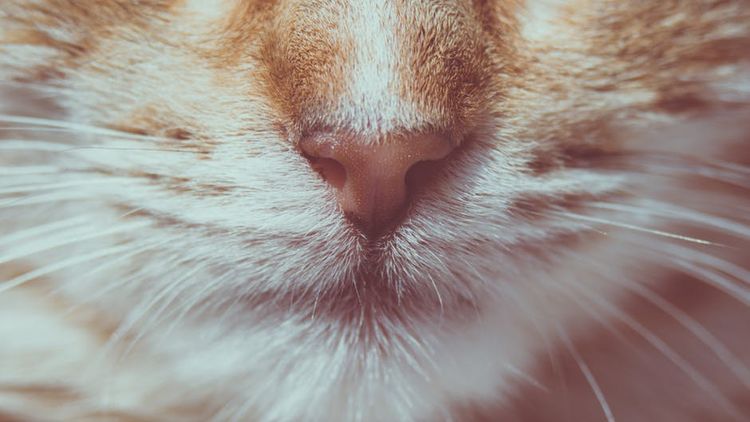
Male cats that win feline fights demonstrate their dominance and dominance in the yard by nibbling off their rival's whiskers. Maternal instinct tells cats that nibbling the whiskers of spoiled kittens can calm them and keep them close.
Why do hairs fall out?
If it's not just a matter of coarse hair shedding, why is my cat losing its whiskers? This is a question that inexperienced owners often ask online. Whisker loss occurs due to problems in the animal's body, so it's important to recognize the symptoms and take action promptly.
Overactive thyroid gland
Hypothyroidism is common in older cats. This condition affects all body systems and leads to increased metabolism. In addition to whisker loss, other symptoms include:
- the properties of the wool deteriorate;
- the animal is hyperactive and noticeably nervous;
- appetite increases against the background of weight loss;
- the pet experiences increased thirst, which it constantly strives to satisfy;
- Sometimes diarrhea and vomiting occur.
Dermatological bacterial infections and the presence of parasites
Compared to hair roots, whisker roots are located quite deep in the skin. They are surrounded on all sides by nerves, blood vessels, and sensitive muscles. The development of a bacterial skin infection or the proliferation of parasites A cat's facial hair is often the cause of whisker loss. Such conditions, accompanied by unbearable itching, are easily detected during an initial skin examination.
Diabetes mellitus (diabetes insipidus)
These hormonal imbalances lead to metabolic changes. Diabetes in middle-aged and older cats typically presents with symptoms such as increased thirst, frequent urination, and excessive appetite, coupled with general exhaustion. The pet requires immediate help; otherwise, the condition will worsen, and whisker loss, compared to other problems, will become unnoticeable.
Food allergy and non-food allergic reaction
A cat's body, like a human's, can react unexpectedly to certain foods. Whisker loss and wool, accompanied by itching, redness of the mucous membranes, profuse salivation and discharge from the eyes - a condition caused by an allergic reaction.
Non-food allergies can be triggered by a variety of chemicals, certain plant species, and other objects introduced into a cat's environment. Determining the exact cause of the allergy can sometimes be very difficult, requiring a process of elimination. Treatment will require antihistamines.
Metabolic disorders
When any illness occurs, a cat's metabolism accelerates, both in young and old age. These pathologies manifest themselves as elevated temperature, fluctuating heart rate, and other changes in overall health.
In any case, there's no need to ponder for long about why your cat's whiskers are falling out—a veterinary specialist will explain in detail what to do in this situation.
Why do mustaches break?
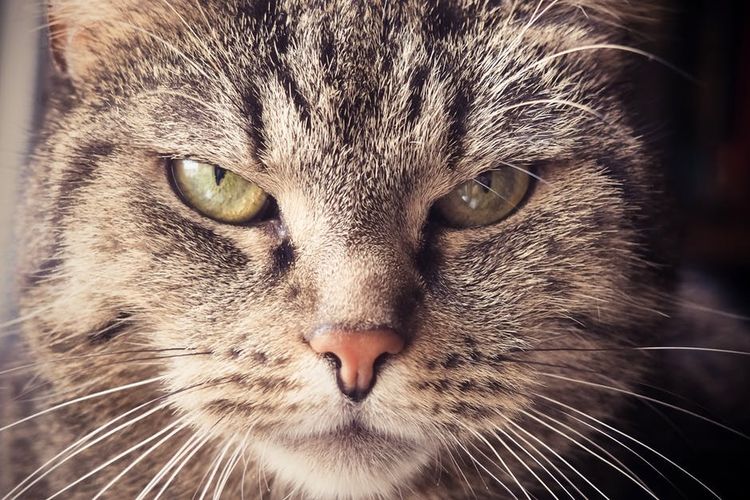
Don't panic if your pet's whiskers break off occasionally.
This phenomenon is often caused by hereditary factors. In representatives of some cat breeds, for example, sphinxes, vibrissae break at the behest of capricious, inventive nature.
Among the unnatural ones, the most common reasons are the following:
Lack of vitamins.
Vitamin deficiency is sometimes the root cause of a cat's broken whiskers. Other signs can also help clue owners in to a mineral deficiency:
- wool hairs fall out;
- the claws look painful and brittle;
- a foul odor comes from the mouth.
Pets often suffer from taurine deficiency (due to the rare presence of meat products in their diet) and collagen deficiency, as they are unable to obtain it themselves. A gradual decline in collagen levels in a cat's body can lead to irreversible changes and explain why a cat's whiskers are breaking. Every professional breeder knows what to do if this problem is detected. Special vitamin and mineral supplements help constantly replenish the supply of this precious element.
Unbalanced diet.
Another reason why a cat's whiskers break off is the presence of unsuitable foods in the diet, such as excessive amounts of fish or cheap commercial food. In the absence of other symptoms suggesting serious illness, an improper feeding system may be the only explanation for whisker loss.
Fungal infections.
Various fungi, penetrating all layers of the skin, attack the hair follicle, which becomes clogged, preventing the whisker from growing; or damage the structure of the whisker, causing it to break off.
Infection with parasites and helminths.
The body throws all its energy into fighting parasites. Neglected whiskers break from lack of attention. Lice that have taken up residence in their hair follicles often chew through their whiskers.
Whiskers also become brittle due to the proliferation of helminths in the body. The worms literally intercept beneficial nutrients en route to the cat's organs, and they also constantly poison and weaken the body as they live.
Pet lovers sometimes wonder why kittens' whiskers break off. The answer is simple: all little furry creatures experience breakage and loss of whiskers during adolescence. Consulting a veterinarian can help your pet through this difficult time.
What to do if your pet's whiskers start to fall out
Noticing this problem, every inexperienced owner wonders why their cat's whiskers are falling out, what to do, and how to help. When hair loss is rare and temporary, there's no need to worry. Frequent and severe whisker loss and brittleness are reasons to immediately visit the veterinarian.
Ignoring the problem can lead to serious complications as certain diseases progress. Therefore, after an accurate diagnosis, treatment should be started immediately to save your pet not only from whisker loss, but also from death.
If an examination and conversation reveals that the loss of whiskers was caused by an improper feeding system, a veterinarian will help adjust a new balanced diet.
Whiskers returning to their original shape will be living evidence that restorative changes are taking place in the cat’s body.
How to prevent mustache loss
To ensure your cat has beautiful, strong, and healthy whiskers, you need to take steps to prevent them from losing their shape:
- Regularly wash and treat your cat's fur against parasites;
- develop a diet and feeding schedule suitable for your pet;
- eliminate possible allergens in a timely manner;
- adhere to the vaccination schedule against viral infections;
- undergo preventive examinations;
- do not self-medicate;
- make sure that vitamin supplements are always available;
- provide good care and suitable living conditions.
All new cat owners should understand that a cat's whiskers should not be trimmed. Without them, the animal will have difficulty navigating outdoors and indoors at night. Pulling a cat's whiskers is a habit that owners should break to avoid causing unnecessary discomfort to their pet.
By following these recommendations, you're unlikely to panic and search for an answer to the question of why your cat's whiskers are breaking or individual hairs are frequently falling out.
Any questions? Our veterinarian will answer them as quickly as possible in the comments below.
Read also:


Add a comment