
Why does my cat have bad breath?
Pet owners often wonder why their cat has such foul breath. Even a clean, well-groomed pet, spending days in a warm and cozy apartment, can sometimes notice a foul odor coming from their breath. Only a timely visit to the veterinarian can help identify the cause of this condition, scientifically known as halitosis.
Content
Reasons why a cat has bad breath
A cat's oral cavity contains a certain number of beneficial bacteria, whose main function is to digest food and maintain healthy microflora. They also inhibit the growth of pathogenic microorganisms.
When, for some reason, harmful bacteria rapidly multiply, a cat's breath develops foul odor. Each age group of felines has its own predisposition to pathogenic microflora growth. In young cats during their first year of life, these include:
- Disruption of the process of changing baby teeth.
- Oral trauma.
- Malocclusion.
- A foreign body or piece of food stuck in the mouth.
- Viral diseases (rhinotracheitis, calicivirus).
- Ulcers on the lining of the mouth caused by infection.
Common causes of odor in animals aged 1 to 9 years include:
- Availability tartar, plaque deposition.
- Injuries sustained in fights with other cats or from chewing bones.
- Gum inflammation, often accompanied by a bacterial infection. Dental disease can be identified by the way a cat chews its food. It chews on one side, with its head slightly tilted.
- Stomatitis. Viruses and bacteria that multiply in the mouth cause tissue death and halitosis.
Types of odor and their causes
| Type of smell | What does it mean? | Possible problems |
|---|---|---|
| Fishy, ammonia | Appears immediately after eating food | Stuck fragments, wet food |
| Putrefactive | Notes of rottenness and decay | Gingivitis, abscesses, tumors of the mucous membrane |
| Acetone (sweet and sour) | The smell of film and sweet fruits | Diabetes mellitus |
| Ammonia | A sharp chemical smell | Renal failure |
| Fecal-cadaveric | A very sharp, pungent, rotten smell | Tissue decay or anaerobic infection |
In cats over 10 years of age, the odor may be caused by:
- Diseases of internal organs.
- Formation of tumors.
- Diabetes mellitus.
- Renal failure.
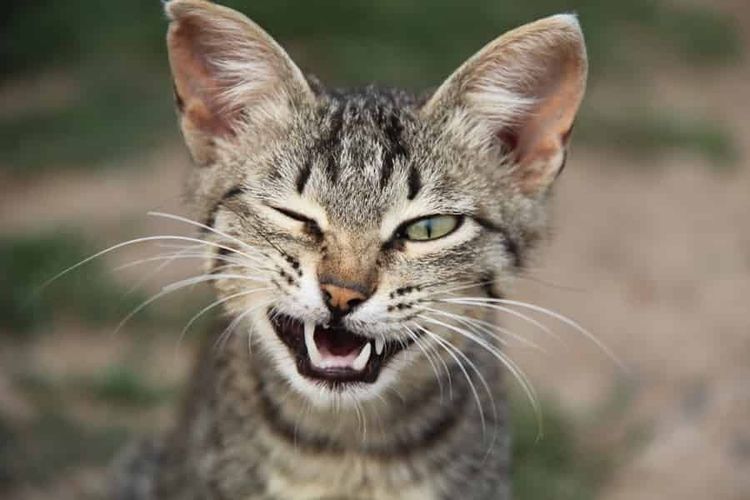
A thorough examination at a veterinary clinic will help determine the cause of your cat's bad breath. Modern diagnostic methods allow us to accurately determine the extent and cause of the underlying pathological processes causing the foul odor.
Why does the smell appear - pathogenesis
-
Violation of the microflora balance – the predominance of anaerobic bacteria causes the release of hydrogen sulfide, indole, and cadeverine.
-
Inflammatory processes (stomatitis, gingivitis, periodontosis) create favorable conditions for pathogens.
-
Systemic diseases - kidneys, liver, gastrointestinal tract - release toxins through the mucous membrane.
-
Foreign bodies - getting stuck (bones, threads) injure tissues and worsen the smell.
-
New formations - tumors and developed tumor foci are accompanied by a cadaveric odor of tissue.
Diagnostics: What a Veterinarian Does
-
Oral examination, x-ray, ultrasound, blood and urine tests.
-
Determining the odor profile allows you to narrow down the list of causes.
-
Age-related issues: kittens are examined for teething; adults – for teeth/gum lesions; the elderly – for internal diseases.
How to help at home
| What to do | Justification | Effect |
|---|---|---|
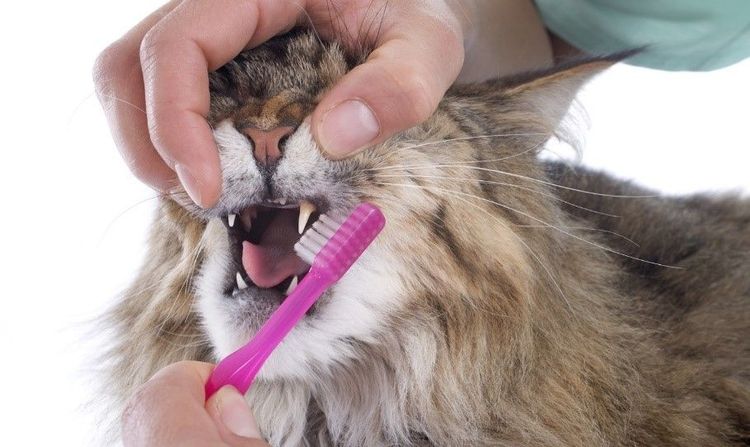
| Regular brushing of teeth | Removes plaque and damages anaerobes | Odor reduction |
| Special chewing treats | Mechanically clean teeth and improve hygiene | Preventive action |
| Changing the diet to dry food | Reduces the risk of plaque | Keeping your teeth clean |
| Antiparasitic agents | Eliminate helminthic infestation | Prevention of intoxication |
| Providing water and humidity | Maintains mucosal health and cleanses the mouth | Improving hygiene |
| Pet weight control | Reduced risk of diabetes and kidney disease | Systemic health |
When to see a doctor
The following symptoms that occur in your pet should not be ignored:
- Excessive salivation and difficulty eating indicate dental problems.
- A sweetish smell from the mouth often indicates developing diabetes.
- Lack of appetite, yellowing of the cornea and gums indicate possible liver disease.
- You can tell if there is an infection in the oral cavity by the cat's attempts to scratch around its muzzle with its paw.
- An increase in odor, confirmed by self-diagnosis, indicates a serious pathology.
- The smell lasts for several days without improvement.
- Additional symptoms appear: vomiting, apathy, thirst, sweating, breathing problems.
A common cause of rotten breath in cats is their food. After consuming certain foods (fish, raw meat, canned cat food), a foul odor lingers. This usually disappears once the digestion process is complete. However, in other cases, it's best to consult a veterinarian. Prompt treatment can help prevent many serious problems down the road. Treating the disease in its advanced stages will require much more time and resources.
Treatment
Depending on the problem identified during the examination, the veterinarian prescribes a specific therapy.
If helminthiasis is detected, the cat is prescribed deworming medications. Problems with the kidneys or other internal organs require the use of appropriate medications.
The smell associated with caries and tartar disappears after the cat's teeth have been treated.
Existing digestive diseases require a review of your pet's diet. Instead of cheap dry food, we recommend higher-quality foods containing the necessary vitamins and minerals.
Prevention
The question of why your cat has bad breath can be avoided by following certain preventative measures:
- Every six months, your pet needs to be shown to the veterinarian.
- Brush your cat's teeth regularly with pet toothpaste.
- Provide a healthy and nutritious diet.
- Give your cat special chew toys that help clean plaque from its teeth.
A veterinary clinic will always recommend additional methods for preventing halitosis, taking into account the individual characteristics of your pet.
You can also ask our website's staff veterinarian a question, who will answer them as quickly as possible in the comments box below.
Read also:


2 comments
Tatiana
Why does my 1.5 month old kitten have bad breath? I started feeding him Whiskas dry food.
Dasha is a veterinarian
A six-month-old kitten on Whiskas? It's a growing animal—it needs complete and balanced nutrition that meets all its essential needs. Whiskas is a budget food. Despite its praise, veterinarians don't recommend feeding it to cats (and especially kittens). Switch to a good, high-quality food. The cat should be examined. It may have gastritis. But the smell alone isn't enough to make a diagnosis. A full in-person examination is required.
Add a comment