
Why is my cat drooling?
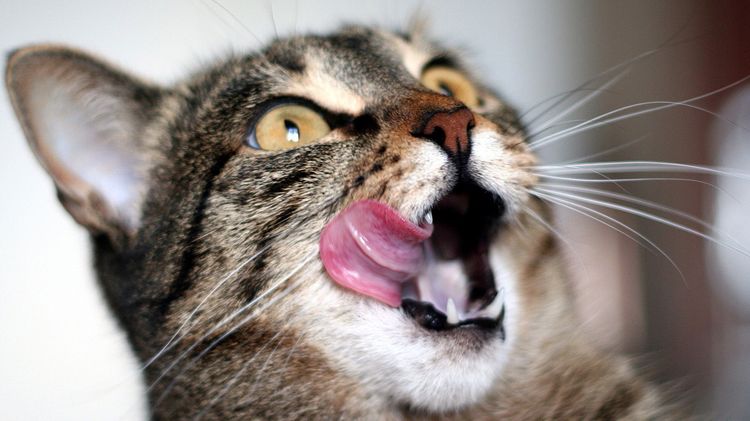
Salivation is a natural process that is automatically regulated in a healthy animal. However, many owners notice their cat drooling and wonder if this is normal. Excessive salivation, known scientifically as hypersalivation or ptyalism, can have various causes and impact a pet's health and well-being in different ways. Understanding these factors can help you determine when salivation is normal and when it requires veterinary attention.
Content
Signs of increased salivation
It's not always immediately obvious that your pet is suffering from hypersalivation. If you notice your cat salivating, observe them closely for a while. If during the day you notice any unusual behavior that could be symptoms of ptyalism, consult a veterinarian immediately to identify the underlying cause early. Signs of excessive salivation include:
- the pet constantly tries to swallow saliva;
- while passing, the cat rubs against various protruding surfaces: furniture corners, door frames, etc.;
- the animal licks itself more often than usual;
- despite regular grooming, the fur forms icicles that are impossible to comb out;
- a limp, lifeless tongue often hangs out of the mouth;
- wet spots often remain in cats' favorite places.
Why do cats and kittens drool?
Excessive salivation in cats can signal various underlying conditions. Some of these can be dangerous not only for the host but also for surrounding animals and even humans. Sometimes, excessive salivation in cats can be caused by conditions that pose no threat to either the cat's life or the health of its owner.
Non-disease related causes of ptyalism
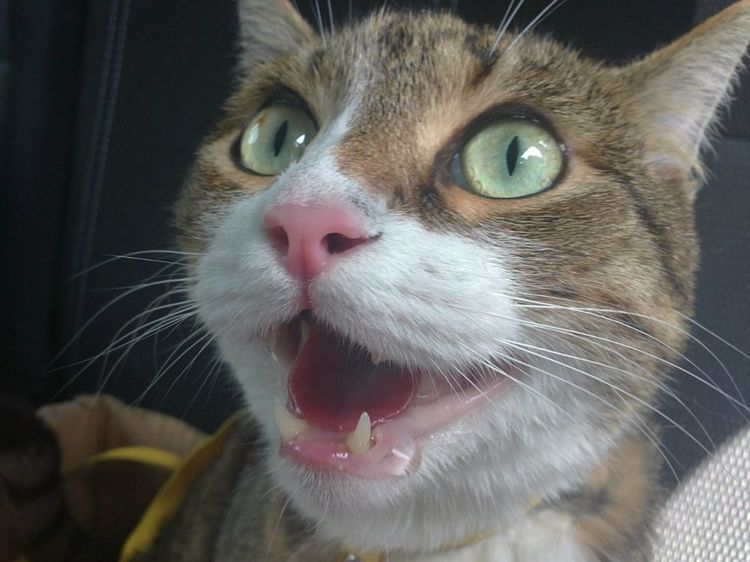
Sometimes excessive salivation is caused by uncomplicated reasons. In such cases, a visit to the veterinarian is not necessary, unless it's just for complete peace of mind. Usually, the pet's condition returns to normal on its own or with some assistance from the owner.
Sometimes, a cat may experience excessive salivation. Experienced breeders explain why this isn't a cause for alarm, revealing harmless causes of salivation:
Showing feelings of love and respect for the owner.
Affectionate cats drool in a fit of tenderness, demonstrating their boundless love and devotion. At the same time, some spoiled and cunning animals may purr loudly and continuously. This is a way for cats to either express gratitude or beg for reciprocal affection and greater care from their owners. Drooling in this state is harmless to the pet's health, but it can cause some problems for owners, such as soiled clothing and furniture.
Reaction to food intake.
Sometimes cats drool before a meal. In this case, ptyalism in animals can be explained by increased appetite, prolonged fasting, or the unusually delicious, enticing aroma of food being prepared. Some artificial foods contain additives that can trigger this unexpected reaction in pets. It's advisable to consult a specialist and, if possible, change the food if such behavior becomes more frequent and is accompanied by loud, demanding meowing. Most often, this is a sign of a cat's boisterous temperament, so excessive salivation associated with food does not pose a health risk.
Stressful situations.
If your cat is drooling profusely and no abnormalities are detected, analyze the events that preceded the problem. Perhaps the animal experienced some kind of shock the day before, unnoticed. Stress in cats can be triggered by events such as a first or rough bath, a change or loss of owner, or a move. Whatever the cause, try to establish a connection with your cat and give it more attention and affection.
Reaction to taking medications.
A visit to the veterinary clinic itself can be stressful for a sensitive pet, and the prescribed treatment can sometimes only increase their anxiety. Many medications—painkillers, anthelmintics, antibiotics—have a bitter taste, so after taking them, cats may experience increased salivation. Any form of medication—pills, injections, or infusions—is difficult for animals to handle, causing emotional swings ranging from irritation to apathy. If the drool is clear and only occurs before or immediately after taking the medication, there's no need to worry: this is a normal reflexive reaction to an unpleasant taste or a stressful situation.
Presence of a foreign body.
Due to certain structural features of cats' teeth, despite thorough chewing, hard food particles or bones can become lodged. Sometimes, while playing with a foreign object, an animal may swallow it whole or partially. The inability to remove the foreign object leads to frequent reflexive salivation, causing the cat to eat nothing, drink a lot, and sit with its head down. If signs of hypersalivation are noticed, the breeder should examine the cat's mouth and, if a foreign object is found, remove it with tweezers. Afterward, the oral cavity should be disinfected with a special solution to prevent possible inflammation.
Reaction to stimuli.
Unusual substances entering a cat's body can trigger excessive salivation. A curious animal, exploring its surroundings, may chew on an insect or spider. The bitter taste, along with the toxicity inherent in the ingested prey, irritates the oral mucosa of cats and provokes increased salivationIf this is the cause, the amount of discharge will gradually decrease, and ptyalism will stop within two or three days.
Motion sickness.
Cats often become restless when being transported. If your pet drools while being transported, there's no cause for alarm.
Non-infectious causes
These reasons include conditions in animals in which excessive salivation is not caused by the effects of parasites and infectious agents.
Some of these may be serious reasons to visit a veterinarian. You should sound the alarm if:
- salivation is not dependent on time or environmental influences;
- the cat's drooling is involuntary and its volume increases and then decreases;
- the amount of saliva secreted increases every day;
- salivation can be continuous for more than an hour and a half;
- Hypersalivation is accompanied by other symptoms that cause concern.
Serious causes of non-contagious pliriasm may include:
Trichobezoars.
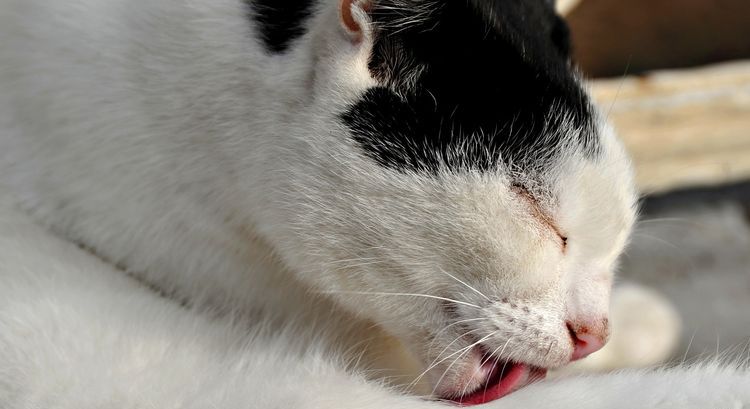
Hairballs are hairballs that accumulate in a pet's large intestine. Another common cause of increased salivation is hair ingestion. During their daily grooming routine, a clean cat licks and swallows some hair, which they then regurgitate. Sometimes this can be difficult. Tormented by the urge to vomit, the cat drools profusely. If the hairball is large, hypersalivation may be accompanied by additional symptoms:
- the pet loses its appetite and constantly wants to drink;
- when palpating the abdomen, bloating of the colon is felt;
- arise constipation (If the bowel obstruction is severe, surgery may be required.)
Poisoning.
One of the most common reasons why a cat drools is poisoning. Pets can become poisoned by inappropriate food (such as chocolate), flea medications (by licking treated fur), household chemicals, and poisonous plants.
In cases of poisoning, in addition to excessive salivation, cats may experience vomiting, diarrhea, lethargy, and fever. In severe cases, the pupils may become dilated (as in mercury and pesticide poisoning), and fever and even paralysis may develop.
Salivary gland cyst (mucocele).
Mucocele in cats is a rare condition that develops due to damage to the salivary gland or its ducts, where excess saliva accumulates. This disrupts the process of swallowing and chewing food.
The most common causes of the disease include mechanical damage to the salivary glands as a result of injury or piercing with sharp foreign objects.
Pathology can be detected by palpating the pet's neck, where small, painless tumors slowly form. Damage to these tumors leads to bleeding, which can block breathing. Infection causes a fever, further worsening the situation.
Damaged salivary glands and ducts usually need to be removed surgically.
Problems with gums and teeth.
As a cat ages, its oral health gradually deteriorates. If your cat chews slowly while eating and squirms when its head is touched, this indicates dental or gum disease. Most commonly, pets suffer from tooth decay and gingivitis. Ulcers and various inflammations prevent them from chewing properly, causing excessive salivation.
Stomatitis in cats.
This condition is usually described in the classic way. The symptoms are identical to those in humans. The mouth becomes covered with ulcers and a white coating, and the animal suffers pain when eating. Trying to alleviate the pain, the pet opens its mouth and drools. Stomatitis is treated with various rinses and cauterizations using special products.
However, proponents of therapeutic approaches believe this approach is unacceptable. Cats' mucous membranes become inflamed due to the rejection of tooth roots by the body's defense system, they argue. The disease is accompanied by constant hypersalivation. Treatment of stomatitis progresses slowly and often fails to produce positive results. In advanced cases, surgeons are required to remove all the animal's teeth.
When Drooling Is a Cause for Concern
If the drooling isn't accompanied by other concerning symptoms and resolves quickly, there's no reason to worry about your pet's health. However, if the condition persists, you should consult a veterinarian immediately to determine why your cat is drooling and how to treat it. Immediate action is necessary if the following are the causes of your pet's drooling:
Internal problems.
Ptyalism often occurs with gastrointestinal diseases, most commonly gastritis or ulcers in cats. Furthermore, kidney, liver, gallbladder, or spleen problems can cause excessive salivation. Diabetes can also cause constant drooling, which can also make the cat feel constantly thirsty.
Oncological diseases.
The development of cancerous tumors in the stomach or intestines is also often accompanied by increased salivation and vomiting. Unfortunately, cancer is usually diagnosed in its late stages, when the animal cannot be cured, only relieved of its suffering.
If you notice your cat drooling or has watery eyes, observe them closely. This condition, along with other symptoms, could indicate rabies. When rabies is present, a cat's mood swings from playful to extremely aggressive in a matter of minutes, their appetite increases, and they sometimes experience convulsions. If these symptoms are detected, the animal should be immediately isolated from other pets and taken to a veterinarian. Unfortunately, there is no cure for this condition.
Viral infections.
Sometimes, increased salivation can be a sign of a viral infection. The illness begins with a fever, which the cat tries to reduce by drinking a lot of water. Soon, nausea begins, drooling, and the cat's eyes water, along with a loss of appetite. Additionally, the pet becomes weak, develops diarrhea, and the watery nose is accompanied by nasal discharge. Sometimes, the cat also coughs or sneezes.
Treatment and prevention
So, you've noticed your cat is drooling clear saliva, why it's persisting, and how to treat your pet—your veterinarian will answer all these questions after an examination or checkup. After determining the cause of the hypersalivation and making an accurate diagnosis, the specialist will prescribe appropriate treatment or surgery.
But, as we know, every treatment begins with prevention. By following these safety precautions when raising your pet, you can prevent or alleviate the symptoms of ptyliasm:
- Harmful chemicals and medications must be stored in places inaccessible to the cat;
- It is better to remove poisonous plants from the apartment or grow them in a separate locked room where the cat has no access;
- It is necessary to normalize the animal’s diet, preventing the appearance of bones and sharp particles in the feed;
- When treating fleas with medications, place a special bandage on your pet's neck to prevent them from licking them off;
- adhere to the vaccination schedule against contagious and infectious diseases;
- undergo regular check-ups at a veterinary clinic;
- Conduct a thorough examination of the oral cavity for various inflammations.
If you notice your cat is salivating excessively, your veterinarian will be able to explain the cause and potential risks during the initial examination. The key is to not let things slide, as you now know that hypersalivation, along with other symptoms, can be a harbinger of serious illnesses.
Diagnosing the Causes of Hypersalivation in Cats
Diagnosis of hypersalivation in cats begins with an oral examination. In some cases, a thorough examination and collection of the owner's medical history are sufficient to identify the cause of the salivation. However, some animals, particularly aggressive or stressed ones, require sedation for a safe and complete examination.
If a cat has dental problems, the veterinarian will order dental imaging. X-rays are also necessary if a foreign body is suspected in the mouth or throat. To confirm the diagnosis of calicivirus, tests are performed for the pathogen: scrapings from the ulcers are tested using a rapid test in the clinic or using a PCR method in the laboratory.
If nausea, intoxication, or liver and biliary tract disease are suspected, an abdominal ultrasound, as well as general clinical and biochemical blood tests, are prescribed. In cases of possible pulmonary edema, a chest X-ray and echocardiography (an ultrasound of the heart) are necessary.
Neurological pathologies that may be accompanied by salivation require a comprehensive approach to diagnosis, including ultrasound, blood tests, and, if necessary, CT or MRI to assess the condition of the central nervous system.
Any questions? You can ask our website's staff veterinarian in the comments below, who will answer them as quickly as possible.
Read also:



Add a comment