
Why does my cat shed so much hair in the summer?
Shedding is a natural physiological process of fur renewal. It typically occurs twice a year—in spring and fall—but owners often notice their cat shedding in the summer. This phenomenon can have obvious causes and doesn't always indicate a health problem.
Norm
A cat's fur plays an important role in thermoregulation. During hot periods, its density and structure change: the undercoat becomes thinner, and the outer coat becomes lighter. This allows the animal to adapt to higher temperatures and tolerate the heat better. Higher temperatures are often the reason why cats shed in the summer, and in most cases, this is considered normal.
Seasonal shedding typically lasts about a month. If the shedding process drags on, stops suddenly, and then starts again, with hair falling out in large amounts and clumps, consult a veterinarian. A specialist can determine the exact cause and rule out any underlying medical conditions.
Reasons
There are various causes for pathological hair loss, including baldness in certain areas of the body:
- An unbalanced diet. An unbalanced diet results in mineral deficiencies, microelements and vitaminsThe first thing to react to a lack of nutrients in the body is the hair, which falls out in clumps.
Bald patches are most often located on the back, neck, and base of the tail. The hair becomes dull, loses its shine, and becomes brittle. Without proper treatment and nutritional adjustments, the alopecic areas become inflamed, causing itching and flaking.
- AllergyIt can be caused by household chemicals, flea bites, medications, food, and other irritants. An allergic reaction causes sneezing, coughing, and reddened skin. Fluid often drains from the animal's nose and eyes, and the inflamed areas are constantly itchy.
Fatty, fried and salty foods in a pet's diet also cause allergies.
- Hormonal imbalances. Hormonal imbalances are a common cause of hair loss in cats in the summer. They can be triggered by: thyroid disease; pregnancy; lactation; and the use of medications that suppress libido.
You can suspect hormonal issues by monitoring the frequency of your cat's urination. If it's occurring more frequently than usual, don't delay a visit to the veterinarian.
- Stress. Cats under stress exhibit unusual behavior: they sleep for long periods or remain awake for days, shed heavily, scratch exposed skin, and lose weight rapidly. Partial alopecia is a typical reaction to emotional shock.
- Skin conditions. Burns, dermatitis, sunburn, and other skin conditions cause redness, flaking, and hair loss in the affected areas. This is a specific reaction of the epidermis to prolonged exposure to ultraviolet rays and other irritants.
A characteristic feature of skin pathologies is the localization of alopecia - it is concentrated in the inflamed area and does not extend beyond it.
- Fungal infections. Spores of opportunistic fungi live on the animal's skin and cause no health problems. Active proliferation of microorganisms begins once the immune system is weakened.
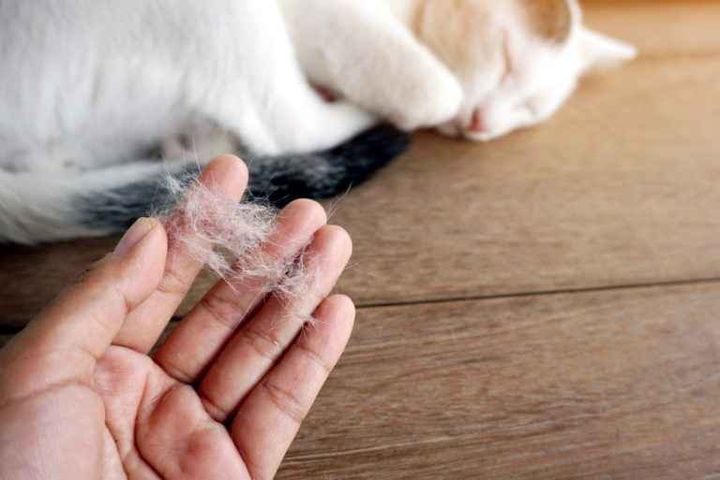
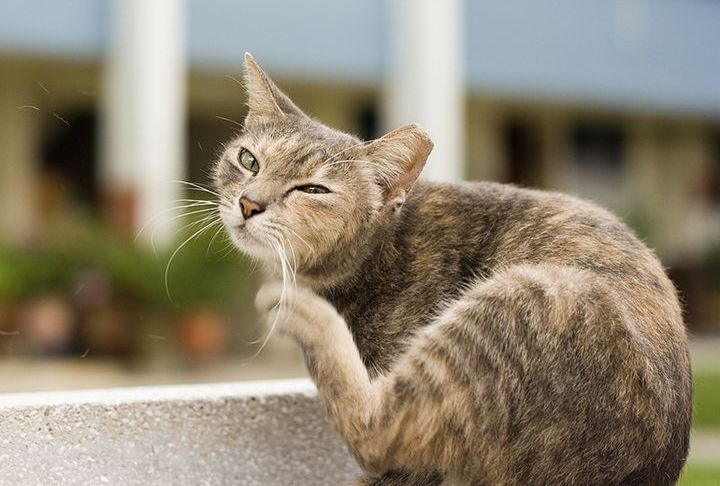
Sores and bald spots appear on the cat's body, causing intense itching. The pet constantly scratches its neck and pulls out clumps of fur. Lichen It also refers to fungal diseases – it is dangerous because it can affect a person’s hair and skin.
- Parasites. Fleas, lice, ticks, and worms are parasites that directly or indirectly cause hair loss in pets. Intestinal helminths act internally, secreting toxic substances during their life cycle.
Toxins, in turn, cause allergies in healthy pets. Regular deparasite treatments for cats can help prevent these consequences.
- Inflammation. The inflammatory process can be overt, with characteristic symptoms, or latent. In both cases, the immune system fights, directing all its efforts toward restoring the normal functioning of diseased organs and systems.
At the same time, the cat's energy reserves are insufficient to maintain normal activity and mobility. The fur is the first to suffer – it becomes dull, breaks, and thins.
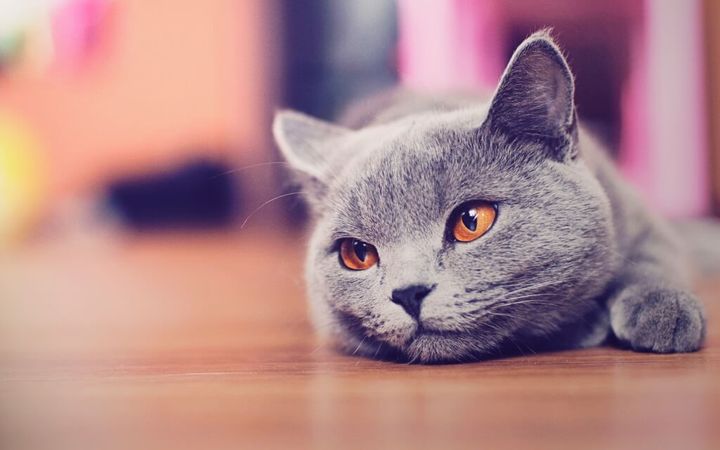
- Predisposition. It's difficult for owners to identify the condition without visible symptoms or behavioral changes. A predisposition may be the cause. British Shorthairs and other shorthaired breeds with thick, dense undercoats are prone to heavy shedding.
Diagnostics
If your pet is experiencing hair loss that doesn't resemble normal seasonal shedding, it's recommended to consult a veterinarian. Diagnosis may involve several steps.
First, a visual inspection of the skin, fur, and ears is performed. This allows one to detect skin lesions, scratches, and patches of baldness. Such signs often indicate the presence of fleas or other parasites, as well as skin diseases, including ringworm.
An owner interview is crucial. The vet will review the pet's care habits, diet, past illnesses, and medication and vitamin use. A thorough history helps identify the cause of hair loss. Shedding is often exacerbated by an unbalanced diet, stress, or gastrointestinal issues, and a thorough interview can help identify these factors.
Additionally, a complete blood count and biochemical blood test are prescribed. These tests help identify changes in blood composition that may indicate infections or other disorders in the body.
To rule out fungal infections, a skin scraping is performed. A blood test for hormone levels may also be required if hormonal imbalances are suspected.
If necessary, the veterinarian will prescribe additional diagnostic methods, including repeated skin scrapings, ultrasound of internal organs, and urine and fecal tests. This comprehensive approach allows for the precise determination of the cause of hair loss and the selection of the appropriate treatment.
Treatment
Only a veterinarian can accurately determine the cause of a cat's excessive hair loss in the summer. Diagnostic procedures include:
- examination of the animal;
- blood test;
- other laboratory tests if necessary.
If allergies are present, your veterinarian will prescribe antihistamines. If a vitamin deficiency is the cause, dietary changes will be necessary. It may be necessary to switch your pet to a different type of dry food rich in minerals and vitamins. It's important to ensure it contains sufficient amounts of omega-3 and other fatty acids, essential for a healthy coat.
Deworming is essential. It's important to regularly ventilate the premises and maintain an optimal microclimate to prevent the animal from overheating in the summer heat.
What to do if your cat is shedding a lot?
The tactics for helping your pet directly depend on the cause of hair loss:
- If a cat is shedding heavily due to stress, it's important to provide a calm and safe home environment. Affection, attention from the owner, shared playtime, new toys, and environmental enrichment can help reduce anxiety. Owners are advised to interact with the cat more often, pet it, and spend more time with it. If necessary, consult a veterinarian about the use of sedatives.
- When excessive shedding is caused by poor nutrition, consult a veterinarian to determine a balanced diet. There are everyday foods for healthy animals and specialized diets for cats with allergies, sensitive digestion, and other health conditions. These foods, dry or wet, contain essential vitamins and minerals and do not contain unwanted ingredients.
- If a cat is shedding heavily due to digestive issues, dietary adjustments alone may not be enough. In such cases, a veterinarian will prescribe medication, which may include antibiotics, sorbents, and other supportive medications.
- In cases of endocrine disorders, hair loss requires hormone replacement therapy. Additionally, a diet is selected based on the diagnosis.
- If external parasites are the cause of hair loss, special medications can be used at home to kill them. These may include drops, tablets, suspensions, or sprays with various active ingredients. For severe infestations, your veterinarian may also prescribe medicated shampoos or ointments.
- Ringworm is treated with topical treatments such as creams, ointments, and shampoos. The choice of medication depends on the type of fungus, so it's important to take your pet to a veterinarian for a diagnosis and treatment recommendations. During treatment, your cat may also require immune support and symptomatic treatment.
- If a cat is shedding heavily due to dermatitis, the underlying cause must be eliminated. Treatment depends on the underlying cause and may include antibiotics, antihistamines, antiparasitic medications, and other medications. Therapy is often supplemented with a therapeutic diet and immunomodulators.
Read also:
- Flea allergy dermatitis in cats: symptoms and treatment
- The cat is losing hair in clumps, leaving bald spots.
- Sanal - vitamins for cats


1 comment
Vitaly
Good article.
Add a comment