
Why does a cat have a wet nose?
The nose is one of cats' most important senses. Their sense of smell (like that of most animals) is tens of times more sensitive than that of humans. This allows them to identify and separate odors into their component elements, thereby orienting themselves in space. Having identified an object, cats make a decision—perceiving it as dangerous, suspicious, tasty, and so on.
A cat's nose should normally be moist and cool. Depending on the animal's emotional state, climate, and other external factors, slight dryness may occur. For example, when the cat is sleeping or dozing, as well as for 30-60 minutes after waking.
During active play, especially if the apartment or house is too stuffy, the nasal mucosa dries out, which is also no cause for alarm. Dry noses are also common in cats under stress or due to poor diet (hunger, overeating). However, if the animal is behaving unusually, and the abnormal nasal condition persists for a long period (several hours or a whole day), a veterinary consultation is necessary.
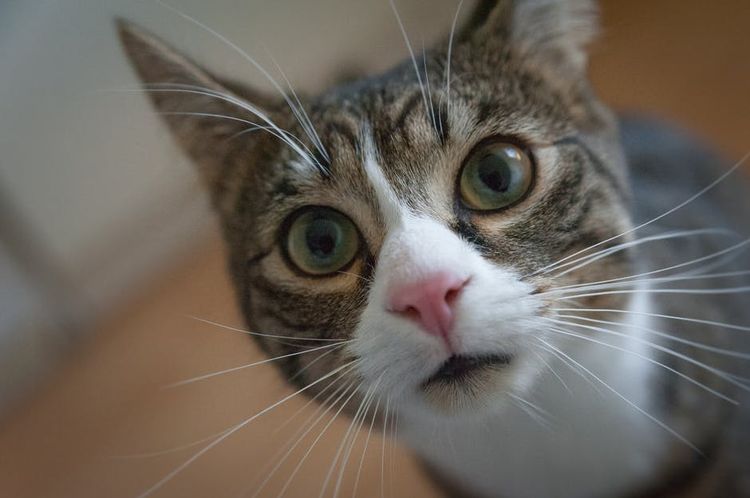
How a cat's nose works
The cat's nose is a complex system, anatomically consisting of two passages separated by cartilaginous tissue. The interior is lined with a mucous membrane, which is permeated with numerous nerve endings and blood capillaries. The main role of the mucous membrane is to protect against household contaminants, viruses, and bacteria that can be transmitted from other animals and humans.
The mucous membrane also contains olfactory receptors, which cats use to perceive the world around them. When inhaling, air doesn't immediately enter the lungs but is filtered through special pores and valves within the nasal passages. The epithelial receptors "diagnose" odors received from the outside and send appropriate signals to the brain—danger ahead, hot food, the owner's hands, an angry dog.
The nasal cavity also contains specialized glands that secrete a mucous secretion, which protects the outer earlobe from drying out and cracking. Thanks to constant moisture, the animal can not only regulate its body temperature but also significantly expand its sense of smell.
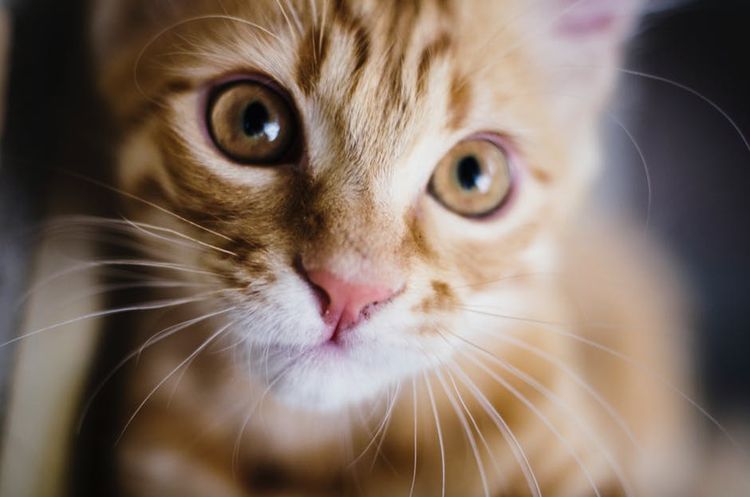
Important: cats are designed to not sweat naturally, and their noses are the body's primary heat regulator. They act as a natural "cooler" during periods of excessive activity or rising temperatures outside during the summer.
When to worry
One of the first symptoms signaling illness or ailment in a pet is a dry, hot nose. However, it's important to remember that cats' body temperature differs from that of humans and ideally is 38-39°C. A perfectly healthy animal may still feel a hot nose.
Signs that indicate that the cat is sick may include the following:
- There is a profuse discharge from the nose, and the ears are burning. Symptoms indicate an infection, such as rhinotracheitis or panleukopenia.
- Excessively wet nose, elevated body temperature, sneezing, loss of appetite. It is possible that cold or ARVI.
- Profuse nasal discharge with blood or pus. A foreign object may be lodged in the nasal passage.
- Excessive mucus secreted from the nose may be an allergic reaction to household chemicals, plant pollen, tobacco smoke, medications taken, house or street dust.
- The earlobe is very moist, and the cat is snoring heavily and breathing primarily through the mouth. These symptoms may indicate the presence of a polyp and damage to the mucous membrane inside the nasal cavity.
- A wet and very cold nose indicates that the animal is hypothermic or poisoned.
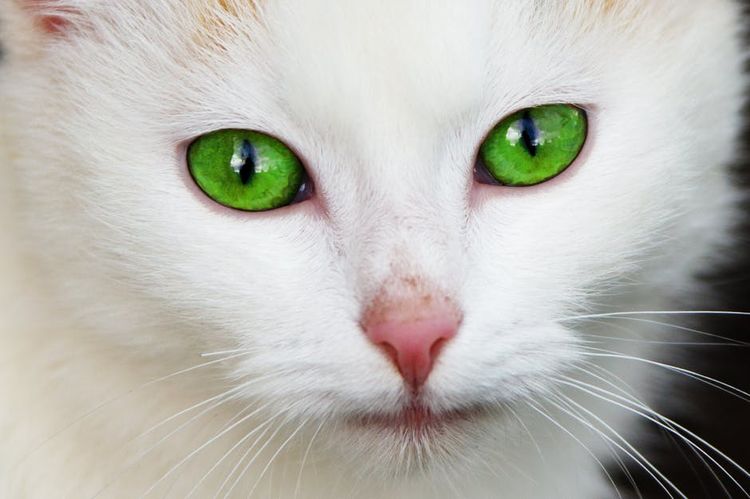
The color of the nose can also indicate health problems. A bluish tint is usually a consequence of problems with the cardiovascular system. Yellow almost always indicates problems with the kidneys or liver (possible) cirrhosis)White indicates changes in the functioning of the circulatory system.
Nasal care
A healthy cat handles its own hygiene very well. As the air temperature rises, it begins to lick itself more actively and moisturize its nose. The same happens when debris, dust, or other contaminants get on the nose lobe. In the wild, animals clean their noses mechanically by contact with trees, plants, grass, etc. Indoor cats solve this problem by intensive grooming.
The only exception is flat-faced breeds, whose anatomical proportions have been altered through selective breeding. Due to a deviated nasal septum, these cats often develop crust and excess mucus on or around the nose. In such cases, it's important to carefully remove any scales and mucus residue with cotton swabs or tampons.
What is prohibited:
- Wipe your nose with antibacterial or perfumed alcohol wipes. This can cause a severe allergic reaction.
- Use iodine or brilliant green for disinfection, especially if there are cracks or scratches on the nose. This can cause a burn and swelling, which in turn will make it difficult for the animal to breathe and cause additional stress.
In any case, you should never self-medicate and at the first sign of illness you should consult a doctor for diagnosis and subsequent treatment.
Read also:
- Life expectancy of cats and male cats
- My cat has a hot nose: what to do
- What kind of nose should a healthy cat have?


Add a comment