
Why do dogs turn grey?
It's difficult to say why dogs go gray. Typically, this happens to older pets, those over 5-7 years old. However, gray hair sometimes appears in younger animals. Scientists and veterinarians can't definitively explain why hair loses its natural color and a four-legged friend goes gray. It is only known that the problem is caused by decreased production of melanin, which is responsible for coat color.
Causes of gray hair in dogs
In humans and animals, hair color depends on melanin, a natural pigment produced by melanocytes in the hair follicle. This pigment is distributed unevenly across the hair shaft, becoming less pronounced toward the outermost layer of the hair shaft and virtually absent from the cuticle.
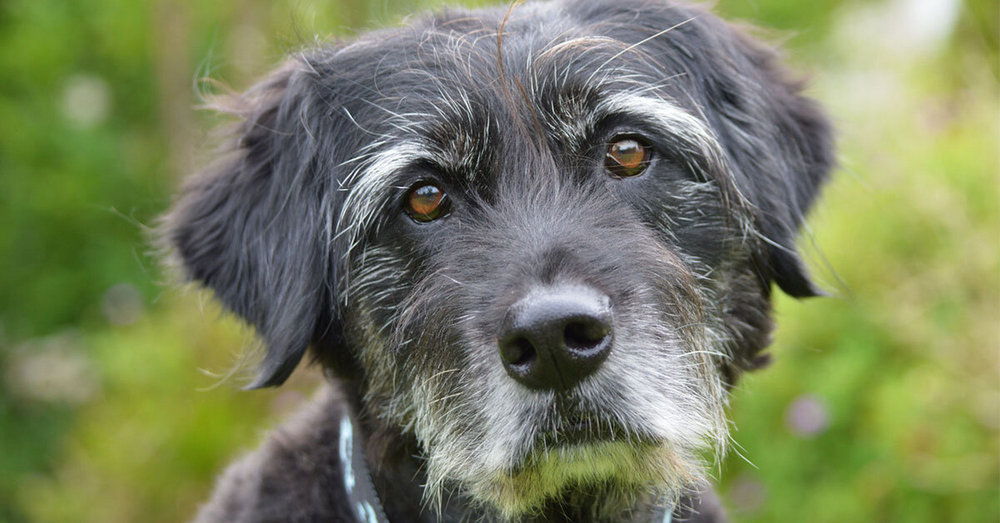
Graying is caused by insufficient pigment production or its complete absence. Melanin production typically declines with age, but can sometimes occur in early adulthood. The problem arises as a result of exposure to unfavorable factors, which should be examined in more detail.
The exact causes of premature graying have not yet been identified. However, there are theories about the influence of stress, environmental conditions, and changes in hair structure on hair color:
- The awn contains up to 78% keratin, which forms tiny, tightly adherent scales. If air bubbles get between them, the structure is disrupted, creating the illusion of discoloration.
- The follicles produce too little hydrogen peroxide, its breakdown is inhibited, which provokes active graying.
- A gray muzzle is often a sign of severe stress in dogs and cats. Less commonly, graying is caused by adrenaline and norepinephrine, primarily appearing on the sides and back.
Applied Animal Behavior Science conducted a study involving 400 dogs. The experiment showed that dogs that are constantly stressed, naturally nervous, and 3-4 years old are at the highest risk of turning gray early.
What stressful situations make graying possible:
- prolonged loneliness;
- fear of people or other pets;
- excessive stress during intense physical exertion;
- fear of loud sounds and unfamiliar places.
All animals participating in the study exhibited anxious and restless behavior. No correlation was found with training, sterilization, or the presence of other pets in the household. However, the graying was more pronounced in females than in males.
When is a gray dog normal?
It's generally assumed that health conditions don't play a role in the appearance of gray hair. However, new evidence suggests that gray hair may be a sign of hypothyroidism. While graying hair in your dog shouldn't be cause for alarm, it's best to visit your veterinarian to ensure your four-legged friend is healthy.
Without triggers, graying is considered normal once a pet reaches 4 years of age. Young puppies are not susceptible to melanin deficiency, but by 1-2 years of age, coat color may change.
As a pet ages, the process usually begins with the discoloration of a dog or cat's whiskers. Cocker Spaniels, Pomeranians, and Chihuahuas are particularly susceptible to graying hair on the muzzle. Gradually, the graying spreads to the entire body. Initially, individual white hairs appear, but their number gradually increases, creating patches of uneven coloration on the coat. Gray hairs are extremely rare on the tail.
How to remove gray hair
There are special products that quickly and effectively cover gray hair. They contain no ammonia, making grooming safe for animals. However, it's best to avoid using commercially available dyes and instead have the procedure done at a salon—skin irritation and small wounds hidden under the coat are contraindications. It's important to remember that dyeing dark hair is not recommended, as pre-bleaching is required, which can cause chemical burns.
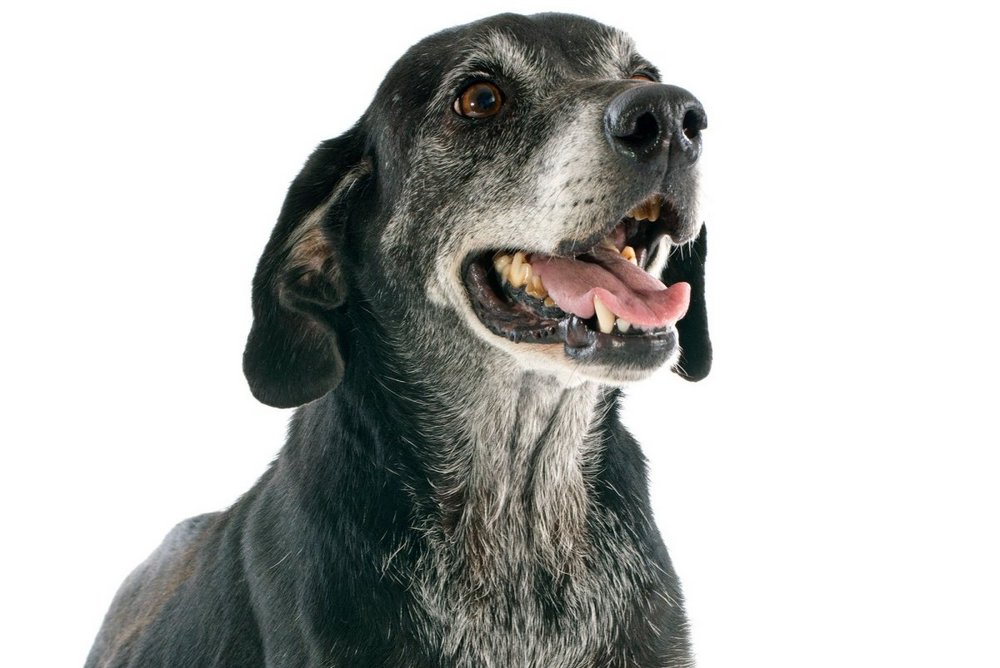
Gray hair isn't necessarily a sign of old age; gray hairs often appear in young pets. Avoiding stress can help prevent premature graying. If gray hairs are abundant and noticeable even on light-colored fur, grooming can be considered, but should only be performed in a professional salon.
Read also:


Add a comment