
Why dogs can't eat sweets
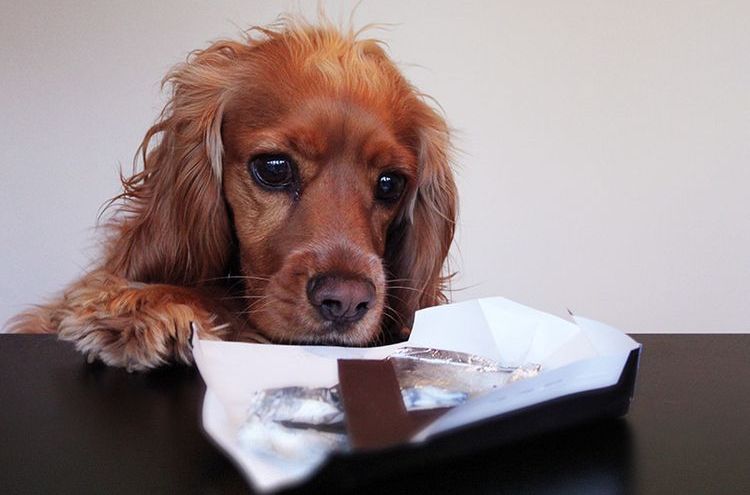
Almost every new dog breeder has wondered why their pet shouldn't be given sweets. After all, it's so tempting to treat your pet with something tasty, especially when they look so devotedly with their big, hungry eyes. However, many treats, while practically harmless to humans, can negatively impact a dog's well-being. This article will help you understand why dogs shouldn't be given sweets and what to substitute them with.
Content
What foods are considered sweets?
Before answering the question of whether dogs can eat sweets, it's important to understand what foods fall into this category. Sweets are high-calorie foods with a high sugar content, which is a simple (fast-digesting) carbohydrate. These include candy, chocolate, cookies, cakes, ice cream, sweet buns, etc. Confectionery products have a high glycemic index and, when digested, increase blood glucose levels in humans and animals. Bakery products made from wheat flour (white bread, croutons), honey, and sweet fruits also have similar properties. These are also on the list of prohibited foods for dogs.
Foods high in simple carbohydrates in large quantities are harmful to humans (especially in the presence of diabetes mellitus and other metabolic disorders), and in animals, it can cause serious pathologies. In the wild, dogs and cats are carnivores and rarely eat sweets (in rare exceptions, they may eat honey or fruit). Therefore, their digestive systems are not designed to digest such foods.

The effect of sweets on the animal's body
To understand why dogs shouldn't eat sweets, it's important to understand the function of simple carbohydrates and how they act in the animal's body. Carbohydrates are a source of energy. They're essential for the normal functioning of all organs and systems, but dogs only need a small amount.
Excess sugar causes fermentation in the intestines, resulting in flatulence, diarrhea, abdominal pain, and bloating.
The liver and pancreas are responsible for digesting carbohydrates and glucose. When these nutrients are consumed in large quantities, they begin to accumulate, and the animal's processing system becomes depleted. This can lead to diabetes, obesity, kidney failure, and food allergies.
Externally, a reaction to sweets can manifest itself in the following way:
- eye souring;
- dry skin and itching in the ears;
- unpleasant odor from their ears;
- dandruff;
- dullness of coat;
- skin rashes that are clearly visible in the chest and abdomen.
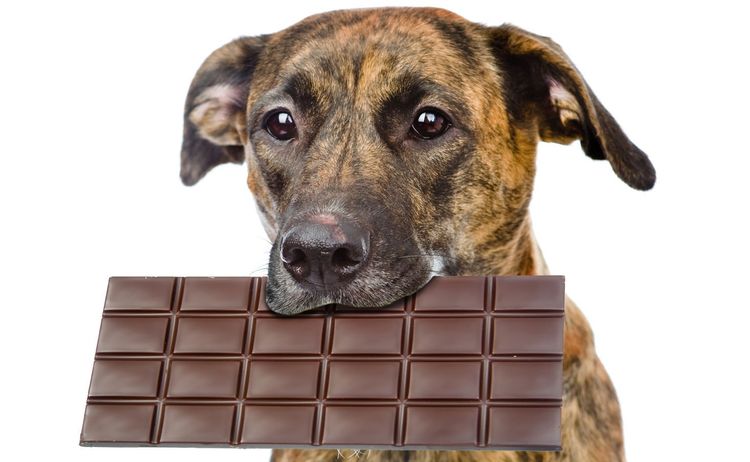
Chocolate is especially dangerous for animals. It contains theobromine and caffeine, which cause irregular heartbeats, increased thirst, and frequent urination. Dogs may experience hyperactivity, seizures, and tremors. In cases of hypersensitivity to chocolate and severe intoxication, coma and death can occur. Therefore, chocolate should not be given to dogs.
What to do if your dog ate something sweet
If your pet has eaten a few sweets, there's no need to do anything. Just make sure the pet has no access to baked goods or baked goods to prevent a recurrence.
If the reaction persists for several weeks, consult a veterinarian. Consuming large amounts of sugar can lead to bacterial otitis or a fungal skin infection, which require professional treatment.
If your pet has consumed a large amount of dark chocolate, such as an entire bar or box of chocolates, it's best to take them to the vet immediately. This is especially true for a puppy or small breed. Your pet may need a gastric lavage.
An alternative to sweets
How can you reward your pet, and what sweets are safe for dogs? Pet food manufacturers have created a wide variety of treats that are safe for pets. These include croquettes, biscuits, cookies, and other treats. They are made from ingredients that are tasty and nutritious for your pet. Special meat kebabs are also available, made from various types of meat. Treats Commercially produced formulas vary depending on the dog's breed and age. They are enriched with vitamins, minerals, and other beneficial elements.

If we talk about delicious food made from natural products, these include:
- bones (but not chicken, goose, turkey, or rabbit);
- lamb or pig's ear (not smoked);
- other cartilages;
- hooves and tails;
- offal.
Important! Don't give treats before or instead of meals. This can ruin your pet's appetite.
The reward can be given after successfully completing a command or as dessert after a regular meal.
A pet's basic diet should include protein foods: meat, eggs, and dairy products. Vegetables and complex carbohydrates should also be provided. Complex carbohydrates differ from simple carbohydrates in that they contain a high amount of fiber, have a low glycemic index, produce a large amount of energy, and promote a feeling of fullness.
Lots of complex carbohydrates contained in cereals and whole-grain bread. Oatmeal and buckwheat porridges, as well as brown and black bread croutons, are best for dogs. Food should be alternated to ensure your pet's diet is varied and contains all the necessary micronutrients.
Special chocolate for dogs: video
Read also:


Add a comment