
Why does a dog sleep on its back?
Many pet owners have noticed their dog sleeping on its back, with its hind legs splayed out and its belly exposed. This position is both funny and endearing, but inexperienced owners may wonder: Is this normal? Why does a dog sleep on its back with its legs up? What does this mean in terms of behavior and psychology?
In fact, a dog's sleeping position reflects their emotional state, trust, health, and even thermoregulation. Let's take a closer look at what it means when a dog lies on its back, the possible causes, and how to interpret this behavior in adult dogs and puppies.
Content
- 1 A sign of complete trust
- 2 Physiology and comfort
- 3 What about puppies?
- 4 Sleeping position as a reflection of temperament
- 5 When should you be wary?
- 6 Nighttime Sleeping Habits: Why Dogs Choose to Sleep on Their Backs
- 7 Dogs and Sleeping Positions: What Else Can "Bellies Up" Mean?
- 8 Should I be concerned if my dog sleeps on its back?
A sign of complete trust
When a dog sleeps on its back with its paws up, it demonstrates maximum trust in others. The belly is the most vulnerable part of an animal's body, and in the wild, animals don't expose it unless absolutely necessary. Therefore, if a dog sleeps with its paws spread out and its belly up, it means it feels absolutely safe.
This behavior is especially common among pets who are close to their owner. If a dog lies on its back next to you, it can be a sign of love and affection. It knows it won't be harmed, and it relaxes near the one it trusts most—its human.
Physiology and comfort
Dogs often sleep on their backs simply because they're comfortable. This position helps them cool down: their belly isn't covered in thick fur, so lying on their backs helps them cool down more quickly in hot weather. This is especially common in summer, and also in heated rooms in winter.
Dogs, especially large ones, may spread their legs out to the sides to relieve pressure on their spine. This position relaxes the back and pelvic muscles, reducing pressure on the joints. What seems like a strange position to us is, for a dog, the most effective way to rest.
What about puppies?
A puppy sleeps on its back more often than an adult dog. This is due not only to trust, but also to habits formed at an early age. As puppies, dogs are less anxious, exploring their surroundings and instinctively adopting different sleeping positions.
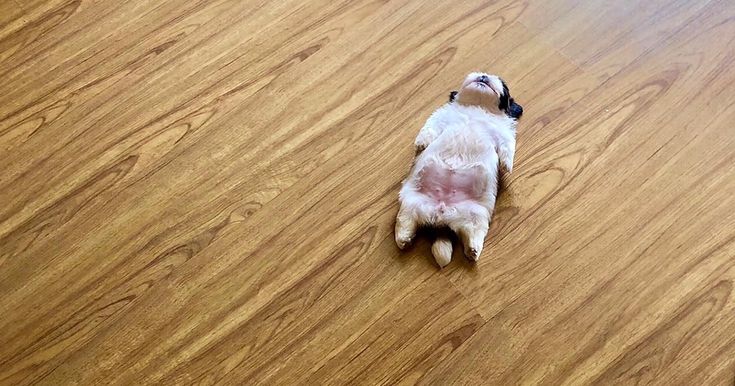
If your puppy sleeps on its back, that's great. It means it feels safe, is developing properly, and is getting used to the home. It could also be a temporary phase that will pass with age, especially if your pet develops new behavioral quirks or changes in temperament.
Sleeping position as a reflection of temperament
A dog's sleeping position often reveals its temperament. Calm, balanced pets are more likely to relax and sleep on their backs. Restless and anxious dogs prefer positions in which they are ready to jump quickly in case of danger.
If a dog regularly sleeps on its back with its legs up, it may indicate not only that it trusts its owner but also that it has a stable personality and is not prone to stress. This position is a good sign of psychological comfort.
When should you be wary?
While it's normal for a dog to sleep on its back with its legs up in the air, there are exceptions. If your dog hasn't slept this way before and suddenly starts doing so, it's worth paying attention to other behavioral or health signs. Perhaps your pet is uncomfortable in a different position due to pain, bloating, or joint problems.
Also, be wary if your dog is lying on its back and sneezing, whining, or showing signs of restlessness. In this case, consult a veterinarian—it's possible the cause is physiological discomfort.
Nighttime Sleeping Habits: Why Dogs Choose to Sleep on Their Backs
Interestingly, dogs most often sleep on their backs at night. This is because they are at their most restful at night, especially if the house is quiet and everyone else is asleep. Also, their body temperature drops at night, and lying on their stomachs helps them warm up or cool down more quickly, depending on the season and conditions.
If you notice your pet tossing and turning before bed and then settling on its back, this is natural behavior. It means the dog has found the most comfortable position for quality rest.
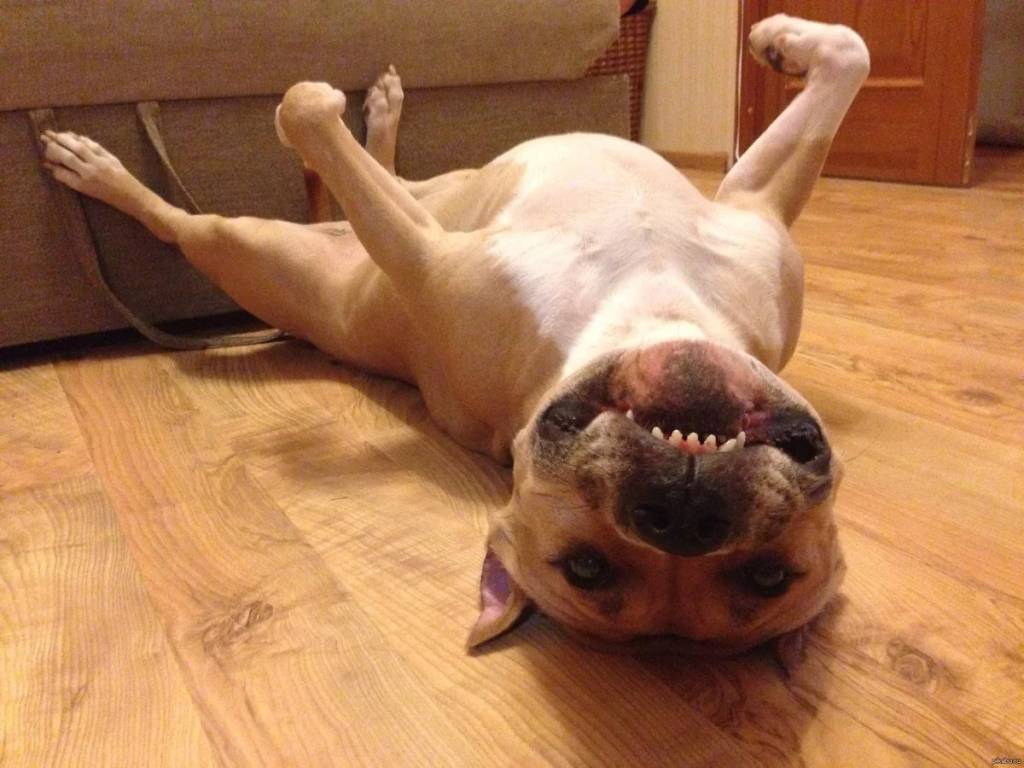
Dogs and Sleeping Positions: What Else Can "Bellies Up" Mean?
Surprisingly, some animal behaviorists claim that the belly-up position can even be a form of communication. When a dog sleeps on its back next to other animals or people, it can be a sign of submission or a desire to be closer.
You may also notice a behavior pattern in which the dog first lies on its side and then rolls onto its back—especially if it's warm or relaxing after eating or playing. At such moments, the pet feels most secure.
Should I be concerned if my dog sleeps on its back?
No, there's no need to worry. In the vast majority of cases, a dog sleeping on its back is a sign that it's feeling well, trusting others, and finding comfort in this position. This is normal for both adult dogs and puppies.
If the behavior is accompanied by other oddities—refusal to eat, anxiety, signs of pain—then it’s worth showing your pet to a specialist.
Remember: understanding your dog's body language is a way to get closer to your pet. And their sleeping position, especially belly-up, can reveal more about your four-legged friend than meets the eye.
Read also:
- How to train a dog to sleep at night
- How to stop a dog from sleeping on the bed
- Dog licking its paws: why and what to do


Add a comment