
Why does a dog whine?
Caring for a dog can be compared to caring for a small child. The owner must not only wake up early for morning walks and feed them on time, but also learn to understand their pet's language. For example, barking can indicate joy, aggression, or fear. But what does it mean when a dog whines? It's one of their communication methods, expressing emotions or conveying information. Let's explore the reasons for this behavior and how owners might react to it.

Possible reasons
If your dog is whining, you should first figure out the cause, rather than getting nervous or scolding your pet for this behavior. Whining can have various causes:
- The need to satisfy physiological needs. For example, a dog may whine to express a request for a walk, to go to the bathroom faster, or to remind the owner that they forgot to feed the pet. However, it's important to distinguish between begging and manipulation. In any case, you should first calm the animal and then satisfy the "request" if it's justified.
- Overwhelming emotions. This could be the joy of meeting their owner, receiving a tasty treat, or meeting familiar companions during a walk. The key is to avoid encouraging this type of positive expression, but rather to train your pet to behave more calmly from puppyhood.
- Sadness is another reason why dogs whine at night or during the day. This can be a way for mother dogs whose puppies have recently been adopted, puppies just getting used to a new family, and even adult dogs when their owners die or go away for a long time.
- Guilt. In a canine pack, whining is perceived as a sign of submission and recognition of another's authority and is usually reinforced by a lowered head and tail. However, a domestic dog may whine after being punished by its owner as an admission of guilt and a request for forgiveness. In this case, don't immediately pity it. A gentle pat on the withers and leaving the room is enough to convey, in dog language, "Apology accepted."

- Attention deficit and boredom. Sometimes a pet starts whining when left alone, and the neighbors are forced to listen to their "serenading." In such cases, sedatives are only a temporary solution that will help reduce anxiety while the owner is away.
Important! If a dog whines for no apparent reason in the presence of its owner, don't try to calm it down right away. Otherwise, it will become accustomed to seeking attention this way, making it much more difficult to break this bad habit.
- Fear is when a dog not only whines but also hides under the couch or in the most secluded corner. Observe your dog to determine what's causing the fear: loud noises outside, a thunderstorm, excessive strictness, or friends who once behaved aggressively toward your pet.
- Anxiety. Animals sense when the normal rhythm of life around them changes, for example, when the family is about to go on a long trip, and they try to cope with the situation in their own way: the dog may whine and fidget, run around excitedly, and constantly look around. In this case, it's best to gently reassure them.
Whining for no reason
If a dog whines constantly for no apparent reason, and the above factors don't explain it, it may have a health problem. The most common explanation is various types of pain, which often cause the dog to twitch and whine while sleeping, become less active while awake, sometimes develop a fever, and begin breathing rapidly. Depending on the location of the pain, other symptoms may also appear:
- in case of problems with paws - lameness or unnatural position of limbs;
- for ear problems - tilt your head to the affected side;
- If you have stomach pain or dental problems, refuse to eat.
Other problems related to constipation, urinary tract infections, and parasitic infestations are also possible, so it's important to monitor your pet's behavior to avoid overlooking serious illnesses. To independently determine the cause of the pain, you can palpate your dog's entire body; they will certainly respond to touching the painful area. If this isn't possible, it's best to consult a veterinarian immediately.

What should the owner do?
First of all, it's important to understand the reasons for your pet's behavior, and only then take corrective measures. In most cases, satisfying physiological or psychological needs is sufficient. But sometimes pets become cunning and become habitual. serve voice without the slightest reason. In such a case, it will be useful to follow these recommendations:
- Never reward or praise your dog while whining, so that he does not consider this behavior normal.
- Ignore (don't look, don't talk) if there is no reason for whining, so that the pet understands that such behavior will not bring the desired result.
- Play. You can show your dog his favorite toy and redirect his attention to it. This method will evoke more positive emotions in the animal than the previous option.
- Distract. If the dog has mastered teams, you can ask her to do some of them so that she switches to a new activity.
Important! It's better to reward your dog for being quiet rather than punish or scold them for unwanted behavior.
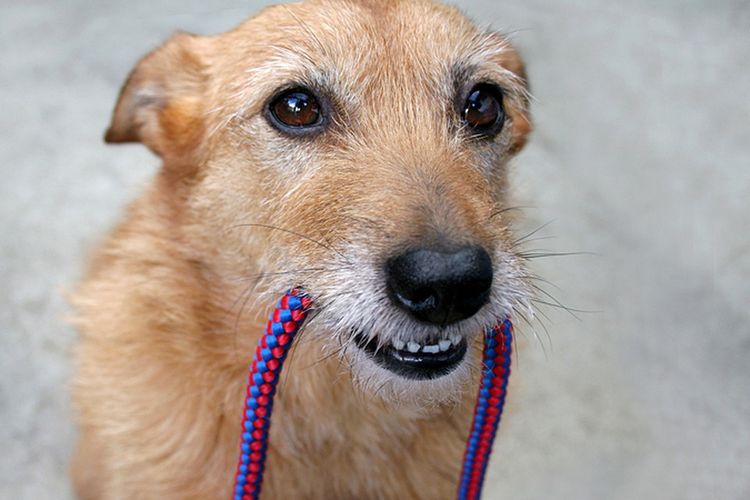
To prevent your pet from getting used to whining, dog breeders recommend:
- Gradually accustom him to staying at home alone.
- Feed your pet regularly and take them for walks to burn off excess energy. To do this, you can create a schedule that suits both the pet and the owner.
- Pay attention and play more often.
- Monitor health and behavioral characteristics.
- Explore the animal's fears and try to protect it from their influence.
- Take into account the individual characteristics of the breed and the pet itself.
A dog's whining may seem cute at first glance. Without understanding the cause, owners immediately try to soothe and pet their pet, but this will only make the situation worse. Therefore, it's important to carefully understand the reasons for whining to better understand your pet and prevent such behavior in the future.
Read also:



Add a comment