
Why does a dog fart and what to do?
Excessive gas in dogs is a problem faced by many owners. In this article, we'll explore why dogs fart frequently, the possible causes of excess gas, and what you can do to relieve your pet's discomfort and eliminate unwanted odors in your home.
Content
Gases in the intestines
It's important to understand that the gastrointestinal tract of both humans and animals normally contains a certain amount of digestive gases. Some of this gas is air swallowed with food, and some is gases formed during the fermentation of the food bolus.
That's why it's completely normal for dogs to fart occasionally. Sometimes dogs pass gas naturally and silently, while other times they make distinctive sounds that everyone can clearly hear and understand.
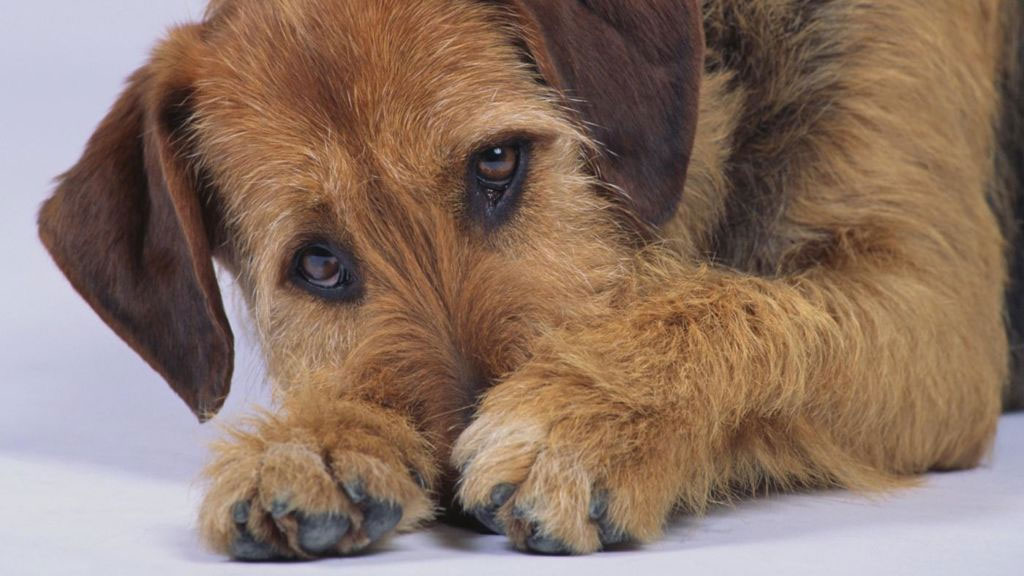
The intensity of gas formation is individual and depends on many factors:
- heredity;
- breed characteristics;
- nutrition;
- health conditions;
- dog's lifestyle.
That's why the mere fact that a dog farts (whether asleep or awake) isn't a cause for concern. Some breeds have specific bowel habits. Also, according to owner reviews, brachycephalic dogs are more likely to fart than others.
The top 10 breeds that fart a lot include:
- French Bulldogs;
- Pugs;
- Boxers;
- Pekingese;
- Mastiffs;
- Beagles;
- Basset Hounds;
- German Shepherds;
- Rottweilers;
- Saint Bernards.
The line between norm and pathology
Naturally, any dog (just like people) can fart. It's not surprising that a Yorkie, Pomeranian, Poodle, Great Dane, or any other breed occasionally farts.

To understand why a dog farts and whether this seemingly harmless behavior is a symptom of a serious illness, it's worth considering the following factors:
- Frequency of gas passage. If a dog farts too often, it means that there is an excess of gas in the intestines.
- SmellIntestinal gases generally have a characteristic unpleasant odor, but you should be wary if your dog's farts become very smelly (the smell changes significantly).
- Dog reactionIf your pet isn't bothered by passing gas, they may not react to it at all. You should be concerned if your dog farts and is restless (running, pacing), constantly checking their tail, or shaking their entire body.
- General well-beingYou should be concerned if, in addition to frequent gas, your pet also experiences loss of appetite, weight loss, or gastrointestinal problems (diarrhea, constipation), or if the dog adopts forced sleeping positions, sleeps restlessly, or moans.
Flatulence
In medicine, the term flatulence used to describe a condition in which the amount of gas in an animal's intestines or stomach increases greatly as a result of a disruption in the digestive process.
Don't underestimate the danger of bloat. Besides the unpleasant odor and noise that can be annoying to owners and the dog's ability to produce at any time of day, there are also a number of symptoms that can cause discomfort to the dog itself. Flatulence can cause:
- rumbling in the stomach;
- pain in the abdominal area (due to stretching of the intestinal or stomach walls);
- cramps of the muscles responsible for intestinal peristalsis;
- frequent urge to defecate (the dog runs to the door and asks to go outside).
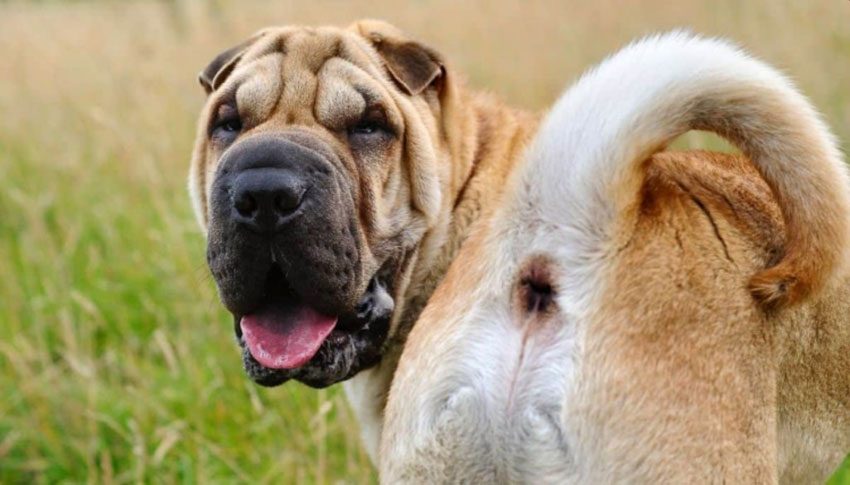
To understand why a dog farts frequently, let's look at the main causes of flatulence:
- Improper nutrition (unbalanced diet, failure to follow the regime, poor quality food).
- A sudden change in food (for example, if a puppy was eating dry food, but in a new home it is immediately switched to natural food).
- Overeating.
- Greedy swallowing of food with a large amount of air.
- Eating food too quickly in large pieces without chewing.
- Food allergy (intolerance to certain foods).
- Malabsorption (impaired absorption process).
- Helminthiasis.
- Acute infectious process with damage to the gastrointestinal tract.
- Diseases of the pancreas (enzyme deficiency).
- Impaired blood circulation in the intestines.
- Problems with intestinal motility.
- Poisonings.
- Taking antibiotics and other medications that negatively affect the functioning of the gastrointestinal tract.
- Mechanical intestinal obstruction.
Moreover, if a dog farts with a foul odor, this indicates a disruption in the food fermentation process, which may be a consequence of a lack of enzymes or a disruption in the intestinal flora.
Diagnosis and treatment
To find the root cause of the problem and understand why your dog farts frequently and smellily, you should consult a veterinarian. The vet will examine your dog and prescribe a series of tests to determine the condition of the gastrointestinal tract and confirm or rule out a suspected diagnosis.
Usually, for flatulence they do:
- complete blood count;
- stool analysis;
- Ultrasound of internal organs;
- radiography;
- gastroscopy (if necessary).
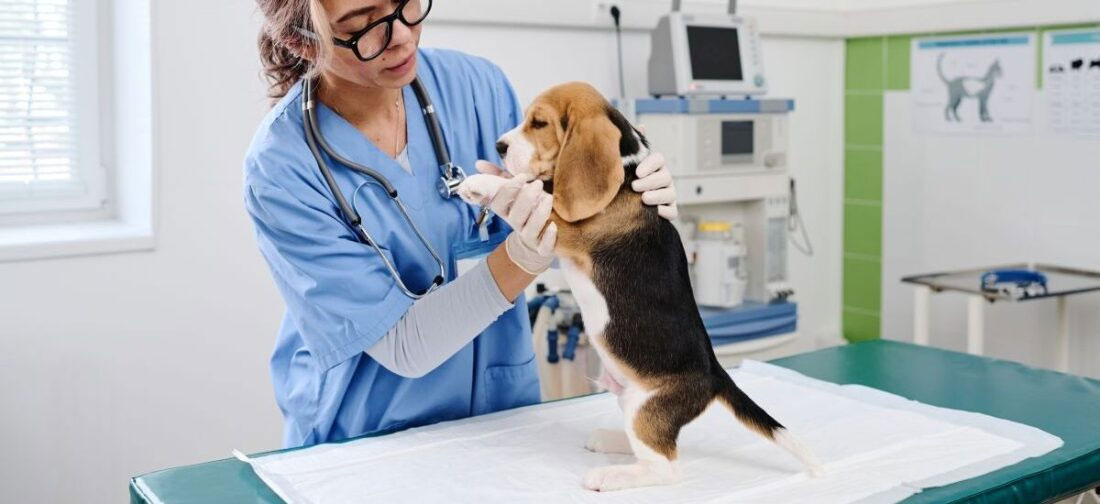
Treatment depends largely on the underlying causes of increased gas production in the animal's intestines. To normalize gastrointestinal function, the following is recommended:
- Treatment of chronic diseases that may cause flatulence.
- Selecting the right diet taking into account the state of the gastrointestinal tract, age and chronic diseases of the dog.
- Introduction into the diet of drugs that normalize intestinal flora.
- Taking adsorbents and carminatives that reduce the amount of gases in the intestines.
- Normalization of the dog's motor activity to improve intestinal peristalsis.
For dogs that struggle with slow and calm eating, interactive feeders are recommended to prevent them from gulping down large amounts of food too quickly. These feeders often require paws or very small portions of food.
For more information about premium and super-premium foods recommended for dogs with gastrointestinal disorders, please visit the relevant sections of our website.
Veterinarian's advice
Also watch a video about flatulence and bloating in dogs, in which a veterinarian explains in detail the causes of this problem and what to do to help your pet.
Read also:
- Colic in dogs: symptoms and treatment
- Peritonitis in dogs: symptoms and treatment
- Bloating in Dogs: Causes and Treatment


Add a comment