
Why won't my dog drink water and what should I do?
If you notice that your puppy or adult dog is refusing to drink water, it's important to identify and address the cause as quickly as possible. In this article, we'll explore why dogs sometimes refuse to drink water, what this alarming symptom may indicate, and what you can do to help your pet.
Content
Fluid intake standards
Important! A breastfed puppy up to 20 days old (and sometimes up to 1 month old) does not require additional fluids, as it receives sufficient amounts from its mother's milk.
But if there is not enough milk and you begin to transition your babies to solid foods, you need to teach them to also drink water from a bowl or special drinking bottle.
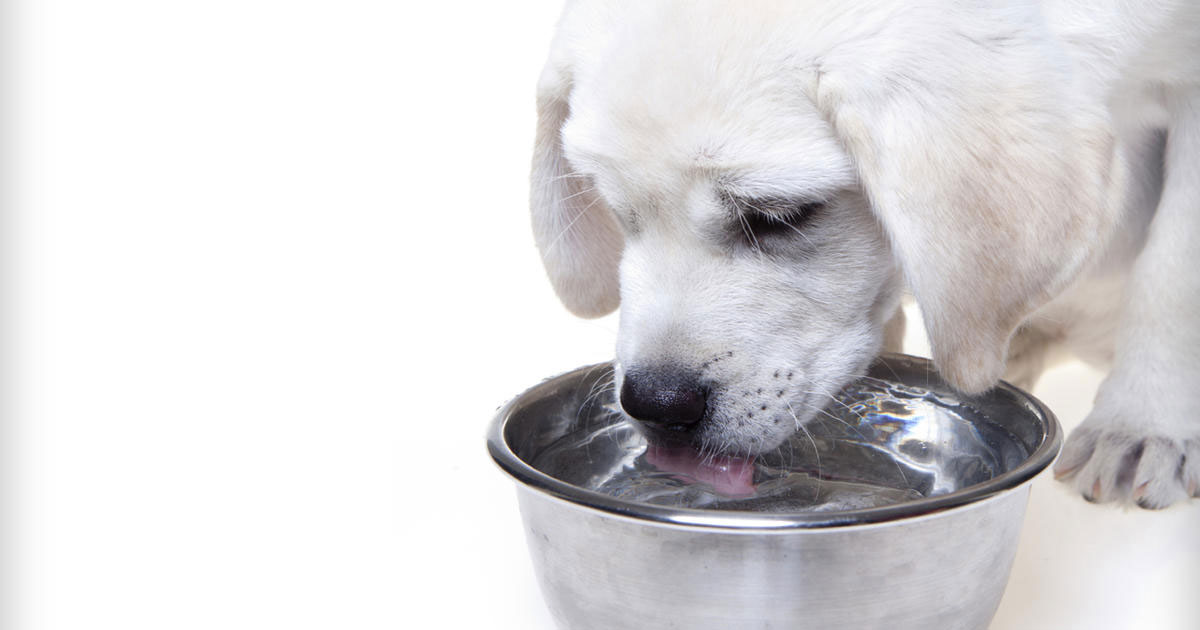
For the proper functioning of organs and systems, a dog’s body needs to receive about 20-70 ml of fluid per day (puppies 70-100 ml per 1 kg of weight).
It's worth noting that the calculation takes into account not only the clean water the animal drinks, but also the liquid that can be consumed with commercial soft food, special canned food, or natural food.
This means that an adult dog:
- miniature size, weighing 3.5 kg (Yorkshire Terrier, Chihuahua) 70-245 ml of liquid per day is enough;
- medium size weighing about 10 kg (Dachshund, Corgi, Bichon) requires 200-700 ml,
- weighing about 20 kg will require from 800 ml to 1.6 liters;
- whose weight reaches 45 kg or more, requires 2 to 4 liters of fluid per day.
The amount of fluid consumed depends on the temperature, age, and health of the dog. Increased thirst is typically observed in hot summer weather, in winter (if the air in a heated room is too dry and warm), after active play, when eating fatty foods, and during various illnesses. Dogs fed natural food or specialized wet food may drink little water.
The main indicator of a pet's health is its activity level. If a dog eats little or drinks little water, but is cheerful, playful, goes to the bathroom regularly, has a healthy, shiny coat, and shows no signs of illness, then it's likely that your worries are unfounded and that it's doing just fine.
What are the dangers of dehydration?
Insufficient fluid intake is indicated if a dog receives less than 20 ml per 1 kg of weight per day, or refuses to drink water at all.
In this case, symptoms of dehydration may appear quite quickly, such as:
- apathy (the pet becomes lethargic, sleeps a lot, refuses to play);
- constipation (the stool becomes too hard, and the slow peristalsis of the intestine cannot cope with its movement);
- scanty urination (the dog rarely urinates, and the urine becomes dark and concentrated);
- sticky or dry gums (the mucous surface dries out);
- sagging skin;
- dull coat that may appear unkempt.
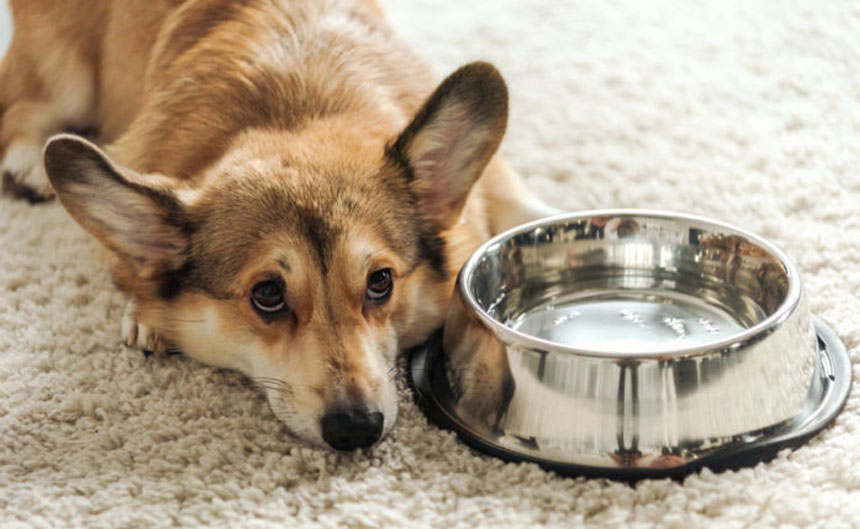
Important! An adult dog can survive without water for 2-3 days, after which irreversible processes in the body will begin, making it quite difficult to save the animal.
Animals will never refuse water "until the last minute" if they have access to it (this is the instinct for self-preservation). However, there are situations in which a dog drinks little water, which negatively impacts its health. Therefore, it is crucial to notice early on that a dog is not drinking water or is not drinking enough fluids in order to identify the cause of this behavior and address the problem.
Why a dog won't drink water (main reasons)
To understand the reason for low fluid intake or why your puppy isn't drinking at all, we recommend analyzing these potential issues and observing your pet more closely for a while.
Reason #1: The puppy doesn't know how to drink water
This situation is possible if you have a very small puppy or you are planning to feed babies whose mother suddenly becomes ill or dies.
In this case, simply placing a bowl of water in front of the puppies isn't enough; you need to teach them what to do with it. Puppies under two weeks old should be fed liquid formula using a special nipple or dropper (a syringe without a needle can be used). To give older puppies water, you can place them face down near the bowl, moistening it with water. Instinct should tell the animal what to do.
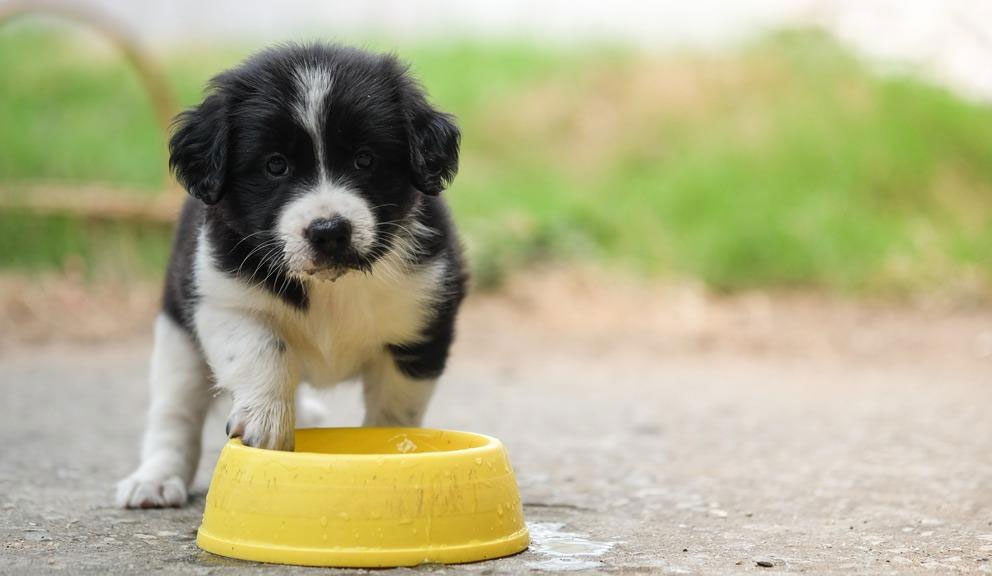
Reason #2 – Dirty water in the bowl
Adult dogs may refuse water if it's stale or dirty (food particles can get into the water, causing fermentation, which alters the taste and smell). Water disappears especially quickly on hot days or in heated rooms.
It is necessary to change the water in the dog bowl daily, and be sure to wash the bowl without using household chemicals.
The reason may also lie in the material the water bowl is made of. Many dogs dislike the strong odor emitted by plastic bowls, so it's best to buy bowls made of ceramic or stainless steel.
Reason #3 – Additional source of fluid
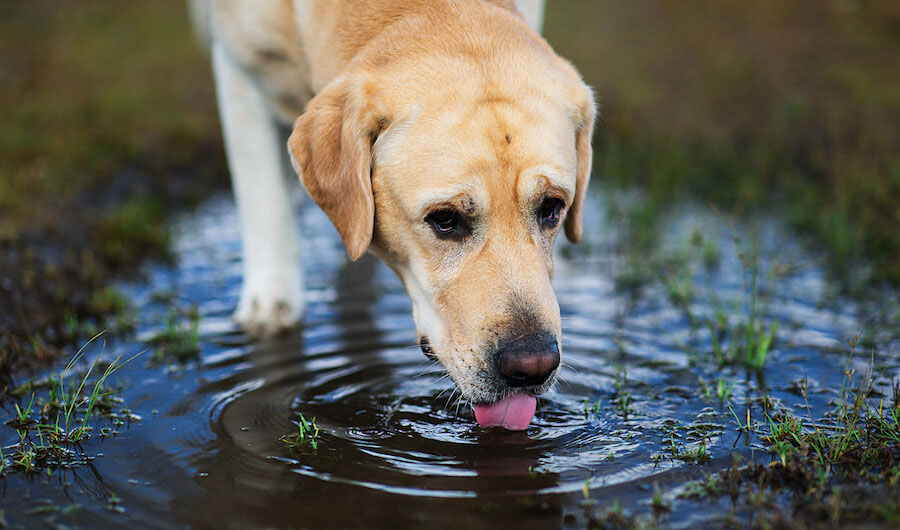
If your dog doesn't drink water at home, but eats well and roams freely in the yard, it's likely that it has found a more preferable watering hole and is quenching its thirst in a river, lake, puddle, someone else's water bowl, or some other place (in an apartment, some pets may get into the habit of drinking from the toilet).
Reason #4 – Age-related changes
Another reason why dogs don't drink enough water is the natural aging process. As they age, animals, like humans, require less fluid (consumption begins to approach the lower limit of normal).
Important! If an older dog is drinking less than normal or refuses water altogether, it's worth taking them to the veterinarian, as the cause may be not just age-related, but also health-related.
Reason #5 – poor health
If a puppy or adult dog goes without drinking water for a long time, it's worth consulting a veterinarian to rule out dehydration and determine the reason why the animal is refusing fluids altogether.
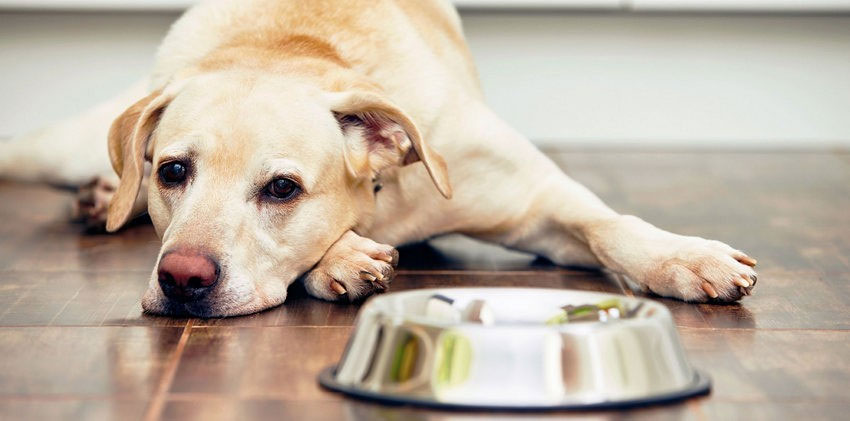
Diagnosing the cause at home is not always possible, as water refusal can be caused by:
- toothache;
- injuries or ulcers in the oral cavity;
- approaching labor or postpartum condition;
- pain in the abdominal area;
- a wide variety of gastrointestinal problems, accompanied by nausea and vomiting;
- depressed state after anesthesia;
- poor health while taking medications.
What to do if your dog won't drink water
Before deciding what to do, it is necessary to analyze the animal's condition.
- If there are any alarming symptoms, then you should not waste time trying to solve the problem at home.
- If the dog is generally feeling well and nothing seems to be bothering it, then you can try to trick it into increasing its water intake.
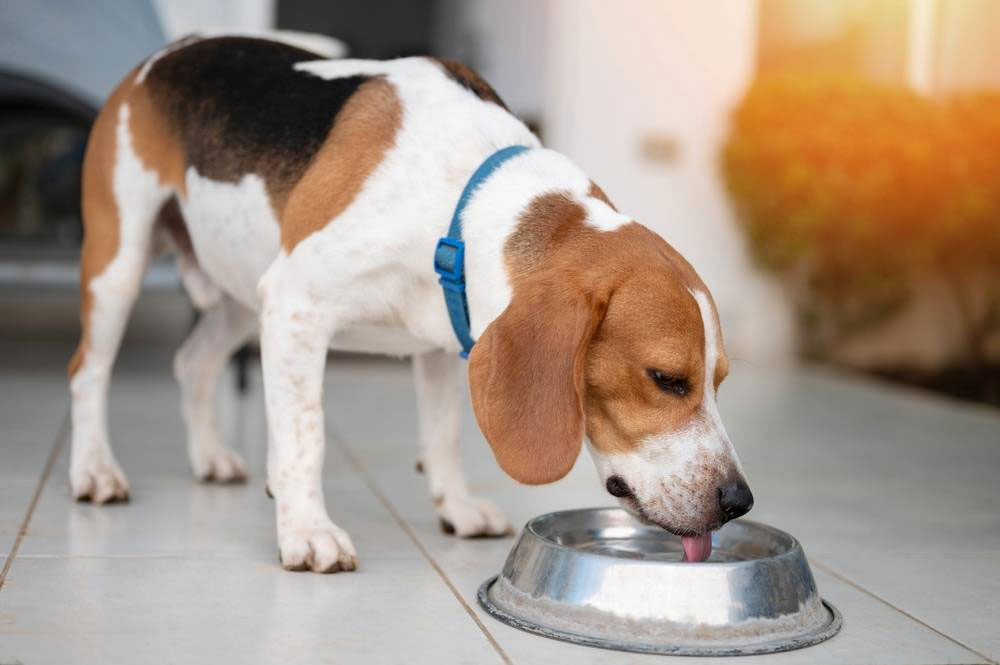
There are several ways to solve the problem of insufficient fluid intake:
- If the dog eats but does not drink water, you can simply moisten the dry food with water or replace one of the feedings with wet food (canned food).
- If your dog is sensitive to smells, adding a small amount of meat broth to the bowl can help attract its attention to water (in this case, you will need to wash the bowl several times a day).
- If your puppy is new to your home, try offering him water in several different bowls. He may not like the material (or smell) itself.
- If the dog does not eat anything and refuses to drink on its own, you can give it water by pouring the liquid in small portions into the cheek from a syringe without a needle.
- If an animal is exhausted and dehydrated due to a prolonged lack of water, it is necessary to take it to a veterinarian as soon as possible, as medical procedures (intravenous injections, IVs, etc.) are necessary to maintain bodily functions.
For more information on how to give water to a dog if it refuses to drink on its own, watch this video (the principle is the same as when giving any liquid medication):
Prevention of dehydration
The following simple steps will help ensure that your pets are getting enough fluid:
- 24-hour availability of clean drinking water;
- regularly changing the water in the bowl (especially on a hot day);
- restricting access to outside water sources where the dog may drink water of questionable quality;
- feeding on a schedule (so that the dog does not confuse the feeling of thirst with the feeling of hunger);
- high-quality balanced nutrition;
- a walk that is sufficient in duration and activity;
- Caring for your pet's health, regular preventive examinations and timely treatment of identified diseases.
Read also:
- How much water should a dog drink per day?
- Can you mix wet and dry dog food?
- How many days can a dog live without food?


Add a comment