
Why does a dog hiccup? Reasons and what to do.
Hiccups are common not only in humans but also in animals. Dogs are no exception. Medically speaking, this phenomenon occurs as a result of the spontaneous contraction of the diaphragm during a sudden and sharp inhalation. In most cases, hiccups pose no health risk and resolve on their own, although they can cause noticeable temporary discomfort, preferably after eating.
Puppies are more vulnerable to this than adults. This is primarily due to their underdeveloped gastrointestinal system, weak internal ligaments, increased mobility, and nervous excitability.
Content
Causes of Natural Hiccups in Dogs
The following factors can trigger natural hiccups in animals:
- Overeating. This is especially true when a dog eats primarily dry food and doesn't drink enough water. Sudden overfilling of the stomach causes the stomach walls to expand, compress the diaphragm, stimulate nerve endings, and, as a result, hiccups.
Important: To prevent hiccups after eating, it is recommended to soak dry food in warm water.
- Rapid ingestion. When food is consumed hastily and greedily, numerous air bubbles enter the stomach, distending its walls, and the body then begins to behave in a similar manner to overeating. This situation most often occurs when several pets live in the same house. When feeding, each pet will try to eat more, snatching the food before the others are even looking and swallowing it without chewing.
Important: food should be cut into small pieces, and feeding bowls should be placed on special stands according to the dog’s height.
- Increased activity. After jogging and vigorous play, dogs' nasopharyngeal mucosa can become dry, often triggering involuntary hiccups. A similar phenomenon can occur when an animal suddenly jumps up and runs after waking up in the morning or after a nap, barely recovering from its urges. This is especially true for breeds with a choleric temperament.
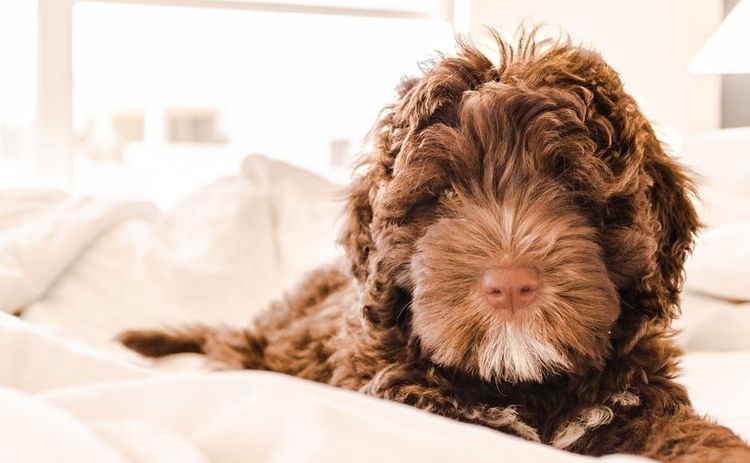
- Hypothermia. Short-haired, smooth-haired, and small toy dogs are most sensitive to cold. If the room is insufficiently heated or there are drafts, these pets need to be kept warm even at home.
- Fright. Out of surprise and fear, the animal takes a sharp, deep breath, which compresses the diaphragm and causes the intercostal muscles to contract. Once breathing returns to normal, the hiccups disappear.
Hiccups in Dogs: Additional Causes and Recommendations
Hiccups in puppies
Puppies often hiccup due to the immaturity of their nervous system and increased excitability. Hiccups can occur after eating, during active play, or even during sleep. This is because their diaphragm and respiratory system are still developing. In most cases, these hiccups resolve on their own and require no intervention.
Hiccups after eating
If a dog hiccups after eating, it may be due to rapid swallowing or overeating. Eating too quickly can lead to swallowing air along with the food, which can cause diaphragmatic spasms. Overeating also leads to stomach distension, which puts pressure on the diaphragm. To avoid this, it's recommended to feed your dog small portions and use special bowls that slow down the dog's eating.
Hiccups in the morning
Some dogs experience hiccups in the morning. This may be due to flatulence or exposure to cold during sleep. Make sure your dog's sleeping area is warm and protected from drafts. Also, avoid feeding your dog late in the evening to prevent gas buildup.
Stress and emotional factors
Stress, excitement, or fear can trigger hiccups in dogs. Sudden noises, changes in environment, or new people in the house can all be triggers. In such cases, it's important to provide the dog with a calm environment and minimize stress factors.
Diseases and pathological causes
Sometimes hiccups can be a symptom of more serious conditions, such as:
-
Problems with the gastrointestinal tract (gastritis, flatulence).
-
Diseases of the respiratory system.
-
Lesions of the nervous system.
-
Presence of parasites.
If your dog's hiccups last more than 24 hours or are accompanied by other symptoms (vomiting, lethargy, loss of appetite), you should consult a veterinarian.
Causes of unhealthy hiccups
If your dog hiccups not only after eating, vigorous exercise, or exposure to cold, it's a good idea to consult a veterinarian to determine the underlying cause. The problem may be one of the following:
- Digestive system dysfunction. This may include various stomach disorders (diarrhea, constipation, flatulence), indigestion, worms, etc.
- Nervous system damage. In animals with enteritis, meningitis, or distemper, along with hiccups, partial loss of coordination, muscle tremors, visual incontinence, and other symptoms may be observed.
- Destabilization of the respiratory system. In this case, the dog will typically experience shortness of breath, coughing, snoring, and excessive irritation of the mucous membranes.
- Foreign bodies entering the stomach. These may include small toys, threads and ropes, pieces of dishware, and other household items. Severe intoxication may manifest itself in the following symptoms: vomiting, increased salivation, muscle weakness, cyanosis of the mucous membranes, and tremors.
How to get rid of hiccups
You can help your animal at home in the following ways:
- Massage the abdomen after feeding. This is especially recommended for puppies recently weaned. Since the digestive organs are not yet fully developed, swallowing food too quickly can disrupt intestinal motility. Massage using gentle stroking movements in the abdominal area.
- Drink plenty of fluids. To stop a bout of hiccups, give your dog warm water and a piece of sugar. The sweetness will help relax the nerve receptors and return the dog to a normal breathing pattern.
- Distract your pet with games. Switching the animal's attention to a different frequency will help relieve tension in the nerve endings and help stop the hiccups.
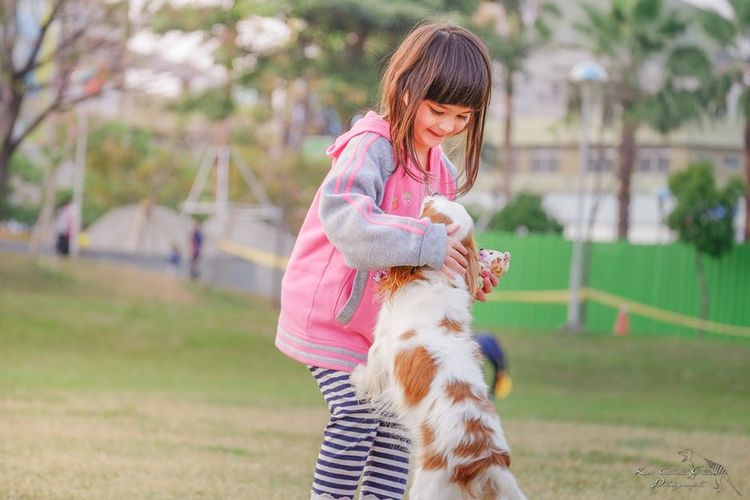
- Walk on its hind legs. In other words, make the dog "dance" by grabbing its front paws and lifting it into a vertical position. The trapped air will rise to the throat and be expelled as a burp.
Medicinal methods of control
If the above treatments don't produce the desired result, you can treat your dog's hiccups with injections. Medication options:
- Cerucal. Blocks receptors that cause spasms and subsequent hiccups.
- Seduxen and Tazepam are tranquilizers that reduce the sensitivity of nerve endings.
- Aminazine. A neuroleptic that acts on the central nervous system to produce a sedative effect. It should be noted that after the injection, the animal may become drowsy, which is a normal reaction.
Prolonged hiccups can also indicate an impending stroke or heart attack, so at the slightest suspicion of such diagnoses, it is necessary to immediately take the dog to a veterinary clinic.
Prevention of hiccups
-
Feed your dog small portions.
-
Use slow-eating bowls.
-
Ensure regular walks and physical activity.
-
Monitor the room temperature, especially during the cold season.
Remember that in most cases, hiccups in dogs do not pose a health threat. However, paying close attention to your pet's condition will help promptly identify potential problems and provide the necessary assistance.
You can also ask our website's staff veterinarian a question, who will answer them as quickly as possible in the comments box below.
Read also:


Add a comment