
Why a dog is shaking: reasons and what to do
An attentive owner always observes their pet and notices any changes in their behavior, such as trembling. This can be due to physiological reasons or pathological conditions associated with various illnesses. However, it's worth noting that trembling in a Yorkie, Chihuahua, Pomeranian, or other small breed is, in most cases, normal and shouldn't cause concern. This is often a sign of fear, and can also include tucked paws, ears, and tail, yelping, and even urinating involuntarily.
Owners of pets of other breeds should also not immediately sound the alarm, but try to understand the causes and rule out the most harmless options.
Content
- 1 Physiological reasons
- 2 Pathological causes
- 3 Additional diagnostics: when trembling is a signal for action
- 4 Painful and metabolic causes of tremors
- 5 Neurological and toxic factors
- 6 Behavioral and emotional causes
- 7 Age-related changes and breed characteristics
- 8 What to do
- 9 A quick action plan for owners
Physiological reasons
The main distinguishing feature of these factors is that a symptom such as tremors disappears almost immediately after the source that provoked it is eliminated. These include:
- Stressful situations (for example, when expecting punishment or after it).
- Hypothermia, which can be caused by walking in low temperatures or at home, for example, after swimming.
- Fear (the appearance of obvious sources of danger in the field of vision, in the case of loud sounds, etc.).
- Intense excitement associated with positive emotions. Some pets begin to tremble in anticipation of receiving a favorite treat or meeting their owner after a long separation, and even in their sleep if they are dreaming of something pleasant.
- Hormonal surge. This is especially true for male dogs, who experience intense arousal when they see an attractive member of the opposite sex.
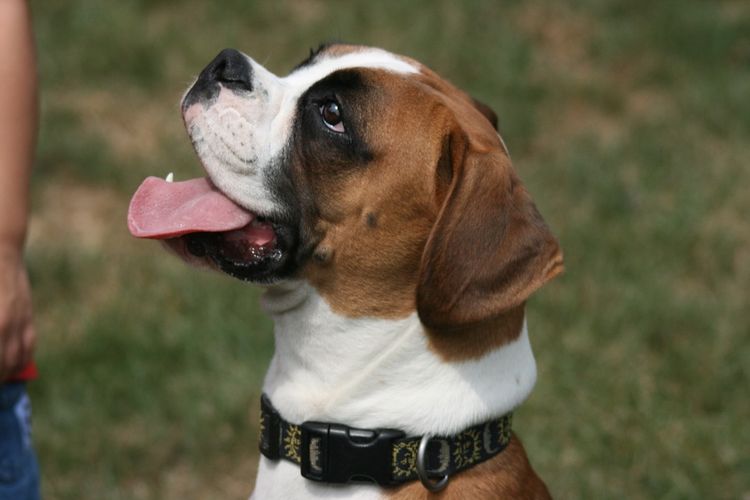
- An attempt to attract the owner's attention. In this case, the trembling can be compared to a wagging tail. This expression is typical of breeds whose tails are usually docked (Rottweilers, Boxers, etc.).
But if your dog is shaking as if it has chills, and the above-mentioned "conditions" are not present, this is a reason to take a closer look at your pet and perhaps even go to the vet.
Pathological causes
If your dog starts trembling even at home without any apparent cause, you should assess its overall condition and check for other negative symptoms (increased body temperature, decreased appetite, diarrhea, etc.). This behavior may signal the development of illness or other pathological conditions.
Viral diseases
In unvaccinated pets, tremors can be caused by a number of viral diseases. The most dangerous of these include:
- Viral hepatitis (young individuals under one year of age are most susceptible) – affects the cornea, liver, and kidneys. In addition to tremors, it is accompanied by impaired coordination, paralysis, and other manifestations of nervous system dysfunction.
- Encephalomyelitis (develops in dogs aged 5-8 years) causes impaired coordination of movements, frequent falls due to weakness of the limbs, and, if left untreated, results in complete paralysis.
- Parvovirus enteritis (Puppies under 4 months of age are most susceptible, but older dogs can also experience it) – accompanied by possible tremors, refusal to drink or eat, and prolonged vomiting. It is important to begin treatment within the first 4 days after infection, otherwise the risk of death is very high.
- Adenovirus – accompanied by tremors, coughing, and fever. Proper treatment can clear the disease within 1.5–2 weeks, but the pet will remain contagious to other animals for several months.
- Plague of carnivores – provokes inflammatory processes in the brain, liver, and kidneys. In addition to tremors, symptoms include fever, nasal and ocular discharge, vomiting and diarrhea, photophobia, and difficulty breathing. The illness can last from several weeks to several months and can result in either successful recovery or death.
Parasitic diseases
Parasite infestations in pets are sometimes accompanied by typical tremors as one of the symptoms. These include:
- Helminthic infestation indicates infection of the body with helminths and may be accompanied by the appearance of tremors when attempting to defecate.
- Dirofilariasis is caused by heartworms, which, after entering the body, migrate to the animal's heart, sometimes causing uncontrollable tremors. The disease is accompanied by swelling and edema due to impaired circulation, a dry, frequent cough, and apathetic behavior.
- Piroplasmosis – causes blood poisoning following a tick bite. The disease is accompanied by labored breathing, loss of balance, tremors, and brown urine.

Diseases of internal organs and metabolic disorders
Tremors, along with other symptoms, may indicate problems with the body's internal systems. These include:
- Hypoglycemia (more common in small dogs) – accompanied by uncontrollable tremors, loss of strength, and lethargy. If detected early, hypoglycemia is successfully treated; if not, it can cause limb paralysis and eventually death.
- Hypothyroidism (deficiency of thyroid hormones) is accompanied not only by tremors, but also by weakness and a decrease in body temperature.
- Heart disease (heart failure, myocarditis) – manifests itself in the form of tachycardia (irregular heartbeat), tremors, frequent bowel movements and other symptoms.
- Inflammation of the spinal cord is accompanied by tremors, changes in gait and paralysis of the limbs.
- Eclampsia - appears in dogs during pregnancy and lactation with a significant drop in the level of calcium in the body, as a result of which the functioning of the nervous system is disrupted and the tremors subsequently develop into convulsionsSometimes vomiting, fever and shortness of breath appear.
Other reasons
The appearance of tremors may be associated with other reasons, including:
- An allergic reaction occurs when switching to a different diet or taking medications and is accompanied by itching and sometimes a rash.
- Food or toxic poisoning manifests itself in the form of apathy, weakness, vomiting, diarrhea, chills, sometimes increased thirst, and convulsions.
- Heat stroke – the dog not only shivered on a hot day, but also became lethargic and sometimes began breathing rapidly.
- Pain – manifests as tremors throughout the body or at the site of pain, accompanied by whining. This behavior may be associated with injuries, rheumatic pain, abdominal pain, or more serious illnesses, including cancer.
- A side effect of the vaccine is accompanied by severe tremors, loss of appetite and weakness.
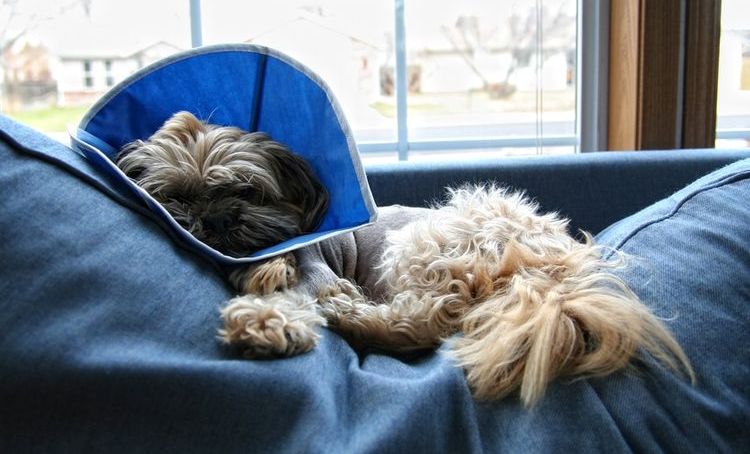
- Postoperative condition – the appearance of tremors may be caused by the body’s inability to regulate its temperature normally, an increase in temperature due to the development of an infection, or a reaction to certain medications.
Additional diagnostics: when trembling is a signal for action
Sometimes trembling is just a superficial, fleeting reaction, but it can hide more serious problems.
In such cases, it is worth paying attention to the following signs:
-
impaired coordination or gait (staggering, instability when walking) - may indicate damage to the central nervous system, compression of the spinal canal or poisoning;
-
weakness, refusal to eat, lethargy - typical for hypoglycemia, systemic infections, organ diseases;
-
heavy breathing, tachycardia, fainting - typical of heat stroke or heart disease.
If the trembling is accompanied by at least one of these signs, you should contact your veterinarian for an examination as soon as possible.
Painful and metabolic causes of tremors
Tremors in dogs can be caused by the following medical problems:
-
hypoglycemia - low blood sugar (especially dangerous for puppies and miniature breeds);
-
hypokalemia is a lack of potassium in the blood that accompanies kidney disease;
-
liver and kidney diseases - disrupt metabolism, which manifests itself as muscle tremors;
-
endocrine disorders - hypothyroidism (slow metabolism), Addison's disease, diabetes mellitus;
-
Cardiopulmonary pathologies - hypoxia, arrhythmia, bronchitis, decreased blood pressure.
Table: Possible medical causes and signs
| Cause | Symptoms and signs |
|---|---|
| Hypoglycemia | Sudden lethargy, weakness, possible convulsions |
| Diseases of the gastrointestinal tract or internal organs | Pain, refusal to eat, weakness, nausea |
| Endocrine disorders | Change in weight, lethargy, tremors, hair loss |
| Heart and lung diseases | Shortness of breath, disorientation, tachycardia, weakness |
| Metabolic disorders | Metabolic disorders, intoxication, decreased muscle tone |
Neurological and toxic factors
Some conditions are related to the nervous system or exposure to toxins:
-
Epilepsyand other convulsive disorders - tremors may be part of a seizure, accompanied by loss of consciousness, tongue biting, and involuntary urination.
-
Small dog shaker syndrome— more common in small white breeds (West German Shepherds, Yorkies). The tremor is generalized and intensifies with stress.
-
Infections of the nervous system— canine distemper, leptospirosis, encephalitis. Tremors combined with fever, loss of coordination, and convulsions.
-
Poisoning— chocolate, medications (isoniazid), neurotoxins (botulism, clostridiosis). Often accompanied by vomiting, diarrhea, and weakness.
Behavioral and emotional causes
Sometimes trembling is a response to the animal’s psychological state:
-
Stress and fearA change of environment, a visit to the veterinarian, or fireworks can cause tremors. The animal hides, breathes heavily, and lies down.
-
Overflowing with emotions- joy or excitement, meeting with the owner, a favorite toy - cause trembling as a manifestation of excitement.
-
Attention seeking- If trembling previously brought comfort, the dog may use it as a tool of manipulation.
-
Sleep phase transitions (REM)— tremors can occur during sleep, especially during rapid eye movement (REM) sleep, when the animal dreams.
Age-related changes and breed characteristics
-
Older dogs— trembling of the muscles of the legs or body can be caused by arthritis, muscle weakness, or impaired thermoregulation.
-
Small and short-haired breeds— Chihuahuas, Yorkshire Terriers, and Dachshunds often shiver from cold or stress due to the high excitability of their nervous system.
-
Physiological tremor — typical for mini-breeds, puppies, dogs with a high metabolic rate and little subcutaneous fat — shivering helps maintain body temperature.
What to do
If the tremors are caused by physiological reasons, it is enough to eliminate their influence:
- Dress your pet in warm clothes for walks in cold weather or limit their duration.
- Dry the coat thoroughly after bathing, perhaps even using a hair dryer.
- Protect your dog from stressful situations, and in case of strong emotions, use tea with a calming effect.
Important! If your dog's limbs begin to twitch sharply and violently during a walk or immediately after returning, this is one of the symptoms of strychnine poisoning. In this case, it's important to take your dog to the vet as quickly as possible, as only emergency measures can save your pet's life.
If the tremors persist for a long time, consult a veterinarian to determine the cause and undergo the necessary examinations and tests. Only then will the veterinarian determine the cause and prescribe appropriate treatment:
- For allergic reactions: eliminate allergens and take antihistamines.
- In case of helminthic infestations: deworming with special medications, limiting contact with humans until recovery, since the worms can be transmitted to them.
- For hypoglycemia: glucose injections, but in advanced cases more serious treatment is required.
- For inflammation of the spinal cord: antibiotics with novocaine, compresses, massages.
- For adenovirus: antibiotics, amoxicillin, mucolytic drugs to relieve cough.
- For paraviral enteritis: immunoglobulins and immunomodulators, hyperimmune serum, water-salt solutions.
- For viral hepatitis: immunostimulants, hyperimmune serum and vitamins.
- For piroplasmosis: injections with antiviral vaccines, supportive treatment.
- For pain syndromes: If the injury or wound is minor, the dog may be able to lick the wound itself, and the owner only needs to ensure that it does not become infected. For serious injuries or no visible damage, consult a veterinarian for treatment.
A quick action plan for owners
Condition assessment:
-
Pay attention to other symptoms (appetite, breathing, coordination, temperature);
-
Try to warm or cool the dog, depending on the situation;
-
Calm your pet, create comfort, and eliminate stress factors.
If the trembling is caused by emotions:
-
Calm your pet with calm words, redirect attention with a game;
-
Do not feed or comfort if the reason is a desire for attention.
If you suspect a medical problem:
-
Contact your veterinarian immediately;
-
Prepare information: when the tremors began, what are the symptoms, were there any provoking factors;
-
Blood tests (glucose, biochemistry, hormones), ultrasound, x-ray, and infection tests may be required.
At home:
-
Monitor your sleep patterns, diet, and temperature;
-
Avoid sudden temperature changes and overload;
-
Pay attention to the psychological state of your pet, especially mini breeds.
The main thing is not to delay a visit to a specialist for too long, since the disease, if detected at an early stage, is usually easily treated, whereas advanced forms require long-term treatment, and the outcome is not always favorable.
You can also ask our website's staff veterinarian a question, who will answer them as quickly as possible in the comments box below.
Read also:
- Epilepsy in dogs
- Encephalitis in dogs: symptoms and treatment
- My dog was bitten by a tick: what to do


46 comments
Julia
Hello, my female Great Dane's legs start shaking when she's outside or in the entryway. After coming inside and washing her paws, it goes away. At home, she acts normal, is active, eats well, and drinks water. What should I do?
Daria is a veterinarian
Hello! Has this always happened or just recently? Is the floor in the entryway or the ground outside cold or causing discomfort/pain? How old is the animal?
Valentina
Hello! My Yorkie is 7 years old. I've been experiencing this condition periodically: all my muscles tense up, and my body shakes violently, like a seizure. It lasts for about a minute, then passes. During the seizure, I pick him up and hold him tightly until it passes. The vet said it's nothing serious, but a problem with small dogs.
Daria is a veterinarian
Hello! Yes, small breeds can shiver even without any underlying medical conditions, such as fear, cold, or stress. Seizures are usually distressing to the animal, and they're not just shivering, but rather an uncontrolled contraction of a specific muscle group. Not the entire body, but a specific muscle group. If the entire animal were to spasm, there would also be involuntary urination. If this isn't observed, it's most likely just shivering. Dress your pet warmly, avoid drafts, and avoid sudden temperature changes. Remember that cold air flows across the floor. What's warm to you may be "grrr" to your pet.
Julia
Good afternoon! We have a miniature dachshund. It all started when he threw up one night, and it never happened again. We came home from work that evening and he was active and playful. His behavior changed outside. He started shaking and pressing his ears back. We carried him home. The next morning, the same thing happened. He doesn't eat and whines. He can't jump on the couch, and he can't get off. He's 11 years old.
Daria is a veterinarian
Hello! In addition to age, it would be helpful to provide information on the pet's housing and feeding conditions, as well as any mandatory veterinary preventative treatments (vaccinations, deworming) and when they were administered. Have they been seen by a veterinarian for any illnesses? Have they been seen at all? How often does the pet vomit? What type of vomiting (impurities, before or after meals, digested or undigested food, bile, foam)? How are their stools? Are their joints swollen? Is their mobility impaired? How does they climb up and down stairs (is they able to do so on their own)? Is there any swelling in the evening (check their paws before bed, feel them)?
Ronilda
The dog is shaking, not for the first time. He's breathing rapidly through his mouth, his paws are cold, his nose is cold (although it's always warm during attacks), and his ears are warm. He has loose stools, no vomiting, and his belly isn't distended. He drinks water frequently. His eyes are watery, but very happy.
Daria is a veterinarian
Hello! Your pet is most likely experiencing pain, which is why it's shaking and breathing rapidly. You haven't provided any information about its age, breed (size), living conditions, feeding, or any mandatory veterinary treatments (vaccinations, deworming) or how long ago they were performed. Does your pet feed chicken bones? What does its stool look like (color, odor, impurities)? How often does your pet experience these episodes? Has it had any recent infectious or non-infectious diseases? Is its urination volume the same as its drinking rate? Is urination increased? Is there a foreign odor coming from its skin or mouth? What do its fur and skin look like?
Natalia
Hello. I have a miniature toy terrier. Less than 24 hours ago, while walking him in the park, I noticed foam coming out of his mouth. I called the vet, and they said it was probably just mild poisoning that would pass. Now he's shivering, has diarrhea, and is lethargic. I tried giving him activated charcoal, but it was no use.
Daria is a veterinarian
Hello! Charcoal should have been given within the first half hour, maximum two hours, of the suspected toxin ingestion (eating poisoned/spoiled food). After a day, it's of little use. Since the exact cause is unknown, it's essential to go to the vet immediately. Gastrointestinal tract should be flushed, IVs should be given, and detoxifying medications should be administered. This is why it's important to go immediately, not to seek help from a veterinary clinic. Poisoning doesn't resolve on its own. Take the temperature, though. If it's below normal, the likelihood of intoxication is extremely high. Give more fluids, in small amounts (Rehydron is suitable), to relieve the symptoms of dehydration and restore the water-salt balance. Diarrhea is the body's defense mechanism, as the gastrointestinal tract rids itself of the toxin. Therefore, constipation during the first day is not recommended. This will even help get rid of the "poison" faster. Try to get an IV drip to the vet.
Sonya
Good afternoon! We adopted an elderly dog from the shelter. She has cystitis (treated with Amoxiclav) and stage 2 nephritis. Today, after getting caught in the rain, she started shaking when she was home. Her temperature is not high, just 37.2°C. At the shelter, she also had cases of shaking, as if she was cold or stressed. What could be causing this?
Daria is a veterinarian
Hello! A temperature of 37.2°C (99.8°F) for a dog is even lower than normal. A normal temperature for pets isn't 36.6°C (98.8°F), like a human's. The animal most likely froze after the rain. The first step was to dry it off with a dry towel at home and warm it up. Especially since the animal already has cystitis. Hypothermia will only make things worse. The treatment for cystitis seems incomplete, consisting of just an antibiotic (or you didn't include everything). Did you prescribe it yourself, or did the veterinarian at the clinic prescribe it?
Hope
Hello! My three-month-old cocker spaniel was poisoned a week ago. Thank God, everything turned out well. He received injections, IVs, and a blood transfusion. The puppy has recovered and is playful again, but this evening he started shaking and whining. What's the cause?
Daria is a veterinarian
Hello! What was the cause of the poisoning? Could it have happened again? What were the symptoms of the first poisoning? Does the puppy have a fever? What did the puppy eat today? Was it taking any medications? Was it unable to grab anything from the ground during a walk? How are vaccinations and deworming treatments going?
Natalia
Hello! We have a Pekingese. This is the second time he's been shaking, as if he's cold. When you touch him, he whines. What could it be?
Daria is a veterinarian
Hello! Take your pet's temperature rectally (with a thermometer, not by feeling the nose, as most owners do). Chills are possible. However, a physical examination is also necessary. Rule out inflammatory processes in both the skin and internal organs (shaking due to severe pain).
Elena
My dog (a mongrel) is over 10 years old. A year ago, warts appeared on his face. We called the vet, who prescribed injections (I forgot the name). He tolerated 10 of the 16 prescribed and didn't give in anymore. Now there are even more, and some are in his mouth. We called the vet again, and she prescribed celandine, which we applied. A month has passed—the warts haven't fallen off. This huge dog has become thinner, shivering, eating less every day, and for the last two days, he's been lapping up a little liquid. He's been chained his whole life, and taking him to a vet is out of the question. Please tell me what to do.
Daria is a veterinarian
Hello! I understand you gave her antiviral or immunostimulant injections to boost her immune system's fight against papillomas. In young animals, this infection usually clears up on its own. It's more complicated with older animals. It's concerning that they haven't fallen off after a month of celandine. Or did you only apply it once? Perhaps these aren't papillomas? Perhaps they're growths altogether? Have you taken her temperature, since she's shivering? She might be eating poorly because either the warts in her mouth are interfering with her mouth, or because she's burned the mucous membrane (if she's even bothered to use celandine there). These warts could be in her throat, interfering with her eating. She needs to be examined by a vet.
Catherine
Hello, please help. We have a 6-7 year old husky mix. He won't stand up, he's shaking, and he's trembling all over. He's not eating or drinking. He's not vomiting, has no diarrhea, no tears, and his nose is dry. He was in good health yesterday, but today he's fallen back on his paws. What's wrong with him?
Daria is a veterinarian
Hello! A dry nose isn't helpful. Their temperature needs to be taken. There's no information about their diet, living conditions, or veterinary treatments. They may have given them vitamins, supplements, or medications. They may have access to houseplants, chemicals, or something they ate. Injuries? Vaccinations? What is they eating? Contact with other animals? Are their extremities sensitive, their temperature (cold or the same as the rest of their body), or are they trembling while lying down? Infectious diseases, neurological conditions, intoxication, and gastrointestinal diseases should be ruled out.
Alla
Hello! We got our West Highland White Terrier's head shaved almost bald five days ago. He's a 7-year-old male and shakes every day. We dress him and cover him, but it still doesn't help. What should we do?
Daria is a veterinarian
Hello! Thermoregulation isn't normalizing that quickly. The animal still hasn't gotten used to not having a "fur coat." Why shave the animal's hair in winter when the frosts are coming? Put on warmer clothes, and something for the paws, too. Otherwise, she'll catch a cold. Take her temperature rectally to make sure the shivering isn't due to chills caused by a slight temperature rise (as in humans, a temperature of 37.2°C or 100.4°F). Don't take off her clothes at home either (thin ones are fine, not insulated winter ones).
Irina
Hello. I have a dachshund. For two days now, whenever he lies down next to me, he starts shaking. He has trouble eating (but that's always been the case).
Daria is a veterinarian
Hello! Take your temperature. You may be experiencing chills (as if you were at 37.2°C). The tremors could be due to severe pain, but this requires an examination. Have you been taking parasite medications? How are your vitamins and minerals? It's no wonder your appetite is poor. Vitamin B12 is a good appetite stimulant—think Katozal, Yuberin, Phosphosal, and other supplements with B12 and butophosphan.
Is the shaking constant or just around you? Have you had any injuries? Is it your whole body shaking or just a specific part?
Nata
Hello! We have a female Rottweiler, 5 years and 8 months old. Her jaw started shaking, and then the whole thing started shaking! There was a lump on her breasts, but it's soft! Could you please tell me if this is cancer? She also had a false pregnancy!
Daria is a veterinarian
Hello! Why are you jumping to the conclusion that it's cancer? Why so pessimistic? Could it be a lymph node? Is mastitis starting? Is the swelling due to hormonal fluctuations? The female dog should be spayed if you don't plan to breed, and definitely surgically terminated if there was a false pregnancy. No one can make such a diagnosis without examination, histology, and additional testing. Cancer isn't diagnosed "by eye." Take her for a checkup, get a complete blood count and biochemistry panel. Take her temperature; she might be shivering, which is why she's shaking. It could be something neurological, but you haven't provided any medical history: no previous illnesses, injuries, other clinical signs, how long this has been going on, etc.
Svetlana
Hello. My dog is a toy-Chihuahua mix, 1 year and 2 months old. She's been shaking since morning, but she had a normal bowel movement outside and her stool wasn't runny. We came home and she's shaking and not eating or drinking. What could be wrong? Thank you.
Daria is a veterinarian
Hello! It could be anything, but the symptoms of "not eating, not drinking, shivering" can suggest a multitude of illnesses. Start by taking your pet's temperature and reviewing their living conditions (vaccinations, deworming, feeding). Infectious diseases should always be ruled out first, followed by a common cold. You should always assume the worst, ruling this out (to avoid wasting precious time for treatment). Without blood tests and an in-person examination with a doctor and medical history, it's extremely difficult to make a definitive diagnosis.
Svetlana
Hello. My dog is a 9-year-old male. He's shaking and won't let you touch his head. His tail is tucked between his legs. He walks with his legs tangled. He whines when you touch his head. What could this be?
Daria is a veterinarian
Hello! Rule out encephalitis, meningitis, and other inflammatory processes. Can the head tilt downwards? Take the temperature and get blood drawn. Ideally, find a neurologist. If there's no such specialist in your city, then at least a general veterinarian can examine the dog in person and rule out a number of other conditions.
Catherine
Good afternoon, I have a Yorkshire Terrier, a 7-year-old male, who has been shaking for about 3-4 days. When you pick him up, he may whine, but he is wet, his eyes seem pretty. I took him to the veterinary hospital, they said that his heart is beating smoothly, there are no visible injuries, but the dog does not stop shaking, we do not know what to do.
Dasha is a veterinarian
Hello! Have you ruled out stress? Could it be panic from something new (perhaps something new in the house or someone new and unfamiliar?). The dog might be cold (they're very small, after all, and their thermoregulation is imperfect): the weather right now is anything but summery. What about housing, feeding, and veterinary treatments? Is the dog the only animal in the house? Are there any children in the house? Are there any other symptoms besides the trembling? Has the animal ever had similar symptoms before? Are the tremors large or small? Is the dog neutered?
Catherine
Good afternoon! We have a Shar Pei, a female, not spayed.
Today we came in from outside in the evening and an hour later she started shaking violently (like chills) and the whites of her eyes turned very red.
They put me on the sofa, covered me with a warm blanket, and after 10 minutes the chills went away.
The doctor on duty said on the phone that it was nothing serious, it was either stress or the dog was cold.
Please tell me what this could be and whether I should worry?
Dasha is a veterinarian
Hello! You should have taken your dog's temperature when he started shivering (and you can still take it rectally). What's his age? Vaccinations? How is he generally acting? Were there any other symptoms? Were there any unusual clinical signs or behaviors in the past? How long has it been since he's been seen by a veterinarian? Are there any chronic illnesses? Are you giving him any medications? Have you given him anything recently? For example, vitamins, anthelmintics, or maybe he's been fed something "suspicious"?
Olga
Good evening. My female toy terrier is 7 years old, weighs 7 kg, and is on dry food. Her temperature is 38.3°C (100.4°F). She shivers periodically throughout the day, is lethargic, has a drooping tail, and grunts occasionally. What should I do? All vaccinations are up to date, and her annual heart ultrasound is normal.
Dasha is a veterinarian
Hello! Were there any injuries? Did they do an EEG? How frequent are the seizures? Is the whole body shaking or just specific parts of the body? How long does the shaking last? Is it a large tremor or a fine tremor? Are there any other symptoms during the shaking? What are you feeding her? Has there been any poisoning? Are you giving her any medications? Did you drip her on the withers? What was the last deworming treatment and how long ago?
Lera
Hello, my 7-month-old Yorkie puppy refused to eat this evening and is shaking. We dressed him. While I was doing his homework, he seemed to calm down. We went outside and went to the bathroom. He was only running away from a big dog. When we got home, he was shaking again! What should I do? I'm really worried about him.
Dasha is a veterinarian
Hello! Take your pet's temperature. It's possible it's slightly higher than normal, which is why they're shivering. If the temperature is normal, you should take your pet in for an eye exam and talk to a vet about why they're acting this way. They may actually be cold, and the shivering is a reaction to the sudden cold. In any case, start by taking their temperature.
Sergey
Hello! We have a 4-year-old male miniature pinscher. Yesterday he started shaking after being outside; before that, everything was fine. He refused food but drank water. After a while, about half an hour later, he ate, but the shaking didn't stop. After two hours, he stopped shaking. We went to bed. Today, he continued shaking intermittently until about three o'clock. We went for a walk. Everything seems fine. His stool is fine, the color of his urine is good. He doesn't shake outside; he runs around as usual. We came home and the shaking started again, and he feels a little weak. What could it be? P.S.: We're cooking. Buckwheat with chives.
Dasha is a veterinarian
Hello! Please take your pet's temperature. It may be higher than normal and they may be shivering. If the temperature is normal, schedule an in-person examination. Perform a general and biochemical urine analysis. Rule out any nervous system damage or intoxication.
Catherine
Good afternoon. My 9-year-old toy terrier was running around and playing yesterday morning, then he ate (we cook for him). This evening after work, I discovered he was shaking and his stomach was bloated. He wouldn't let me touch him on the right side of his body. He squeaked when I touched him.
He never eats anything from the floor. Today he walks slowly with his tail between his legs. He can't poop.
Dasha is a veterinarian
Hello! What exactly did you feed him? Did you give him charcoal? Mezim or at least Espumisan to relieve gas? No-shpa to relieve spasms? Did you go to the vet? Did you do an ultrasound or X-ray? Did you rule out a foreign body in the gastrointestinal tract? Perhaps the dog grabbed something from the floor that wasn't digested. We also need to rule out volvulus, intestinal obstruction, and other conditions. Bloating can be caused by both the food and other pathologies. The dog is most likely shaking in pain. We need to find the cause first, and only then treat it. And urgently.
Hope
Hello! I have a two-month-old female Siberian Husky puppy. We haven't had her vaccinations yet. She's constantly shaking. When she runs, she twists her paws and somersaults. She runs and eats actively. Sometimes she runs well, sometimes her paws give out. She's chubby. Can you tell me what to do with the puppy and if it's safe to vaccinate her now? We're planning to give her deworming medication.
Dasha is a veterinarian
Hello! Deworm and vaccinate. Most likely, it's just weak ligaments that are causing the sprained legs. Don't let her climb stairs or jump off curbs. Enrich her diet with calcium and phosphorus for her bones, and give her toys with connective tissue (the yellowish ones) to chew on; they help strengthen cartilage. My German Shepherd would sprain her legs on level ground like this until she was about 4 months old. I'd carry her down stairs and onto the porch until she got stronger (she was a fluffy ball, too). I fed her gelatin to strengthen her cartilage, adjusted her diet to her needs, and added vitamins (a course of treatment). By 4 months old, my German Shepherd started running around like a horse.
Anna
Good afternoon. A female puppy, 6 months old. This morning she refused to eat. She's lying under a blanket, shivering. Her temperature is 39.3°C (92.5°F). She's sleeping. Her belly is soft. Her mucous membranes are pink.
Dasha is a veterinarian
Hello! Her body temperature is within normal limits. What are you feeding her? Have you had deworming recently? Have you had age-appropriate vaccinations? What other symptoms are there? She needs an examination, listening to her breathing and heartbeat, and ideally a blood test (complete blood count and biochemistry).
Add a comment