
Why does a dog twitch in its sleep?
People who have a new dog are often concerned when they notice their pet twitching, barking, or whining pitifully while sleeping. In this article, we'll take a detailed look at why dogs twitch, run, or make noises while sleeping, and explain when such behavior is normal for dogs and which symptoms require a veterinarian consultation.
Content
How do dogs sleep?
Dogs, like humans, are capable of dreaming. A healthy adult dog typically sleeps about 12-14 hours a day. Growing puppies, older dogs, and those weakened by illness can sleep up to 20 hours a day.
Animals need such a long period of rest to restore and maintain a normal activity level. Sleep in dogs, like in humans, consists of four phases:
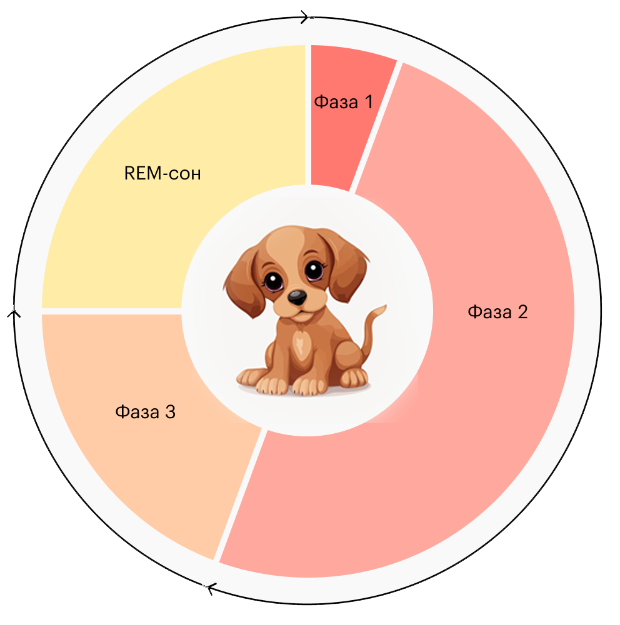 Phase 1 is drowsiness or the phase of falling asleep. It lasts only a few minutes and is characterized by high sensitivity to external stimuli.
- Phase 2 – light or slow-wave sleep. This is the longest phase of light sleep, during which dogs can also be easily awakened by loud sounds or other external factors.
- Phase 3 – deep sleep. This is the period of body restoration and maximum energy accumulation.
- Phase 4 – REM (rapid eye movement) sleep, or the dreaming phase. It's during this period that you might notice your dog twitching in its sleep, moving its eyes, whining, or even barking.
Moreover, the younger the dog, the longer its deep sleep phase and dream phase.
Causes of restless sleep
There can be many reasons why a dog whines or twitches in its sleep. Some are completely harmless and normal, but others may signal that the animal needs help.
Dreams
Vivid emotional dreams are one of the main reasons pets restless at night. The brain creates vivid, realistic images of situations that trigger emotional arousal and motor activity. Dogs are no strangers to simple emotions, such as joy and fear.
Scientists have proven that dogs can have both good dreams and nightmares, so it's worth paying closer attention to your pet's reactions to their dreams. If your dog runs (twitches its paws), wags its tail, or whines (as if it were experiencing an emotional encounter with its owner or other animals), it's likely dreaming of something pleasant. However, if your pet frequently experiences negative emotions in their dreams, trembles with fear, or whines fearfully and plaintively, it's worth investigating the underlying causes and trying to reduce their anxiety.
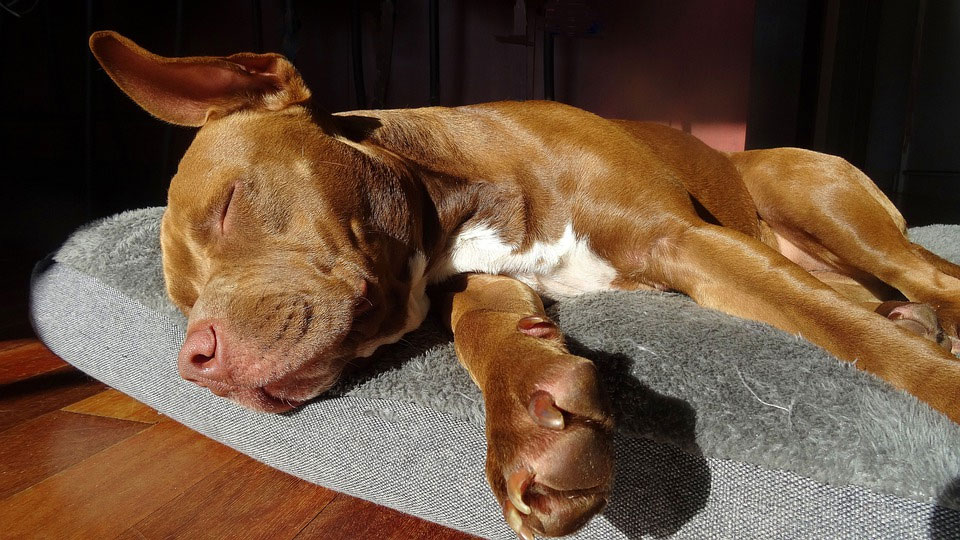
Important! Do not try to wake your dog or touch it while it's having a nightmare. In the excitement of the nightmare, your pet may unconsciously bite the person waking you.
Nightmares can have various causes. Sometimes a negative experience becomes imprinted on a dog's memory, causing it to relive the same scary moments over and over again during sleep. In this case, a course of sedatives, prescribed by a veterinarian after an examination, can help.
Discomfort
Often people who have just brought home a small puppy complain that the dog whines in its sleep, wakes up frequently at night, and trembles all over.
It's worth noting that the problem most often manifests itself in puppies who were taken away from their mother too early. After birth, for the first month, the puppy would constantly fall asleep, snuggled tightly against the bodies of its siblings, feeling the security of its mother's close presence. During the first few days in the new home, it experiences severe stress and physical discomfort, trying to fall asleep in an unfamiliar, cold crib.
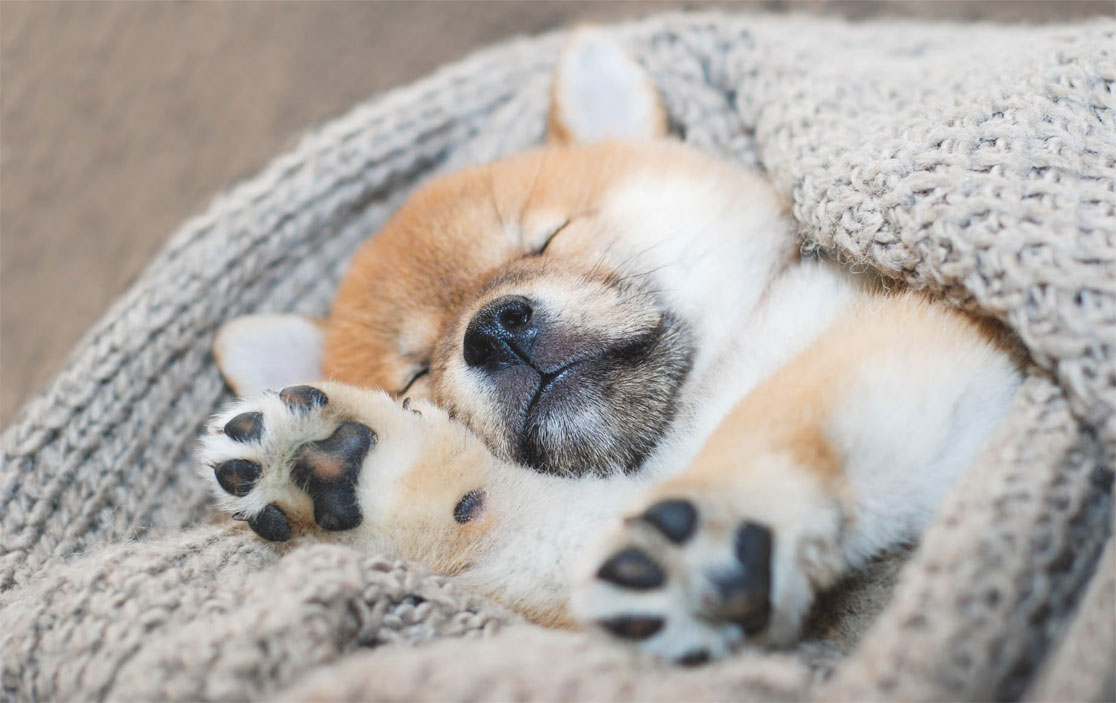
To help the puppy adapt to its new home, caring breeders provide its new owners with a bed and a soft toy, which they place in the puppy's "nest" a couple of days before the arrival. The familiar scent will have a calming effect on the puppy and help it adjust.
Active growth
Another common reason why a puppy twitches in its sleep is active physical growth.
During periods of active growth, muscle mass and nerve tissue may not keep pace with skeletal growth, which is why puppies are more likely to exhibit limb twitching during sleep. As a rule, nocturnal tremors during the growth period are more common in puppies of large and giant breeds, such as German Shepherds, Great Danes, and Alabai.
A sudden growth spurt is, in itself, a reason to visit the veterinarian, as it can trigger a number of health problems and require adjustments to the puppy's diet and lifestyle.
Violation of heat exchange
For some dog breeds, even a slight drop in room temperature can be very noticeable. Italian Greyhounds, Chihuahuas, Chinese Cresteds, Toy Terriers, and Yorkshire Terriers (especially after grooming) are very sensitive to temperature.
While the dog is active (running, playing), it does not freeze, but as soon as the animal tries to sleep, it begins to shake noticeably.
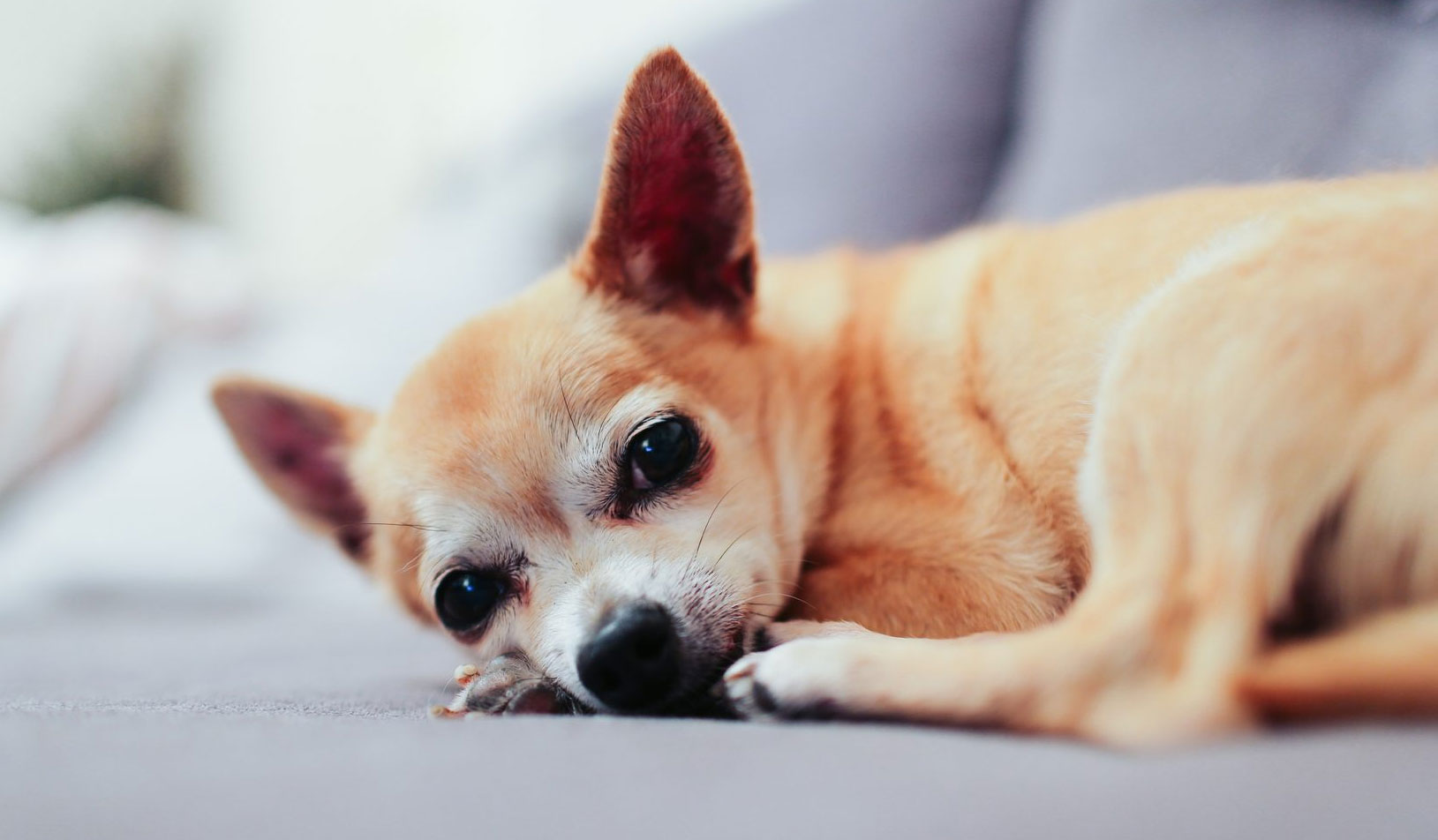
If you notice your dog shivering while sleeping, consider whether it could be due to a drop in room temperature, a cold draft, or simply an inconvenient sleeping location. Warming your dog up can alleviate any shivering caused by hypothermia.
Owners of these breeds may experience fine tremors either due to freezing or overheating. In the latter case, it's best to consult a veterinarian, as severe overheating and heatstroke can lead to dangerous dehydration.
Disorders caused by diseases
When noticing involuntary movements in their pet during sleep, owners always worry whether this is normal or whether the tremors are a symptom of a dangerous illness. Indeed, in some cases, tremors and groans in a dog during sleep are alarming, but the symptoms in these cases are usually different from harmless manifestations caused by dreams.
Pain syndrome
Dogs often experience moderate pain during active periods, and owners only notice the problem when the pain becomes severe. However, when sleeping, animals have a harder time controlling themselves, so you may notice the following characteristic signs that your pet is in pain:
- forced pose (the dog cannot relax);
- the pet moans in its sleep (while it is obvious that the moaning is not a reaction to a dream);
- the tremor persists for a long time (can be caused by fairly strong constant pain).

Convulsions
In medicine, convulsions are a symptom that may indicate the presence of a particular disease.
Convulsions may occur due to:
- developmental defects;
- injuries;
- disorders of the central nervous system;
- epilepsy;
- acute course of infectious diseases;
- vascular disorders;
- tumor development (benign or malignant);
- metabolic disorders in the body;
- intoxication;
- diabetes mellitus;
- kidney dysfunction.
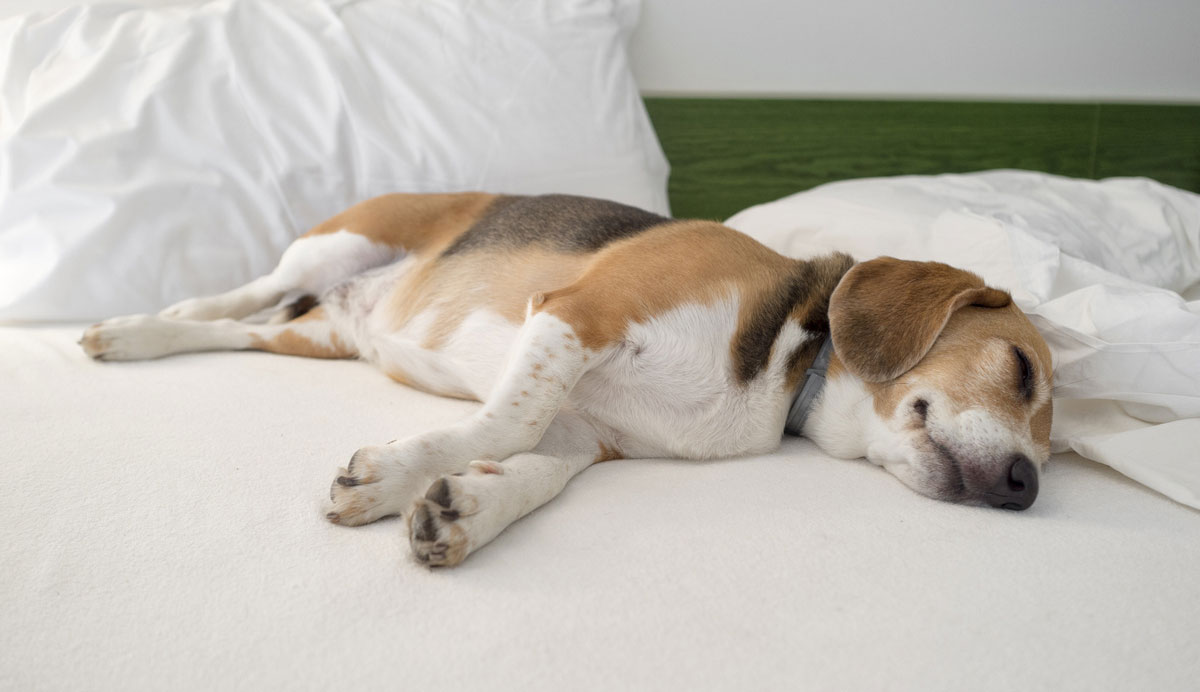
To understand why a dog twitches in its sleep, and whether the involuntary movements are caused by seizures, it is important to know how to distinguish between normal tremors and a dangerous condition.
During convulsions the following is observed:
- unconscious state (during a seizure the dog may have its eyes open, but its gaze is unconscious);
- excessive salivation or foaming at the mouth;
- vomit;
- heavy breathing;
- involuntary urination and defecation.
Convulsions don't always manifest as severe muscle spasms. In some cases, they can appear as tremors or focal tics.
Typically, a seizure lasts several minutes, after which muscle tone subsides and the animal gradually begins to recover. Disorientation may persist for some time, and a sudden, temporary decrease in vision (even total blindness) may be observed. The animal's gait may become unsteady. The dog may become blind and confused, sometimes bumping into walls or furniture.
Even a single seizure is a reason to take your pet to the veterinarian as soon as possible for a full examination. If seizures follow one another with short breaks, immediate help is needed!
Read also:


Add a comment