
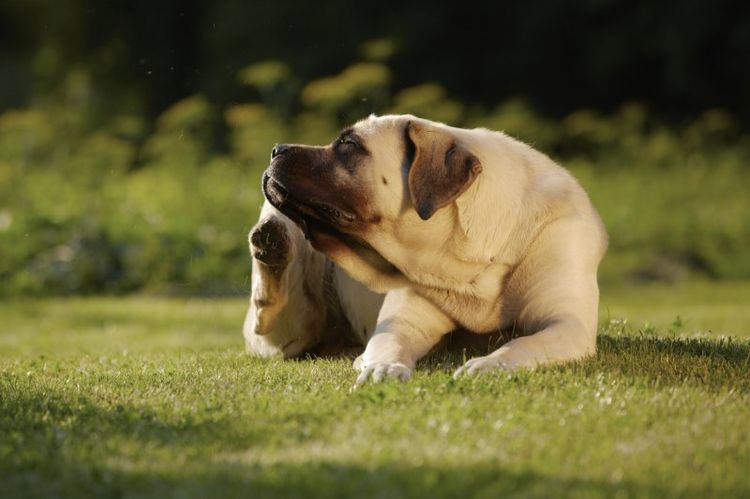
Why does a dog scratch itself?
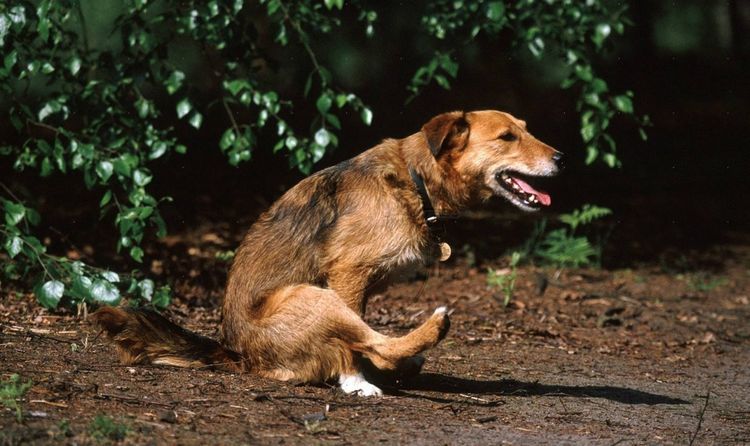
Why does a dog scratch itself, bite its fur, appear constantly nervous, and tired, even though fleas are not found? The sooner a diagnosis is made and treatment is administered, the fewer health problems the dog will experience. Regular scratching will cause the fur to break and fall out, and the affected areas will become flaky and scaly. dandruffThe resulting scratches and wounds are an ideal environment for infection by harmful bacteria and fungal spores.
As a result, an inflammatory reaction will begin, which the animal will be unable to cope with on its own due to a weakened immune system. If a fungal infection develops, hair loss will continue, and wounds and scabs will appear on the exposed areas of skin. Therefore, early diagnosis will help prevent the situation from worsening and prescribe the appropriate treatment.
Content
- 1 Reasons
- 2 Unobvious Causes of Itching: Beyond Parasites and Allergies
- 3 Symptoms
- 4 Diagnosing Itching: Getting to the Core
- 5 Climatic, nutritional and environmental factors
- 6 Therapy and correction strategies
- 7 Example of an "owner's action flow" diagram
- 8 Stories and examples (mini-cases)
- 9 Final section: recommendations for owners
Reasons
The reasons can be divided into several main groups:
- EctoparasitesFleas aren't the only irritants that can plague a poor animal and leave it exhausted.
- Skin diseases. The list is quite extensive, but characteristic symptoms help simplify diagnosis and establish an accurate diagnosis.
- Stress. This is one of the most difficult scenarios to determine if a dog is itching, as only after ruling out all the above-mentioned possibilities can one assume that the dog is itching due to stress.
Unobvious Causes of Itching: Beyond Parasites and Allergies
Endocrine and internal disorders
Sometimes the skin reacts to disruptions in the body:
-
Hormonal diseases: hypothyroidism, Cushing's syndrome can worsen the condition of the skin, causing thinness of the epidermis, weakness of the protective barrier - and itching.
-
Metabolic disorders: diabetes, obesity, lipid metabolism disorders create a background in which the skin becomes more susceptible to irritants.
-
Liver and kidney failure: The accumulation of toxins can cause intoxication, which contributes to itchy skin.
-
Autoimmune dermatoses: Some forms of immune diseases lead to skin lesions and itching.
Important: When a dog is itching, but parasites and allergies are not detected, it is worth considering such internal causes.
Pathogenic agents (infections) as secondary but significant factors
Existing itching and scratching can be provoked by:
-
Superinfections (bacterial, fungal)
-
Pseudomonas infections
-
Dermatophytosis (eg, mycoses)
-
Yeast infections (Malassezia)
Such infections can not only increase itching, but also change the picture: redness, odor, moist areas, crusts.
Rare parasitic species
In addition to the usual fleas and ticks, you should remember:
-
Cheyletiella ("walking dandruff") - mites that cause flaking and itching.
-
Pelodera strongyloides is a rare skin worm that lives in damp organic matter and can penetrate the skin.
-
Sarcoptic mange - red scabies mite: very intense itching, spreading to the muzzle, ears, paws.
These types are difficult to diagnose without tests, but they are monitored by dermatologists.
Psychogenic (behavioral) factors
Itching is not always primary - sometimes it is psychological:
-
Stress, fear, boredom can turn into compulsive licking and scratching.
-
Frustration, prolonged separation from owners - a way to "relieve stress"
-
Changes in environment (renovations, new furniture, smells) can cause an exacerbation
For such reasons, areas where the dog “reaches” the muscles by licking are often visible - paws, sides.
Symptoms
Symptoms depend on the nature of the disease and the causes that caused it.
Dermatitis
Regardless of the causes of dermatitis, the general symptoms will be as follows:
- Swelling of the affected area.
- Redness and itching.
- Increased temperature at the site of irritation.
- Hair loss and breakage.
- Formation of crusts.
- Bleeding of small capillaries.
- Swelling.
The most common types of dermatitis:
- Contact dermatitis is caused by constant contact with an allergen. This could be bedding, clothing, upholstery, etc.
- Traumatic. This occurs as a result of mechanical damage to the skin, such as after an animal falls or is struck by a hard object.
- Parasitic. A reaction to the bites of mosquitoes, fleas, ticks, and other insects whose saliva acts as an allergen.
- Atopic. In most cases, the disease is hereditary and manifests itself through eating the wrong foods, inhaling pollen from allergenic plants, household dust, or fungal spores.

Blockage of the anal glands
The primary function of the anal glands is to secrete a fluid with a specific odor, which the dog uses to convey invisible signals. For example, it signals permission to mate, wards off enemies, warns fellow dogs of danger, and so on. The secretion can also be released for other reasons, such as fear, pain, or aggression. The glands are emptied simultaneously with defecation.
Symptoms that indicate possible anal gland blockage are subtle at first. Only after the dog begins acting restless and biting the fur under its tail does it become clear there's a problem. Characteristic behavioral signs include:
- Scratching with paws and licking the anus.
- "Rolling" on the bottom on hard surfaces (floor, asphalt, carpet, grass).
- Itching and allergic reactions not only under the tail, but also around it.
- Partial alopecia.
- Inflammation of the anus, the appearance of wounds and scars.
There are several reasons for the malfunction of the anal glands:
- Metabolic disturbances and, as a result, changes in the consistency of secreted fluid. Its excessive thickness or, conversely, thinness leads to swelling of the glands.
- Insufficient fecal density. A certain amount of pressure is required to expel all the fluid. If a dog doesn't regularly eat solid food, the defecation process occurs without the necessary mechanical compression of the anal glands.
Ectoparasites
Fleas aren't the only insect that can cause a lot of suffering to animals, including dogs. They often itch even from tick drops, even though such a reaction would seem completely unacceptable. parasites, most commonly found on the body of animals, the following can be distinguished:
- Lice. The belief that lice "attack" only humans is erroneous. Regardless of their species (biting or sucking), all mammals and birds are at risk. When the skin is damaged and irritated by the parasite's saliva, an allergic reaction occurs, resulting in itching and pain.
- Hair-eaterA microscopic creature that feeds on skin flakes and hair tissue. In addition to itching and dermatitis, the affected area begins to lose hair. Because the clinical picture resembles scabies, veterinarians often make mistakes in choosing a treatment method.
- Demodex is a special type of subcutaneous mite that feeds on sebum secreted from hair follicles. A certain number of Demodex mites live permanently on dogs' skin (as in humans), but when the immune system is compromised, their numbers increase. The severity of the disease depends on the overall health of the body, particularly nervous system instability.
Mushrooms
Young and older dogs with weakened immune systems are at the highest risk of contracting mycosis (a common name for fungi). Individual factors that can contribute include heat cycles, severe stress, vitamin C and A deficiencies, pregnancy and lactation, and adverse climatic conditions.
Common types of fungal infections:
- RingwormA characteristic exposed ring forms on the body, with fluid-filled blisters protruding from the edges. After a certain amount of time, they burst and ooze, causing unbearable itching.
- TrichophytosisIt has a similar clinical picture to ringworm, but unlike ringworm, the skin is affected not only on the surface but also on the deeper layers. The affected areas gradually develop into weeping wounds with purulent discharge. Even after treatment, the affected areas do not grow back with hair, remaining as bald spots.
- Favus. The disease initially affects the face and head, and can later spread to internal organs. The spaces between the toes, ears, and even bone tissue are also often affected.
Stress
Stress can be caused by both short-term factors and long-term disruptions to the nervous system. Examples of "one-time" stressors include injections and other medical procedures, a sharp shout, or an unpleasant odor while riding public transportation or flying. A dog may itch after a haircut, especially if the coat has been treated with various cosmetics (shampoos, sprays, or conditioners). An allergic reaction usually subsides when the irritant is no longer present.
However, there are cases when an animal experiences severe stress, triggering the development of various skin diseases. This can be caused by a move, the loss of a beloved owner, frequent periods of being alone at home, and so on. Bald spots, seborrhea, itchy sores, and other unpleasant symptoms may appear on the body. Medication, including antimicrobial, anti-inflammatory, and sedative medications, should be accompanied by so-called "emotional" therapy. The more care and attention a dog receives from people, the faster the recovery process will be.
Diagnosing Itching: Getting to the Core
For treatment to be effective, it is important not only to suppress the itching, but to find the underlying cause:
Collection of anamnesis and interview of the owner
-
When did the itching start: seasonal, sudden or gradual
-
Where exactly it itches: ears, paws, belly, tail area
-
What products were used: shampoos, antihistamines, flea treatment
-
Nutrition: is there a change of food, treats?
-
Life circumstances: moving, stress, passion for licking
Visual and physical inspection
-
Inspect the fur, skin, and licking areas
-
Checking the ear canals (for ear itching)
-
Search for scratches, crusts, and damp areas
-
Checking for flea dirt (black spots)
Laboratory and instrumental methods
-
Skin scrapings (for mites, demodex)
-
Cytology (skin smear) - bacteria, yeast
-
Skin biopsy - if autoimmune or tumor changes are suspected
-
Blood tests - hormones, liver and kidney function
-
Allergy tests (food, skin)
-
Exclusion trial (diet therapy) - to identify food allergies
Without a full examination, therapy often provides only temporary results.
Climatic, nutritional and environmental factors
Environmental impact
-
Pollen, dust, mold, and gastrointestinal tract serums on carpets are sources of allergens
-
Humidity/dryness of air: in winter, the skin becomes dry
-
Grooming products (new shampoos, bedding sawdust, detergents) - contact dermatitis
Nutrition and feed composition
-
Intolerance to components: proteins (chicken, beef), grains, preservatives
-
Deficiency of fatty acids (Omega-3, Omega-6) negatively affects the condition of the skin
-
The diet is poor in antioxidants, vitamins A, E, and Biotin
Important: changing food should be gradual and with monitoring of the reaction.
Therapy and correction strategies
Multi-step approach
Treatment of itching is often a combination of eliminating the cause and providing symptomatic support.
Basic therapy
-
Parasite control: drops, sprays, collars with proven effectiveness
-
Antipruritic agents: antihistamines, corticosteroids in minimal doses
-
Local therapy: soothing shampoos, sprays with keratolytic or moisturizing components
-
Probiotics, vitamins, fatty acids (to support the skin barrier)
-
Immunomodulators, if indicated
Specific therapy for the cause
-
For fungal/bacterial infections - a course of antibiotics, antimycotics
-
For endocrine disorders - hormonal correction
-
For food allergies, a strict elimination diet is recommended for at least 8–12 weeks.
-
For psychogenic dermatitis - behavioral therapy, environmental enrichment
Supportive and preventive
-
Frequent bathing with soothing shampoos
-
Air humidifiers, microclimate control
-
Regular skin examinations, parasite prevention
-
Environmental enrichment (toys, walks) – stress reduction
Example of an "owner's action flow" diagram
| Stage | Actions | Target |
|---|---|---|
| 1 | Inspection of the coat for parasites and flea dirt | Exclude obvious parasitic itching |
| 2 | Treatment for ectoparasites | Eliminate fleas and ticks |
| 3 | Transfer to a hypoallergenic diet | Identify food allergies |
| 4 | Take tests and skin scrapings | Identify infections and hormonal imbalances |
| 5 | Start symptomatic treatment | Relieve itching and inflammation |
| 6 | Correction based on test results | Targeted treatment |
| 7 | Prevention, control, support | Relapse prevention |
Stories and examples (mini-cases)
For example, a spaniel mix itched year-round, but no fleas were visible. After testing, it was determined that the cause was Cheyletiella mites—after a course of specific treatment, the itching disappeared.
Or maybe the Labrador was solicitously scratching his paws—the cause turned out to be a food allergy to chicken protein. After changing the food and introducing Omega-3 supplements, improvement was seen within a few weeks.
This lively context helps the reader to “try on” the situation for their own dog.
Final section: recommendations for owners
When your dog is itchy, don't just stop at scratching the itch. Keep your text relevant to your search.Why does a dog scratch itself?, need to:
-
Emphasize: itching is just a symptom
-
Refer to diagnostics rather than superficial methods
-
Provide specific response scenarios
Here are some quick tips:
-
Start parasite prevention year-round
-
Don't change food abruptly; if you suspect an allergy, make an exception.
-
If there are any external signs (wet spots, odor, crusts), contact a veterinarian.
-
Use humidifiers to increase air humidity and avoid harsh shampoos.
-
Try to identify the stress factor: changes, noise, lack of attention
-
Remember: treating itching often takes time and a comprehensive approach.
Regardless of the reasons that caused the allergy and scabies If you have any problems with your dog's body, first of all you need to contact a veterinarian and not self-medicate.
Read also:
- Dog scratching ears and shaking head: causes and treatment
- Why does a dog ride on its butt?
- Paranal glands in dogs: treatment of inflammation, cleaning


Add a comment