
Why you shouldn't hug cats
Cats are among the most popular and widely distributed pets. Most people believe they are affectionate and love to be petted and hugged. But whether this is actually true is something we'll explore in this article. We'll also look at the rules and restrictions surrounding hugging, as in some cases, unfortunately, hugging your beloved kitties is prohibited.
Content
Is it possible to hug cats in principle?
The answer is simple: of course you can. Many cats are thrilled by tactile sensations. It can feel like these sweet creatures could rub against their owner for hours. These pets will always climb onto your lap when you sit down, and they may even hug you in a burst of feline devotion and love.
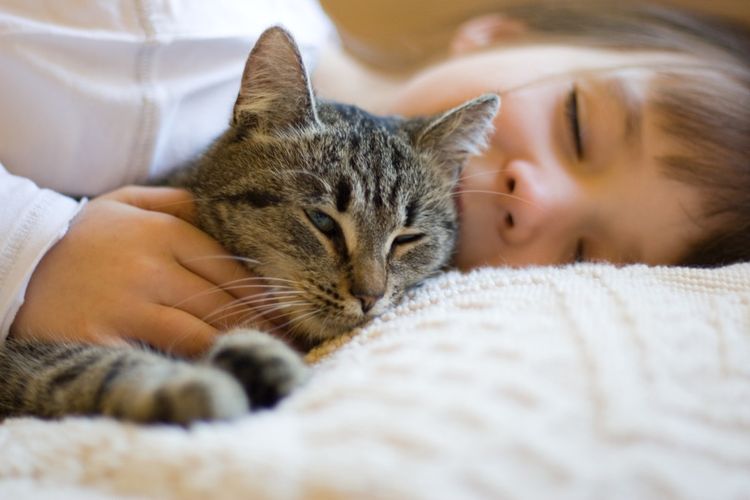
For these cats, hugs from their owners are among the most enjoyable moments, along with scratches behind the ears and pats on the head or back. Such a pet won't hesitate to ask whether it's okay to hug cats; rather, they'll take on this task themselves.
Almost everyone has encountered such a sweet little animal at least once, sometimes even overly insistent in its demands for affection. Such cats are quite common, and this behavior pattern often persists throughout their lives. Owners of such affectionate pets become accustomed to this characteristic and believe it couldn't be any other way.
How to learn to hug cats
- Understand your pet's personality. Not every animal enjoys being picked up and hugged. It's best if your pet is calm, well-behaved, and will simply tolerate unpleasant attention. A cat, however small, is still an animal and can easily bite or scratch an unwary person. If you've got a kitten and enjoy being hugged, carry it around more often. This way, your pet will gradually become accustomed to you and perhaps even learn to appreciate human closeness. Now that you know why you shouldn't hug cats before meeting them, it's time to move on to point two.
- Find the right time to cuddle. This is just as important a factor as with people. For example, you might start cuddling a kitten when they're hungry or, worse, need to go to the bathroom. Clearly, you won't get the desired effect in this case. The best time to cuddle a cat is when they're relaxed, calm, and well-fed.
- Decide right away how you'll hug your cat: quickly or gradually, after petting. This choice should be made based on several factors: temperament, location, and mood. A particularly touching moment can be felt if you curl up around the furry creature and hug them as lightly, tenderly, and comfortably as possible.
- Hug your cat, but remember two important points. First, they're small and much weaker and more fragile than you. Second, they can compensate for their weaknesses with sharp claws and teeth, which can be painful. Even if your pet yields to your pressure and doesn't bite your hands, that doesn't mean they won't attack you in the future for revenge. So, when hugging cats, be gentle, careful, and caring. This will let your pet know you value them as a loved one.
Hugging Tips
You've already figured out whether it's okay to hug cats and how to do it properly, but your pet rejects all possible closeness. So, the first piece of advice is to respect their choice. A cat may adore you, cling to your lap, and wait for hours for petting, but she can't stand being hugged. Then that's not her style; love her for who she is.
Cats can be taught to cuddle you by first offering them soft toys; they remind them of their fellow cats, and they love to cuddle with each other. Ideally, get a second pet.
Why and when you shouldn't hug cats
Now we've reached the serious part of our story, revealing the harm that can come from hugging a cat. Many people believe that hugging pets is bad and dangerous. And it's understandable, as hugging a sick animal can lead to contracting a dangerous disease.
Dangerous diseases of cats
Worms or helminthiasis. The larvae of these harmful worms can be found on an animal's fur, and if a person doesn't practice proper hygiene (such as hand washing), they can become infected.
Fleas and ticks. The danger of these parasites isn't just the bites themselves, but the diseases they carry. These can include:
- ehrlichiosis;
- encephalitis;
- Lyme disease.
- Bartonellosis. You can become infected from an infected cat through a scratch or bite. Once in the body, the infection causes inflammation around the damaged skin. A blister then forms. After some time, fever and headache develop.
- LichenIt is most often transmitted to children and people with a weak immune system.
- Staphylococcus aureus is a type of dermatitis. The animal begins to itch and loses hair. Children are most often infected by hugging a sick cat, while the elderly are at a second risk. If the infection is detected, the animal should be taken to a clinic, and the home should be cleaned with detergent.
- ToxoplasmosisYou can become infected from just one hug if you touch the fur that the cat licked after using the litter box.
- Chlamydia is also transmitted from animals, cats being one of them.
Now, I think it's clear to everyone why you shouldn't hug cats, especially unknown ones (neighbors' cats, strays). The most annoying thing is that the main carriers of infection are cute kittens. After all, their bodies don't yet have the immune system capable of fighting various diseases. The only way to completely avoid any risk is to limit contact with these adorable creatures. But we all understand how difficult this can be, and this is what our final paragraph is about.
Safe Hugging Rules
Don't avoid cats completely. They can bring warmth and joy to your home. The main thing is to follow these rules:
- It's best not to approach stray cats. If you decide to take in a stray, the first thing you should do is clean the new pet and then take it to the vet.
- Get dewormed and have other tests done. Treat the animal if necessary.
- If you want to avoid bites and scratches, it is better not to disturb the cat while it is eating and sleeping.
- Don't forget to change the litter. After cleaning the litter box, disinfect your hands, or better yet, wear gloves.
- Eliminate raw foods such as fish, eggs, and meat from your pet’s diet.
- When you get home, clean your shoes and tidy the hallway. You could bring worms or germs home along with the dirt.
- After you have hugged your cat, wash your hands.
- Don't forget about general cleaning.
- Do not allow the animal to touch your face and do not give it food from your bowl.
- If possible, do not let your pet outside, and if this happens, it is better to wash the cat with shampoo with antibacterial properties.
Veterinarians' opinions and key recommendations
-
Hugs are possible, but only with caution.Respect your pet's boundaries.
-
Don't kiss the cat - this is a path to infection not only with diseases, but also with parasites.
-
Only those cats that clearly take the initiative will hug. - They will crawl up to you, rub, purr and relax.
-
Regular veterinary care and parasite control significantly reduce the risks .
-
If the cat is nervous - It’s better to stop hugging and try later, in a calm state, cuddling on your knees, and not in an embrace of the arms.
As you can see, we've successfully and positively answered the question of whether it's okay to hug cats. Remember to be patient with your pet, learn about them, and take care of their health. Only then will you be able to hug your cat without any problems. risk get infected, to be scratched or rejected.
Read also:


Add a comment