
Why do cats love valerian?
Many cat owners enjoy indulging their pets with valerian from time to time. Once a cat tries it even once, the desire to experience its benefits again can become almost irresistible. Why cats are so drawn to valerian and whether it's safe to give to pets—these are the questions addressed in this article. It's also important to consider the potential side effects and how this herb affects cats.
Content
What is valerian?
Valerian, often called "cat herb," is widely used in the form of infusions and drops. It has a calming effect on the nervous system, helps normalize heart rhythm, and is often used as a mild sleep aid.
However, valerian has a completely different effect on cats. Upon inhaling its scent, the animal's pupils dilate sharply, indicating intense excitement and interest. Even a sleeping cat instantly awakens and begins actively searching for the source of the scent. Having access to the tincture, the pet may enter a state of euphoria: rolling on the floor, purring loudly, and acting unusually excited. In some cases, valerian can cause undesirable reactions in cats, including deep hallucinogenic sleep, bouts of aggression, or panic.
Why do cats like valerian?
For felines, valerian is a drug. Cats who are fed this dangerous treat for long periods of time eventually begin to look like hardened drug addicts: emaciated and unkempt. Their fur loses its shine, and they lose weight.
A period of euphoric excitement in pets is followed by a deep, prolonged sleep. Experiments have shown that valerian can cause severe narcotic intoxication in cats, and that excessive doses can be fatal.
The pleasure they receive from this "cat drug" is unforgettable and they will beg for the coveted medicine again and again. Among other things, valerian can induce pleasant sexual arousal and awaken their sexual instinct.
The herb is also known to relieve gastrointestinal spasms, so it's likely that cats occasionally request it as a remedy for stomach pain. Therefore, in small doses, valerian may be beneficial for them.
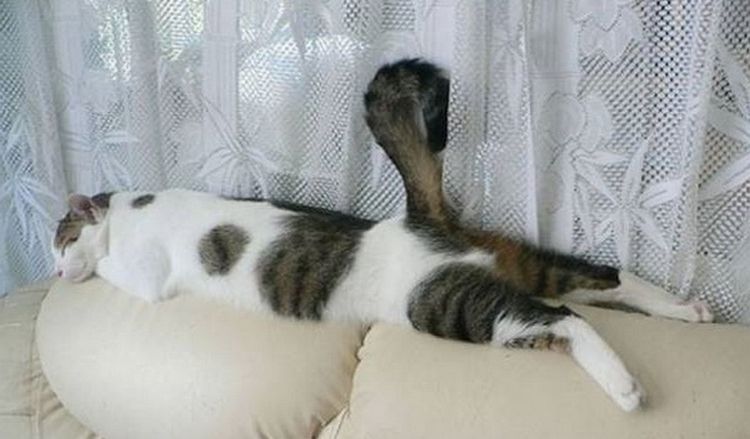
So, the step-by-step reaction of cats to valerian looks like this:
- playful or aggressive excitement;
- long sleep;
- apathy and lethargy.
Why does valerian have such an effect on cats?
There's no single, definitive answer to why cats enjoy valerian, but one thing is certain: they are driven by their olfactory abilities. Veterinary experts are divided on the topic. Some suggest the animals are addicted to the herb. Others claim that cats' reactions to valerian are related to its scent, which is similar to the pheromones secreted by females. This explains valerian's ability to stimulate sexual arousal. This theory largely explains why male cats respond to valerian more actively and sensually than female cats.
Do all cats like valerian?
Through research, scientists have discovered that not all feline pets react strongly to valerian. Only 30% of female cats show a heightened interest in the plant, while over 65% of male cats are smitten with the infusion's fragrance. Before reaching puberty, these little furry creatures show a complete lack of interest in valerian.
Representatives of the Siamese breed of cats are the most indifferent to the smell of "cat grass".
Veterinarians generally do not recommend testing pets for resistance to valerian. Its effects on cats are impossible to predict. Sometimes grass It causes allergies and sometimes poisoning due to the individual characteristics of the cat's body, which rejects certain plant components.
Is it harmful to give cats valerian?
Whether cats can drink valerian is a question that has no definitive answer. Zoologists attribute the animals' interest in valerian infusion to its alcohol content, which can cause alcohol addiction in cats after just one use. Alcohol has a detrimental effect on cats.
Many people wonder whether cats can take valerian tablets. When offering your pet an alcohol-free option, it's important to remember that the medication contains a significant amount of synthetic excipients, which often cause allergic reactions. Only a quarter of a tablet contains the medicinal component.
Nevertheless, valerian is often prescribed to animals in veterinary practice as a medicine. However, the doctor's prescription should be administered to cats with caution, preferably in the form of an infusion, and with precise dosage.
Overdose
Unfortunately, frequent and uncontrolled use of valerian in cats can lead to serious consequences. If the following symptoms appear, consult a veterinarian immediately:
- loss of coordination;
- dysfunction of the limbs;
- rollover;
- eye rolling;
- body cramps;
- foam at the mouth.
What can you give a cat to calm it down?
To calm your pet, you can use sprays containing synthetic feline pheromones—they mimic the pheromones secreted by a cat's face. Mother cats use this scent to soothe their kittens, and this same scent has a calming effect on their pets throughout their lives. These sprays help cats cope with stress and adapt more quickly to new environments.
Additionally, there are medications, both herbal and synthetic, but only a veterinarian can select the appropriate one. There are also dietary supplements and prepared foods containing alpha-casozepine, which is prescribed for stress treatment.
If you're looking for a substitute for valerian root for your pet's enjoyment or training, catnip is a good option. Cats respond to valerian root in the same way as catnip. There are scratching posts and toys specially infused with catnip—they're completely safe and cats love them.
Don't try to save your cat yourself. These symptoms indicate a valerian overdose, which can only be treated in a specialized clinic.
If after reading this article you're still tempted to give your cat valerian, consider purchasing special toys treated with the essential oil of this medicinal plant. Your cat will definitely be grateful, and there will be no harm done to its health.
Read also:


Add a comment