
Why does a kitten meow for no reason?
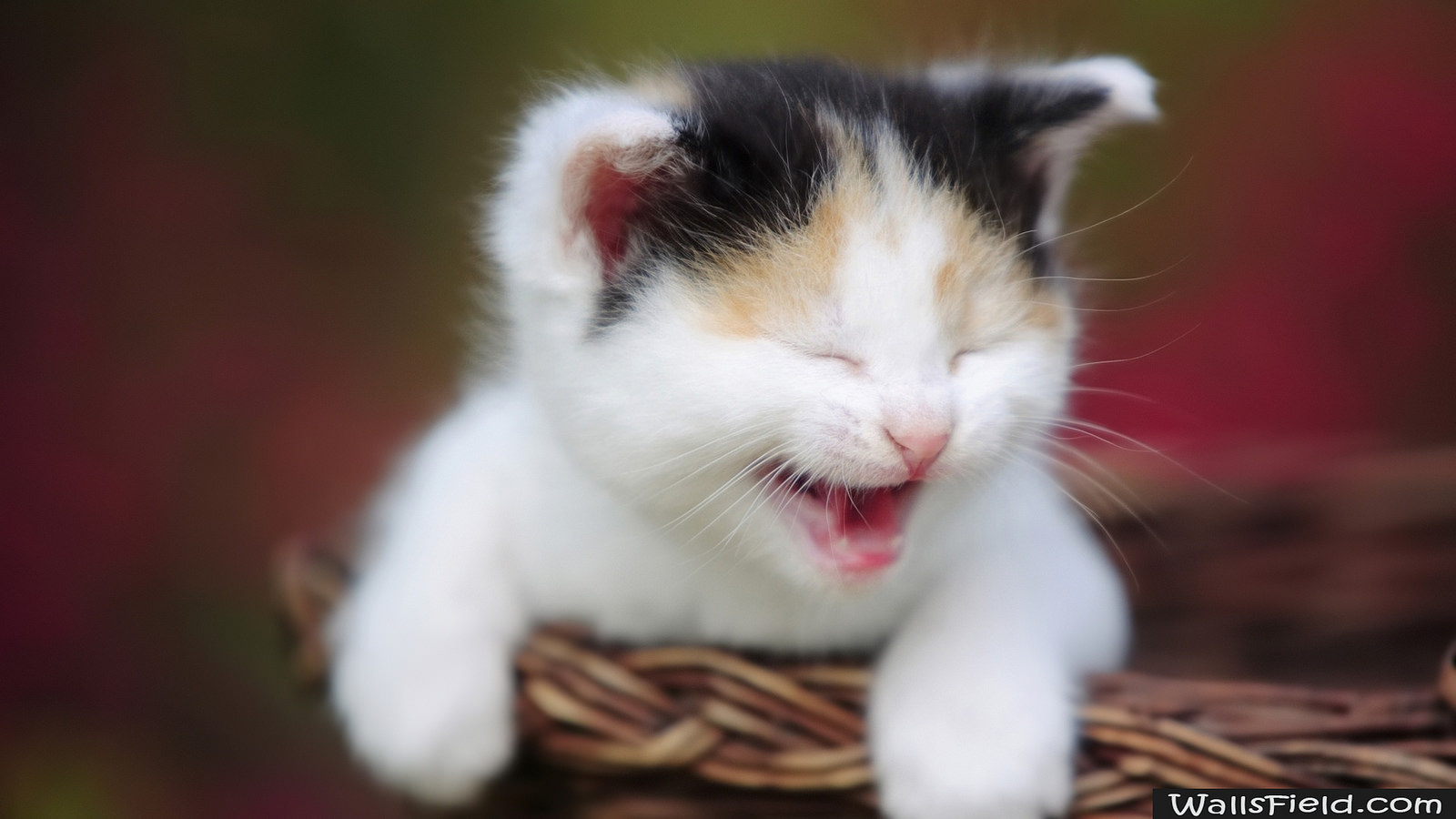
Every cat owner has likely encountered a similar problem: bringing home a small kitten, you're greeted not by a peaceful animal, but by a noisy pet who constantly meows and makes other sounds. While this may last for a day or two, it's manageable and tolerable. But what if it escalates into endless, daily meowing? How can you figure out why your kitten is constantly meowing for no apparent reason?
In principle, meowing is a natural communication process for your new pet; simply put, it's because they no longer know how to express their emotions and desires. However, there are cases where the reasons for this behavior are much deeper and go beyond a simple desire to communicate. Let's try to figure out what factors might prompt your kitten to disturb the peace with their shrill voice.
Content
Main reasons
Reasons why a kitten may meow constantly:
- Separation from mother cat;
- Stress;
- Demand for attention;
- Hunger;
- Testing the owner's patience;
- Health problems;
Let's take a closer look at each of the reasons why a kitten meows frequently.
Separation from the cat
Separation from its mother is one of the most likely reasons why a kitten meows constantly. If you're planning to adopt a kitten from a recent litter, it's recommended not to separate the kitten from its mother until it's approximately two to two and a half months old. Quite often, a kitten's anxiety and constant crying are caused by searching for its mother, who has always been nearby and suddenly disappeared.
To calm your little friend, pick them up so they feel the warmth of your body, pet them, and speak to them in a calm, soothing tone. After a while, they'll stop crying. However, this behavior may recur—the baby may become restless again when half-asleep and meow pitifully. There's no specific remedy for this type of crying—over time, the kitten will simply get used to the absence of its mother and begin to view its owner as an older cat.
Stress
Even if your kitten has already gotten used to its mother's absence and has become quite independent, a sudden change of home or a change in the apartment may cause it to start pacing again and constantly crying pitifully. New people or new pets in the house can also cause such a sudden mood swing. This is normal—the cat is stressed by the unfamiliar environment or unfamiliar people, and is expressing anxiety in this way. In this case, it's worth providing your pet with care, playing with it more, and spending plenty of time with it—and then the question of why your kitten meows for no reason will naturally disappear.
Demanding attention to one's person
While a kitten is learning about life, it has no way to influence people, so when bored, it may well start meowing for no apparent reason. In this case, the solution to this problem is simple and straightforward: spend some of your free time with your kitten, and it will sleep after playing actively with you, rather than wandering around meowing pitifully. By spending at least a few minutes with your kitten periodically, you can avoid such problems.
Hunger
Another reason why a kitten constantly meows for no apparent reason could be simple hunger – if the pet's bowl is empty, it will circle its owner, demanding food. Without going into too much detail about the specifics of cat feeding, it's important to note that there should always be food in the bowl – a cat can reach for it up to 16 times a day, and it should find something to eat each time. Leaving the bowl empty is not recommended, as this can trigger constant, pitiful cries that will upset even the most resilient people.
Your kitten may also be a typical beggar—smelling something tasty on the table, they might throw a tantrum, demanding a piece of the treat. If you give in and give in to their demands, they'll likely accept this behavior as normal and will behave the same way in the future. The best solution is to make it clear that yelling won't get you anywhere, positioning yourself as the dominant cat who makes the decisions. This doesn't mean physically punishing your pet—it simply requires moral discipline from the perspective of the pride's leader.
Testing the owner's patience
In fact, this reason for a kitten's constant meowing isn't a test of patience in the literal sense. Rather, it's the young cat's attempt to figure out who's boss. Since cats are pack animals, they need a leader, and this behavior could be an attempt to figure out whether he's the pack leader.
This can manifest itself in screaming behind a closed door, though if you open the door, the cat won't even think about coming in. He's simply testing whether you'll do as he wants. With patience and some moral coercion, such as hissing at the cat or direct eye contact, you'll eventually prevail, and the kitten will likely stop his serenades, resigned to his position in the family.
If none of these possible causes of kitten meowing apply to your case, and you've ruled them out, it's time to consider your pet's health. Sometimes, constant meowing can signal problems with a particular organ, as well as parasites.
Contact your veterinarian for a preventative examination to ensure your cat is healthy and not in pain.
Once you get a kitten, you should learn to communicate with them in their language: all their purrs, murmurs, and other sounds mean something. By learning to understand your pet, you'll live in harmony with them, enjoying their company immensely.


Add a comment