
Why does a cat drink a lot of water?
Your cat drinks a lot of water. Why is it doing this? Could this be related to your pet's health? Let's explore the answers to these and other questions about excessive water consumption in cats. We'll also explore possible pathologies and complications.
Content
Water consumption standards for cats
The average amount of water a cat should consume is approximately 45 ml per 1 kg of body weight per day. This means that a 4 kg cat should drink approximately 180 ml of water per day. If your pet is drinking significantly more, it may be a sign of polydipsia, a condition in which the animal experiences excessive thirst.
How to measure water consumption
To determine the amount of water consumed, you can use the following method:
-
Pour a certain amount of water into a bowl and measure it.
-
After 24 hours, measure the remaining amount of water.
-
The difference between the initial and remaining volume will show how much water the cat drank during the day.
It is important to note that this method is only accurate if there is only one cat in the house and it does not have access to other water sources.
Why does a cat drink a lot of water?
Polydipsia is the scientific name for unquenchable thirst. In cats, the desire to drink large amounts of water often occurs spontaneously. The animal simply needs to replace lost fluids.
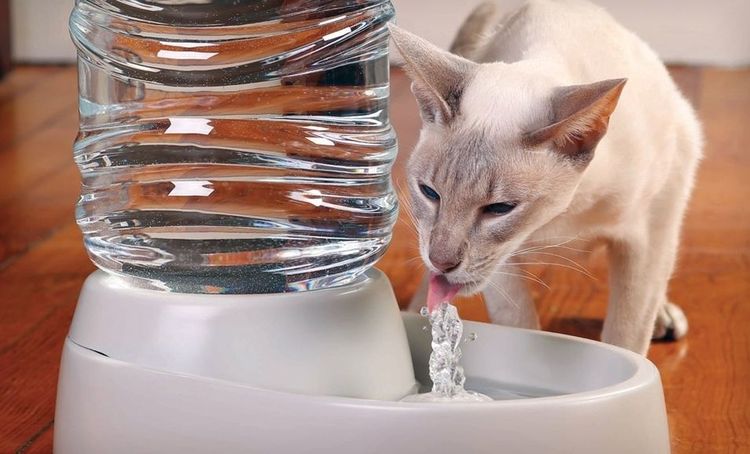
If this phenomenon occurs sporadically, there's no cause for concern. It's a different matter when a cat drinks a lot of water and it's unclear why it's constantly thirsty.
If your pet has suddenly started drinking more water than usual, perhaps you've recently started feeding them a new food. It's important to know that cats fed dry food require more fluid than their counterparts on a liquid diet. Another cause of thirst is an unbalanced diet, such as one that's low in protein or too salty. Therefore, if your cat is drinking a lot of water and you've recently started feeding them a new food, this is likely the cause. The solution is simple: adjust their diet. However, if the reason for their excessive water consumption is unknown, it's important to consider possible causes of polydipsia.
Natural
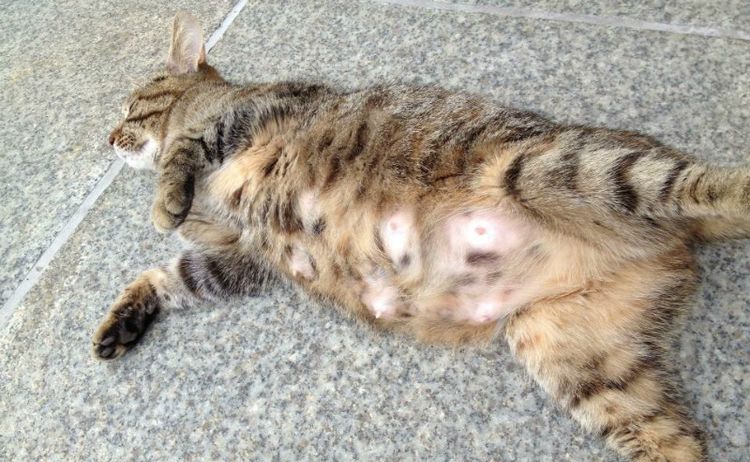
Normal causes include:
- period of pregnancy and lactation;
- physical activity (excessive playfulness);
- hot, summer time, room temperature;
- eating certain foods, over-salted food.
Brain pathologies
Abnormal fluid intake can be caused by psychological factors such as anxiety, stress, etc. This is a symptom of polydipsia and is not related to any organ pathology. This problem is easiest to address. Simply restrict the animal's access to the water bowl for a while, and over time, the urine density will return to its optimal level without adverse effects on the pet's health.
Diseases
Illness is another cause of excessive fluid consumption. It's fairly easy to figure out why a cat drinks a lot of water in this case. It's all about the underlying issues that trigger thirst. Polydipsia isn't caused by the illness itself. The thirst is caused by increased water consumption caused by the illness. Several conditions can trigger increased drinking in cats. These include:
- hepatitis;
- insulinoma;
- pyelonephritis;
- liver tumor;
- diabetes.
In addition, cats with acute or chronic renal failure drink a lot of water.
Medicines
Medications are another cause of abnormal thirst. Furthermore, it is considered an abnormal side effect of the medication. It can also result from improper treatment. Medications that cause cats to drink excessive amounts of fluid include the following:
- diuretics;
- corticosteroids.
An increased desire to drink has also been observed when taking xylazine, but this is a fairly rare side effect.
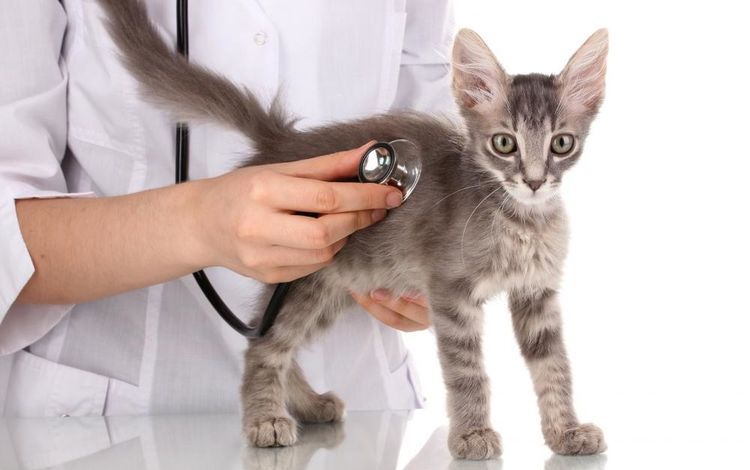
If problems with water consumption occur while taking medication, consult a veterinarian. The veterinarian will determine the severity of the problem and decide whether to continue treatment as usual, reduce the dosage, or discontinue the medication altogether.
Other reasons
In addition to the standard ways of losing fluid (urine, sweat), cats may lose fluid and need to replenish it for the following reasons:
- dropsy (fluid accumulates in the cavities of the body);
- any type of discharge from the genitals;
- increased sweating;
- loose stools.
The animal's age should also be taken into account. For example, older cats consume more water than their younger counterparts due to their increasing need to replenish their water reserves. After all, the natural amount of fluid in the body decreases with each passing year.
If changes in diet and living conditions haven't improved your cat's water intake, it's time to take it to the veterinarian. Excessive fluid intake could indicate a dangerous illness.
When to see a veterinarian
If, in addition to increased water consumption, your cat exhibits the following symptoms, you should consult a veterinarian:
-
Frequent urination
-
Loss of appetite
-
Vomit
-
Decreased activity
These signs may indicate serious illnesses that require medical attention.
Care instructions
To maintain normal hydration levels in your cat, it is recommended:
-
Provide constant access to fresh and clean water.
-
Wash the water bowl regularly.
-
Avoid using tap water without filtering or boiling.
-
Monitor the temperature and humidity in the room.
Following these guidelines will help keep your cat healthy and prevent potential problems associated with dehydration or overhydration.
Any questions? You can ask our website's staff veterinarian in the comments below, who will answer them as quickly as possible.
Read also:


2 comments
Tatiana
What could be the reasons why a cat frequently swallows saliva?
Daria is a veterinarian
Hello! Frequent swallowing is often a sign of nausea. Or, there may be something blocking the throat, and the animal is trying to push the foreign object down by swallowing. Check to see if saliva is flowing, and if so, what is its consistency. And what about their appetite? Are they drinking or eating?
Add a comment