
Why does a cat bite when you pet them?
Most cat owners, when acquiring a pet, expect their cat to show affection and love. Such expectations are rarely fulfilled. Owners often find it difficult to understand why their cat bites when petted. Some cats immediately become aggressive, refusing to be touched, while others graciously allow a few pets before attacking your hand. There are many reasons for this reaction to affection. Any pet owner can understand these reasons and correct their cat's behavior to ensure peace and understanding in the home.
Why does a cat bite when you pet it?
An attentive owner will always recognize a cat's receptiveness to affection by its behavior. Animals are incapable of hiding their feelings and clearly demonstrate their desires. A cat enjoying being petted will stretch under your hand, purr, and relax.
Otherwise, you'll notice nervous twitching of the skin, the animal's posture is hunched, and the tail flaps sharply. If you continue petting the pet in this state, there's a high risk of feeling the sharpness of its teeth.

There are many reasons why a cat might bite. Each case requires individual consideration. This unusual behavior is influenced by:
- Character. Cats are independent, freedom-loving animals, preferring to interact only when they feel like it.
- Sensitivity. At first, the cat enjoys your petting. But at some point, the monotonous stroking becomes tiresome. Unable to express his displeasure verbally, he resorts to biting.
- Pain. Stroking a cat's fur creates static electricity, which causes nerve irritation, which then turns into pain, triggering an outburst of aggression.
- Getting pleasure. Many owners are perplexed by why their cat first licks and then bites their owner. This is a way for the animal to respond to affection, mistaking it for play and enjoying the gentle nipping. This kind of play should be stopped by showing your displeasure.
- Social deficit. A cat that hasn't been socialized with people since childhood will always remain aloof, refusing any affection. Humans pose a real threat to them, evoking fear and, consequently, aggression.
- Negative past experiences. If you've ever had to trick a pet into undergoing unpleasant procedures like bathing, treatment, or nail trimming, they'll remember it for a long time. Any displays of affection from the owner will be perceived as an attempt at violence.
- Cat pregnancy. It's been observed that many animals become a bit wild during pregnancy. The self-preservation instinct kicks in.
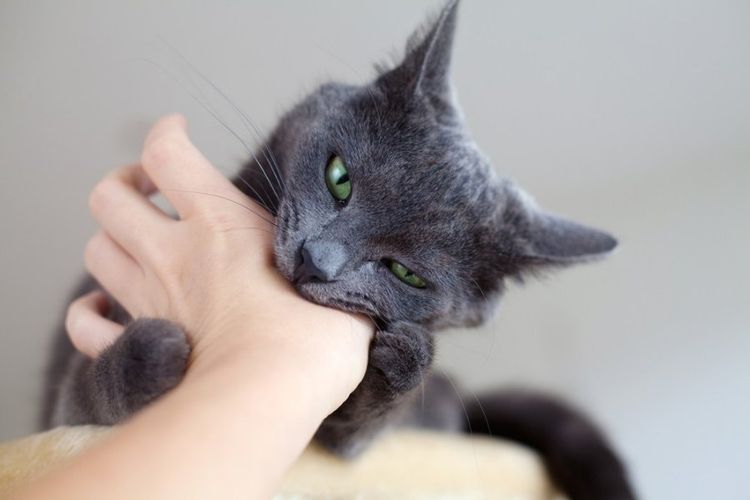
There are many more reasons why the cat at first licks hand, and then bites her. This could be the scent of a dog petted outside, or the scent of perfume or cream. The cat's sensitive sense of smell cannot tolerate this. Aggression can also be triggered by attempts to pet the belly—one of the forbidden areas that a cat does not tolerate touching.
Ways to solve the problem
Asking experts why a cat bites without any apparent reason is unlikely to provide an explanation. An animal won't just release its claws or teeth without a reason. Any display of aggression is triggered by certain factorsTherefore, the most important rule is not to punish your pet for this. Such behavior will only make the situation worse.
What should you do if your cat tries to bite? It's recommended to leave it alone for a while without trying to be affectionate. Interacting with your pet shouldn't be combined with other activities. You need to give it your full attention. This way, you can spot signs of growing discontent early.
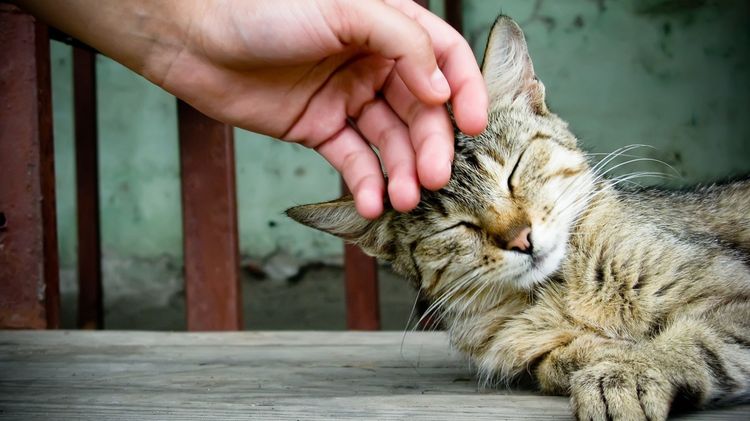
You can train a feral cat to desire affection from its owner. If you offer the cat a treat every time you interact with it, it will eventually associate petting with something pleasant.
Final advice
Establishing a positive relationship with such a proud creature as a cat requires patience, interest, and a basic understanding of animal psychology. Only by truly loving your pet can you make them happy.
Read also:
- What to do if a cat bites you and your hand swells
- Kitten bites and scratches: why and what to do
- Cat scratch disease – felinosis


Add a comment