
Why does a cat sneeze?
Everyone has probably seen a cat sneeze at least once. If it happens occasionally, there's no cause for alarm—you can just smile and ignore it. However, frequent sneezing should be a cause for concern for owners. It's important to closely observe your pet's behavior and note any other alarming symptoms. There are several reasons why cats sneeze, and this article discusses the most common ones.
New cat owners often become concerned and don't know what to do if their cat sneezes without a fever. In most cases, there's no serious cause for concern. Sneezing can be caused by ordinary household dust. Often, the answer to why a cat sneezes is simple: the nasal mucosa is irritated by high levels of dust in the room. In this case, a thorough cleaning is sufficient. Removing old items and dust-collecting objects like carpets will make breathing easier not only for your pet but for everyone in the household.
Content
Why Do Cats Sneezes: Common Reasons
Sneezing in cats is a fairly common occurrence, and can be either a harmless reaction to the environment or a sign of serious illness. If a cat sneezes infrequently and remains active, eats well, and shows no signs of illness, there's usually no cause for alarm. In such cases, the body is simply reacting to irritants in the air.
However, prolonged sneezing or its combination with other symptoms can no longer be considered normal. Below are the main reasons why a cat sneezes.
The main reasons why cats sneeze
Viral infections
This is one of the most common causes of sneezing. The most common illnesses include:
– herpesvirus infection (rhinotracheitis);
- calicivirus.
Herpesvirus infection affects the nasal mucosa, causing rhinitis, often accompanied by conjunctivitis. The disease can be acute or chronic. Kittens and unvaccinated animals are most susceptible.
Calicivirus most often affects the upper respiratory tract, but in severe cases, it can affect multiple organs. Characteristic symptoms include mouth ulcers, excessive salivation, lethargy, and refusal to eat.
Bacterial and fungal infections
This group includes bordetellosis, chlamydia, mycoplasmosis, cryptococcosis, and aspergillosis. All of these are accompanied by inflammation of the nasal mucosa, a runny nose, and discharge, causing frequent sneezing in cats. These pathogens can act as independent causes of the disease or accompany a viral infection.
Foreign objects
Small particles of food, grass, or dust that enter the nasal cavity or nasopharynx trigger the body's defense mechanism. In this case, sneezing helps clear the airways.
Neoplasms and polyps
Nasal tumors are more often diagnosed in older cats. They can be benign or malignant and partially block the nasal passages. Polyps are benign growths of the mucous membrane and are more common in younger animals.
Inhalation of irritants
Strong odors and fine particles can also cause frequent sneezing in cats. Such irritants include cigarette smoke, cleaning products, sprays, perfumes, scented litter, dust, and pollen. Sometimes, irritation can lead to inflammation and secondary infection.
Dental problems
Oral diseases such as gum inflammation or tartar can spread to the nasal cavity. In advanced cases, openings can form between the mouth and nose, leading to chronic rhinitis and sneezing.
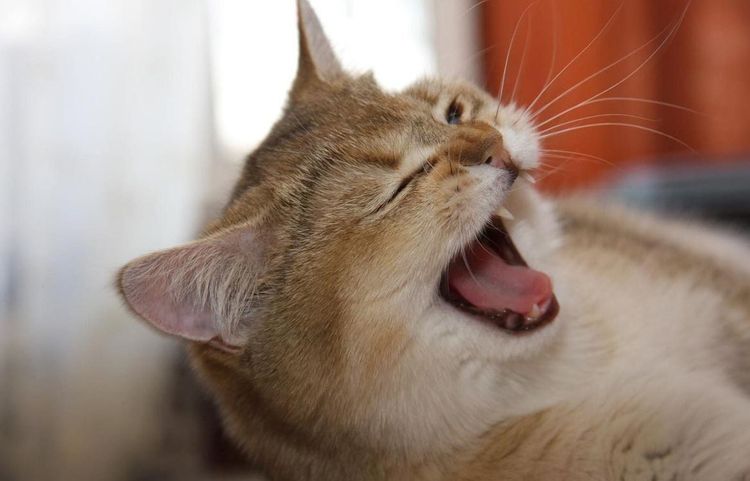
Head injuries
Mechanical injuries to the head and respiratory organs, resulting from falls or blows, can also be accompanied by sneezing.
Anatomical features
Brachycephalic cat breeds—Persians, Exotics, British Shorthairs, and some others—have shortened muzzles and narrowed nasal passages. This causes them to snore, snore, and sneeze more frequently, which is generally considered normal.
Reverse sneezing
This condition is accompanied by grunting or snoring sounds and sometimes resembles a sneezing fit. If it occurs infrequently and doesn't bother the animal, no treatment is required.
Congenital defects
Developmental abnormalities of the upper jaw and nasal bones, such as a cleft palate or a deviated septum, can be a persistent cause of sneezing in cats.
When figuring out why your cat is sneezing frequently, it's essential to check the nose for any foreign objects. If the object is large, you can try to remove it yourself. In any case, a veterinarian can always help.
But there are more serious situations. If you don't know why your cat is sneezing, a specialist can determine the cause. These could be:
- problems with the oral cavity (teeth, gums);
- allergy;
- helminth infection;
- formation of polyps;
- asthma;
- oncology or infections.
Dental problems and various gum diseases cause inflammation, which triggers sneezing. Pets often lose their appetite and may experience rapid weight loss. This can sometimes be accompanied by mucus and blood.
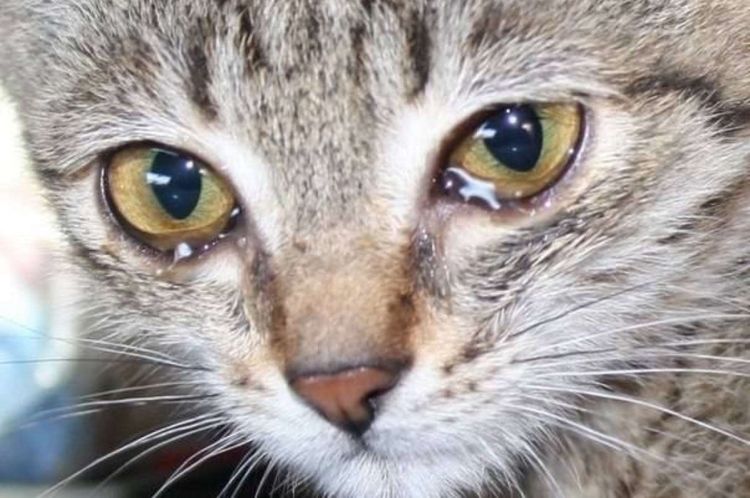
When figuring out why your cat is sneezing, you can discover the causes yourself. These could be newly introduced household chemicals, perfumes, cosmetics, and even cat litter, which can cause the animal to sneeze. allergies. Any aerosols, even those intended for treating cats from parasites, can also trigger the sneeze reflex. An allergic reaction is often accompanied by watery eyes and itching.
Worm infestations, a constant threat to pets, can cause recurring sneezing. Furthermore, sneezing associated with toxoplasmosis is accompanied by rhinitis, and the cat may experience a prolonged fever. Dirofilariasis, caused by parasites multiplying in the heart muscle, is also accompanied by sneezing and respiratory distress, similar to asthma.
Growths (polyps) that form in the nasal cavity prevent normal air circulation and make breathing difficult. Sneezing is accompanied by shortness of breath. A sleeping cat's mouth usually remains open.
Asthma can sometimes be the cause of a cat's frequent sneezing. See a doctor immediately if your pet has difficulty breathing, wheezing, or is experiencing asthma attacks.
The most serious and frightening diagnosis a clinic can give to a pet who frequently sneezes is nasal cancer. This rare disease also causes loss of appetite, lethargy, and exhaustion. Often, the animal will experience foul-smelling and labored breathing.
When a cat sneezes, accompanied by nasal discharge (snot) or eye discharge (tears), followed by a refusal to eat or engage in any activity, it's likely an infection. A veterinarian can accurately determine whether the underlying cause is a respiratory infection (viral, bacterial, or fungal), feline herpes virus, or some other underlying condition.
By contacting a specialist promptly, you will find out exactly why your cat is sneezing and how to treat it, thereby saving your animal from further suffering.
Symptoms of cat sneezing that should alert you
If, along with sneezing, your pet's health worsens, you should rush to the veterinarian and find out why the cat is constantly sneezing.
Sometimes, during the initial examination, the veterinarian rules out a reaction to dust and finds no mechanical irritant. In this case, you shouldn't treat your cat yourself, regardless of whether it has a fever. Once the possibility of an allergic reaction has been ruled out, you should undergo further examination and take all the necessary tests. Then you'll know why your cat is sneezing and what to do to treat it.
If left untreated, serious diseases can develop, many of which pose a threat to human health. For example, a cat infected toxoplasmosis, can cause miscarriage in a pregnant woman.
Prolonged sneezing, accompanied by additional debilitating symptoms, is a reason for an immediate comprehensive examination.
Warning signs:
- bloody discharge from the nose when sneezing;
- sudden weight loss in a cat;
- growth of ulcers on the body;
- wool stuck together in clumps;
- diarrhea;
- vomiting;
- purulent nasal discharge and lacrimation;
- attacks of fever;
- whistling when breathing;
- wheezing cough;
- aggressive attacks towards the owner;
- photophobia.
If you notice even one or two of these symptoms, rush to the veterinarian. Early treatment can quickly help return your pet to the family fold.
If you sneeze and there is blood coming out
A cat sneezing blood can be a very dangerous condition. If the bleeding isn't caused by a foreign object in the nasal passage, a veterinary examination will be necessary. The main causes of bleeding include:
- mechanical damage to the respiratory tract;
- some fungal diseases;
- oncological lesions.
You're unlikely to be able to thoroughly examine the nasal passages and confirm the presence of damage on your own. You'll only be able to find out why your cat is sneezing and what to do to stop the accompanying bleeding after consulting a veterinarian.
Treating a cat's sneezing
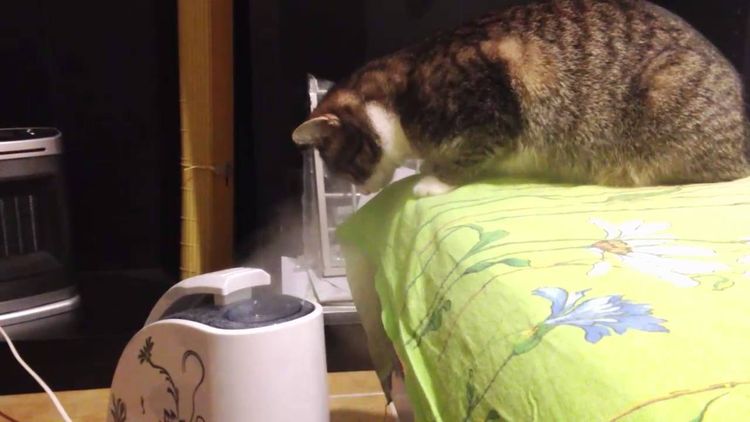
The doctor will prescribe treatment depending on the cause of the sneezing. If no underlying medical conditions are found, the doctor may recommend, for example, regular cleaning of the house or the use of a humidifier.
For respiratory illnesses, nasal decongestants may be needed to relieve congestion. In more severe cases, a course of antibiotics may be necessary. If necessary, surgery may even be necessary.
Once the owner has determined why their cat is sneezing and how to treat it, they must strictly follow the specialist's recommendations. Prescribed treatments must be carried out in a timely manner. These may include:
- nasal drops;
- pills;
- injections.
When caring for your pet, it is necessary to observe personal hygiene measures, using a protective mask and gloves if necessary.
Prevention
Cats often sneeze due to dust getting into their nasal passages and the presence of allergens in the home. Therefore, frequent wet cleaning and the use of safe cleaning products are recommended.
To prevent the occurrence of dangerous diseases, it is necessary to carry out vaccinations in a timely manner.
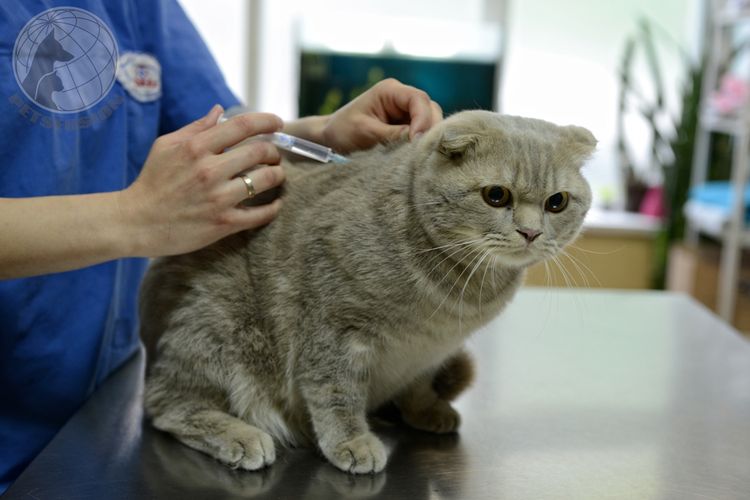
Starting from six months, you need to follow the vaccination schedule and get them against:
- viruses;
- cat flu;
- leukemia and leukopenia;
- rabies.
The most important thing is to undergo regular preventive examinations with a veterinarian in order to detect danger in time and begin treatment.
Don't spend too much time wondering why your cat is constantly sneezing; hurry to help your pet.
Any questions? You can ask our website's staff veterinarian in the comments below, who will answer them as quickly as possible.
Read also:


34 comments
Julia
Hello, my 15.5-year-old cat recently started sneezing, then the bridge of her nose between her eyes became swollen, her eyes started watering, and her sneezing intensified. She's having trouble sleeping because of the sneezing fits. She can't find a comfortable place to stay, constantly shifting from one position to another. Even when she asks for food, she won't eat what we give her. Although she always ate meat, she refuses that too. We gave her 1/4 loratadine once a day for two days, suspecting an allergy, and we also put levomycetin drops in her eyes because she constantly rubs them with her paws. Could you please tell me what this could be? I understand that I need to take her to the vet, but she's never been outside the apartment in 15 years, and that would be extremely stressful for her.
Daria is a veterinarian
Hello! You don't necessarily have to go to the clinic. Many veterinary clinics offer home visits to reduce stress. What's the use of chloramphenicol? It's an antibiotic, and its use requires specific instructions! Your cat may be rubbing simply because it's itchy. Review your cat's previous feedings, whether any treatments have been given, and whether any vitamins have been given recently. Is she eating houseplants? How recently have parasites (skin and intestinal) been treated? Could a foreign body have gotten into the nose, causing the swelling? Is she breathing (listen to her breathing). Feel the bridge of the nose; is she anxious, in pain, or is the swollen area hot? What is her body temperature? Has she had any vaccinations?
Vladimir
Hello... My cat was living at work. He was fine. Then he disappeared for three days. He came back with a swollen nose near his eye. With a spot. Like he'd been in a fight. I took him home. He was really sick. Then the area started swelling. It burst. And pus came out. I went to the vet. We tried everything. We treated him, but everything kept coming back. I went to the ophthalmologist. She prescribed Ligfol. And some other medications. Eventually, the fistula went away. But he's sneezing with yellow snot. We went to the dentist. Everything is fine. The tests are normal. They did an ultrasound of his organs. Everything is fine. But I had a DNA test done for the leukemia virus. Unfortunately, it was confirmed. Basically, I don't know what to do anymore. Please advise. I feel like my doctor just doesn't know what to do. And he's just trying to squeeze money out of him. The cat is acting normal. He only eats Whiskas. As far as I understand, he can't have that anymore.
Daria is a veterinarian
Hello! Well, stray animals often get viral diseases. The fistula could have developed as a result of pyogenic bacteria entering the wound (teeth, claws, anything, even from the surrounding air—a wound is a gateway for infection). The discovery of a DNA virus is not very good. Most likely, the prognosis is guarded. Treatment is lifelong. If you doubt the doctor's qualifications, then seek help from another clinic for a new diagnosis. Just don't talk about the test results from this clinic as if you were bringing your pet in for a checkup for the first time. It's doubtful that viral leukemia would only cause a runny nose. The clinical picture there would be more detailed.
Igor
Hello! Could you please tell me my 6-year-old cat got very sick six months ago, almost dying from a cough, pneumonia, etc., but I treated him myself because I couldn't afford veterinary care, and now everything is paid for and expensive, not everyone can afford it, as you can imagine. So, the reason I'm writing this is because my cat has no voice, his meows are barely audible, and when he does, it's just a dull wheeze. He sneezes, believe it or not, 30 times at a time. This has been going on for six months now, and he's been sneezing nonstop, every day. His ear is festering, and I'm treating his eye, too, but this has been going on for six months. How can I help him without spending a lot of money?
Daria is a veterinarian
Hello! I hope you're joking about your attitude toward your pet's health. Your pet has purulent otitis and purulent conjunctivitis, which affect sensory organs close to the brain. If left untreated, it can lead to meningitis. A loss of voice indicates laryngitis, while wheezing indicates tracheitis or bronchopneumonia. Your pet has a whole host of ailments, and these are just the obvious ones, but you don't want to go to the vet? Serious antibiotic therapy is needed (both systemic, with broad-spectrum intramuscular injections, and topical, with drops). You need to listen to the lungs to avoid overlooking advanced pneumonia.
Lyudmila
My cat started sneezing. When she sneezes, she makes strange sounds similar to the squeak of a rubber toy. She's not vaccinated. I picked her up on the street almost a year ago. She's worm-infected. She's active, eats well, and has a runny nose.
Daria is a veterinarian
Hello! The nose isn't an indicator of health! Check your pet's temperature. Are they watery? Is there wheezing? Does their meow without changing their voice? Are there any allergic reactions (perhaps poor-quality food, medications, dust, or pollen)? Wheezing usually occurs when the bronchi narrow. First, rule out allergies, which can progress to asthma (which can also cause wheezing, but other symptoms are more pronounced and noticeable). Have your pet examined and listen to their breathing.
Love
Good evening! I have 3 cats. 2 of them were vaccinated. Then a kitten from the street came and they all got calicivirus. We had to undergo treatment for a long time. After the treatment, we couldn't vaccinate the cats. I did a PCR test, but the results were always disappointing. 9 years have passed. One cat started sneezing, especially when he sits near the window. His nose is wet, his eyes don't water. He sometimes rubs his nose with his paw. Then I hear the second one, and then the third. Sometimes I don't even open the window because of them. They rarely sneeze, but the fact remains. I've already changed my mind about the draft, allergies, and dust. Their fur is good and they eat well, but they scratch sometimes. They are using Pro-Plan 7+ food, and the chicken in Pro-Plan is an allergen. What nasal drops would you recommend, and how should I vaccinate the cats? Their ages (9, 10, and 11) haven't been to the clinic in a long time. There were no obvious symptoms before, but this year, more than ever. Thank you.
Daria is a veterinarian
Hello! A recovered animal will still have antibodies to the virus. A positive test can last for over a year. Did you do it immediately after treatment?
Regarding food: chicken can indeed trigger an allergic reaction (especially in older cats). My little one ate chicken and turkey food for 10 years. Then she started itching, developed a runny nose, her eyes started running, and developed dandruff. I switched to a fish-flavored food, and for three years now I've been feeding her either tuna or salmon. And, knock on wood, I haven't had any similar symptoms since.
But you have three cats with the same symptoms. You can use anandin or maxidin nasal drops (prescribed for viral infections). But you should still take them to the vet. Older cats are rarely vaccinated (if they've never been vaccinated before) because their immune system doesn't respond as well. If they were vaccinated every year, that would be fine. But this puts too much strain on the immune system.
Daria
Hello! We took our cat to a cattery for three days, and there was a lot of dust in the room. After that, the cat has been sneezing constantly, and it's already been two days. Please tell me what to do. Thank you.
Daria is a veterinarian
Hello! Has your cat been vaccinated against infectious diseases? What about the cat you mated with? Dust may have irritated her nasal mucosa, triggering her sneezing reflex. She's also trying to sneeze at home (it could be an allergy). She may also have a cold (she was in a draft, for example). Check for discharge from her nose and eyes, and for a fever. Observe her behavior for any changes in appetite. Is she rubbing her face with her paws? How long has this behavior been going on?
Tatiana
Hello! We have two cats and a male cat. They are not vaccinated. They eat natural food. I recently had to give them KitKat. The cat started hiccupping, then sneezing (for about three days now). He has no fever. He eats normally, but is less active. Is there anything I can do about it?
Daria is a veterinarian
Hello! There are several possibilities. The first is that it's simply a draft (it's gotten very warm, the windows and doors are open, maybe he was lying in a draft and that's it). The second possibility is that it's infectious (he brought something in from outside). The third is an allergic reaction (I don't know what he was fed before or what the "taste" of a kittycat is). The fourth is a foreign body in his nasal cavity, or some kind of pollen that he's allergic to. It could be that you're renovating your house and there's construction dust, or maybe it's household dust. It's a long road of guesswork. He needs an examination and a complete blood count.
Olga
Hello, my cat walked on broken glass 6 months ago, started sneezing, and a blood clot came out of one nostril. Now there is intermittent blood or bloody discharge from one nostril. What can a veterinarian recommend if I go to a clinic?
Daria is a veterinarian
Hello! Six months ago, my cat walked on glass fragments, and do you somehow connect this to the sneezing? Or has she been sneezing for six months? Are all her vaccinations up to date? Does she go outside? How often does she sneeze? The blood could simply be a result of weak blood vessels (frequent or forceful sneezing could cause small vessels to burst, resulting in blood clots, and a clot is a type of thrombus caused by coagulated blood that leaked from a burst vessel). However, a foreign body in the nasal cavity or a mucosal injury cannot be ruled out. Therefore, the vet should examine your pet, take its temperature, and ask you about its feeding, housing, and care.
Olga
Hello! Our cat started either scratching or coughing because we have a baby in the house. We had to throw him outside. A few days later, the cat started coughing. Apparently, she caught an infection from the cat. What kind of contagious disease could this be?
Daria is a veterinarian
Hello! Cats are susceptible to a variety of infections. If your pets aren't vaccinated and have access to the outdoors, they could have picked up anything. These diseases aren't contagious to humans. Without testing, it's impossible to tell what specific pathogen is causing the respiratory symptoms. It could be bacteria, in which case a child could become infected. Please understand, without testing and an IN-PERSON examination of the animal, it's impossible to diagnose or say how dangerous the disease is for humans. But if you're so worried, find some volunteers and give your pets to them. Have them take them to a clinic where they can be examined, treated, and then rehomed, where owners won't throw them out at the first sign of illness... Sorry to be rude, but I don't understand how anyone could throw a sick animal out into the street.
Valeria
I hope one day you will be thrown out into the street and die under a fence.
dagger.win
Hello. My 6-month-old cat has been sneezing frequently lately. She had worms in December, and the vet prescribed medication, which we treated. She's eating normally and is very active. After reading the article, the symptoms listed aren't present in my cat, but she still sneezes. What could be the problem? It could be dust, and the house needs cleaning.
Daria is a veterinarian
Hello! What kind of medication is this? Have you treated the kitten for a parasitic infestation? Has the kitten been vaccinated? What are the other symptoms besides sneezing? What are you feeding it? Is there any itching? Watery eyes? A runny nose (even if it's just clear)? Allergies should also be ruled out, as well as infectious diseases. Cleaning is essential, and a wet cleaning should be done at least once a week.
dagger.win
The medication is Dirofen, and the vet also gave him some kind of injection when we went to see him, but otherwise, we haven't had any vaccinations yet. We feed him Kitekat food and occasionally fish or meat. There's no itching, no watery eyes, and he doesn't seem to have a runny nose (his nose is slightly wet).
Daria is a veterinarian
Hello! It's too bad you didn't get age-appropriate vaccinations. Now the vet will have to rule out infectious diseases. The diet definitely needs to be changed! First, get rid of the Kitekat immediately. Replace it with a good super-premium or holistic food. Second, natural food (meat and fish) shouldn't be given with commercial food. It's either one or the other. A course of antibiotics is definitely needed, along with immunostimulants and intramuscular vitamins. Then, monitor the symptoms (anandin or maxidin can be administered intranasally). Take the temperature and monitor for any other clinical signs.
Alexey
The cat sneezes often, hasn't eaten for 2 days, then ate a little, and on top of all this, she sleeps all the time and doesn't go to the toilet, and we also have a cat who sneezes a little but eats for 7 people.
Daria is a veterinarian
Hello! Is your pet not defecating or peeing? Has their temperature been taken? I suspect they haven't been vaccinated. Check for discharge from the nose and eyes. First and foremost, it's important to rule out infectious diseases, as treatment for them should be started as soon as possible. What do you feed your pet? When and with what was the last treatment? Are there any other symptoms besides loss of appetite and sneezing?
Sergey
Good afternoon. I have five cats living in the yard. Three of them have started sneezing. They're not eating well and don't want to leave the coop. They even sleep there. What's the likely cause? What should I do?
Daria is a veterinarian
Hello! We should rule out infection, since all the animals have the same symptoms. But before prescribing medication, we need a diagnosis. Is there any discharge from the eyes or nose? Antiviral medications, antibiotic injections (preferably Marbofloxacin and its analogues, which have a broad spectrum of action, including against chlamydia and some viruses), vitamins, and immune stimulants are recommended. An antiviral serum (like Vitafel) might even be needed.
Mila
Hello, please help. My cat is sneezing constantly, her nose is bleeding, and she has no fever. She eats once a day and doesn't drink water. She has lost a lot of weight. What should I do? The veterinary hospital will open at 9:01:20 AM. How can I help her?
Daria is a veterinarian
Hello! If your cat has lost a significant amount of weight, it's clearly not the first day the problem has been going on. But for some reason, we didn't take her to the vet, hoping for a spontaneous recovery, I guess. If possible, give her doxycycline (but it darkens tooth enamel)/Unidox for 7 days, plus famciclovir, etamsylate, or dicynone. Take her to the vet as soon as possible! Rule out nasal polyps, herpes infection, mycoplasmosis/chlamydia, infectious rhinotracheitis, and other infections. Forcefully administer water with a syringe without a needle in small amounts. You can also give her rehydron/vetom 1.1, as it contains salts and will help restore the water-salt balance.
Ruslan
The cat is 5 years old
Ruslan
Hello. My cat has been sneezing twice a day for a month now. Sometimes, when he sneezes, he can even spit up snot. I've cleaned him, but he has no other symptoms, and his nose is wet. Could you suggest something?
Daria is a veterinarian
Hello! It could be anything, from a cold to an allergy, even an infection. Your cat needs to be examined. The nose isn't an indicator of health. Your temperature should be taken. Are their eyes watering more or becoming very moist (or, conversely, dull)? Has their fur become dull or become flaky or tangled (if they have long hair)? Is they itching occasionally? Could they have dandruff? Sneezing twice a day isn't that much, but the frequency is concerning. What's the feeding? What treatments? How is the cat maintained (walks, contact with other animals, etc.)?
Valera
Good morning. Could you please help? My cat is coughing and has lost her voice; she doesn't meow. She's about 15 years old. Her appetite is normal. Thank you.
Dasha is a veterinarian
Hello! Your pet needs to be examined for any inflammation. It could be pharyngitis, laryngitis, tonsillitis. Anything, you need to check the throat and vocal cords. Has their temperature been taken? Is there a runny nose? Are their eyes watery?
Add a comment