
Why does a cat eat dirt?
Have you noticed your pet periodically eating soil in your garden or flowerpots and are concerned about whether it's dangerous or what this behavior might indicate? We'll explain why cats eat soil from flowerpots or outside, when this habit can be dangerous, and how to prevent it.
Content
Geophagy in the animal world
Geophagy (or "earth-eating") is a fairly common phenomenon in the animal kingdom, described in ancient Greco-Roman works. Moreover, the consumption of soil or sand can be both accidental (along with food) and intentional (when an animal eats soil).
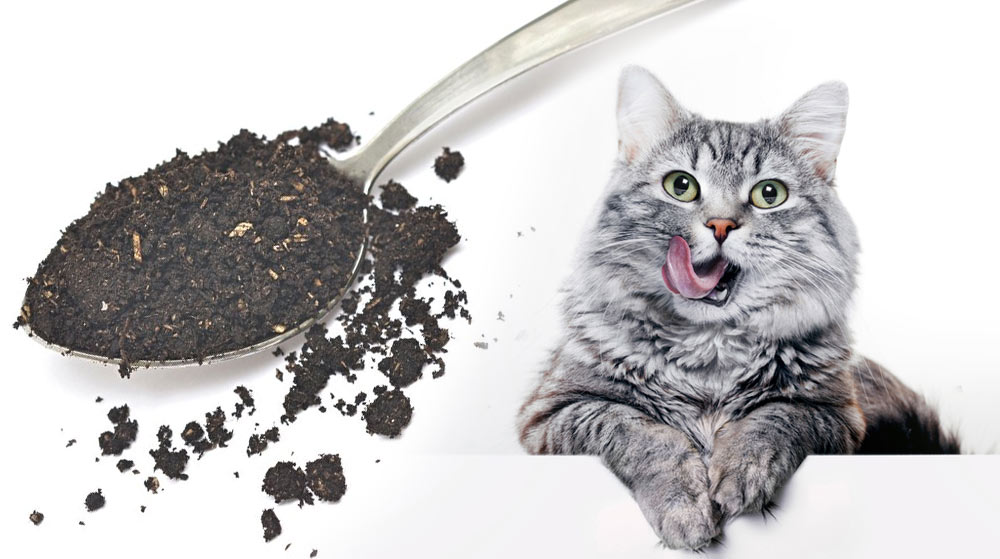
Scientists believe that small pebbles and sand have a beneficial effect on bird digestion, and that soil with a high clay content is beneficial for the gastrointestinal tract of many mammals, including cats. Naturally, this applies to small amounts of these elements.
If your cat eats dirt frequently and extensively, it's likely an eating disorder, and you should consult a veterinarian to determine the cause of such a selective eating habit.
List of possible causes of geophagy
To understand why your cat eats dirt outside or at home, analyze the following possible reasons.
Reason #1 – the game
Sometimes owners think their kitten is eating pebbles or clods of earth, when in fact, the kitten is simply playing – grabbing, tossing, and biting the improvised toy. Observe how the kitten is acting; it may simply be simulating the process of hunting (playing with a mouse) on a clod of earth or a stone. A kitten may also try to bite a stone during teething, massaging its gums and experiencing the pleasurable sensation.
In this case, there is definitely no need to worry, but it is better to offer your pet alternative (safer) toys or gum scratchers.
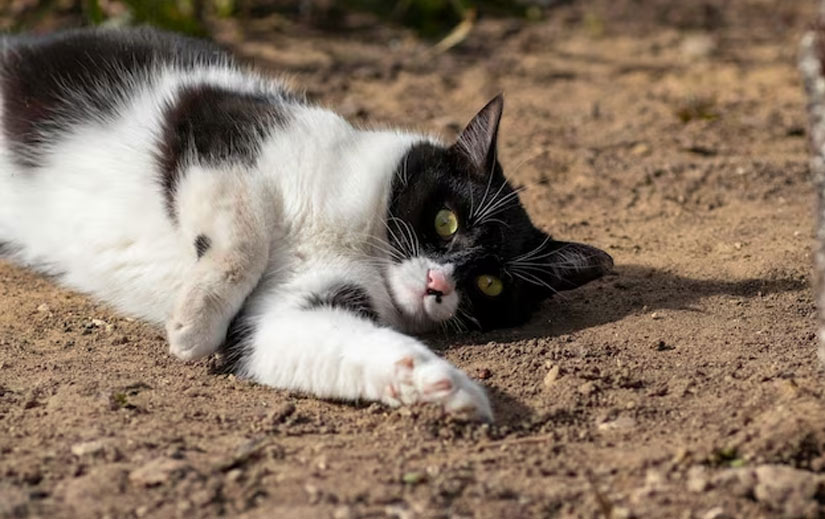
Reason #2 – Treatment
Cats with free access to the outdoors often eat soil when experiencing stomach discomfort—this is the most common cause of geophagy among mammals. It's worth noting that feral cats are well aware that treatment is possible with special types of soil (particularly clay) and will definitely not eat black soil from a garden bed or sand from a litter box.
In this case, it is worth taking a closer look to see if there are any additional symptoms of gastrointestinal dysfunction:
- upset stomach or constipation;
- vomit;
- bloating;
- pain in the abdominal area;
- loss of appetite or refusal to eat familiar foods.
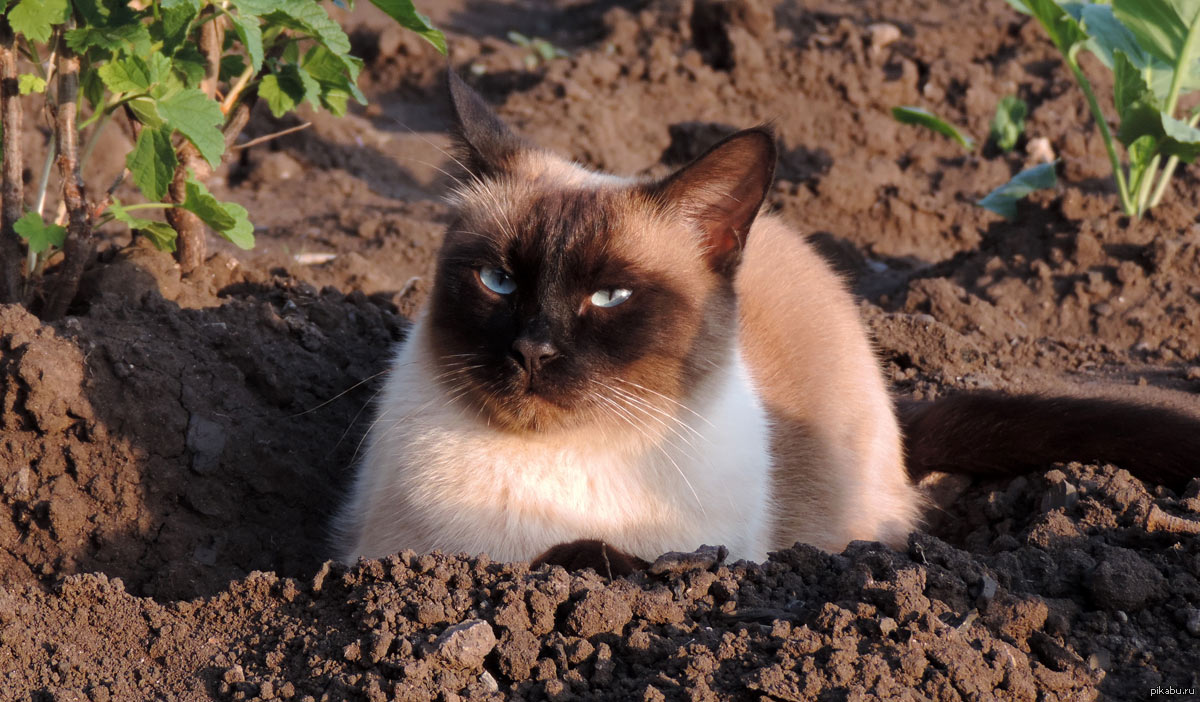
The reasons why cats want to eat soil can range from a simple gastrointestinal disorder to poisoning or helminthiasis.
Reason #3 – Lack of micronutrients
When trying to figure out why a domestic cat is eating potting soil, it's worth looking at its diet. In some cases, this behavior is caused by a lack of minerals and microelements. This most often occurs due to an unbalanced natural diet or feeding commercial foods of questionable quality. Premium commercial dry and wet foods contain everything a cat needs for active growth and maintenance at a certain age.
Reason #4 – Stress
Stress in animals can manifest itself in a wide variety of ways. One symptom is an eating disorder, which can manifest itself as a refusal of familiar food and an increased interest in non-food items. If the cause of the change in tastes isn't identified promptly, the problem can become entrenched, and the cat may develop a "bad habit."
Reason #5 – Hunger
An animal in a difficult life situation and unable to find food (for example, a house cat stranded on the street) may, in extreme cases, attempt to satisfy its hunger in this way. In an apartment, a cat suffering from constant hunger due to a physical or psychological illness may attempt to eat plants or potting soil.
What are the dangers of eating soil?
Regardless of why a cat eats dirt, in today's world this addiction can be dangerous for your pet.
Among the possible dangers, veterinarians warn about the following:
- infection with tapeworms, the larvae of which enter the body of animals through the soil;
- the risk of poisoning when eating soil with fertilizers in the garden or in a flowerpot at home;
- gastrointestinal disorders (if a large amount of soil is eaten, it will be found in the feces, since it is not digested by the animal’s digestive system).
How to stop a cat from eating soil
The only 100% effective way to stop a cat from eating soil is to create conditions in which such behavior is simply impossible:
- protect your cat from house flowers (we talked about how to do this in the article “How to stop a cat from ruining flowers»);
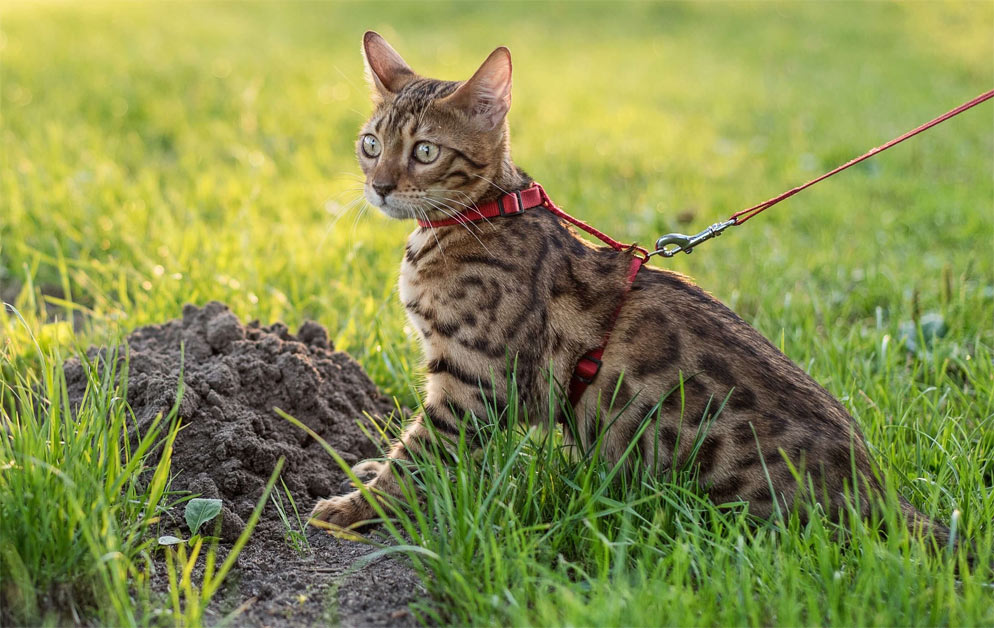
- organize walking on a leash, not allowing the animal to eat everything in sight on the street.
We can also recommend:
- diversify and balance the animal's menu;
- offer your kitten safe toys during teething;
- introduce edible white clay into your pet’s diet;
- introduce vitamin and mineral supplements into the diet;
- carry out deworming regularly (once every 3 months);
- pay more attention to the animal and minimize stressful situations;
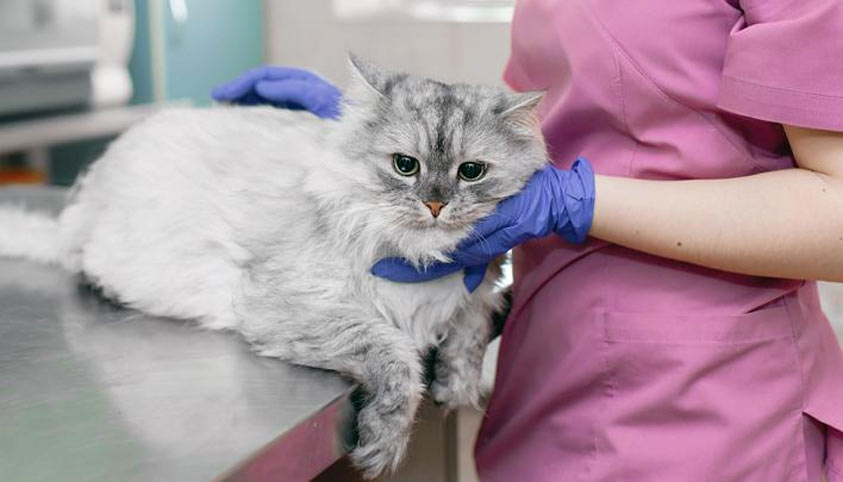
- undergo preventive examinations by a veterinarian in a timely manner.
Remember, the first step in combating unwanted behavior should be to identify the cause of its occurrence, as well as to rule out any possible health problems in your pet!
Read also:


Add a comment