
Why do cats smell delicious?
Many owners believe their pet has a unique scent and remark on their appreciation for this feline aroma. Let's explore why cats smell so delicious, what determines a pet's scent, and what factors can influence its change.
Do cats smell?
It's believed that cat fur (unlike dog fur) has virtually no distinctive odor. And there's a scientific explanation for this phenomenon.
Cats are predators, their bodies perfectly adapted to hunting in the wild. Any specific scent can hinder their hunting, scaring off mice and other prey long before the cat can get close enough.
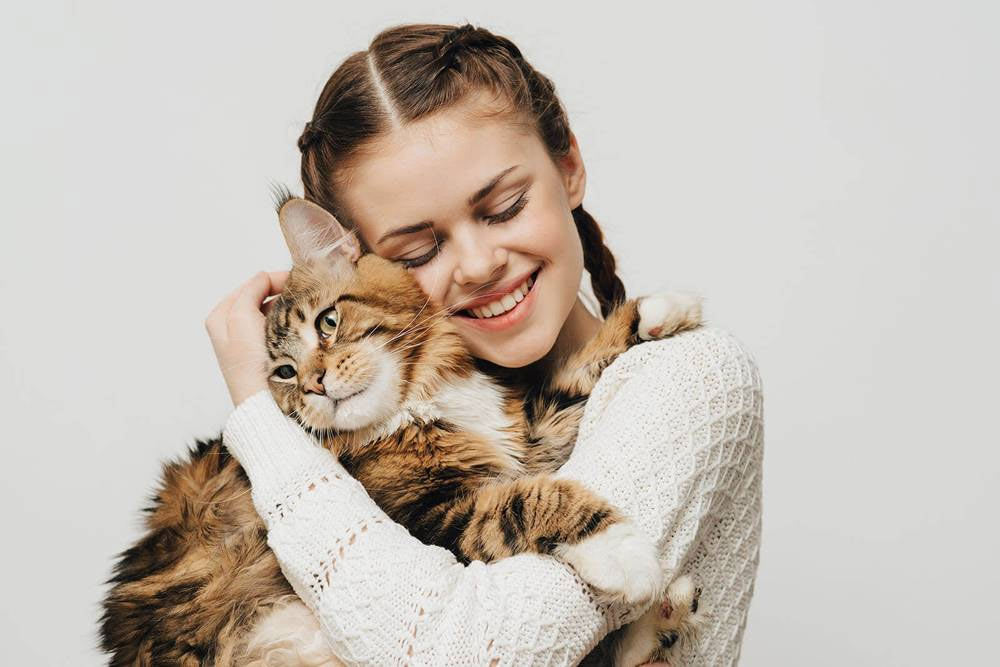
That is why:
- the animal spends a lot of time cleaning its fur from any dirt and foreign odors;
- the natural scent of a cat is barely perceptible to the human sense of smell;
- Any sudden change in a cat's odor always has a reason, and it's worth paying attention to.
When owners are asked to describe the scent of their cats, they receive a wide range of descriptions. Sweet and woody notes, as well as a cornflake aroma, are most often mentioned. This fact suggests that not only cat scents themselves, but also how people perceive their scents, can vary greatly.
Psychologists believe that for owners who are attached to their beloved pets, their natural scent is associated with the joy of companionship, as well as warmth and comfort in the home. This largely explains why cats smell delicious to their owners, but their scent may not seem so appealing to strangers.
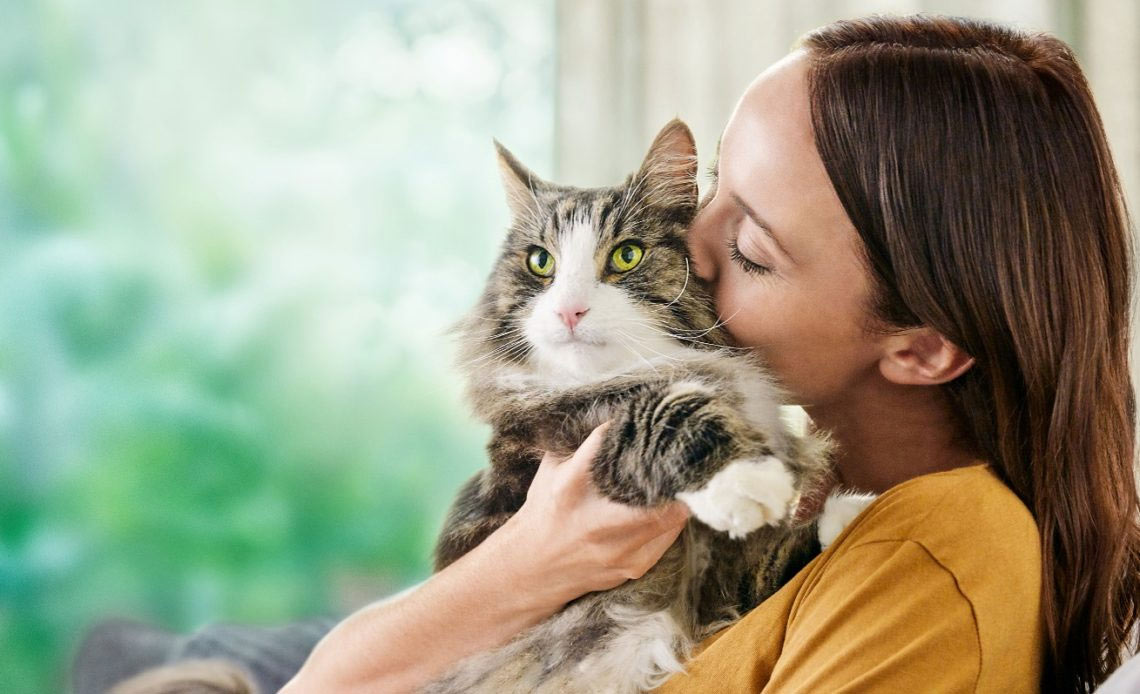
Fun fact! In Japan, cat scent is called the "smell of the sun," and Yamamoto Perfumery has even released a special home fragrance to create a cozy atmosphere for those who can't afford a pet.
What affects a pet's odor?
In search of an answer to the question of why cats have virtually no odor, while dogs have a rather intense odor, scientists studied the functioning of the glands and the principles of formation of the aromas characteristic of these animals.
Animals' natural perfume is a special secretion from glands. The most intense aroma is emitted by:
- behind-the-ear glands, which are capable of secreting pheromones - a pleasant smell responsible for the formation of affection;
- glands on the pads of the paws, the secretion of which is intended to mark territory and is also capable of evoking pleasant olfactory associations in people;
- paraanal glands - this secretion has a sharp, unpleasant odor, but everyone in the household can smell it if the glands become inflamed.
Interesting fact! The scent behind a cat's ears, which is often so beloved by owners, is most intense immediately after sleep. Its intensity can also increase in response to interaction with a beloved owner.
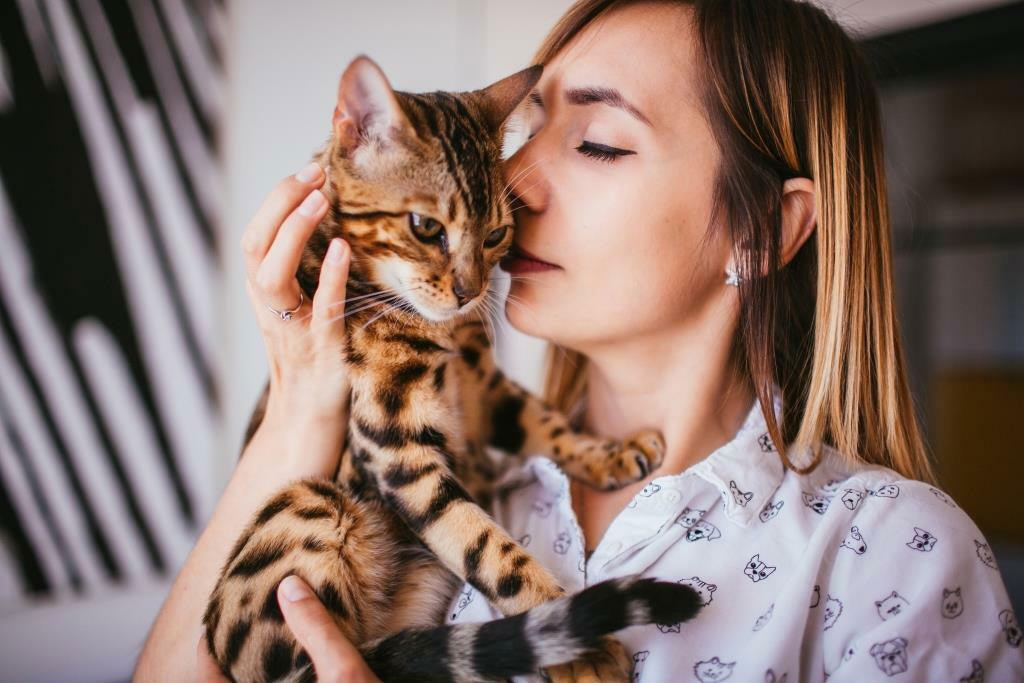
The intensity and aroma of your cat's personal perfume depends on many factors:
- breeds (for example, a sphinx can emit a not very pleasant aroma if you do not monitor the condition of the skin folds in which the secretion accumulates);
- levels of sex hormones (due to an excess of sex hormones, uncastrated cats often emit such a smell that even bleach cannot be used to control it, but after castration this problem goes away as the animal's hormonal levels are balanced; a cat's smell may also change during heat);
- nutrition (what your cat eats affects not only the smell of its mouth, but also the aroma secreted by the animal’s sebaceous glands);
- cleanliness of a cat (if the pet’s desire to get rid of foreign odors is reduced, then unpleasant odors may arise as a result of the fur being dirty);
- health conditions (a pet's smell can change dramatically due to various illnesses, as well as under stress).
What should be a warning sign?
So, we've figured out why cats smell delicious and what can influence the development of your pet's personal perfume. But what if, while inhaling the scent of your beloved pet, you detect new, unusual notes?
There may be several reasons for a change in your pet's odor:
- inflammatory diseases of the ears;
- skin diseases;
- parasitic infections;
- dental problems;
- changes in hormonal levels (especially if castration or sterilization has not been performed);
- inflammation of the paranal glands;
- gastrointestinal problems;
- diabetes.
Read also:


Add a comment