
Why do cats hiss?
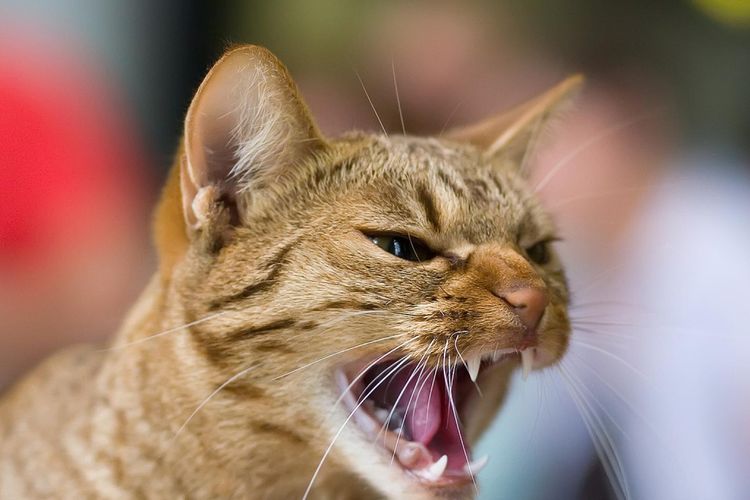
Paying attention to situations in which cats hiss will help you understand why they behave this way at any given moment. This behavior is primarily associated with aggression. But in reality, it's one of the ways cats communicate, along with meowing, growling, or tail twitching, allowing them to communicate their perspective on a situation. The key is to recognize it correctly.
Causes of unusual sounds
Cats are quite emotional animals. They may use hissing to express their mood or feelings in various situations:
- Fear. Even the friendliest pet can start hissing out of fear for any reason: a loud noise, a visit to the veterinarian, the sudden appearance of another animal (including a new pet in the house) or a stranger. This is especially true if the first contact with them is associated with unpleasant memories or aggression (rough handling, intimidation, attempts to forcibly pick them up, etc.). Additional signs of fear include flattened ears, heavy breathing, and attempts to hide in a secluded place. Intuitive hissing can also occur when the animal is simply not accustomed to contact with people or other animals.
- A warning to protect an area or in case of potential danger. In such a situation, cats may hiss at each other and other people as a warning to stay away, lest they attack. This is confirmed by a high stance, unpressed ears, constricted pupils, a raised paw, and bristling fur to give themselves a more imposing appearance to "intimidate the enemy."
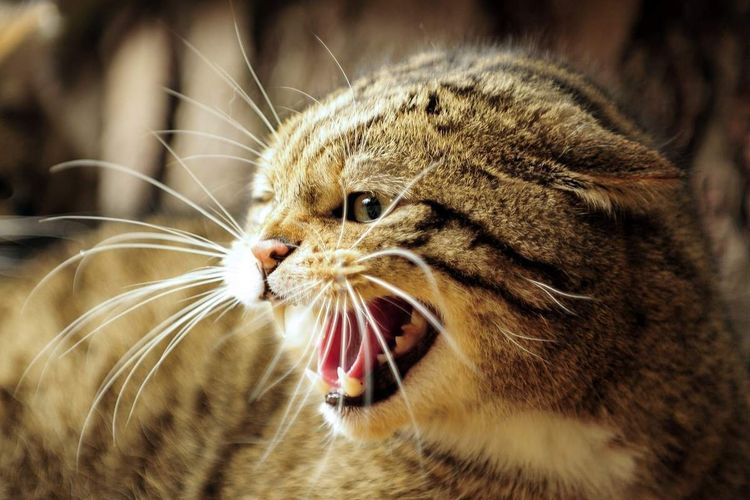
- Health problems. A cat's hissing at its owner for no apparent reason may indicate a health problem and associated pain. The pet makes these sounds in an attempt to protect itself from unnecessary attention and touch. If this reaction is accompanied by a loss of appetite, lethargy, or drowsiness, it's important to take the pet to the veterinarian immediately. Irritability can also be caused by injuries, severe poisoning, epilepsy, rabies, toxoplasmosis, and a number of other diseases.
- Irritation. A menacing hissing reaction can occur in response to increased attention, intrusive petting, or other stimuli, intended to scare them away. Cats are especially likely to hiss at children, who, due to their activity or inattention, could cause pain or other discomfort to the animals.
- Breed characteristics. For active cat breeds (Abyssinians, orientals, Cornish Rexes, Turkish Vanir) Hissing may be due to a lack of exercise. Hairless breeds are particularly talkative, so their hissing isn't necessarily a sign of displeasure, but simply part of their daily communication with their owner.
Mystical explanations are also possible. Cats are considered highly sensitive animals, highly attuned to human energy. If a pet hisses at certain people, they may carry negative energy, and their owner should be more careful when interacting with them.
How should the owner react?
A hissing cat is often irritated, so it's best to leave it alone for a while until it calms down on its own. At this point, it's unlikely the pet will tolerate petting, and may even scratch its owner. Here are some basic recommendations:
- do not scold or punish for such displays of emotion;
- allow to hide in a secluded place;
- eliminate the source of irritation or, conversely, try to form pleasant associations with it (for example, pets who are afraid of visits to the veterinarian or other unpleasant procedures can be given their favorite treat every time);
- pay more attention, communicate and iron;
- Have your pet examined by a veterinarian if hissing occurs without any apparent reason, especially with almost every attempt to pick up or pet the animal.
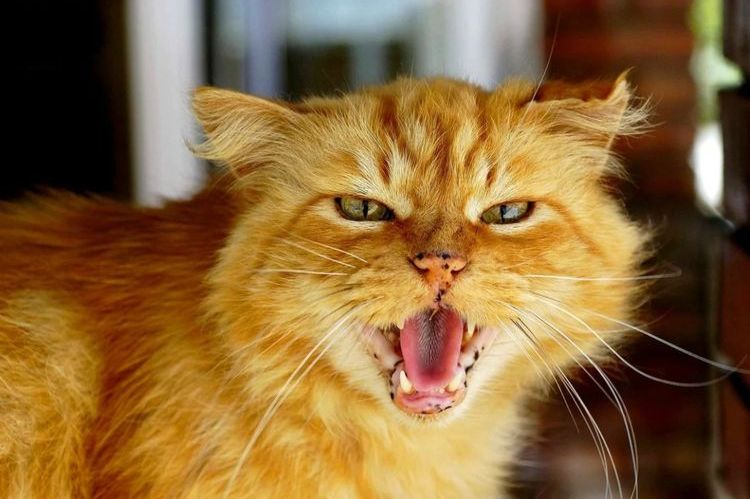
Some owners find hissing cats amusing, so there are numerous videos of them circulating online. Armed with a camera, they sometimes deliberately provoke hissing reactions with unusual objects. But it's unlikely that your pet will feel comfortable in such a situation.
Read also:
- What is the name for excessive love of cats?
- Why do cats wash themselves so often?
- What smell repels cats?


Add a comment