
Why do cats bring their prey to their owners?
Many owners are baffled by why cats bring home dead animals when their bowl is always filled with delicious food. When meeting their beloved cat after a walk, they often find a dangling mouse tail or a small bird in their mouth. Sometimes, a treat awaits them in the morning on the floor next to the bed, or even on the pillow. To respond appropriately to this situation, it's important to understand your pet's motives.
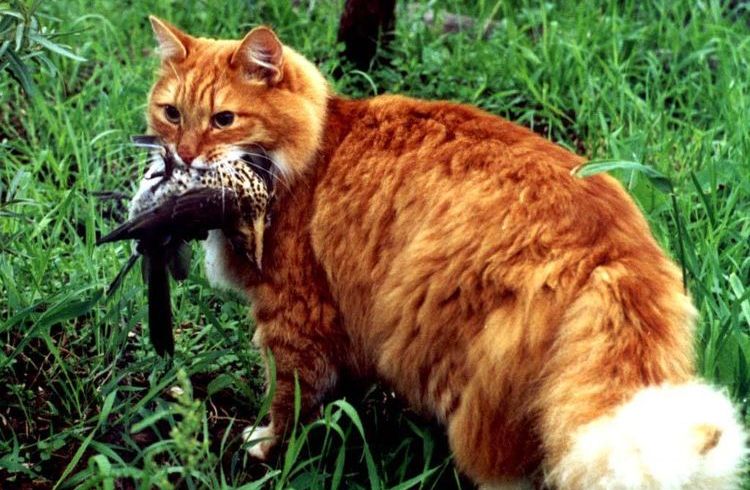
Why do cats carry dead animals home?
Members of the feline family, living alongside humans for several thousand years, have managed to retain most of the instincts inherited from their wild ancestors. Many of these instincts explain why cats sometimes carry their prey back to their owners. Among them:
- Hunting instinct. The bodies of predators, which is what felines are, require a large amount of protein. A cat's primary diet should consist of meat. Therefore, hunting instincts are ingrained in this animal. Interestingly, the primary goal is to catch the prey, not to eat it. By bringing a mouse or a bird to its owner, a cat proudly demonstrates its success, asserting itself and demonstrating masculinity. Many pets are astonishingly adept at hunting not only mice but also aquarium fish, insects, and lizards.
- Parental instinct. This behavior is exhibited by females. In the wild, predators bring small animals and birds they've killed to their young, teaching them proper feeding habits and, later, hunting skills. Modern domestic cats also possess a similar parental instinct. Females with kittens often bring half-dead prey home to their kittens, who react with great interest. If there are no offspring to whom to pass on this experience, the animal chooses its human host for this role. The cat brings the caught prey back to the host, thus demonstrating her care.
- Mice and birds scattered on the floor or on the owner's bed represent the cat's desire to demonstrate the usefulness it brings, to earn a little praise and recognition. This is another instinct common to domesticated furry creatures.
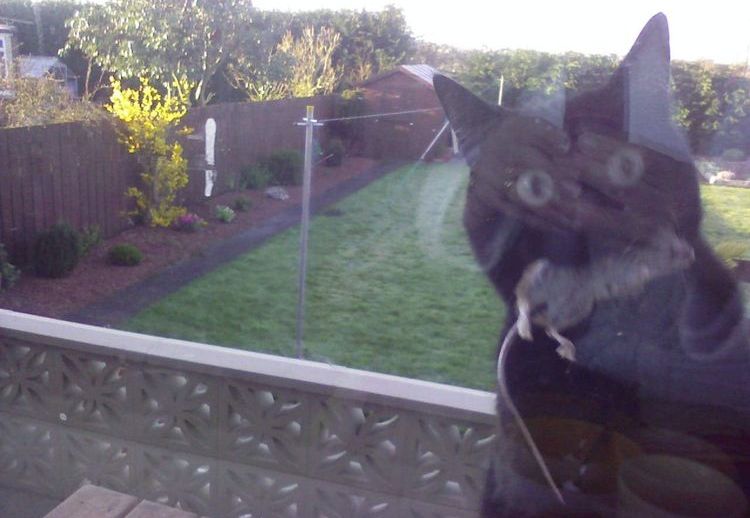
Whatever the reason for the appearance of animals killed by a cat in the house, you should not punish or scold her for it.
What to do with the loot
Understanding why a cat brought a dead animal home, it's important to accept such a valuable gift with dignity. The kill should be carefully, hygienically, placed in a jar, and discarded. Of course, this should be done in a way that the cat can't see. Let it believe its gift was highly appreciated and eaten. However, it's best to take the necessary measures to prevent the regular delivery of dead animals to the home. Sometimes this poses a serious threat to the health and life of the pet.
Dangers of hunting
Prey drives lead to illness and death in hundreds of domestic cats each year. The most common causes are:
- Rat poisoning. Preventative rodent control can also result in deaths of pets.
- Mice or rats caught by cats often carry dangerous, sometimes fatal, diseases. Bites from these animals, received during a fight, can cause suppuration and abscesses.
- Birds infect pets with fungal infections and mites.
- Any live prey caught by a cat can become a source of helminthic infestation.
In addition, during the hunt, a pet runs the risk of ending up in dangerous territory, becoming a victim of a dog or an intruder, or being hit by a car.

Such consequences of hunting can be prevented with a little attention and care for your pet. A collar with a bell around your cat's neck is an effective way to avoid encounters with birds. An alternative hunting option is an interactive toy, which will help your pet fulfill their hunting instinct. Neutering your cat is another way to protect your pet from fights over territory and long absences from home.
When setting up bird feeders, you need to ensure they are located in places inaccessible to cats.
Read also:
- How to best photograph cats
- Love between cats and people improves health
- Cats don't taste sweet: why?





Add a comment