
Why do cats love being petted?
Let's explore why cats love being petted. It's believed that pets engage in an instinctive process that makes them feel happy and protected. But for some reason, some animals dislike physical contact. This negative reaction may be due to the fact that the pet is being petted incorrectly or at the wrong time.
Content
Why do domestic cats love being petted?
Feral cats are social animals that often live in packs. They play and sleep together, and are in constant physical contact with one another. This close contact facilitates scent transfer, allowing them to distinguish between "friend" and "foe."
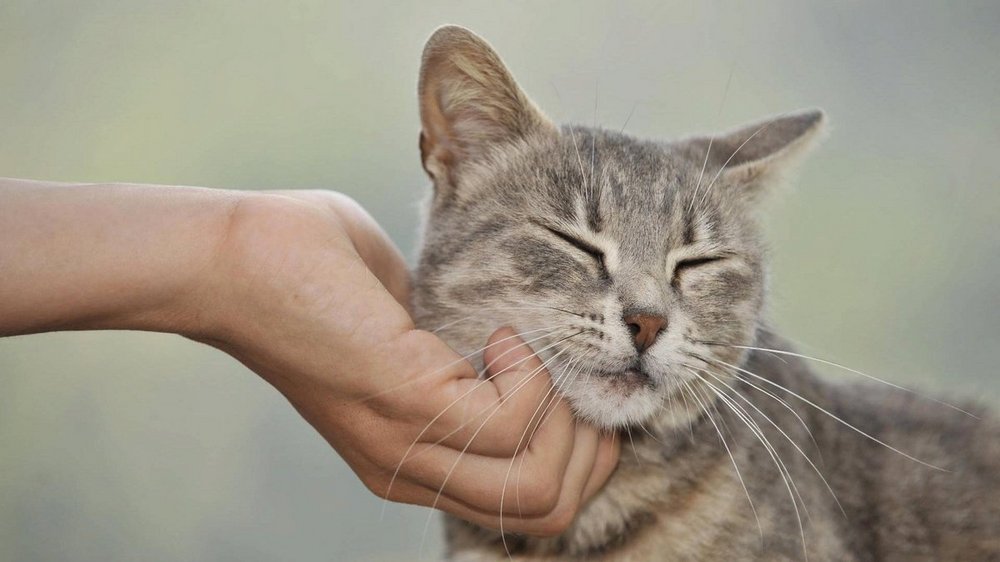
Pets retain their natural instincts—gentle pats and strokes create a safe atmosphere essential for relaxation. There are also several other reasons why cats love being kissed, scratched, and petted:
- Physical contact with the owner is a sign of trust. By accepting petting, the pet shows affection.
- Domestic cats experience joy when interacting with humans. This feeling is especially strong when the animal has been separated from its owner for some time.
- Scent marking is one of the instinctive reasons a cat feels touched. Stroking a cat's fur leaves a distinct scent on its skin, easily detected by other four-legged friends. Scent marking clearly communicates that the person is already taken.
- Despite their independent nature, cats love attention. Therefore, they need to feel needed from time to time.
- Cats' fur contains special sensitive hairs that help them perceive the world around them more vividly. Sometimes cats ask to be petted to receive a relaxing massage at the points where these hairs grow.
Domestic cats are considered sociable creatures that readily engage in physical contact with their loved ones. However, not all felines have a docile nature—approximately 3% of owners say their pets never cuddle.
Typically, such animals have poor socialization. They're simply not adapted to living with people and don't trust them. Their resentful behavior when petted may stem from early childhood abuse or a quarrelsome nature. Sometimes, the owner simply makes a mistake by petting them against their will or touching them in forbidden areas.
Places where stroking causes negative emotions
Cats have specific areas on their bodies that, when touched, often trigger anxiety and aggression. These include:
- The belly is the most vulnerable part of a cat, especially vulnerable in a fight. Most cats don't allow their belly to be touched. If a person can comfortably pet their pet's tender belly, they've earned their pet's absolute trust.
- Back of the head. Gentle stroking of the head is perceived positively, as long as the hand movements are not directed against the grain.
- Tail. Touching usually causes irritation, which is accompanied by tension or twitching of the tail.
- Paws. The armpit area and soft pads on the "feet" are especially sensitive to touch.
You can tell that your cat doesn't like being petted by the following signs:
- the ears are slightly laid back and pressed against the head;
- the body trembles, as if reacting with disgust to the touch;
- The cat turns away, trying to leave.
The most common symptom that a cat is experiencing discomfort is the absence of purring.
If a person continues to pet a pet that is not currently inclined to physical contact, further events will develop depending on the nature of the pet:
- the cat will simply proudly walk away from the persistent person;
- will show aggression - hiss and bite your hand.
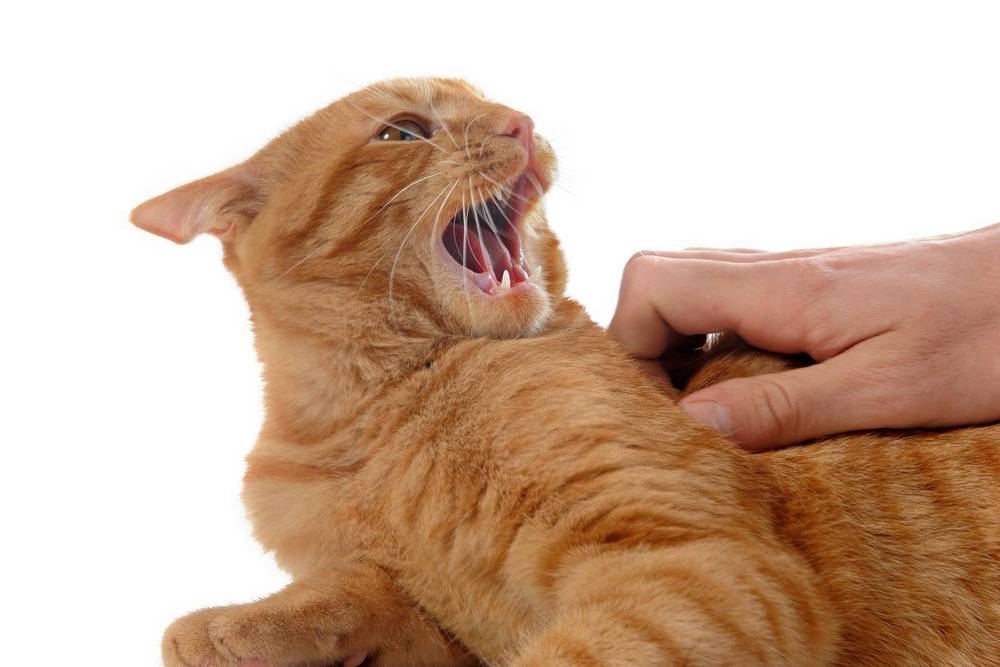
Despite a natural aversion to touching in certain areas, you can train your cat to accept petting on the belly, tail, and armpits with patience. It will take a considerable amount of time for a cat to trust you unconditionally. This attitude often develops when a kitten is raised with love and affection, and humans become a natural part of their pack. If your pet has lived outdoors before coming home, gaining trust will be much more difficult.
Most often, inappropriate behavior occurs when someone tries to pet a cat at an inappropriate time – when it’s sleeping, actively playing, or eating.
How to iron correctly
It's easy to win a cat over if you follow a few rules. The first is freedom of choice. You can't force a cat to accept affection. The animal itself must determine the time for physical contact. Even science has concluded that petting lasts longer when it's initiated by the pet, not the owner.
The second rule is that preferred touch zones are located in areas where scent glands are located. Touching these areas activates the production of a special, strong-smelling enzyme that evokes a feeling of happiness in cats. These zones are located around the chin, ears, and eyes. Therefore, when petting your cat, pay special attention to the following areas:
- Chin. Use your fingertips to gently trace a line from the chin down the throat. It's easy to tell he's enjoying the caress—he'll soon close his eyes and begin purring loudly.
- The base of the ears. Stroke with gentle pressure behind the ear. A positive reaction occurs quickly—the cat moves its head closer and begins rubbing against your fingers.
- Cheeks. Running your hand from the nose along the whiskers gives the cat genuine pleasure. This pleasure becomes especially intense when the whiskers near the nose are extended forward.
- The back and base of the tail. Stroke along the body, including the sides. You can also massage the base of the tail and neck. When pleased with the pet's affection, it will actively rub against your hands, wrapping its tail around them like a snake.
How to understand that your cat is enjoying himself:
- the body is relaxed;
- the tail is straight or sways slightly to the sides;
- the front paws diligently knead the blanket, floor, etc.;
- When stopped abruptly, the animal demands continuation by pushing the hand with its head.
Unlike dogs, felines are difficult to train. Their independent nature prevents them from being touched at inappropriate times. Therefore, it's important to learn all your pet's habits and avoid forcing affection when they're not in the mood.
Read also:
- How to train cats at home
- How to stop a cat from scratching and biting
- How to teach a cat to give a paw


Add a comment