
Why do cats sleep a lot?
Scientists estimate that cats spend 12-16 hours a day dozing. The main reason these animals prefer to sleep so much is their natural instinct. Therefore, prolonged sleep with short periods of wakefulness is considered normal in domestic cats, and a change in their sleep patterns is considered a warning sign.
Content
Reasons for prolonged sleep
The domestication of cats occurred approximately 9,500 years ago. This obligate predator had become accustomed to living alongside humans, but had not yet managed to reset its biological clock. Domestic cats retain the habit, inherited from their ancestors, of sleeping extensively after meals, as they need to replenish the energy expended during the "hunt." And although the animal no longer needs to waste time searching for and catching prey, its natural instincts take over.
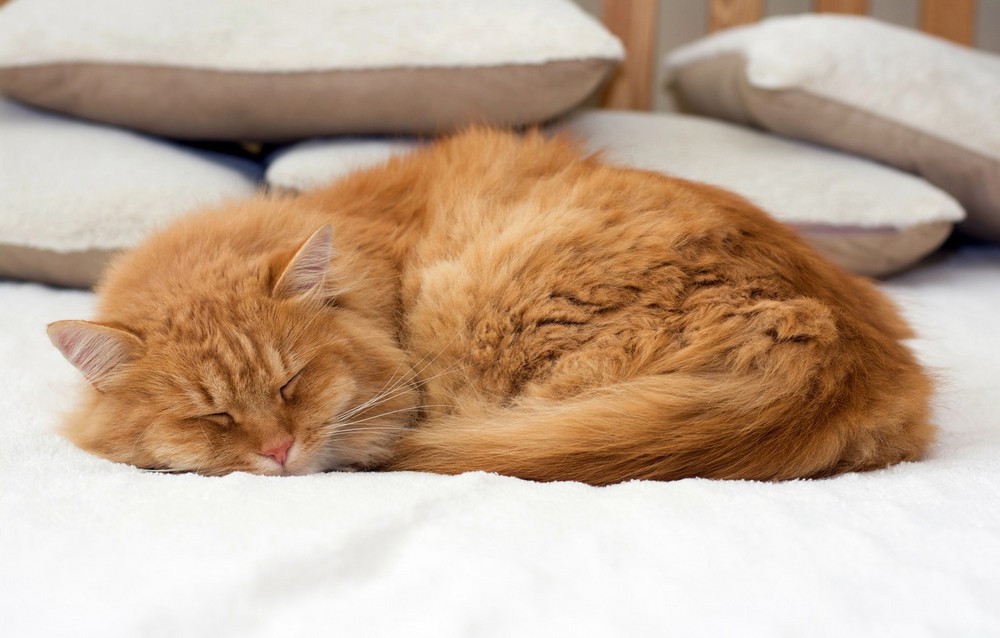
How much a cat sleeps per day depends largely on several factors:
- Age category. Kittens devote almost all their energy to growth, which is why they sleep almost constantly. Older animals also spend a lot of time dozing, which is associated with a slowing of metabolic processes. The body maintains normal biorhythms from 4-5 months to 8-10 years – this is the most active phase, during which the pet is awake for a total of 8-12 hours per day.
- Breed. Selective breeding significantly influences the development of the nervous system, as well as behavioral instincts. Animals specifically bred for domestic use tend to have a calmer temperament.
- Climate conditions. It has been observed that cats sleep especially much in cold winters, damp autumns, and during strong winds. Even those animals that spend their entire lives indoors prefer to sleep more in bad weather.
- Good food. The better a cat eats, the more it sleeps. Digestion requires a lot of energy, so it needs to be done in a calm state.
Heat disrupts rest patterns—the cat sleeps a lot during the day and is active at night. The search for a mate is accompanied by mournful and rather loud cries. This behavior is normal for unspayed and unneutered cats.
What causes problems with rest?
If the cat's wakefulness has decreased but its condition is not causing concern, the cause of its prolonged slumber may be an overly comfortable indoor climate—the animal has become inactive due to good nutrition and cozy warmth. Frequent ventilation of the room and a review of its diet will help "wake up" the cat.
When rest periods exceed the norm and your pet becomes lethargic, you should sound the alarm. This is especially true if the inactivity is accompanied by the following signs:
- problems with bowel movements – constant constipation or diarrhea;
- the coat is dull with dense, extensive mats;
- mucus flows from the eyes;
- the nose is hot and dry;
- bad breath.
The presence of such symptoms, coupled with increased sleep periods, may indicate the following problems:
- helminthic invasion;
- vitamin deficiency;
- concussion;
- cardiovascular pathologies;
- hormonal diseases;
- anemia;
- obesity.
There are many reasons why a cat barely sleeps, even though they used to nap a lot. The problem could be a move to a new home, renovations, restless guests, or the arrival of a child who disrupts the home's comforts. Therefore, veterinarians usually recommend, in an emergency, placing the animal in a shelter for a while, "hiding" it from irritating sounds and circumstances.
But sometimes the reason for insufficient sleep is a health problem:
- injury to internal organs, in which the animal experiences pain;
- inflammation leading to a general deterioration in the condition;
- Gastrointestinal pathologies, often caused by unbalanced food.
If you notice any signs of illness, you should visit a veterinary clinic, where a doctor can conduct an examination and develop a treatment program aimed at treating the pathology and normalizing periods of rest and wakefulness.
What to do when sleep is disturbed
To restore your pet's normal biorhythms, veterinarians recommend:
- After stress, pay extra attention to the animal, be patient, and remove sources that provoke irritation.
- Ensure comfortable conditions by periodically ventilating the rooms and, in winter, if the air is too dry, covering the radiators with a damp cloth.
- Balance your diet according to age requirements by increasing the protein content.
- In the evening, when the cat goes to bed, do not disturb it unnecessarily - leave games and affection for the morning.
- Encourage physical activity during the day. Games not only help release pent-up energy but also maintain a healthy mental state.
- Do not disturb your own routine, as the animal usually fits into the rhythm of its person’s life, sleeping and waking with him.
Cats are naturally lazy and love to sleep, a trait inherited from their ancestors. Sleep disturbances can indicate serious health issues that require a visit to the veterinarian. Normally, an increase or decrease in rest time is associated with psychological distress caused by a change in the owner's routine, bad weather, lack of attention, or a dietary imbalance.
Read also:


Add a comment