
Why do cats poop in their beds?
Pet owners know how difficult it can be to train their animals to be disciplined and orderly. Hygiene and litter box use are crucial when caring for our furry friends, as an animal that defecates in inappropriate places can make life hell for the household. Cats often choose their owners' beds for this purpose, which can be very frustrating and infuriating. Experienced cat breeders know that cats won't do this without a good reason, so determining that reason is key.
Once the factor causing this behavior has been identified, all that remains is to follow the advice that will help you get rid of unpleasant excesses in the future.
Non-pathological causes
Most of the reasons for this behavior in furry pets are purely psychological. To identify them, it's necessary to pay close attention to the animal's behavior and try to understand its feelings.
The common misconception among many cat owners that their pets do this to annoy or spite people is erroneous. Most often, the cause lies in one of the following factors:
- Improper litter tray maintenanceOur little brothers love cleanliness, which makes them spend a lot of time grooming themselves. It's no surprise that an overflowing litter box with damp, foul-smelling litter is unappealing to animals. Don't be upset if you find a puddle on the bed if the litter box hasn't been cleaned in a while—it's a natural reaction, similar to what happens when a person visits a dirty public restroom.
- Incorrect location of the cat litter boxOur pets are often particularly sensitive about this issue, so placing the litter box in a noisy area where it's impossible to hide from prying eyes can interfere with a cat's ability to use it. Also, avoid placing the litter box directly next to a food bowl.
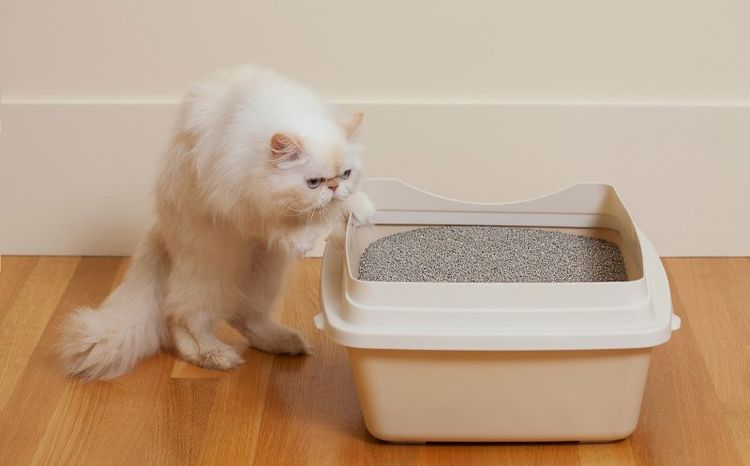
- Change fillerThe appearance of a new sorbent can be disconcerting to a cat. Since a cat's sense of smell is much more sensitive than we usually think, it may be confused and repulsed by an unfamiliar scent in this delicate area.
- Stressful situationThe appearance of puddles in the owner's bed may be a consequence of a stressful situation: moving to a new one apartment or home, the appearance of a strange animal in the house, an encounter with an aggressive dog, the careless behavior of a strange child, screaming or physical violence from a person.
- Mating seasonThe hormonal fluctuations occurring in the body at this time can lead the pet to behave inappropriately, from the owner's perspective, including neglecting the litter box and leaving marks on the bed. These marks smell even more pungent and unpleasant than regular urine, as they contain special substances designed to attract members of the opposite sex. This behavior is programmed by nature and therefore cyclical.
- JealousyWhen new pets arrive in the home and their owners devote a lot of time to them, the animal often develops acute feelings of jealousy. Then, it tries to remind itself of its presence in an extremely unpleasant way, leaving puddles on the bed. The same thing happens when a newborn baby arrives and takes up all the family's time.
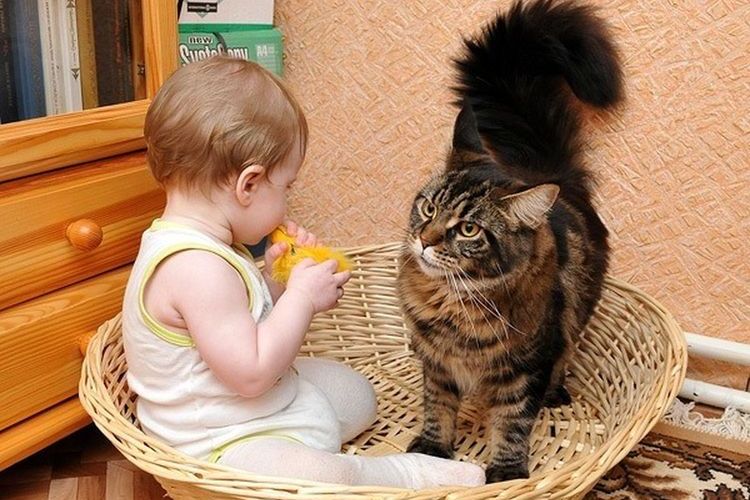
- Boredom and lack of attentionA cat may be left home alone all day, with little to do. They may vent their frustration by leaving stains on the bed, which will be an unpleasant surprise for those returning home.
- Old ageA mature cat may suffer from the loss of former skills, as happens with older people. This can be exacerbated by minor chronic illnesses that inevitably accumulate in the body over the years.
If a kitten frequently poops on the bed, this could be due to the following:
- Lack of the required skill. At an early age, your baby may not yet be accustomed to hygiene requirements, so it's worth starting to explain to your pet where the litter box is located in the apartment and how to use it.
- Forgetfulness. A kitten may get too carried away playing on the owner's bed and not sense the urge to go beforehand, so it will defecate wherever it is at the time. Furthermore, it may not immediately clearly remember where the litter box is located in the apartment.
- Fear. Little kittens are afraid of being left alone for long periods of time. When their mother is away and their owners are absent, they can be very frightened. In such cases, the bed becomes an island of safety, where the calming scent of people can be felt. Sometimes a kitten is so afraid that they'll prefer to defecate right on the bed rather than leave that spot.
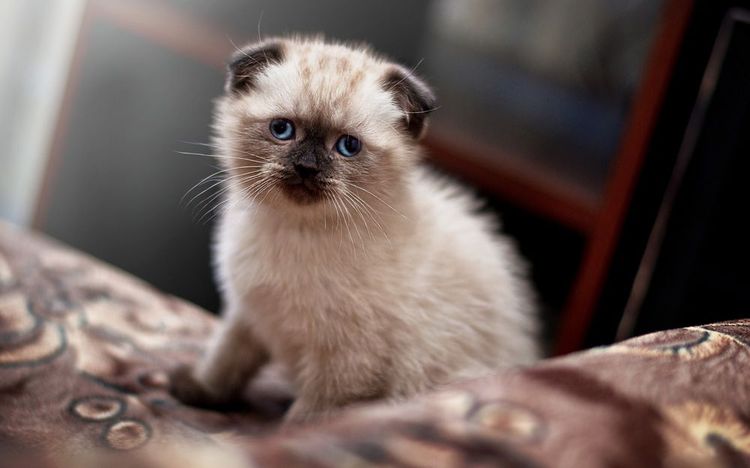
- Habit. Many kittens placed with their mother in a box or basket after birth have a warm pad placed on the bottom, where they initially go to the toilet. As they get older, they may mistake a sheet or bedspread for a similar pad and pee directly there.
In any case, you shouldn't scold the animal, and especially not hit the cat, as this can only escalate the situation.
Possible diseases
Sometimes wet spots on the owner's bed can indicate that the animal is sick. Pathological reasons for a cat or male cat defecating on the bed can include:
- Congenital anomalies Urogenital system. In this case, the problem has been present since childhood. To obtain an accurate diagnosis, an ultrasound will be required.
- Infectious diseasesThis can be a genitourinary infection or a generalized one affecting multiple organs at once. Most commonly diagnosed are nephritis, cystitis, nephrosis, and other diseases that cause partial or complete urinary incontinence in cats.
- Urolithiasis and metabolic disorders. Most often, the owners themselves are to blame for this, as they feed the animal incorrectly.
- Consequences of childbirthAfter giving birth, cats may experience temporary spasms or paresis of the bladder, which will manifest as puddles not only on the bed but throughout the house.
If the stains on the bed are caused by an illness, you may notice changes in the cat's behavior, a worsening condition, or a fever. In this case, don't rely on the illness resolving itself, as waiting even a few days could result in the loss of the animal.
What to do
First, you need to make sure the pet that's soiling the bed is completely healthy. Then, make sure the litter box doesn't have too high sides and is in a convenient location where the cat can easily reach it. And that the litter is changed regularly.
It's important to close the door to the room where the owner's bed is located to prevent anyone from entering. If this isn't possible, the bed can be covered with plastic sheeting or aluminum foil, as animals don't like to defecate on such materials.
If stains on the bed are caused by jealousy or lack of attention from the owner, you need to spend a little more time with your pet. If your pet gets bored and is alone all day, you need to provide something to do, like leave a toy out to give them something to do with their energy.
An attentive attitude, love and care for your little friend will help you overcome an unpleasant situation.
Read also:
- How to litter train a male or female cat
- Cat litter: which is best?
- Why did my cat start peeing everywhere?


Add a comment