
Why can't a cat give birth?
No animal can remain pregnant forever. Sooner or later, the day arrives—the day of birth. How should it proceed? What births are considered abnormal? When is veterinary assistance necessary? What should you do if your cat is unable to give birth?
Normal childbirth
Normally, a cat's labor doesn't last longer than 18 hours. And the countdown begins not with the birth of the first kitten, but from the moment the cat begins having contractions. You'll notice the onset of labor by changes in her behavior. Her breathing and heart rate will quicken, and the expectant mother will become nervous and seek a secluded spot.
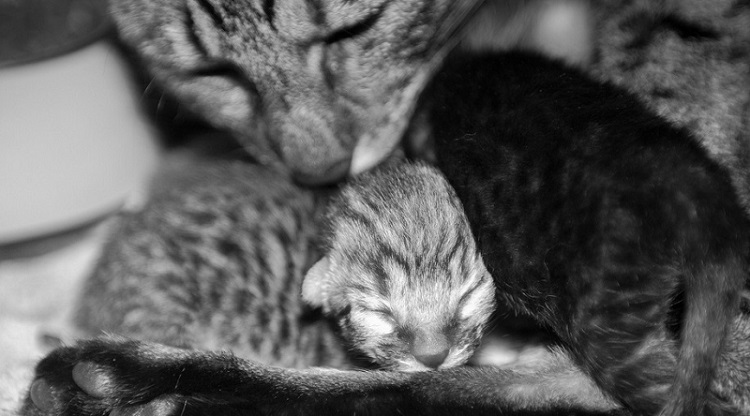
During a normal birth, the animal doesn't require any assistance. However, if any abnormalities occur, don't attempt to assist the cat yourself; contact a veterinarian immediately. Otherwise, any delay by the pet owner could result in the animal's death. Why can't a cat give birth? What types of births are considered abnormal?
Pathological childbirth
If the birth process is prolonged, you should seek veterinary assistance. If 24 or more hours pass between the birth of the first and last kitten, it's safe to assume a pathological birth.
If your cat hasn't given birth within two days, or if no kittens have been born, seek veterinary help immediately! Otherwise, the cat will die.
You shouldn't try to help the cat yourself. give birth at homeProlonged labor may be due to weak labor or improperly positioned fetuses that are unable to be delivered (large fetuses, multiple kittens simultaneously emerging from the uterine horns and preventing each other from being born, etc.). Injecting medications that stimulate uterine contractions may harm your pet. If the kittens are improperly positioned, such "intervention" may lead to uterine rupture.
The mother also needs help if the kittens are dead. There's a risk that the mother's kittens died several days ago, that not all of the kittens will be born, or that toxicity has set in.
How to help a cat that can't give birth
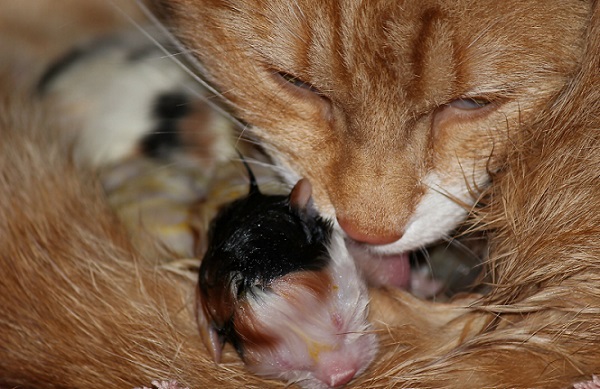
If you notice that your cat is already tired, her contractions weakened, try placing her on a bed or sofa and stroking her back (from her neck to her tail). This will calm her, relax her muscles, and act as a massage. The expectant mother will rest a bit, recover, and then continue labor with renewed vigor. However, if your pet is restless and tries to escape or resists your handling, do not touch her. Adding stress will only delay labor.
Don't try to push the kittens out by applying pressure on their stomach. Don't drag the kitten as it emerges (you can only do so very carefully, gently supporting it), otherwise you'll break the baby's neck.
If your cat hasn't eaten in a while, offer her some light food and water to replenish her energy. However, don't try to force-feed or water her. For those with a sweet tooth, offer some sweets to help her get some glucose.
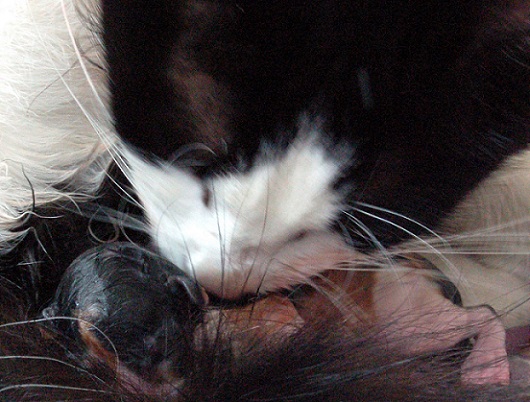
If you notice that your pet has become weak, is not feeling well, has stillborn kittens, or has not delivered for a long time, but is still straining, call a veterinarian immediately or take the mother to a veterinary clinic as soon as possible.
It's best to prepare in advance, find and arrange a visit to a veterinary clinic with an ultrasound machine and X-ray room. An ultrasound can confirm whether the kittens are alive (their heartbeat will be audible). An X-ray will also help the veterinarian see the kittens' position in the birth canal. An ultrasound won't provide such a detailed view because the kittens (if alive) will move and their muscles will contract. Based on these findings, the veterinarian will decide whether to perform a cesarean section or administer medications to induce labor and support the kitten.
Read also:


Add a comment