
Why does a cat lick a person's hands?
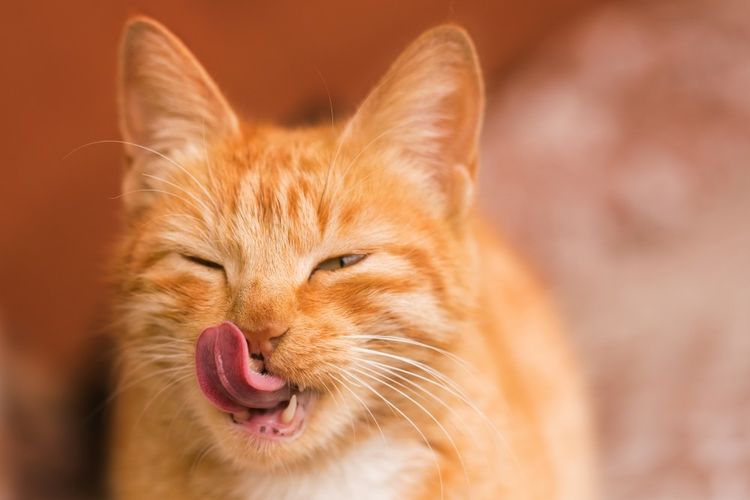
Cats' behavior, such as purring, rubbing against legs, climbing onto laps, or even sleeping in their owners' beds, is generally considered normal. Often, this display of love and affection can become overly intrusive—animals may begin to actively lick a person's hands, face, ears, and other body parts. Such excessive affection may be driven not only by the pet's desire for attention but also by other motives.
Content
Reasons why a cat licks its owner's hands
False maternal care
The first emotion a newborn kitten experiences is its mother's affection. Blind and deaf, it feels a connection to its mother through tactile touch and carries these feelings throughout its life. The mother, in turn, licks the kittens' bellies for other purposes: stimulating digestion and simultaneously soothing the kittens, helping them relax and fall asleep. When a kitten is weaned very early, it instinctively reaches out to humans, carrying its desire for love and care into adulthood.
Animals become especially vulnerable during puberty. If a female cat isn't spayed promptly and doesn't give birth, she may develop a so-called false pregnancy. If she has a close attachment to her owner, she has no choice but to "practice" her maternal instincts on humans. Hormonal imbalances are also common in unneutered male cats, which can also cause them to behave excessively affectionately.
Important: To avoid hormonal imbalances and subsequent health problems in your pets, it is advisable to have them spayed or neutered before they reach one year of age.
Begging
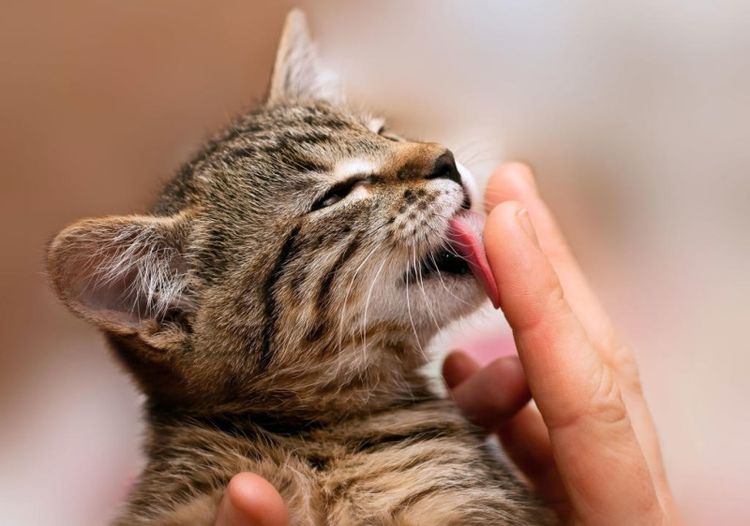
The key to a cat's unusual behavior may lie in the simple act of begging for food. In most cases, this behavior is typical of older kittens raised on artificial feeding. They associate human hands with food, so licking and nibbling on palms seems completely normal and natural. Hand licking is often accompanied by a movement that mimics the kneading of the front paws. This reaction occurs automatically and reflects the memory of a kitten squeezing milk from its mother's teats.
Expression of one's primacy
Licking hands can appear as a favor rather than an expression of affection. This behavior is typical of male cats that have passed puberty and are dominant. The animal seems to express its condescension toward the person, thus ascribing a lower role to them in their pack. There is no danger in such a reaction as long as self-assertion does not turn into aggression.
Social connection and attachment
Licking hands is similar to a cat'ssocial care (allogrooming), which involves family members. This gesture is similar to how cats lick each other, showing affection and establishing a trusting relationship. If your cat licks your hands, it perceives you as family and wants to strengthen the emotional bond.
Low self-esteem
This "diagnosis" is common not only in human society but also in felines. The animal considers itself the lowest in the pack and, by licking hands, makes it clear that it has no claim to leadership. Typically, such cats are very reserved, fearful, and often suffer from developmental delays and illnesses. By falling on their backs, they demonstrate their vulnerability with their entire appearance and lick the pack leader. Living under constant stress leads to the development of fears, complexes, emotional suppression, and ultimately health problems.
Boredom
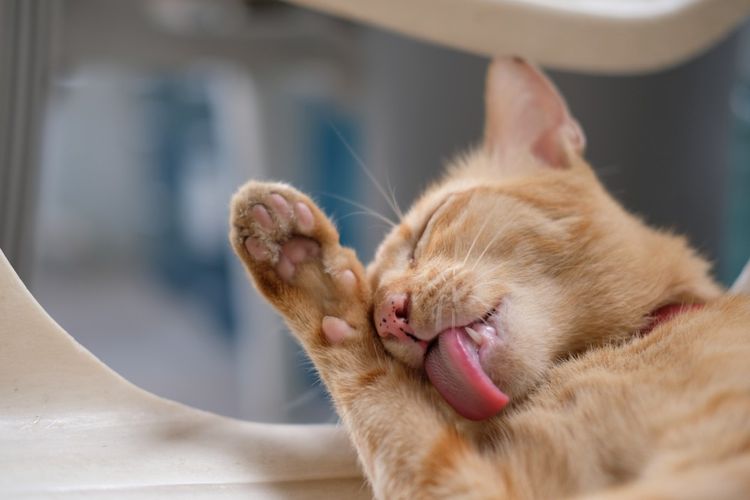
Not all cats tolerate loneliness well. Left alone all day, they simply don't know what to do and start grooming themselves. When their owners come home, they actively demand attention and engage in their usual behavior—licking hands, hair, clothing, and other household items. If the issue of being left alone isn't addressed promptly, this harmless reflex can develop into a real problem. Sometimes, out of boredom, cats lick themselves until they develop open, oozing wounds.
Territory marking and familiarization
Saliva contains cat pheromones. Licking is a way for a cat to leave its scent on your body and declare, "This is my family." This is especially common during contact with other people or animals—the cat confirms your belonging to its group.
Exploring Flavors and Textures
Sometimes a cat simply detects the intriguing taste of sebum, creams, or food residue on your hands. They may lick you out of curiosity about the smell or taste. Using lotions containing animal fat or frequently handling food residue on your hands is another reason why cats may lick you.
Symptoms of diseases
In some cases, excessive grooming of household members may not be the result of the animal's desire for attention or affection, but rather a manifestation of an underlying medical condition. For example:
- Fleas and other skin parasites. The cat tries to get rid of these annoying insects not only for herself but also to protect the rest of the family.
- Allergic skin reactionsIrritation can be caused by the wrong shampoo, various cosmetics, tobacco smoke, and other unpleasant odors. As a result, the cat feels discomfort and tries to solve the problem by licking itself and its owner.
- General malaise. Licking is a way for a pet to signal that something is wrong and to be taken care of. If this behavior is unusual for a cat, you should closely monitor its well-being and, if necessary, have it examined by a veterinarian.
- Infection. Skin rashes are secondary signs of a number of infectious diseases. These rashes are often intensely itchy and cause severe discomfort to the cat. Trying to protect themselves from the discomfort, they lick not only themselves but also their owner, and in some cases, even the surrounding objects.
How to wean
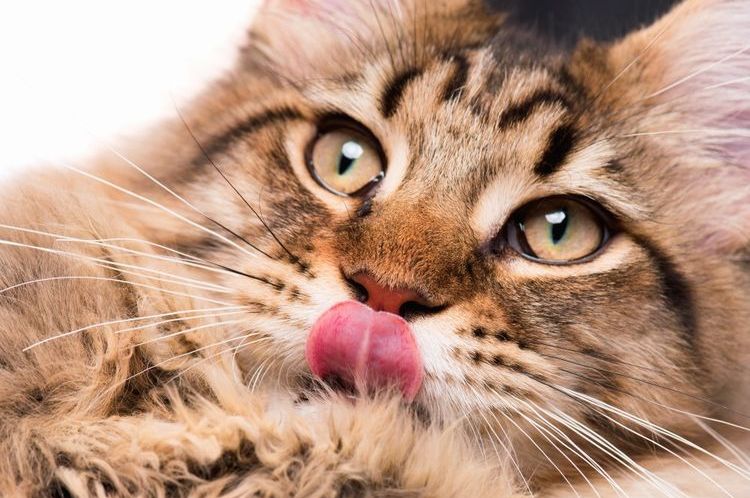
Even understanding a cat's "thought process"—why it licks your hands, face, head, and other body parts—tolerating such affection isn't always pleasant. And if it happens in the presence of strangers, it's even more inappropriate. To break your cat of this habit, never yell at it or be rude. It's best to use one of the following methods:
- Distract with play. By switching to something active and interesting, the cat will no longer be so insistent on demanding attention.
- Buy a scratching post and train your pet to use it. Catnip is commonly used as a "bait."
- Appear busy or distracted, going into another room as soon as the animal begins to show signs of excessive “love.”
- Try putting a fur glove on your hand if your cat enjoys licking your palm. Over time, she'll get used to the glove and practice on it, leaving you alone.
Be that as it may, having brought a meowing friend into your home, you need to gratefully accept all of his affection and love, even if the form in which it is expressed is not very pleasant or persistent.
When to worry
-
Obvious and frequent repetition of licking may be a signstress or anxietyPay attention to other signs: excessive washing, changes in appetite, refusal to play.
-
If your cat experiences pain, it may lick your hands after contact with aggressive areas - this is a signal to contact a veterinarian.
-
If your cat licks your face or hands immediately after using cosmetics, you should make sure there are no toxic substances on the skin.
How to respond: tips for owners
| Approach | What to do | Note |
|---|---|---|
| Encouragement | Pet your cat vigorously after licking. | Strengthens the connection |
| Abstinence | Remove your hand if licking is annoying. | Use treats to redirect |
| Diagnostics | Monitor frequency, especially during stressful periods | If obsessive behavior occurs, consult a veterinarian. |
| Delicacy | Gently move your hands away while licking your face. | Avoid aggressive rejection |
Read also:
- Why do cats trample us with their paws?
- How to tell if your cat loves you
- Do cats understand human speech?


Add a comment