
Why does a cat scratch its ears and shake its head?
Determining why a cat constantly scratches its ears and shakes its head is only possible if you understand all the possible causes of this behavior. A pet can't communicate the problems that are bothering it. A cat owner must be very attentive to identify these. ear diseases at an early stage and provide timely assistance to the animal.
Content
Why does my cat scratch its ears and shake its head?
An owner should be alert to nervous behavior in their pet, including repeated attempts to scratch their ears throughout the day. The cat will also scratch the skin and shake its head, as if trying to remove a foreign object.
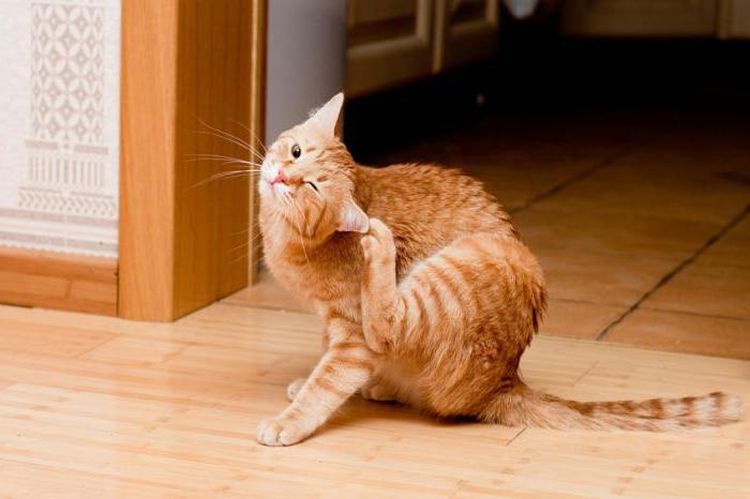
Causes can be divided into two groups: household and medical. The former include a foreign object getting into the ear, water getting in while washing, or a hematoma resulting from a bruise. The latter group includes causes that pose a health risk to the pet. These include:
- Lack of hygiene. Although cats are considered exceptionally clean animals and are capable of grooming themselves, sometimes human assistance is needed. Regularly inspect your pet's ears and clean them of debris. Inadequate care can lead to serious ear diseases, including deafness and meningitis.
- Earwax buildup. This is one of the most common reasons why cats scratch their ears. If you discover a large earwax buildup, you can try removing it yourself. Apply saline solution or a special lotion, available at pet stores, to the ear three times a day. Afterward, the cat should remove the wax itself, or you can use a cotton swab. If you can't resolve the problem yourself, you should consult a veterinarian.
- Sarcoptic mange and cheyletiellosis. Rare parasitic infections that cause itching, flaking, and dandruff.
Required:
-
Skin scraping
-
Treatment with acaricides according to the course
-
Neurology
If the behavior is accompanied by loss of coordination and unsteadiness of gait, this may be a symptom of brain disease, injury, or intoxication.
When to see a doctor:
-
Pus, blood, or a strong odor coming from the ears
-
The cat constantly scratches itself, screams, and shakes its head.
-
Refusal to eat, apathy
Prevention:
-
Regular ear examination
-
Washing once every 1-2 weeks
-
Antiparasitic drops once a month
-
Hypoallergenic nutrition for those prone to reactions.
-
- Ear inflammation. If your cat shakes its head from side to side and scratches its ears, you may suspect an inflammatory process in the outer, inner, or middle ear. This is often caused by previous or untreated scabies. The animal will experience discomfort, possibly a fever, loss of appetite, and poor coordination.
- Ear mitesThis is one of the most common reasons why cats constantly scratch their ears. The condition is called otodectosis. The mite typically infects the inner ear or the outer ear canal. Its presence can be identified by a brownish coating, a sticky fluid that sticks together the fur, and an unpleasant odor. In advanced cases, ear mite proliferation can lead to rupture of the eardrum, meningitis, and other serious conditions. Weakened animals or those living in large groups are more susceptible to infection.
- Allergies and dermatitis. An allergic reaction is another common reason why cats scratch their ears. Sometimes it manifests as seborrheic dermatitis with flaking and itching.
Signs:
-
Dryness and redness of the skin around the ears
-
Formation of crusts
-
Localized hair loss
Treatment includes:
-
Mild shampoos with chlorhexidine
-
Hypoallergenic food
-
Antipruritic drugs and ointments.
-
Causes of itching in the ears can also include diseases of the internal organs, fungal infections, dermatitis and allergic reactions.
Table: Expanded range of causes and recommendations
| Sign | Possible reasons | What to do at home | What does a veterinarian do? |
|---|---|---|---|
| Shakes head, lack of coordination | Lesions of the vestibular system, central nervous system | Conduct surveillance | Neurological examination (CT, MRI) |
| Swelling of the tissues of the pharynx in the ear | Allergies, glandular hyperplasia, polyps | Antihistamine, food tracking | Biopsy, histology, immunotherapy |
| Breed with ear deformity | Anatomy specifics (Scottish, Sphynx, etc.) | Inspection and cleaning of sulfur | Surgical correction, steroids |
| Dirty sticky discharge | Liver or kidney pathology | Improving nutrition, immunocorrection | Blood tests, ultrasound of organs |
Additional recommendations
-
Check your pet's hearing - if your cat shakes its head and scratches its ears, but doesn't respond to sounds, it's time to check its auditory nerve.
-
Monitor the frequency of these symptoms - if they occur more than 2-3 times a day, this is an alarming sign
-
Keeping a diary of food, reactions, time, and behavior will help the doctor
-
Avoid self-administration of antibiotic drops - this may distort the examination results
When to see a doctor
Ear scratching is a normal behavior for any cat, a hygienic procedure that helps remove dirt and foreign bodies. However, when this behavior becomes persistent and the pet experiences significant discomfort and anxiety, it's important to take them to the vet. Only by identifying the cause of this behavior can effective treatment methods be found.
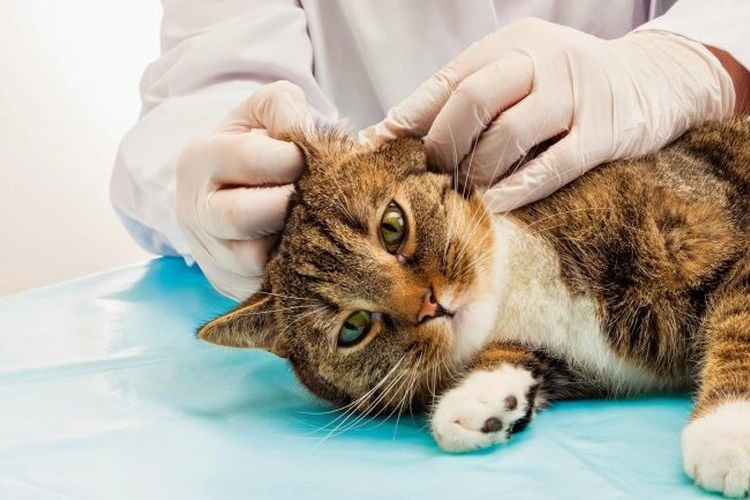
If your cat has otitis, treatments to get rid of ear mites can have serious consequences, including permanent hearing loss. A visit to the vet should not be delayed if:
- Scratching the ears causes anxiety, and the cat shakes its head irritably.
- The animal becomes nervous.
- The cat scratches its ears intensely more than 10 times a day.
- Small wounds formed on the surface of the ears.
The detection of one or more of the listed symptoms is a serious reason to visit a doctor.
Diagnostics
A crucial step in treating your pet is a thorough examination to determine the exact cause of your cat's persistent ear scratching. Ear mite infestation can be detected at home. Simply swab the ear with a cotton swab, transfer the contents to a black cloth, and examine them carefully with a magnifying glass. White mites are easy to spot against a dark background.
Other conditions are diagnosed in the clinic. A preliminary diagnosis is made by a doctor based on a visual examination. For example, dermatitis can be diagnosed by brownish discharge, scaling, or swelling. Various laboratory diagnostic methods are used, such as:
- Bacterial culture. This is the most accurate method for making a diagnosis. It may be unavailable in smaller towns due to a lack of necessary equipment.
- Smear. The most common method, providing a 90% accurate diagnosis.
If necessary, the doctor may prescribe an X-ray examination or ultrasound.
Treatment Features
The treatment plan is determined by a veterinarian and depends on the diagnostic results. For otitis, antibacterial treatment is prescribed. If the pain is severe, a novocaine block is performed, and special ear drops are administered.
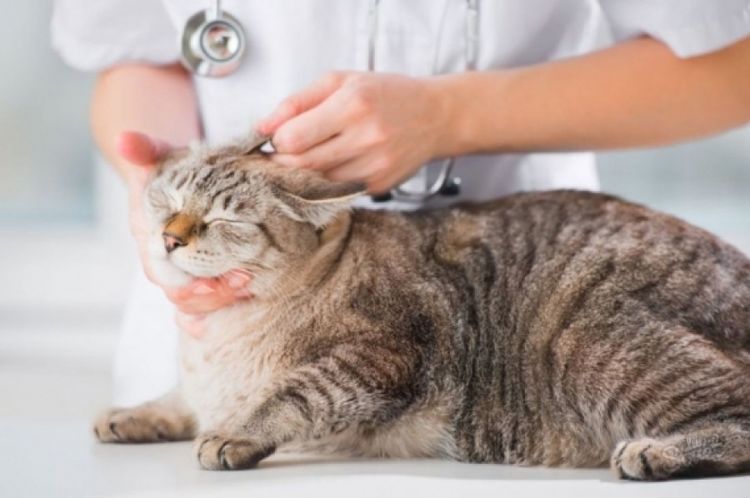
You can get rid of ticks using topical treatments such as Tactic and Amit. Intramuscular injections of antiparasitic medications are also effective. First, the ears should be cleaned of exudate with a cotton swab soaked in hydrogen peroxide. For dermatitis, the auricle should be treated with a silver nitrate solution.
Preventive measures for comprehensive health
-
-
regular vaccinations and prevention of viral diseases;
-
immune support - vitamin complexes and probiotics;
-
preventative cleaning of ears once every 1–2 weeks and after walks;
-
use of antiparasitic agents once a month;
-
Monitoring liver and kidney function - annual blood tests and ultrasound for older cats;
-
Avoid harsh cleaning products near the ears - only mild solutions.
-
During treatment, it is necessary to be monitored by a doctor, visiting the clinic at least once a week.
You can also ask our website's staff veterinarian a question, who will answer them as quickly as possible in the comments box below.
Read also:
- Why does a cat have dirty ears?
- Why do cats have hot or cold ears?
- Do cats and kittens need their ears cleaned and how to do it correctly?


2 comments
Victoria
She's scratching her ears and has already combed out the fur on her withers. There are no ticks. There's no discharge. What is this?
Daria is a veterinarian
Hello! Have you ruled out a subcutaneous mite? Have you taken a scraping? Are there any skin parasites? A general blood test would be helpful to rule out an allergic reaction. Allergies can be caused by a food component or product, so it's important to know what your pet eats. Also, rule out reactions to medications, household chemicals, and parasites (intestinal helminths, for example, can cause allergic symptoms in animals). If the general blood test doesn't reveal any characteristic changes, have a biochemistry panel and evaluate the function of the internal organs (especially the liver and kidneys).
Add a comment