
Why does a cat chase its tail?
There are several reasons why cats chase their tails. Most often, they chase their tails while playing, showing curiosity about the moving object. However, sometimes a pet chews on the tip of its tail out of discomfort. This behavior should be closely monitored, and if you suspect OCD, pain, or itching, consult a veterinarian.
Main reasons
Kittens often try to catch their tails—they're learning about the world around them and showing curiosity about moving objects. But sometimes adult cats begin to catch and bite the tip.
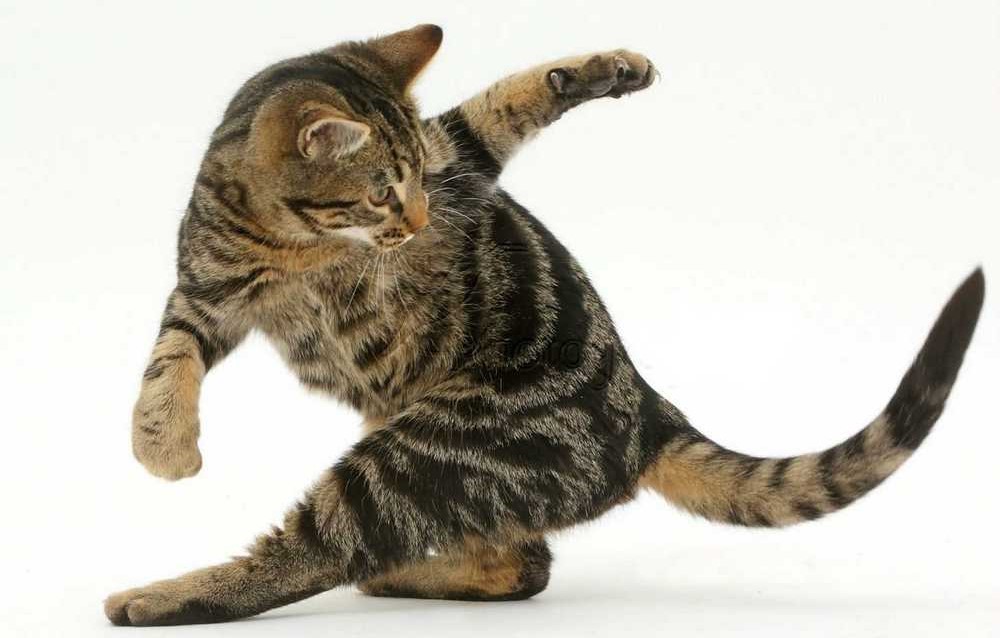
There are 5 main reasons for this behavior, related to the pet’s reflexes or condition:
- Boredom. Cats are naturally very active, and active play is their natural state. Owners play more often with young kittens, but often forget about adult pets. Therefore, cats are forced to entertain themselves, and their tails become a perfect target.
- Hunting. The hunting instinct is retained even in artificially bred breeds, so the animal periodically requires a little training aimed at finding, catching, and tormenting prey.
- Stress. Moving, changing owners, renovating, or having strangers in the home can negatively impact a cat's nervous system. One sign of stress is inappropriate behavior—either excessively depressed or, conversely, overly excited, with the pet running around the apartment chasing its tail. To address this, create a comfortable environment. Taking sedatives as recommended by a veterinarian can also help relieve stress.
- Discomfort. If your cat is biting its tail excessively, it's worth examining it closely. It's possible that parasites have entered the fur, the anal glands are inflamed, or an allergy could be causing severe itching and pain. By biting the end of its tail in an attempt to relieve discomfort, the animal could injure itself, scratching or biting deeply into the skin. Infection can easily enter the body through the wound, leading to the risk of inflammation and suppuration. Therefore, it's important to quickly find the cause of the inappropriate behavior and relieve the cat's discomfort.
- OCD. Obsessive-compulsive disorder in cats is characterized by a sense of imaginary danger, intermittent hyperactivity, dilated pupils, and heightened tactile sensitivity. Constant playing with the cat's tail causes the fur to thin, but the animal refuses to stop. This obsessive behavior often leads to depression, obesity, or exhaustion.
When several cats live in a house, tail-chasing is a common occurrence. While the animals may simply be fooling around, sometimes the fights become quite violent and aimed at establishing dominance. Such "entertainment" must be stopped immediately!
What to consider
Paying close attention to your pet will help maintain their psychological health. Tail-chasing, a common pastime for kittens, can be a sign of a serious nervous disorder in an adult cat. Therefore, the decision whether or not to seek veterinary help is based on three factors:
- Age category. Young animals are full of energy that needs to be expended. Male and female cats under 2 years of age love active play and may chase tails out of curiosity or emotion. An adult pet is ready to play, but their behavior is much less likely to appear absurd, especially in the phlegmatic nature of some breeds. In old age, furry creatures prefer contemplation and may even avoid vigorous exercise.
- Inappropriate behavior. Gradually, the animal develops a habitual lifestyle. If the cat occasionally chases its tail, doesn't meow in pain during play, and doesn't chew its fur to the point of baldness, there's no need to worry. A sudden change in behavior should be cause for concern.
- Condition during play. If your cat growls, hisses, screams loudly, or behaves aggressively while playing, consult a veterinarian.
In any case, there is no need to react violently and punish the animal for inappropriate behavior.
What to do
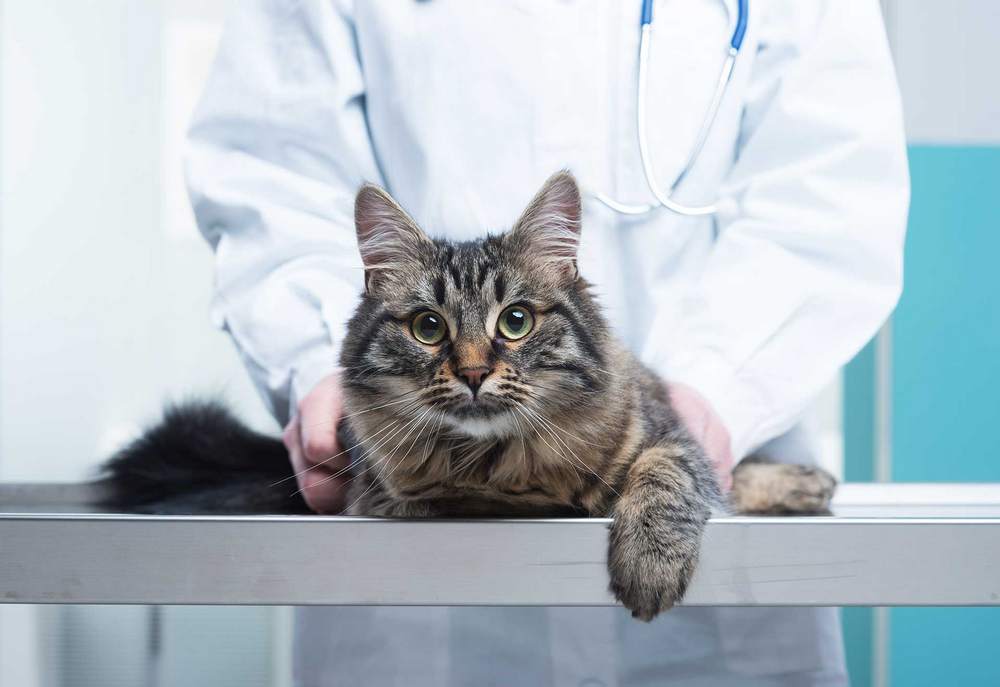
If you can't determine the cause yourself, it's best to visit a zoopsychologist, who can quickly determine why your pet is chewing its tail. Before going to the clinic, take a few steps to calm your cat:
- treat someone with a treat;
- caress;
- switch your attention to your favorite toy;
- ensure a calm environment.
It's advisable to dedicate at least 15-30 minutes a day to playing with your pet. Perhaps the constant attention will break their bad habit, relieve stress, and allow them to fulfill their hunting instinct without having to fuss with their tail.
Read also:
- Why does a cat follow its owner around?
- Why do cats look out the window?
- Can cats eat flies and why do they do it?


Add a comment